


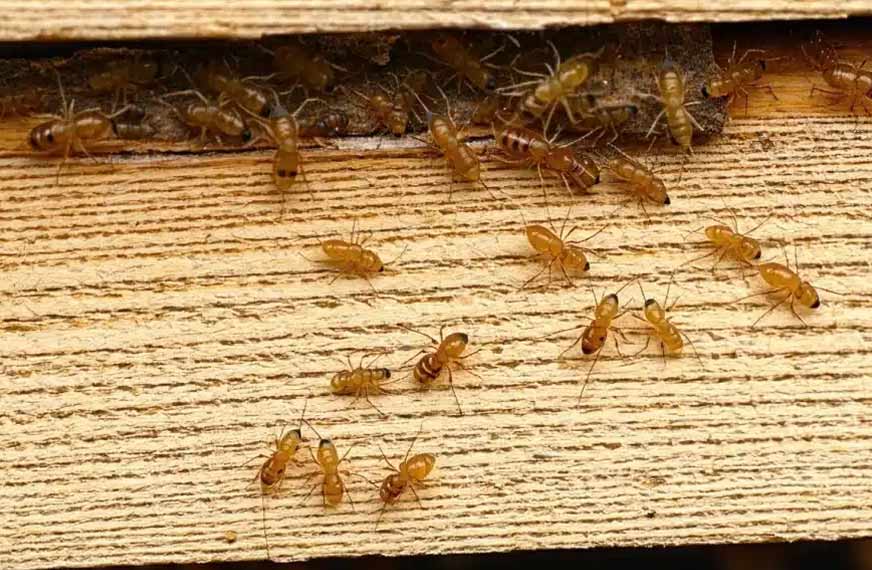
Understanding Termite Problems
Termites are among the most destructive pests that can affect residential and commercial properties because they feed on materials containing cellulose, including many forms of wood and other plant-based materials. Unlike pests that are easily noticed when they enter a building, termites can remain hidden for long periods while gradually damaging structural components, flooring, furniture, wooden fixtures, and other vulnerable materials. Their colonies may operate behind walls, beneath floors, inside soil, or in other concealed areas, making early detection particularly important. Property owners may not notice a serious problem until signs such as damaged wood, discarded wings, mud tubes, hollow-sounding timber, or weakened surfaces become visible. Learning how termites behave and understanding the conditions that encourage their presence can help property owners take preventive action before minor activity develops into extensive damage.
Why Early Detection Matters
Early detection is one of the most effective ways to reduce the potential impact of a termite infestation. Termites can continue feeding and expanding their colonies without producing obvious signs in the early stages. By the time visible damage appears, the insects may have already affected areas that are difficult or expensive to repair. A termite inspection can help identify evidence of current activity, previous infestations, and conditions that may increase the likelihood of future termite problems. Professional inspectors typically examine accessible structural areas, wooden components, moisture-prone locations, foundations, crawl spaces, and other areas where evidence may be present. Finding a problem early gives property owners more opportunities to address it before damage becomes widespread.
Common Signs of Termite Activity
Knowing the common warning signs of termites can help property owners recognize potential problems. One of the most noticeable indicators is the presence of discarded wings near windows, doors, light sources, or other areas where reproductive termites may have gathered. Mud tubes along foundations or walls can also indicate termite activity, particularly when subterranean species are involved. Damaged wood may sound hollow when tapped and can sometimes show blistering, cracking, or unusual surface changes. Doors and windows that suddenly become difficult to open may also deserve attention because moisture and termite-related damage can affect wooden frames. Small piles of droppings, bubbling paint, sagging floors, or unexplained wood deterioration may provide additional clues. While individual signs do not always confirm an infestation, several indicators appearing together should be investigated carefully.
How Termites Enter Properties
Termites can access buildings through several routes, depending on the species and surrounding conditions. Some termites travel through soil before entering structures through cracks, joints, utility openings, or other pathways that connect the ground with wooden components. Other species may enter through wooden materials, roof areas, stored timber, furniture, or construction materials that are already infested. Moisture around foundations and plumbing areas can make certain environments more attractive to termite colonies. Landscaping materials placed directly against structures may also create conditions that make termite activity harder to detect. Understanding how termites gain access helps property owners identify vulnerable areas and make improvements that reduce opportunities for infestation.
The Role of Moisture Control
Moisture is an important factor in termite prevention because damp conditions can create favorable environments for certain termite species and may weaken wooden materials at the same time. Leaking pipes, damaged gutters, poor drainage, condensation, and standing water can all contribute to moisture problems around a property. Wooden structures exposed to persistent moisture may become more vulnerable to deterioration and pest activity. Regularly checking plumbing systems, drainage areas, roof components, and ventilation can help identify problems before they become serious. Improving airflow in enclosed areas and correcting leaks promptly can also reduce conditions that support pest activity. Moisture control should therefore be considered an important part of a broader property maintenance and termite prevention strategy.
Inspecting Vulnerable Areas
A thorough termite inspection should focus on areas where termites are most likely to remain hidden or where conditions may support their activity. Inspectors may examine wooden structural components, foundations, crawl spaces, basements, attics, wall-adjoining areas, flooring, door frames, window frames, and locations with visible moisture concerns. Outdoor areas can also provide valuable information because termite colonies may exist near a building before workers begin entering the structure. Stacked wood, tree stumps, landscaping materials, fallen branches, and soil that remains in direct contact with wooden structures can all deserve attention. Examining both interior and exterior areas provides a broader understanding of potential risks and helps identify conditions that may otherwise be overlooked.
Protecting Structural Components
Termites can cause serious problems when they reach structural wood because they may gradually weaken materials that contribute to the stability and function of a building. Damage can occur in beams, joists, support structures, flooring, wall components, door frames, and other wooden elements. The severity of the damage depends on factors such as termite species, colony size, duration of activity, accessibility of the wood, and environmental conditions. A termite inspection can help identify visible and accessible evidence that may require further evaluation. If damaged structural materials are discovered, repairs should be considered alongside pest management rather than treating the insects while leaving compromised materials unaddressed. Maintaining sound structural components is essential for long-term property protection.
Preventing Future Infestations
Prevention is an important part of termite management because eliminating existing activity does not automatically remove every condition that could attract termites in the future. Property owners can reduce risks by keeping wood and cellulose-based debris away from foundations, maintaining effective drainage, repairing leaks, sealing unnecessary openings, and avoiding direct contact between soil and vulnerable wooden components where possible. Regular landscaping maintenance can also help keep areas around the building accessible for inspection. Firewood and lumber should be stored carefully and away from direct contact with the structure. These practical measures can make it easier to detect changes and reduce the number of favorable conditions around a property.
The Importance of Professional Assessment
Professional evaluation can be particularly valuable when termite activity is suspected but the source cannot be identified easily. Experienced inspectors have the knowledge and equipment needed to examine difficult areas and recognize subtle signs that may not be obvious to an untrained observer. During a termite inspection, professionals may look for active insects, damage patterns, shelter tubes, moisture concerns, entry points, and other evidence that can help determine the nature of the problem. They may also explain which areas require monitoring and which property conditions should be corrected. Professional assessment can be especially useful when signs of activity are recurring or when previous treatments have not produced lasting results.
Understanding Treatment Options
Termite treatment methods vary according to the species involved, the location of the colony, the extent of the infestation, and the construction of the property. Some management strategies focus on creating barriers that prevent termites from accessing structural areas, while others target colonies or active feeding areas. Baiting systems may also be used in certain situations, depending on the circumstances and professional recommendations. Treatment decisions should be based on an assessment of the actual problem rather than assumptions based solely on visible insects. Property owners should also follow product instructions carefully when using any pest control materials and seek professional guidance when the infestation is extensive, hidden, or affecting important structural components.
Monitoring After Treatment
Monitoring is important even after termite activity has been treated because property conditions can change over time. New moisture problems, landscaping changes, construction work, cracks, damaged seals, and other alterations can create fresh opportunities for termites to enter or establish colonies. Regular observation can help property owners identify new signs before an infestation becomes extensive. A follow-up termite inspection may be recommended depending on the property’s history, treatment method, environmental conditions, and level of risk. Keeping records of previous activity and treatment can also make future inspections more useful because professionals can compare current findings with earlier observations.
Maintaining a Termite-Resistant Property
Long-term termite prevention requires consistent property maintenance rather than a single action. Wooden structures should be kept as dry as practical, drainage systems should function correctly, and leaks should be repaired without unnecessary delays. Exterior walls and foundations should remain accessible for observation whenever possible. Vegetation should be managed so that it does not completely conceal the structure, while wood debris and other cellulose materials should be kept away from vulnerable areas. Indoor spaces should also be monitored for moisture, damaged wood, and other unusual changes. These simple maintenance practices can make it easier to identify problems early and reduce the environmental conditions that may support termite activity.
Protecting Property Value
Termite damage can affect more than the appearance of a building. Significant structural damage may lead to repair expenses, disruption, replacement of damaged materials, and complications during future property transactions. Maintaining records of inspections, treatments, repairs, and preventive measures can provide useful documentation of how pest-related issues have been managed. Regular maintenance can also help preserve the condition of wooden components and other structural materials. While no property can be guaranteed to remain completely free from termites, proactive care can reduce avoidable risks. Investing attention in prevention and early detection may help property owners address potential problems before they become more complicated and costly.
When an Inspection Should Be Considered
Property owners should consider professional evaluation when they notice discarded wings, mud tubes, damaged wood, unexplained structural changes, or repeated signs of insect activity around wooden components. An inspection can also be useful when purchasing a property, completing major renovations, or managing a building with a history of termite problems. A termite inspection can provide information about current evidence, areas of concern, and conditions that may require corrective action. However, inspection frequency should depend on factors such as property construction, environmental conditions, previous infestations, and professional recommendations. Regular attention is generally more useful than waiting until obvious structural damage becomes visible.
Creating a Long-Term Prevention Plan
A successful termite prevention plan combines inspection, maintenance, moisture management, structural care, and appropriate pest management when necessary. Property owners should remain alert to changes in wooden materials, unexplained moisture, new cracks, unusual insect activity, and other warning signs. Keeping vulnerable areas accessible can make future inspections more effective and help professionals locate problems sooner. It is also useful to address environmental conditions instead of focusing exclusively on visible termites. If moisture, damaged wood, poor drainage, or accessible food sources remain present, the property may continue to provide favorable conditions even after treatment. A comprehensive approach therefore provides a stronger foundation for long-term protection.
Conclusion
Termites can remain hidden while causing gradual damage, which makes awareness and early detection essential for responsible property maintenance. Understanding the warning signs, controlling moisture, maintaining drainage, protecting wooden components, reducing outdoor risk factors, and monitoring vulnerable areas can all contribute to better prevention. A termite inspection can help property owners understand whether evidence of termite activity exists and whether additional professional attention is necessary. When problems are discovered, prompt action can help prevent further deterioration and reduce the possibility of extensive repairs. By combining regular property maintenance with informed monitoring and professional assistance when appropriate, property owners can take practical steps toward protecting their buildings and preserving the condition of important structural materials.

