


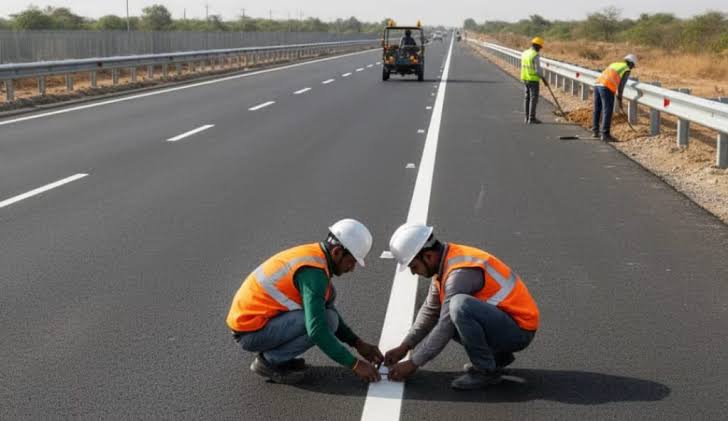
Road construction projects rarely operate under the same conditions from start to finish. A crew might close one lane for utility repairs, redirect traffic around an excavation, or restrict access to a busy intersection during resurfacing. Each situation calls for equipment that helps motorists, pedestrians, and workers move safely around the work area.
For contractors and project managers, having suitable traffic control equipment available at the right time is an important part of planning roadwork. Renting provides access to temporary equipment without requiring businesses to purchase and store every item they might need.
Understanding the available equipment, rental considerations, and site requirements can help teams prepare for projects of different sizes and durations.
Why Rent Traffic Control Equipment Instead of Buying?
Purchasing traffic control equipment can make sense for organizations that use the same devices regularly. However, construction projects often have changing requirements, making ownership less practical for certain types of equipment.
Through Traffic Equipment Rentals, project teams can obtain equipment for specific work periods rather than committing to permanent ownership. This arrangement can be particularly useful for short-term construction, seasonal maintenance, emergency repairs, and projects requiring specialized devices.
Renting also reduces the need for long-term storage and allows contractors to adjust equipment quantities between projects. A small utility repair may require only a limited number of signs and delineators, while a highway resurfacing project could involve extensive lane closures and electronic traffic control devices.
The financial comparison depends on rental duration, equipment utilization, transportation, maintenance, and expected future use.
Essential Traffic Control Equipment for Roadwork Projects
Traffic management involves several types of equipment, each serving a different purpose. Choosing appropriate devices begins with understanding how they guide road users and separate traffic from construction activities.
Traffic Cones and Delineators
Traffic cones are commonly used to identify temporary lane boundaries, guide vehicles around obstacles, and mark restricted areas.
Delineator posts and drums provide additional guidance where drivers need to follow a temporary alignment. Their suitability depends on factors such as road speed, visibility, and the applicable traffic control requirements.
These devices help direct movement but should not be mistaken for physical protection against vehicle impacts.
Barricades and Temporary Barriers
Barricades communicate restrictions and help prevent road users from entering designated areas. They may be used around temporary closures, construction entrances, and pedestrian detours.
Temporary traffic barriers serve a different function. Depending on their design and installation, approved barrier systems can provide physical separation between moving vehicles and hazardous work areas.
Contractors must distinguish between equipment intended to guide traffic and equipment designed to resist vehicle impacts.
Portable Traffic Signals
Portable traffic signals are useful in certain situations where vehicles must share a single open lane, particularly during bridge repairs, utility work, or extended lane closures.
They can regulate alternating traffic movements without requiring a traffic controller to stand continuously at each end of the work zone.
However, their use requires appropriate authorization, positioning, signal timing, power arrangements, and ongoing monitoring.
Electronic Message Boards and Warning Lights
Portable variable message signs can communicate upcoming closures, detours, changing traffic conditions, and other temporary instructions.
Flashing arrow boards help direct motorists through lane closures, while warning lights improve the visibility of designated hazards.
Electronic devices are particularly useful when drivers need advance notice of conditions that differ from their usual route.
How to Choose Equipment for a Construction Project
Equipment selection should follow the project’s traffic control requirements rather than relying on a standard rental list.
Several factors influence the decision:
- Road classification and speed: Higher-speed roads may require different devices, spacing, and advance warnings than low-speed streets.
- Work duration: A brief roadside repair may have different arrangements from a closure lasting several weeks.
- Traffic volume: Busy corridors require careful consideration of vehicle queues, turning movements, and peak-hour conditions.
- Work-zone layout: Lane closures, intersections, shoulders, and pedestrian crossings create different traffic management challenges.
- Visibility: Night work, curves, hills, and adverse weather can affect equipment selection and placement.
For example, a residential street repair may need relatively straightforward traffic guidance. A major highway project could require a more extensive combination of advance warning signs, barriers, delineators, and electronic devices.
The approved traffic control plan should determine which equipment is necessary and how it must be positioned.
Understanding Canadian Traffic Control Requirements
Traffic control requirements vary across Canadian provinces and road authorities. Contractors must account for applicable provincial standards, municipal requirements, permits, and project-specific instructions.
A traffic control plan generally addresses how vehicles, pedestrians, cyclists, and workers will move through or around the work zone.
Equipment must meet the relevant requirements for its intended application. This may include device dimensions, retroreflectivity, placement distances, and approved configurations.
For projects involving public roads, contractors should confirm the governing requirements before arranging equipment rentals. Using familiar devices does not automatically mean a work-zone layout is compliant.
Qualified personnel should review traffic control arrangements where required, especially for complex intersections, higher-speed roads, and projects involving temporary signals or significant changes to traffic movements.
What Should You Check Before Renting?
Equipment availability is only one part of organizing a successful rental. Contractors should establish the practical requirements before delivery.
Start by confirming quantities, equipment specifications, rental dates, and the expected construction schedule. If the project may be extended, find out how rental extensions are handled.
Delivery and collection arrangements also deserve attention. Large barriers, trailer-mounted signs, and portable signals may require specialized transportation or unloading arrangements.
Before accepting equipment, check its condition. Signs should be legible, reflective surfaces should suit their intended use, and electronic equipment should function correctly.
Rental agreements should also clarify responsibility for routine inspections, maintenance, accidental damage, replacement equipment, and additional charges.
These details become particularly important when equipment remains on-site for extended periods.
Managing Rented Equipment Throughout the Project
Traffic control arrangements should be inspected regularly, not simply installed and forgotten.
Construction activity, weather, vehicle contact, and changes to the work area can affect the placement and condition of temporary devices.
Crews should report damaged or displaced equipment promptly. Electronic signs and signals may require additional checks for battery condition, power supply, visibility, and correct operation.
When the construction schedule changes, the traffic control arrangements may also need to be reviewed.
At project completion, equipment should be removed in accordance with the approved traffic control procedures, and rental collection should be coordinated to avoid unnecessary additional charges.
Final Thoughts
Traffic equipment rental decisions affect project preparation, site organization, and the safe movement of road users around construction activities.
The most practical approach is to identify the project’s traffic control requirements first, select equipment suited to those conditions, and account for delivery, operation, inspections, and removal.
With careful planning, construction teams can avoid unnecessary equipment costs while maintaining appropriate traffic control arrangements throughout the project.

