


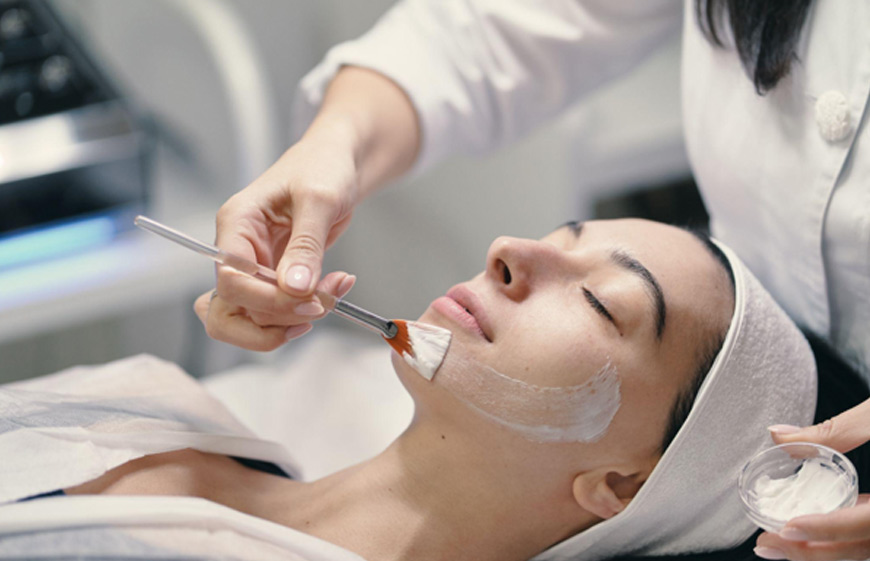
Have you booked a skin treatment expecting to see brighter, clearer skin the same day? You may have a history of dull skin, uneven skin texture or pigmentation problems and would like to know how many treatments it takes to see changes. It’s a legitimate question, especially since you are spending money as well as your time.
The truth is that skin peels do not solve all skin problems in a single treatment. If you are curious as to how often chemical peel treatments should be scheduled, the answer is based on your skin type and condition and the strength of the chemical peel. Some people get bright and glowing skin on their first visit while others need more visits before any significant results are visible.
Let us take a look at what you can realistically expect from the very first treatment to the end result.
What Determines How Many Skin Peel Sessions You Need?
Every person’s skin has something unique to it, and the same can be said about your treatment regimen. A soft peel designed to address the issues related to dull skin does not necessarily have the same schedule as a peel designed to treat acne scars or tone dark spots.
Some of the factors that can influence the length of the course of the treatment include the following:
- Skin problems – while slight dullness might be treated within a short period of time, this might not be true with more serious problems.
- The strength of the peel – while superficial peels can be repeated many times, stronger peels require longer time to rest.
- Skin sensitivity – sensitive skin might require gentler products and more time between the treatments.
- Your skincare routine– Utilising the right aftercare treatments will allow you to achieve the best results.
It’s not about doing as many skin peel treatments as possible but rather finding out the treatment that is suitable. Proper skin peel treatment consultation will allow discovering the right treatment for a particular level of skin issue.
What to Expect Before Your First Skin Peel?
If you have never had a skin peel before, the procedure can lead to some questions about what to expect. The rise of skin peels for advanced skincare results in the beauty sector can explain the rapid popularity of skin peels.
Getting started with the consultation involves a skin analysis. The therapist assesses the condition of your skin, finds out your skin care routine and decides if the peel is appropriate.
Then the skin will be cleaned before the peel is applied. You might expect some tingling and/or a heat sensation after the peel is applied.
After the procedure, your skin will definitely look healthier, but it might also be a little red, dry or flaky.
Bear in mind that your first consultation is about assessing your skin’s treatment rather than expecting a miracle overnight.
How Many Skin Peel Sessions Do You Actually Need?
Determining the number and frequency of your chemical peel sessions depends on your skincare issues and skin type. Some simple issues such as dull skin and rough texture can be improved after one skincare treatment. But problems such as acne marks, uneven pigmentation, and stubborn texture can require multiple treatments.
Here is how many sessions you can expect:
- 1-2 sessions: After the treatment, you might be surprised to see how bright, fresh, and smooth your skin becomes.
- 3-4 sessions: Using the most appropriate peels, positive results on mild skin problems and uneven skin colour may be seen.
- 4-6 sessions: In case of a prolonged treatment process, your skin may gradually resolve serious problems such as skin pigmentation and rough skin.
At NewSkin Laser Clinics, mild skin peels are generally recommended as a course of six treatments, scheduled two weeks apart. Advanced peels are usually scheduled four weeks apart. However, the exact number of sessions and treatment intervals will depend on your skin concerns and how your skin responds.
Why Australian Sun Exposure Matters During Your Peel Journey
Living in Australia impacts the way your skin is exposed to sunlight because of the high UV radiation throughout the year.
According to the Cancer Council Australia, sun safety tips are suitable in case UV Index is over 3 as the skin will already be sensitive.
This is important because freshly treated skin is far more sensitive to the incoming UV rays of the sun. Not protecting treated skin may cause the pigmentation to become problematic.
Use high SPF sunscreen, stay in the shade, and always follow the aftercare instructions from your doctor.
How To Keep Your Radiance Between Treatments
What you do to take care of your skin matters just as much as what you do during your appointments.
There are easy habits to help you achieve this:
- Use gentle cleansers and moisturisers recommended by your therapist.
- Avoid harsh scrubs and strong exfoliating products while your skin heals.
- Protect your skin from direct sunlight.
- Avoid picking or peeling flaking skin.
- Attend follow-up appointments when recommended.
If you experience severe discomfort, blistering or unusual pigmentation changes, contact your treating clinician promptly.
Your Best Skin Starts With the Right Treatment Plan
So how many sessions do people need? Some individuals may need only one mild peel to see short-term improvement, but others may require many treatments to actually see a difference in the condition of their skin. Thus, it is crucial to know how often chemical peel treatments are needed in order to set reasonable goals in terms of results.
The key to getting results lies in learning the key features of your skin, rather than rushing through the process. At NewSkin Laser Clinics in Melbourne, personalised treatment planning, clinical peel options, and digital skin analysis can help with this.

