


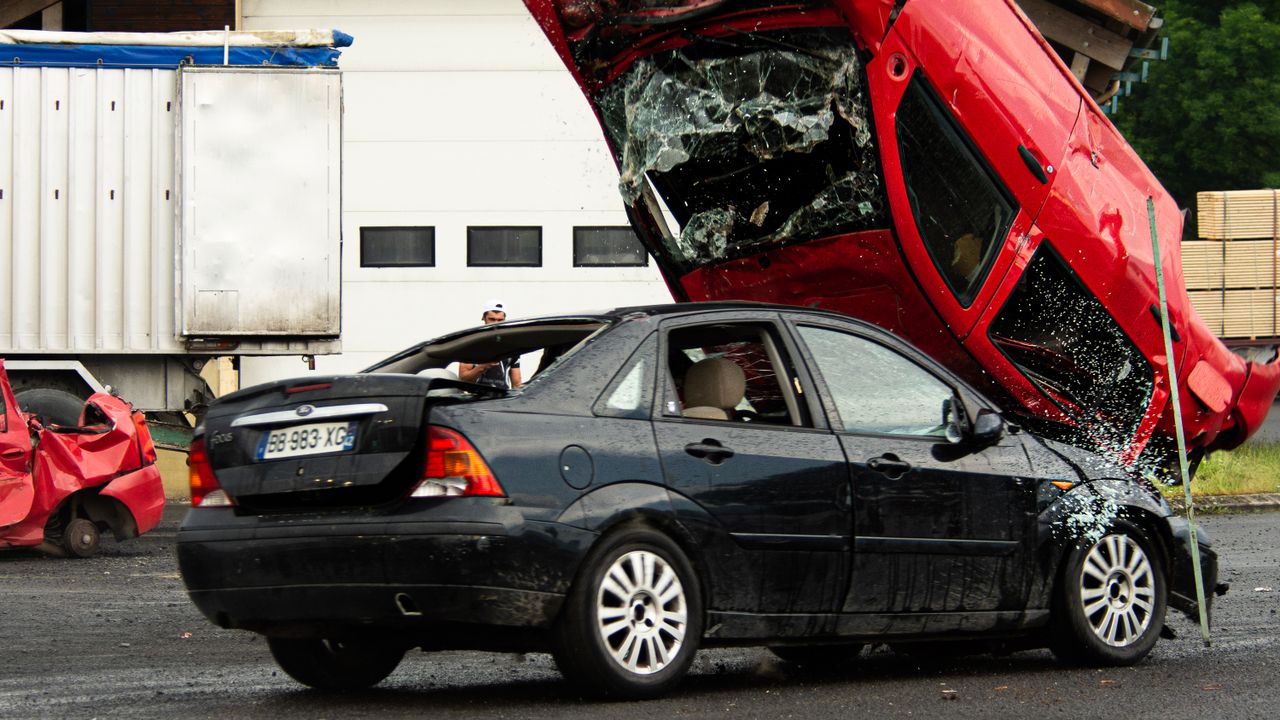
The hours and days after a serious collision are easy to overlook. You may be focused on medical care, car repairs, and calls from insurance adjusters. Meanwhile, some of the strongest evidence in your case may be disappearing.
Understanding what is at risk, and who can recover it, can help you protect a future injury claim.
Evidence That Can Vanish Fast
Crash evidence does not last. Some of it is gone within days, and some is lost to routine decisions made after the accident.
Marks and Debris at the Scene
Skid marks, yaw marks, and gouges in the pavement fade with traffic and weather. Debris is swept away. Once the scene is cleaned up, investigators lose valuable clues about speed, direction, and the point of impact.
Data Stored in the Vehicle
Most vehicles built since the early 2000s contain an event data recorder, often called a black box. It can store speed before impact, braking activity, throttle position, and airbag timing. That information can be overwritten, especially if the vehicle stays in use.
Commercial trucks may also carry GPS tracking and hard-braking alerts. Infotainment systems and smartphones can hold records of their own.
Video and Physical Damage
Surveillance and traffic camera footage is often deleted within days. Vehicles are repaired or scrapped, which erases crush patterns that show how force moved through the crash.
Who Recovers This Evidence?
This is the job of an accident reconstructionist. These experts use physics, engineering, and data analysis to rebuild how a collision happened.
Their work typically includes:
- Visiting the scene and measuring road grade and curvature
- Photographing skid marks and debris
- Inspecting vehicles for crush patterns and mechanical condition
- Reviewing police reports, 911 recordings, and medical records
- Downloading electronic data under strict chain-of-custody rules
Chain of custody matters because the opposing side will question how the data was handled. Careful documentation keeps the evidence credible.
Turning Evidence Into a Clear Story
Once the evidence is collected, the expert runs calculations and, when needed, computer simulations. Several methods may be used together:
- Skid and yaw analysis to estimate speed at impact
- Momentum analysis for crashes involving multiple vehicles
- Crush analysis compared against published crash test data
- Photogrammetry and finite element analysis for complex scenarios
When independent methods point to the same conclusion, the findings carry far more weight. The expert then builds a timeline, comparing the physical evidence against what drivers and witnesses said.
The result is often a written report, diagrams, and 3D models. Those materials can be used in settlement talks, mediation, or trial.
How This Helps an Injury Claim
Reconstruction can strengthen claims involving cars, motorcycles, commercial trucks, pedestrians, and rideshare vehicles. It can help establish fault when witness accounts clash with the physical evidence. It can also document behavior like speeding or distracted driving.
It can connect crash forces to specific injuries as well. That is useful when an insurer tries to downplay the harm or shift blame to the injured person. In wrongful death cases, it can help resolve disputed liability.
In negotiations, clear findings give attorneys leverage. In mediation, simulations help neutral parties understand what happened. At trial, the expert can explain complex physics in terms a jury can follow.
Which Cases Benefit Most?
Not every crash needs this level of analysis. It tends to matter most in:
- High-speed or multi-vehicle collisions
- Motorcycle crashes
- Pedestrian strikes
- Commercial vehicle wrecks
- Fatal accidents
It is also valuable when fault is contested or when the injured person cannot remember the crash because of trauma.
Steps That Protect Your Evidence
You do not need to be an expert to protect your case. A few practical steps can make a difference:
- Hold off on repairing or scrapping your vehicle until an attorney weighs in
- Keep your phone and any in-car data intact
- Note where cameras may have captured the crash, such as nearby businesses
- Save photos, medical records, and correspondence with insurers
- Talk to an attorney as early as possible
Most people cannot hire and coordinate an expert on their own. That is where legal help becomes important.
Getting the Right Legal Help
An experienced attorney knows when reconstruction is needed and how to bring an expert in before key evidence is lost. If you are looking for a car accident lawyer, ask how they work with experts and whether they act quickly to preserve evidence.
The right lawyer will match the expert to your case, whether it involves motorcycle dynamics, trucking regulations, or pedestrian visibility. Many of the top personal injury law firms in your area also manage police reports and discovery materials, then work the expert’s findings into demand letters and trial strategy.
If fault is being disputed after your crash, do not wait. Early action helps preserve the evidence and gives a reconstruction expert the chance to work while the details still matter.

