


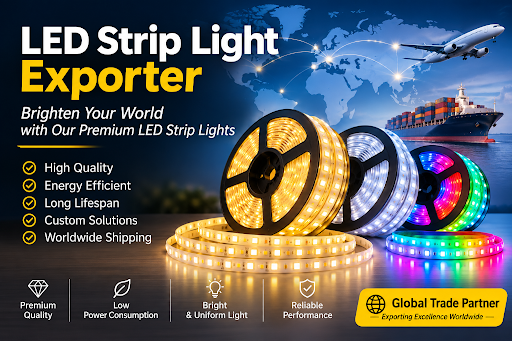
LED strip lights are used in a wide range of residential, commercial, and architectural projects. From decorative lighting in retail stores to illuminated building features and indoor displays, these products offer flexible solutions for different environments. As demand grows across international markets, buyers need to pay attention to product specifications, supplier reliability, and the requirements of their individual projects.
Working with a dependable LED Strip Lights exporter can help importers and distributors explore suitable products for their markets. However, choosing the right supplier involves more than comparing prices. Product variety, technical support, quality control, and communication are also important factors.
Understanding Different LED Strip Light Applications
Before sourcing products, buyers should identify how the LED strips will be used. Different applications require different product designs and technical features.
Residential Lighting
LED strips are commonly used in homes for ceiling coves, kitchen cabinets, furniture, shelves, and decorative interior details. Their flexible design allows them to fit into spaces where traditional lighting fixtures may not be suitable.
Warm white strips can create a comfortable atmosphere, while other color options can be selected for decorative installations.
Commercial and Retail Lighting
Retail stores use LED strips to highlight products, illuminate display cabinets, and create attractive interior details. Offices and commercial buildings can also use them in reception areas, corridors, ceilings, and architectural features.
The required brightness, color, and installation method should be considered before selecting a product.
Outdoor and Architectural Lighting
Outdoor projects may involve building outlines, pathways, signage, and landscape features. These installations require particular attention to environmental conditions.
Waterproof LED strip options, including products with IP65 and IP68 ratings, are available for applications that need protection against water and moisture. Buyers should confirm that the selected protection level is appropriate for the actual installation conditions.
Different LED Strip Technologies and Their Uses
Understanding product categories helps importers select suitable inventory for their customers.
2835 LED strips are used for general lighting applications, including rooms, shelves, and ceiling coves. High-density versions can provide a more continuous and uniform appearance.
5050 RGB LED strips are suitable for colorful decorative lighting in entertainment spaces, events, and display environments.
3014 LED strips feature an ultra-slim design that can be useful in narrow installation spaces and detailed lighting applications.
Silicone neon LED strips provide a flexible neon-style lighting effect. They can be considered for signage, façades, and decorative projects.
Each type serves a different purpose, so distributors should understand the intended application before deciding which products to import.
How to Evaluate Manufacturers of LED Strip Products
Selecting experienced manufacturers of LED strip products is an important step for importers, wholesalers, and project contractors. A suitable manufacturing partner should be able to explain its product range and provide clear technical information.
Here are several factors worth evaluating:
1. Product Range
A supplier with multiple LED strip options can support different customer requirements. Look for products covering general lighting, RGB decoration, waterproof applications, and architectural lighting.
A wider selection can also help distributors serve different market segments without depending on multiple suppliers.
2. Technical Specifications
Always review the product specifications before confirming an order. Important details include:
Input voltage and power consumption
LED type and quantity
Strip dimensions and cutting length
Available color temperatures and color options
Waterproof protection rating
Installation and connection requirements
These details help buyers determine whether a product is appropriate for a particular project.
3. Quality Control
Product consistency is important when purchasing LED strips in bulk. Differences in brightness, color appearance, or electrical performance can create problems when multiple strips are installed together.
Ask potential suppliers about their quality inspection procedures and whether product samples are available for evaluation before placing a larger order.
4. OEM and ODM Services
Some importers and distributors need products that match their own branding or project requirements. OEM and ODM services can be useful in these situations.
Buyers should discuss the available customization options, packaging requirements, and technical details directly with the supplier before confirming an order.
Why Power Supply Compatibility Matters
LED strip lights depend on suitable power supplies for reliable operation. Selecting an incompatible power source can affect performance and may contribute to flickering, overheating, or other electrical problems.
For example, a buyer should confirm whether the selected strip operates on DC12V or DC24V and choose a compatible power supply accordingly.
The total power requirement should also be considered when planning an installation. For outdoor projects, the protection of both the LED strip and its electrical connections should match the environmental conditions.
Distributors should provide accurate product information to their customers so that installation teams can select compatible components.
Building a Reliable International Supply Relationship
International buyers often need more than a one-time product purchase. They may require regular stock availability, technical assistance, clear communication, and dependable delivery arrangements.
Before starting a long-term business relationship, consider requesting samples, discussing order quantities, confirming production and shipping schedules, and reviewing payment terms.
It is also useful to maintain written records of agreed product specifications. This helps reduce misunderstandings when repeat orders are placed.
A supplier offering technical support, quality-focused processes, and customization services can make sourcing more manageable for distributors and project-based businesses.
Why Consider Shenzhen Dekingled Co., Ltd.?
Shenzhen Dekingled Co., Ltd. presents itself as a provider of LED lighting solutions for residential, commercial, and outdoor applications. Its product range includes several LED strip categories, such as 2835, 5050 RGB, 3014, high-density LED strips, and silicone neon lighting.
The company also highlights OEM and ODM services, research and development, quality control, and support for different lighting projects.
For buyers exploring LED lighting products, reviewing the available product information and discussing specific technical requirements directly with the supplier can help determine whether its solutions match their purchasing needs.
Final Thoughts
Sourcing LED strip lights internationally requires careful evaluation of product specifications, application requirements, and supplier capabilities. Buyers should look beyond price and consider product variety, quality control, technical support, and customization options.
By preparing clear purchasing requirements and evaluating potential suppliers before placing bulk orders, importers and distributors can make better sourcing decisions and develop more reliable supply relationships.

