


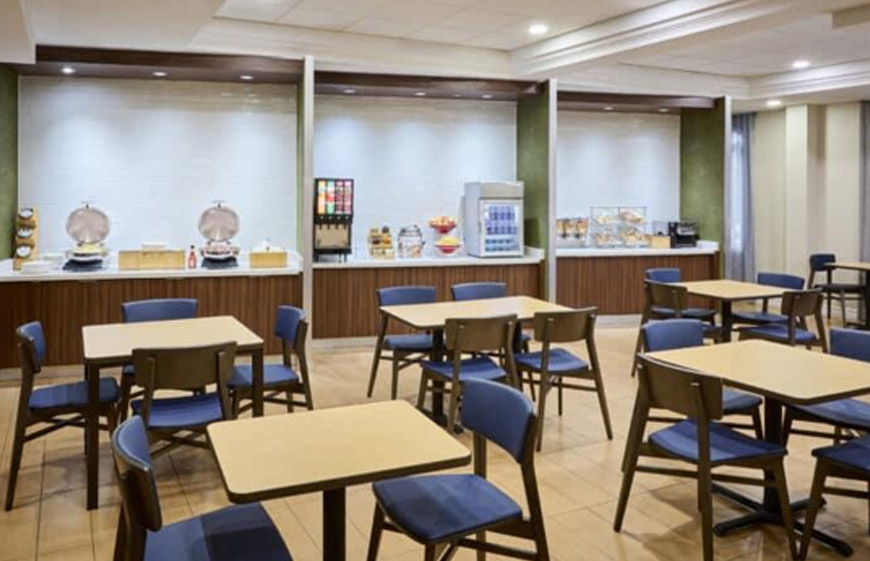
A hotel may allocate significant funds toward purchasing beautiful furniture and later realize that issues arise when customers use it. It starts with an unstable chair and continues with a table losing its finish and cabinets being damaged due to constant transportation. However, such problems have to do not only with visual appeal but also with safety, as well as higher maintenance costs and disruption of operations.
When the owners of the establishment, developers, and procurement staff make decisions regarding hospitality furniture safety standards, they should also understand the basic principles of furniture safety in hospitality. Furniture used in hospitality must be robust enough to endure constant operations and fulfill the set safety standards. Evaluating safety issues prior to purchase allows the hotel to avoid problems during installation and throughout the service life of the furniture.
Why Commercial Furniture Standards Matter for Hotels
Unlike home furniture, hotel furniture is exposed to multiple users on a daily basis. Chairs are put through repeated loading; drawers get opened several times daily; surfaces are always cleaned. What works well at home may experience fairly rapid deterioration in such a scenario.
Standards regulating commercial furniture assist hotels and buyers in determining what kind of furniture is fit to be used in designated locations. A case in point is a chair put in a hotel lobby which has a lot of people. On the other hand, guestroom furniture has to feature durable finishes, stability, and hardware of such quality that it will last a long.
Failure to comply with specified requirements may result in furniture getting more damaged than it should, frequent repairs and unexpected replacements. Not to mention inconveniences for guests and cleaning staff. When picking furniture that corresponds to the appropriate commercial criteria, hotels can tackle unnecessary issues with maintenance, avoid losses and create a necessary atmosphere for their staff and guests.
Which Safety Standards Should Hospitality Furniture Meet?
There is no single standard covering every piece of hotel furniture. Requirements depend on the furniture category, intended location, and applicable jurisdiction.
Understanding hospitality furniture safety standards helps procurement teams identify which specifications and supporting documents should be reviewed.
Four important areas deserve attention:
- Fire safety: Upholstered furniture, fabrics, and other materials may be subject to applicable fire requirements. In Canada, hotel teams should review locally adopted fire and building codes and request relevant material documentation.
- Structural stability: Chairs, tables, and storage units should demonstrate suitable strength and stability for their intended commercial use. Relevant testing may address repeated loading, joint strength, or tip resistance.
- Accessibility: Furniture placement and dimensions should support accessible guestrooms and circulation areas. Canada’s CSA/ASC B651:23 standard provides requirements for accessible built environments.
- Material safety: Surface finishes, adhesives, and manufactured wood products should be evaluated for applicable emissions requirements, durability, and compatibility with cleaning procedures.
Canada’s National Research Council publishes national model building and fire codes. However, project teams must confirm which editions and provisions apply in their province or municipality.
How Commercial Furniture Testing Differs From Residential Testing
Residential furniture is usually made for household purposes. Hospitality furniture has to be durable, since it is constantly in use by people, their luggage, housekeepers, etc.
Testing is supposed to cover the actual conditions rather than just the appearance of the item. For example, the desk in a hotel room can seem very strong when checked in a showroom, but in practice it has to maintain its quality during the process of exploitation.
When buying custom hospitality casegoods, hotel personnel have to review the shop drawings, material specifications, construction details, and supporting evidence. This is when the hospitality furniture safety standards are involved in the procedure of supplier assessment.
What Should Hotels Verify Before Approving Furniture Orders?
A sample of furniture may correspond to the approved concept but still have some unfavorable construction features in terms of regular hotel use.
In order to start mass production, it is necessary for the purchasing department to define quality acceptance criteria.
The practical analysis should consider the following items:
- Testing documents: Request existing test reports related to the furniture type being tested for structure, stability, or materials.
- Approved sizes: Compare furniture dimensions with the room layout, accessibility, or the necessary space for installation.
- Material and finishing: Check the samples for surface quality, the quality of the edge, the work of hardware, as well as suitability for cleaning purposes.
- Quality control points: Define the points of control as well as the manner in which defects are to be handled.
The inclusion of hospitality furniture safety standards during procurement is helpful for identifying possible issues arising before the start of production.
Building Safer Hotel Interiors Through Better Procurement
Choosing commercial furniture involves more than just enticing looks and cost-effective pricing. Having appropriate knowledge about the industry due standards, quality assessment of made goods and going through producers’ specifications significantly contributes to the process of decision-making. An organized procurement process leads to improved safety levels inside the premises, guaranteed operation of the furniture used and fewer unexpected needs for replacements.
Sorakai offers support for hospitality projects, making FF&E procurement, custom furniture production, coordination of suppliers, and quality control possible. The unique and efficient pre-packaging checking policy that Sorakai uses entails checking each furniture piece prior to shipment, allowing the project staff to be fully aware of the quality of the item. In addition, the experience gained from synchronized procurement and project management allows the hotel personnel to be more confident about the future installation.
Frequently Asked Questions
-
When is the right time to reassess furniture specifications for hotels?
Hotels must continuously refer to their hotel furniture specifications when planning renovations, brand changes and in case of repetitive maintenance problems that need to be addressed. Nothing can be said about the universal time for reassessment.
-
Can hotels apply different hotel furniture specifications for various categories of rooms?
They can. There are different requirements for size, material and features for rooms of different categories, such as suites, standard rooms, and premium accommodations, but all requirements must meet the project specifications.
-
What should be done if the materials approved by the manufacturer are no longer available?
The manufacturer is to offer the alternatives, including the new samples of materials, and the design team has to approve the materials where necessary before starting their production.

