


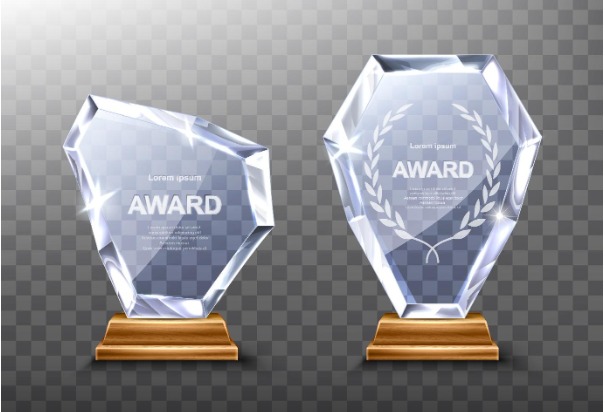
A crystal award is more than a symbol of appreciation. Its appearance, craftsmanship, and presentation all contribute to how recipients perceive the recognition. While the message engraved on an award explains why someone is being honored, its physical design helps make the moment memorable. Shape is one of the most noticeable design elements because it influences the award’s visual balance, style, and overall impression.
When selecting crystal awards, organizations often focus on engraving, size, and crystal quality. However, the shape deserves equal attention. A well-chosen design can reflect the importance of an achievement, complement an organization’s identity, and make the award something recipients genuinely enjoy displaying. From traditional columns to contemporary geometric designs, each shape creates a different visual experience.
Shape Creates the First Impression
The shape of an award is usually the first feature people notice. Before reading an engraved name or message, recipients see its outline, proportions, and overall structure. These details influence whether the award appears formal, modern, elegant, or creative.
For example, a tall rectangular crystal award often communicates professionalism and authority. Its clean lines make it suitable for corporate recognition, leadership achievements, and service milestones. On the other hand, curved or asymmetrical designs can create a more artistic impression. These shapes may work particularly well for creative accomplishments, innovation awards, and special events.
The right shape helps establish the tone of recognition before anyone reads the inscription.
Different Shapes Communicate Different Messages
Award shapes can carry visual meanings that make them more appropriate for certain occasions.
- Star-shaped awards: Often associated with excellence, outstanding performance, and exceptional contributions.
- Flame designs: Can represent passion, dedication, leadership, and motivation.
- Diamond shapes: Suggest quality, achievement, and distinction.
- Circular designs: Communicate unity, continuity, and teamwork.
- Rectangular awards: Offer a traditional, structured appearance suitable for professional recognition.
These associations are not fixed rules. An organization can choose any design that reflects its recognition goals. However, considering the message behind a shape can make the selection more meaningful.
Proportions Influence Visual Balance
An attractive award needs more than an interesting outline. Its proportions also matter. A design that is too narrow may appear fragile, while an unusually wide shape might look unbalanced on a desk or display shelf.
Height, width, thickness, and base size should work together to create a stable and visually pleasing structure. The base is particularly important because it supports the award while contributing to its presentation.
A carefully proportioned design also provides enough room for engraving. Names, company logos, dates, and recognition messages should remain readable without making the award look crowded.
Shape Affects Engraving and Personalization
Not every award shape offers the same engraving possibilities. Flat surfaces are generally convenient for displaying longer messages, while curved or angled surfaces may require more careful placement.
Organizations should consider the amount of information they want to include before choosing a design. A leadership award with a recipient’s name, achievement, and presentation date may need more engraving space than a simple appreciation gift.
The shape should support the personalization rather than compete with it. Clear lettering and thoughtful spacing help maintain the award’s elegance.
Matching the Design to the Occasion
The best shape depends partly on the event and the person receiving the recognition. A traditional corporate ceremony may call for a sophisticated rectangular or beveled design. An innovation competition might benefit from a more distinctive geometric form.
It is also worth considering where recipients are likely to display their awards. A compact design may suit an office desk, while a larger statement piece could be more appropriate for a reception area or executive office.
Organizations should balance visual appeal with practicality. An elaborate design is not automatically better if it makes the award difficult to display or personalize.
Quality Completes the Design
Even an attractive shape cannot compensate for poor craftsmanship. Precision-cut edges, polished surfaces, clear optical quality, and a stable base all contribute to the finished appearance.
The relationship between shape and material quality is important. Crystal interacts with light differently depending on its angles and cuts. A thoughtfully designed award can create attractive reflections and highlights, making its form more noticeable.
Ultimately, the shape should complement the material and engraving to create a cohesive presentation.
Key Takeaways
- The shape of a crystal award influences its first impression and overall visual appeal.
- Different shapes can communicate excellence, leadership, teamwork, and creativity.
- Balanced proportions improve stability, presentation, and display value.
- Engraving space should be considered when selecting an award shape.
- The best design combines an appropriate shape, quality craftsmanship, and meaningful personalization.

