


Most offices treat their walls as either practical or decorative, rarely both. One wall holds a cluttered noticeboard, another a framed print nobody looks at twice. Yet walls are the largest surfaces in any workplace, and with the right approach they can support daily work while giving the space a polished, considered look.
Making office walls both functional and stylish comes down to choosing features that solve a real problem and look good doing it. A wall that helps a team plan, communicate or concentrate earns its place, and when that same wall reflects the brand and suits the room, it lifts the whole workspace. The ideas below show how to achieve that balance in different parts of the office.
Ways to Make Office Walls Both Functional and Stylish
Here are five ways to give office walls a clear purpose without sacrificing style:
1. Turn Company Values Into a Design Feature
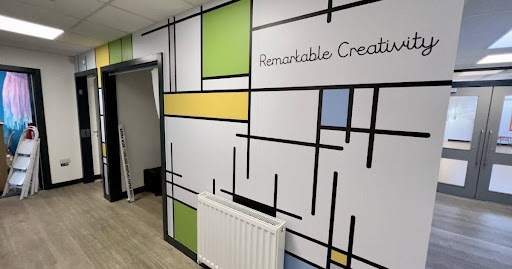
Functionally, a wall can keep a team aligned. Mission statements, core values and goals displayed where staff see them every day act as a constant reminder of what the business is working towards, and they tell visitors the same story without anyone saying a word.
Stylishly, the way those words are presented matters as much as the words themselves. Typography wall art turns a plain message into a striking visual, using bold lettering, brand fonts and careful spacing to create a focal point. Keeping the wording short means it reads at a glance, and placing it near the entrance or kitchen gives it maximum visibility.
2. Add a Chalk Surface for Everyday Planning
Every office needs somewhere to jot down ideas, reminders and quick plans. A blackboard sticker gives teams that space by turning a section of wall into a chalk surface, perfect for weekly menus, project countdowns, brainstorm notes or welcome messages for clients.
It also brings real character to a room. The deep matt black creates contrast against pale walls, and the sticker can be cut to fit alcoves, columns or framed panels so it looks intentional rather than improvised. Liquid chalk pens produce crisp handwriting with less dust, keeping the surface tidy and attractive between uses.
3. Create a Write-On Wall for Meetings
Meetings run more smoothly when everyone can see ideas taking shape. A whiteboard sticker applied directly to the wall offers a full-width writing area that replaces bulky freestanding boards, frees up floor space and gives teams room to map out plans in detail.
From a design point of view, it keeps meeting rooms clean and modern. A seamless gloss surface looks sleek when blank and blends in with contemporary interiors. Fit it at a comfortable writing height near the main table, and check that window light won’t create glare across the finish.
4. Use Acoustic Panels as Wall Décor
Noise is one of the most common complaints in open-plan offices. Acoustic panels absorb echo and background chatter, making calls clearer and helping staff focus on detailed work.
They no longer need to look industrial either. Printed or fabric-wrapped panels come in brand colours, patterns and custom images, and arranging them in grids or geometric shapes turns sound control into an eye-catching wall feature.
5. Build Storage Into the Wall Design
Wall-mounted shelving, pegboards and cabinets clear clutter from desks and keep essentials within easy reach. They make better use of vertical space, which is especially valuable in smaller offices. Pegboards also adapt as needs change, since hooks and trays can be moved in seconds.
Styled well, storage becomes part of the décor. Floating shelves can display awards, books or product samples, while wall planters add greenery that softens hard lines. Mixing open display with closed storage keeps the look neat and balanced, while hiding clutter and cables from visitors.
How to Keep the Balance Between Function and Style
Before making any changes, check these points:
- Start with the problem. Identify what each wall needs to do, whether that’s planning, display, noise control or storage, before thinking about looks.
- Match the brand. Colours, fonts and imagery should be consistent with signage, print materials and the website so every wall feels connected.
- Prepare the surface. Clean, smooth walls give stickers and films the best adhesion, so repair cracks and let fresh paint cure fully.
- Choose durable materials. Ask how each finish handles cleaning, sunlight and daily use so it stays looking good for longer.
Turning Every Wall Into a Workspace Asset
Functional and stylish office walls rarely happen by chance. They come from planning each space around how people actually use it, then choosing finishes that make those practical features look deliberate and on brand.
Walk through the office, note where staff need more space to write, plan or concentrate, and treat each wall as an opportunity rather than a backdrop. With a clear plan, every surface can support the team’s daily work while creating a workspace that clients and staff genuinely enjoy spending time in.

