


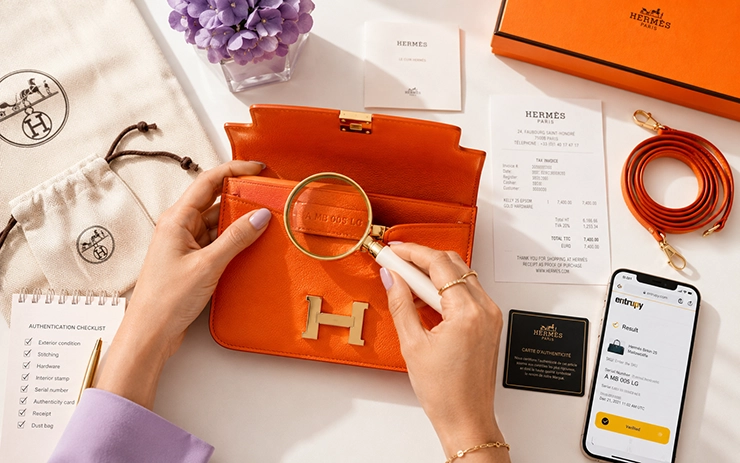
Vintage luxury has a particular appeal: older designs, discontinued collections and pieces with a sense of history can feel far more distinctive than something fresh off the current season’s rail. Yet buying online brings a natural concern. How can you tell whether the vintage luxury items are genuine?
For UK and GCC shoppers, a careful approach means looking beyond logos and paperwork. Construction, materials, production details, condition and seller information can all help build a clearer picture of authenticity.
Start With the Item’s Overall Construction
Authenticating vintage luxury fashion starts with the item itself.
Study how the piece has been made.
Look at the stitching, leather or fabric, lining, hardware, shape, proportions and finishing. Luxury houses tend to have recognisable standards of construction, although those standards can vary between decades and collections.
Pay attention to details that seem inconsistent.
Uneven stitching, poorly finished edges, lightweight hardware or materials that feel wrong for the claimed model can all warrant further investigation. That said, an older item should not be expected to look brand new. Creasing, patina, tarnishing and small marks can be perfectly natural signs of age.
Compare the item with reliable photographs of the same model and production period.
The goal is to see whether the individual details tell a consistent story rather than searching for one feature that supposedly proves an item is real or fake.
Check Brand-Specific Details and Production Era
A genuine vintage piece should make sense for its claimed production period. Logos, interior labels, hardware, fonts, date codes, serial numbers and hallmarks have changed over time, so the details found on a 1980s piece may look very different from those on a later model.
This is why vintage luxury authentication cannot depend on a single number or stamp. Counterfeiters can reproduce serial numbers, date codes and authenticity cards, while buyers can easily mistake a legitimate variation for a fake if they are unfamiliar with older collections.
Try to establish the approximate production era first, then compare the item’s identifying features with references from that period. Check whether the hardware, label style, materials and construction were actually used by the brand at the time.
Common Signs of a Counterfeit Luxury Handbag
A convincing counterfeit can look good in a few selected photographs; some may even be made well enough to pass as the real thing.
Check several details together when assessing luxury items online.
- Uneven stitching: Loose threads, inconsistent stitch lengths or visibly untidy seams can signal poor construction.
- Incorrect logos or fonts: Check the spacing, lettering, proportions and positioning against trusted examples of the same model.
- Poor-quality materials: Leather, canvas, lining and other materials should fit the construction and era associated with the handbag.
- Mismatched hardware: Compare the colour, weight, engraving, shape and finish of zips, clasps, chains and other metal parts.
- Suspicious serial numbers or date codes: These should make sense for the model and production period.
- Wrong interior details: Pockets, labels, lining patterns and stamps can differ between collections, so an unexplained mismatch deserves attention.
- Unusually low pricing: A dramatic price gap compared with comparable pieces can be a warning sign, especially if the seller provides little information.
- Inconsistent ageing: Look for combinations of old-looking materials with components that appear inconsistent with the claimed age.
Assess Condition, Materials and Signs of Wear
Condition plays two roles when buying vintage luxury fashion:
- It can help assess whether an item’s age appears plausible, and
- It can affect how desirable the piece is on the resale market.
Natural ageing can include softened leather, patina, minor scratches, faded finishes or tarnished metal. These signs do not automatically reduce authenticity. In some cases, they can add character to an older piece. More serious problems, such as major staining, structural damage, missing hardware or unsuitable repairs, can have a greater effect on value.
Ask whether the condition matches the item’s claimed history. A handbag described as decades old but showing completely inconsistent materials or replacement components deserves closer inspection.
Conditions should never be assessed in isolation. A rare design in fair condition may attract collectors, whereas a more common piece in excellent condition may appeal to a wider group of buyers. The right choice depends on whether the priority is collecting, wearing or future resale.
Verify the Provenance
A listing should provide enough information for you to assess what you’re purchasing, including clear photographs of important details and an honest description of condition.
- Look for information about where the item came from, how its authenticity was assessed and what happens if a buyer later has concerns. A clear returns policy can be particularly useful for an expensive purchase.
- Do not assume that an authenticity card, box or certificate settles the question. These accessories can support an item’s history, but they’re not necessarily proof that the handbag itself is genuine.
- Seller reputation matters, too. Look at independent customer feedback, how long the seller has operated and whether they are willing to answer reasonable questions. If photographs are limited, ask to see labels, stamps, hardware, stitching and other relevant details before purchasing.
Professional Authentication May be Worthwhile
Professional assessment becomes particularly useful when a piece is expensive, difficult to date or unusual for its brand. It can be harder to assess an obscure vintage model through general online guides, especially when production methods changed over several decades.
Vintage shopping is at its best when the history of the piece adds to its appeal rather than creating uncertainty about what you are buying. A little research before purchase can make that experience considerably more rewarding.

