


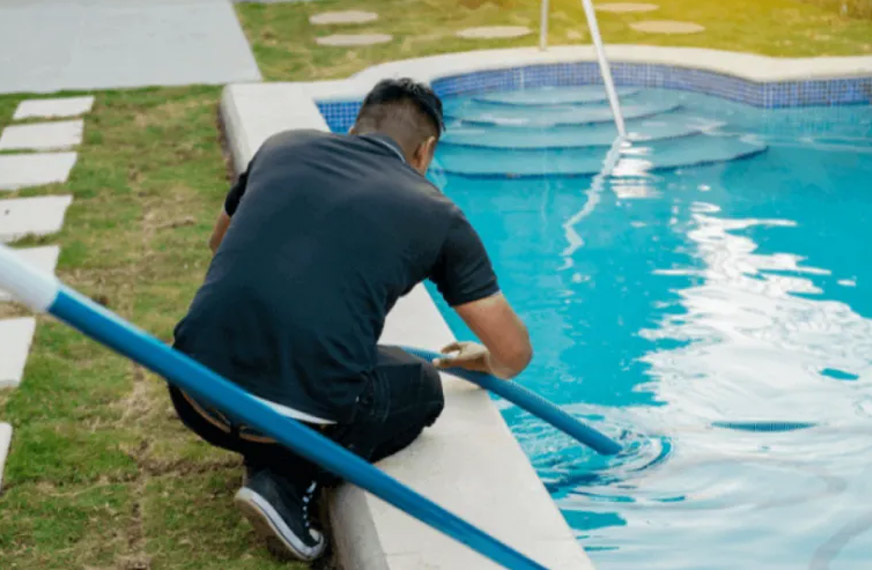
Maintaining clean and healthy swimming water requires more than simply adding chemicals to a pool. A complete maintenance routine involves proper circulation, filtration, water testing, cleaning, and regular inspection of mechanical equipment. Filtration is especially important because it helps remove suspended dirt, dust, oils, leaves, and other small particles that can make water appear cloudy. Pool filters work continuously as water moves through the circulation system, collecting unwanted material before cleaner water returns to the swimming area. Understanding how filtration works and learning the correct maintenance practices can help pool owners protect their equipment, improve water clarity, and reduce unnecessary operating problems.
Understanding the Importance of Proper Filtration
A swimming pool receives contaminants from many different sources, including weather, surrounding landscaping, swimmers, airborne dust, and organic material. Without effective filtration, these particles can remain suspended in the water and gradually affect its appearance and overall cleanliness. Pool filters provide an important mechanical barrier that captures many of these contaminants as water passes through the system. When the filter is maintained correctly, water can move efficiently through the circulation equipment while unwanted particles are removed. Proper filtration also works alongside chemical treatment, allowing the overall maintenance system to operate more effectively and consistently.
How the Filtration Process Works
The filtration process begins when the circulation pump draws water from the pool through skimmers and other intake points. The water then passes through the filter, where suspended particles are captured by the appropriate filtration media. After filtration, the cleaner water continues through the circulation system and returns to the pool through designated outlets. Pool filters can use different technologies, including cartridge elements, sand media, or specialized filtration materials. Although their designs vary, all filtration systems depend on adequate water flow and regular maintenance to perform effectively. A blockage or damaged component can reduce circulation and affect the entire system.
Understanding Different Filter Types
Swimming pools commonly use cartridge, sand, or diatomaceous earth filtration systems. Cartridge systems contain removable pleated elements that trap particles across a large surface area and can be cleaned periodically. Sand systems use specially selected filter media through which water passes, with accumulated debris removed through a backwashing process. Diatomaceous earth systems use a fine filtration material that can capture very small particles. Pool filters should be maintained according to their specific design because cleaning methods and service requirements differ considerably. Understanding the type of filter installed makes it easier to establish an appropriate maintenance routine and avoid procedures that could damage the equipment.
Maintaining Cartridge Filters
Cartridge filtration systems require regular inspection and cleaning because dirt gradually accumulates within the pleated material. As more debris becomes trapped, water resistance increases and circulation may become less efficient. The cartridge should be removed and rinsed carefully according to the equipment manufacturer’s recommendations. Pool filters with cartridge elements should not be cleaned with unnecessarily high water pressure because aggressive cleaning can damage the pleats and reduce filtration effectiveness. If a cartridge becomes cracked, torn, permanently damaged, or difficult to clean, replacement may be more appropriate than continued use. Proper handling can help extend the service life of a cartridge and maintain reliable water flow.
Caring for Sand Filtration Systems
Sand filtration systems require a different approach because the filter media remains inside the tank during normal operation. As contaminants accumulate within the media, water resistance increases and pressure may rise. Backwashing reverses the normal flow of water through the filter and carries accumulated debris away from the media. Pool filters that use sand should be backwashed according to pressure readings and manufacturer recommendations rather than simply following an arbitrary calendar schedule. Excessive backwashing can waste water and may unnecessarily disturb the filter media, while insufficient cleaning can reduce circulation performance. Regular inspection of valves, pressure gauges, and connections can also help maintain reliable operation.
Maintaining Fine Filtration Systems
Some filtration systems use very fine media designed to capture extremely small particles. These systems can provide excellent filtration but may require more careful maintenance procedures than simpler designs. The filtration material must remain at the appropriate level and should be replenished after cleaning when required. Pool filters using fine filtration media should always be operated according to their manufacturer’s specifications to avoid performance issues. Pressure should also be monitored because increasing resistance can indicate that the system needs cleaning. Proper care of internal grids, seals, valves, and housing components is equally important for preventing leaks and maintaining consistent filtration performance.
Recognizing Signs of a Dirty Filter
One of the most important parts of filter maintenance is recognizing when cleaning may be necessary. Increased pressure, reduced return flow, weaker circulation, cloudy water, or longer operating times can all indicate that a filter is becoming restricted. Pool filters should be monitored regularly rather than waiting until water quality becomes noticeably poor. A pressure gauge can provide valuable information when compared with the normal operating pressure of the system. If pressure remains unusually high after the filter has been cleaned, the problem may involve another part of the circulation system. Early identification can help prevent unnecessary stress on the pump and connected equipment.
Monitoring Water Pressure
Pressure readings provide a useful way to monitor changes in filtration performance. When debris accumulates within the filter, the resistance to water flow generally increases, which can cause the pressure reading to rise. A sudden or unusual pressure change may also point to a blocked line, incorrect valve position, circulation problem, or another equipment issue. Pool filters should therefore be monitored according to the normal operating range established for the specific system. Recording pressure readings during routine maintenance can help establish a useful baseline. When future readings differ significantly from that baseline, the change can provide an early indication that inspection or cleaning may be necessary.
Keeping the Filter Housing in Good Condition
The filter itself is only one part of the complete filtration assembly. The housing, lid, clamps, seals, valves, pressure gauge, and plumbing connections all need to remain in suitable condition. Cracks or damaged seals can allow water to escape and may reduce system pressure. Loose connections can also cause leaks or allow air to enter the circulation system. Pool filters should be inspected whenever routine cleaning is performed so that visible deterioration can be identified early. Replacing a worn seal or damaged small component can sometimes prevent a much larger equipment problem. Careful inspection is therefore an important part of long-term filtration maintenance.
Improving Overall Water Circulation
Filtration depends on adequate circulation, which means the pump, plumbing, valves, skimmers, returns, and filter all need to work together. A filter may appear to be functioning normally while another component is restricting water flow. Pool filters should therefore be evaluated as part of the entire circulation system whenever water movement changes. Pump baskets should be kept clear, valves should be positioned correctly, and suction lines should be checked when circulation becomes weaker. Air entering the system can also reduce pump performance and may create unusual sounds or bubbles. Looking at the complete system can make troubleshooting more accurate and effective.
Avoiding Common Maintenance Mistakes
Improper maintenance can reduce filtration efficiency and shorten the life of equipment. One common mistake is cleaning cartridge elements too aggressively, which can damage the filter material. Another is backwashing sand systems too frequently or ignoring pressure changes for too long. Pool filters should always be maintained according to the type of equipment installed rather than using one cleaning method for every system. Harsh or unsuitable cleaning products may also damage certain materials and seals. Reading the equipment instructions and following recommended procedures can help avoid unnecessary wear and maintain reliable performance. When a maintenance task is unfamiliar or technically complicated, professional assistance may be appropriate.
Maintaining Proper Water Chemistry
Mechanical filtration and chemical treatment perform different but complementary functions. Filtration removes many physical particles, while appropriate chemical treatment helps control microorganisms and maintain suitable water conditions. Poor water chemistry can contribute to scale, corrosion, deposits, or other problems that may affect filtration and circulation equipment. Pool filters can perform more effectively when water chemistry is regularly tested and properly managed. Keeping the water balanced can also reduce unnecessary buildup on equipment and surfaces. A complete maintenance routine should therefore combine mechanical filtration with appropriate testing, cleaning, circulation, and chemical management rather than relying on any single method.
Protecting Filters From Excessive Debris
The amount of material entering a pool can vary depending on weather, landscaping, usage, and surrounding conditions. Leaves, grass, dirt, insects, and other debris can increase the workload placed on the filtration system. Skimmer baskets should be checked regularly because a heavily loaded basket can restrict water entering the pump. Pool filters also benefit when large debris is removed from the water before it reaches the filtration media. Regular surface cleaning and appropriate debris management can reduce the amount of material that accumulates inside the filter. This can help maintain better circulation and extend the time between major cleaning procedures.
Knowing When Replacement Is Necessary
Even with careful maintenance, filter components eventually reach the end of their useful life. Cartridge elements may become worn or damaged, sand media may lose effectiveness, and internal filtration grids may deteriorate. Pool filters may need replacement when cleaning no longer restores normal pressure and water flow or when physical damage becomes extensive. Continuing to use severely damaged filtration components can reduce water quality and place additional stress on the circulation system. Replacement decisions should consider the condition of the component, maintenance history, equipment age, repair costs, and expected future performance. A professional assessment can be helpful when it is unclear whether repair or replacement is more practical.
Choosing Suitable Replacement Components
When replacement becomes necessary, compatibility should be a primary consideration. Filter elements and other components should match the specifications of the existing equipment, including dimensions, flow capacity, connection requirements, and manufacturer recommendations. Pool filters should not be selected solely according to appearance or price because an incompatible component may create circulation problems. Reviewing the equipment model and technical specifications can help ensure that the replacement is appropriate. Using compatible components can support efficient operation and reduce the likelihood of repeated maintenance issues. Professional advice can also be useful when replacing an entire filtration system or making major changes to the circulation setup.
Creating a Regular Maintenance Schedule
A consistent maintenance schedule can make pool care more predictable and reduce the risk of unexpected equipment problems. Routine tasks may include checking pressure, inspecting the filter housing, cleaning the appropriate filter media, examining valves, checking pump baskets, and observing water flow. Pool filters should be maintained according to their type, workload, and environmental conditions. A heavily used pool or one exposed to substantial debris may require more frequent attention than a lightly used system. Keeping a simple maintenance record can also be valuable because it allows owners to track cleaning dates, pressure changes, replacement parts, and recurring problems over time.
When Professional Assistance Is Appropriate
Many basic maintenance tasks can be performed by knowledgeable pool owners, but complicated problems may require professional assistance. Persistent leaks, unexplained pressure changes, damaged internal components, unusual circulation behavior, or recurring water-quality problems can indicate issues that are difficult to diagnose without appropriate tools. Pool filters are connected to pumps, valves, plumbing, and other equipment, so a problem that appears to involve the filter may actually originate elsewhere. A qualified technician can inspect the complete system and determine the likely source of the problem. Professional assistance can also be useful when installing replacement equipment or modifying an existing filtration setup.
Extending the Life of Filtration Equipment
The useful life of a filtration system can often be extended through consistent maintenance and careful operation. Regular cleaning prevents excessive buildup, while pressure monitoring helps identify restrictions before they become severe. Pool filters should also be protected from operating conditions that exceed their recommended capacity. Avoiding unnecessary strain on the pump, maintaining suitable water chemistry, and addressing leaks promptly can reduce wear on connected components. Regular inspection also makes it easier to replace small worn parts before they cause larger failures. A proactive approach to maintenance can support more reliable operation and potentially reduce long-term ownership costs.
Final Thoughts
Effective filtration is one of the most important parts of maintaining clean, clear, and properly circulated swimming water. Pool filters capture suspended particles and work alongside pumps, plumbing, chemical treatment, and other equipment to maintain overall water quality. Understanding the differences between cartridge, sand, and fine-media filtration systems allows pool owners to follow maintenance procedures that match their equipment. Regular pressure monitoring, proper cleaning, timely replacement, and attention to warning signs can help prevent avoidable problems. With a consistent maintenance routine and professional support when necessary, a well-maintained filtration system can provide dependable performance and contribute to a cleaner, more enjoyable swimming environment.

