


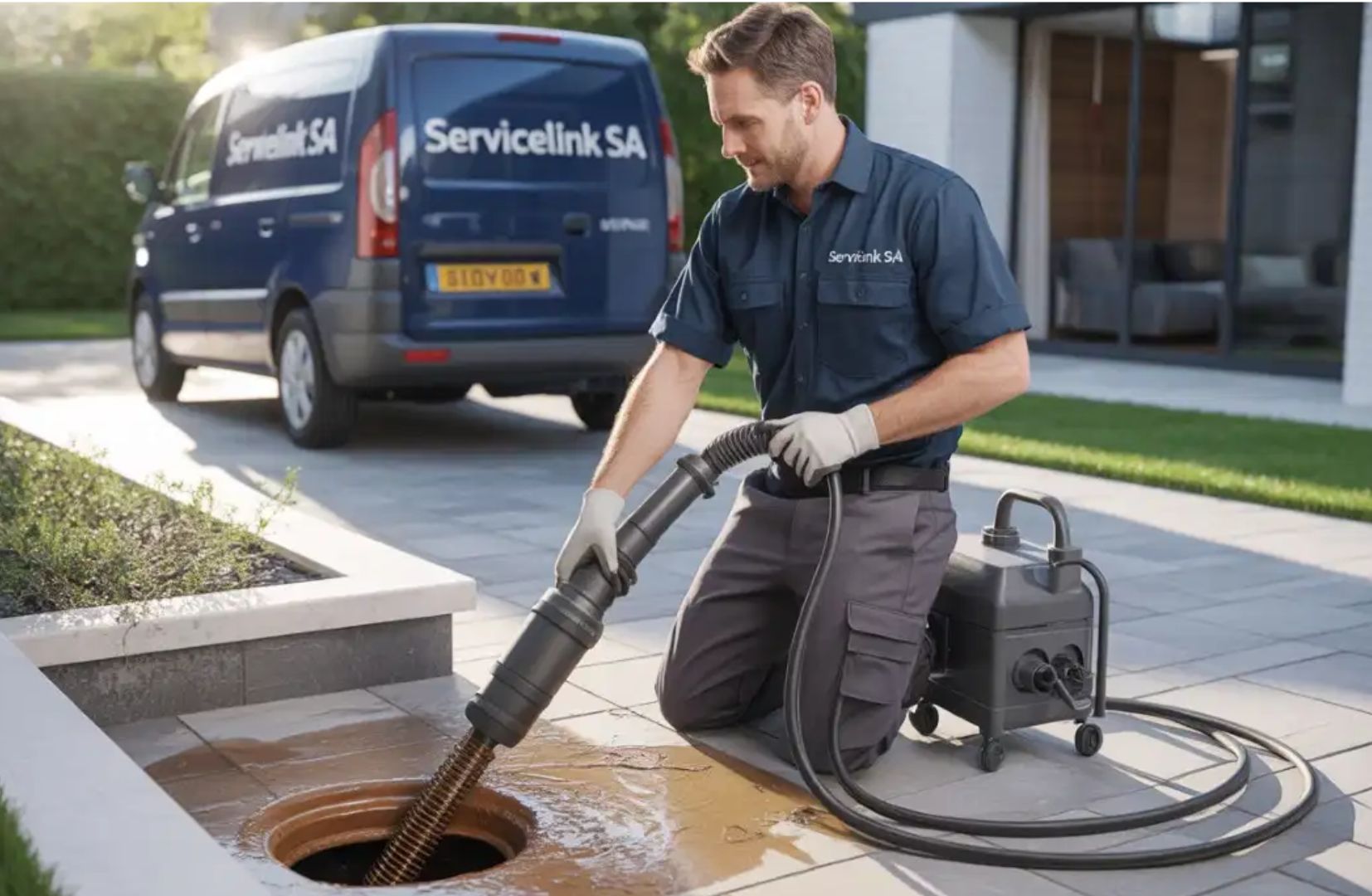
A properly functioning drainage system is one of the most important yet often overlooked parts of any property. Every day, sinks, showers, bathtubs, toilets, appliances, and other plumbing fixtures depend on clear pipes to move wastewater away efficiently. When debris begins accumulating inside a drainage system, water flow can gradually become restricted, eventually leading to slow drains, unpleasant odors, standing water, recurring blockages, or complete backups. These issues can interfere with everyday activities and may become more complicated when they are ignored for too long. Regular drain cleaning can help remove accumulated debris, improve water flow, and reduce the likelihood of serious drainage problems. Understanding how drains become blocked, recognizing early warning signs, learning about professional cleaning methods, and following practical maintenance habits can help property owners protect their plumbing systems and avoid unnecessary disruptions.
Why Drainage Systems Become Blocked
Drain blockages usually develop gradually as different materials accumulate inside pipes. In kitchen drains, grease, cooking oils, food particles, and soap residue can stick to the interior walls of pipes. As more material collects, the opening through which wastewater travels becomes smaller, eventually slowing drainage.
Bathroom drains commonly experience different types of buildup. Hair, shampoo, soap, shaving products, and other personal-care materials can combine inside the pipe and form stubborn obstructions. Even when a drain appears to work normally, a considerable amount of buildup may already be developing below the surface.
Outdoor drains can collect leaves, dirt, mud, and other debris, while laundry drains may be affected by lint, detergent residue, and other materials. Older plumbing systems can have additional challenges because pipes may have corrosion, mineral deposits, damaged joints, or irregular interior surfaces that make accumulation easier.Knowing what is entering a drain is therefore an important part of preventing blockages.
Early Warning Signs of Drain Problems
Drainage problems rarely appear without warning. A slow-moving drain is often one of the earliest signs that something is restricting water flow. If water takes noticeably longer than usual to disappear from a sink, tub, or shower, there may already be a developing obstruction.
Unpleasant smells can also indicate buildup inside the pipes. Organic debris can collect and begin producing odors, particularly when it remains trapped in a damp environment.
Gurgling or bubbling sounds may suggest that air and water are struggling to move through a partially blocked pipe. If multiple fixtures begin draining slowly at the same time, the issue may involve a larger section of the plumbing system rather than one individual drain.
Water backing up into a sink, bathtub, shower, or floor drain is a more serious warning sign. At that point, continued use of the plumbing may make the situation worse and professional assessment may be appropriate.
The Importance of Regular Maintenance
Many property owners wait until a drain becomes completely blocked before taking action. Although emergency service can resolve an immediate problem, preventive maintenance may reduce the frequency of severe blockages.
Regular maintenance focuses on removing developing buildup before it becomes a major obstruction. It can also provide an opportunity to identify other plumbing concerns, such as damaged pipes, recurring blockages, poor drainage design, or tree-root intrusion.
The appropriate maintenance schedule depends on how a drainage system is used. Properties with large households, busy kitchens, older plumbing, or heavy commercial use may experience buildup more quickly.
Rather than relying on a fixed schedule for every property, owners should consider the age and condition of the plumbing, the type of waste entering the drains, and the frequency of previous blockages.
Kitchen Drain Problems
Kitchen sinks are particularly vulnerable to buildup because food preparation produces materials that can enter the drainage system. Grease and cooking oil are especially problematic because they may remain liquid when warm but become thicker as they cool inside pipes.
Food particles can combine with grease and other residue, creating a sticky layer along pipe walls. Over time, this layer can restrict the passage available for wastewater.
A sink strainer can help prevent larger food particles from entering the drain. Grease should also be collected and disposed of appropriately instead of being poured down the sink.Garbage disposals, where installed, should be used according to the manufacturer’s recommendations. They do not make it appropriate to send every type of food waste into the plumbing system.
These simple habits can reduce the amount of material that eventually requires professional attention.
Bathroom Drain Problems
Bathroom drains frequently collect hair and soap residue. Hair can become trapped around drain openings and combine with other substances to form dense clogs.
Regularly removing visible hair and using a suitable drain strainer can reduce the amount entering the plumbing system. However, once material has traveled deeper into the pipe, removing it may require specialized equipment.
Chemical products are sometimes marketed as quick solutions, but they may not be appropriate for every plumbing system or type of blockage. Some products can also create safety concerns when handled incorrectly or combined with other chemicals.
If a drain repeatedly becomes slow despite routine cleaning, the problem may be deeper in the plumbing system and should be professionally evaluated.
How Professional Drain Cleaning Works
Professional drain cleaning generally begins with an assessment of the drainage problem. A plumber may ask about the symptoms, identify which fixtures are affected, and determine whether the blockage appears isolated or connected to a larger section of the system.
Depending on the circumstances, professionals may use drain snakes, augers, hydro-jetting equipment, inspection cameras, or other specialized tools.
A mechanical auger can help break through or retrieve certain types of obstructions. Hydro-jetting uses pressurized water to clean deposits from the interior of suitable pipes, although it is not appropriate for every plumbing condition.
Inspection cameras can provide valuable information when a blockage repeatedly returns or when there is concern about damaged pipes, roots, or other structural problems.The equipment and method should be selected according to the plumbing system and nature of the obstruction rather than applying the same technique in every situation.
Mechanical Drain Snaking
A drain snake, also called an auger, is a common tool for addressing blockages. The equipment uses a flexible cable that can travel through sections of pipe and interact with an obstruction.
Depending on the type of equipment, the cable may break apart the blockage, retrieve debris, or create a pathway through which water can begin flowing again.
Mechanical snaking can be effective for many localized obstructions, but it does not necessarily remove all residue from pipe walls. If grease, mineral deposits, or other buildup remains, the drain may gradually become restricted again.For recurring problems, additional inspection may be necessary to determine why the blockage continues to develop.
Hydro-Jetting for Heavy Buildup
Hydro-jetting is a more intensive cleaning technique that uses high-pressure water to remove certain types of buildup from appropriate plumbing lines. It can be particularly useful when pipes contain substantial grease, sludge, mineral deposits, or other accumulated material.
The process should be performed by a trained professional because pressure must be appropriate for the condition and construction of the pipes. Older, damaged, or fragile plumbing may not be suitable for aggressive cleaning.
Before hydro-jetting, the plumbing system should be evaluated to determine whether the method is appropriate.When correctly applied, the technique can clean a larger portion of the pipe interior rather than simply creating a narrow opening through an obstruction.
The Role of Camera Inspections
When a blockage is recurring or difficult to locate, a plumbing camera can provide information that traditional methods may not reveal. A small camera can travel through the pipe and transmit images of the interior.
This may help identify accumulated debris, cracks, collapsed sections, root intrusion, corrosion, or other abnormalities.
Camera inspection can also reduce unnecessary excavation or guesswork because the plumber can better understand where a problem is located.For older plumbing systems or properties with repeated drainage failures, this type of inspection can be especially useful when determining whether the issue is caused by buildup or a more significant structural problem.
Tree Roots and Drainage Problems
Tree roots can sometimes enter underground drainage pipes through small cracks or joints. Once inside, roots may continue growing and create a physical obstruction.
Root intrusion can cause recurring backups, slow drainage, and damage to underground plumbing. If roots are suspected, repeatedly clearing the immediate blockage may provide only temporary relief.
A camera inspection can help determine whether roots are present and whether the pipe has other structural damage.The appropriate solution may involve removing the roots, repairing or replacing damaged sections, or addressing the conditions that allowed root intrusion to occur.
Mineral and Scale Buildup
Water containing dissolved minerals can contribute to deposits forming inside plumbing over time. These deposits may gradually reduce the internal diameter of pipes and restrict water flow.
Scale buildup can be particularly problematic in older plumbing systems. In some cases, conventional snaking may not fully remove the deposits.Professional assessment can help determine the type and extent of buildup. Depending on the pipe material and condition, specialized cleaning or replacement may be considered.
Addressing mineral buildup early can help prevent severe restrictions and recurring drainage problems.
Why Repeated Clogs Should Not Be Ignored
A drain that becomes blocked repeatedly may indicate a deeper issue. Simply clearing the same obstruction each time can leave the underlying cause unresolved.
Recurring blockages may result from improper pipe slope, damaged plumbing, root intrusion, excessive buildup, collapsed sections, or a problem farther along the drainage line.
If multiple fixtures back up simultaneously, the issue may involve a main drain rather than an individual fixture.A professional inspection can help determine whether the problem is localized or part of a larger drainage-system failure.
Drain Cleaning and Hygiene
Blocked drains can create unpleasant and unhygienic conditions. Standing wastewater may contain organic material and other contaminants that should not remain in living or working spaces.Slow drains can also allow residue to accumulate, contributing to odors and unsanitary surfaces.
Keeping drainage systems clear supports better wastewater movement and can make kitchens, bathrooms, utility areas, and other spaces easier to maintain.
When a backup occurs, contaminated water should be handled carefully, particularly when it has overflowed onto floors or other surfaces.
Commercial Drain Maintenance
Commercial properties can experience heavier drainage demands than residential buildings. Restaurants, offices, retail facilities, industrial spaces, and other businesses may have larger numbers of fixtures and higher wastewater volumes.
Food-service operations can face particularly significant grease and food-debris challenges. Regular maintenance can help reduce the possibility of unexpected backups that interrupt operations.
Commercial properties may benefit from scheduled inspections and maintenance based on actual usage patterns.A proactive program can also help identify developing issues before they cause downtime, property damage, or disruptions for customers and employees.
Preventing Drain Blockages
Prevention begins with controlling what enters the plumbing system. Grease, oils, coffee grounds, food scraps, wipes, paper products not designed for flushing, and other unsuitable materials should be kept out of drains.
Hair catchers can be useful in bathrooms, while sink strainers can help limit food debris in kitchens.Regularly cleaning visible drain openings can also reduce buildup. Property owners should address slow drainage promptly rather than waiting for complete blockage.
It is also important to understand that products labeled as flushable are not necessarily appropriate for every plumbing system or sewer configuration. Following plumbing and product guidance can reduce unnecessary strain on drainage lines.
Choosing a Professional Plumbing Service
When professional assistance is needed, property owners should consider experience, licensing requirements, insurance, equipment, communication, and the scope of service offered.
A reputable plumber should be willing to explain the suspected cause of the blockage and recommend an appropriate solution.
Property owners should also ask whether the quoted service includes inspection, clearing, cleanup, and any necessary follow-up work.If a blockage is recurring, it is useful to request an explanation of why the problem may be returning rather than simply receiving another short-term clearing service.
Clear communication can help property owners understand the condition of their drainage system and make informed maintenance decisions.
Understanding Drain Cleaning Costs
The cost of drain cleaning can vary depending on the location and severity of the blockage, accessibility of the plumbing, type of equipment required, and whether additional inspection or repair is necessary.
A simple localized obstruction may require less work than a main-line blockage or a drainage problem involving roots and damaged pipes.Hydro-jetting, camera inspection, excavation, pipe repair, and replacement can add to the overall project cost when they are necessary.
Property owners should request a clear explanation of the proposed work and any additional services before authorizing extensive repairs.
The cheapest initial service is not always the most practical long-term solution if the underlying cause of a recurring blockage remains unresolved.
Common Drain Maintenance Mistakes
One common mistake is pouring grease or cooking oil into kitchen sinks. Even when it appears to flow away initially, it can accumulate farther inside the drainage system.
Another mistake is flushing unsuitable materials down toilets. Items that do not break down readily can contribute to blockages farther along the plumbing line.
Using excessive amounts of chemical drain cleaners can also create problems. These products may not be appropriate for all pipes, and improper handling can create safety risks.Ignoring slow drainage is another frequent mistake. A partially blocked drain may eventually become completely obstructed.
Finally, repeatedly treating symptoms without investigating recurring problems can allow structural issues to remain hidden.
When Professional Help Is Appropriate
Professional assistance is especially appropriate when a drain is completely blocked, multiple fixtures are backing up, wastewater is overflowing, or a blockage repeatedly returns.
It is also advisable when there are signs of underground pipe problems, such as unexplained drainage changes, recurring backups, or suspected root intrusion.Property owners should be cautious about attempting complicated repairs without understanding the plumbing layout. Incorrect methods can damage pipes or push an obstruction deeper into the system.
A qualified professional can determine whether the issue can be resolved through cleaning or whether repair or replacement is necessary.
Building a Long-Term Drainage Maintenance Plan
A long-term plumbing maintenance plan should include regular observation of drains throughout the property. Property owners should pay attention to changes in drainage speed, unusual odors, gurgling, and recurring backups.
Kitchen and bathroom drains should be kept free of unnecessary debris, while outdoor drainage areas should be checked for dirt, leaves, and other obstructions.
For properties with a history of blockages, periodic professional inspections may help identify developing issues before they become emergencies.The maintenance schedule should reflect the property’s age, plumbing design, usage level, and history of drainage problems.
Final Thoughts
Effective drain cleaning is an important part of maintaining a reliable plumbing system. Drains can become restricted because of grease, food particles, hair, soap residue, mineral deposits, roots, and other materials that accumulate inside pipes. Recognizing warning signs such as slow drainage, unpleasant odors, gurgling sounds, and recurring backups can help property owners address problems before they become more disruptive.
Professional cleaning methods can vary according to the type of blockage and condition of the plumbing. Mechanical augers may be suitable for certain obstructions, while hydro-jetting can address heavier buildup in appropriate pipes. Camera inspections can provide additional information when blockages repeatedly return or when structural damage is suspected.
Prevention is equally important. Keeping grease, oils, unsuitable waste, and excessive debris out of drains can reduce the amount of material entering the plumbing system. Strainers and hair catchers can provide an additional layer of protection, while prompt attention to slow drains can prevent minor restrictions from becoming major blockages.
For homes and businesses alike, maintaining clear drainage lines supports sanitation, convenience, and reliable plumbing performance. When professional drain cleaning is needed, choosing a qualified provider who can identify the cause of the problem rather than simply treating the immediate symptom can provide a more useful long-term solution. With sensible maintenance, timely inspections, and appropriate professional care, property owners can help keep their drainage systems functioning efficiently and reduce the likelihood of unexpected plumbing emergencies.

