


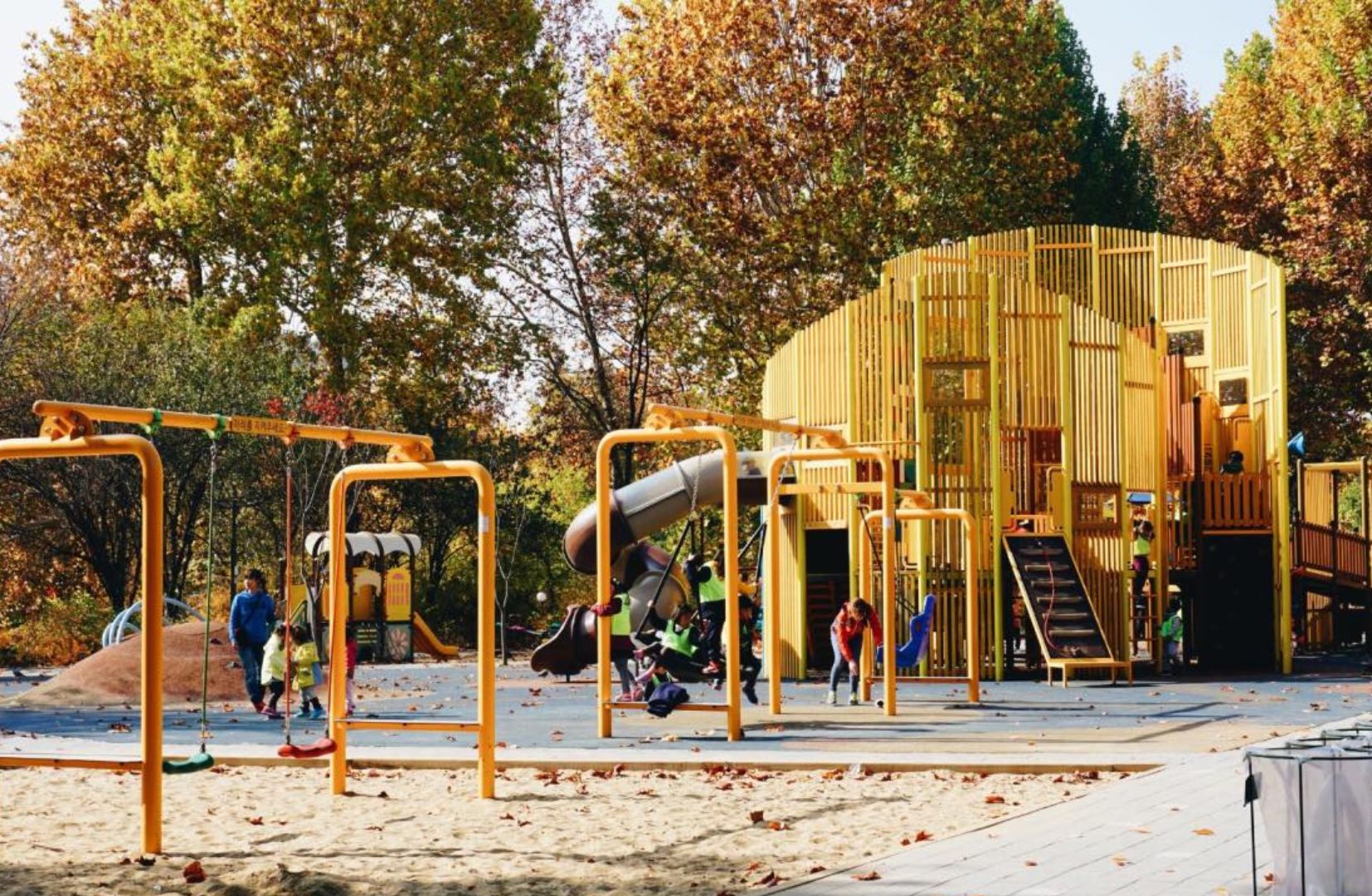
A well-designed play area can become one of the most valuable features in a community, school, childcare setting, or family recreation space. Playgrounds are more than collections of slides, swings, climbing structures, and interactive features. They are environments where children can develop physical abilities, practice communication, explore creativity, gain confidence, and learn how to make decisions independently. When a play space is planned carefully, every element can contribute to a child’s development while creating an inviting environment where children genuinely want to spend time.
Choosing suitable playground equipment requires more thought than simply selecting attractive structures. Age range, available space, safety requirements, accessibility, durability, maintenance needs, and the types of activities children enjoy should all influence the final design. A successful playground balances challenge with safety and variety with simplicity. It should provide opportunities for active movement while also giving children places to pause, imagine, socialize, and explore at their own pace.
Understanding the Purpose of a Modern Playground
Play is a natural part of childhood, but the environment surrounding that play can influence how children interact with the world. A thoughtfully designed playground encourages movement, experimentation, social interaction, and imaginative activity. Children may climb to improve strength and coordination, swing to develop balance, or navigate different structures while learning to assess manageable challenges. These experiences can support physical and cognitive development without making the environment feel like a formal learning space.
Modern play areas can also be designed around different styles of play. Some children enjoy energetic activities that involve running, climbing, jumping, and balancing. Others prefer imaginative games, interactive panels, sensory experiences, or quieter forms of exploration. Providing a mixture of activities makes a playground more inclusive because children can choose experiences that match their interests and abilities.
A well-planned environment can also encourage children to interact with one another. Shared climbing structures, group games, imaginative play features, and seating areas create natural opportunities for communication. Children learn to take turns, negotiate rules, cooperate on games, and respond to other people’s ideas. These social experiences are an important part of growing independence and confidence.
Selecting Equipment According to Age and Development
Children of different ages have different physical abilities, interests, and perceptions of risk. For that reason, a playground should not be designed around a single type of user. Equipment should be selected according to the developmental stages of the children who will use the area.
Younger children generally benefit from simple structures that allow them to explore movement gradually. Low climbing elements, small slides, interactive activities, sensory components, and appropriately designed swings can provide opportunities to develop coordination without introducing challenges that exceed their abilities. Clear visibility is also valuable because younger children often need closer supervision.
Older children may look for greater physical challenges. Taller climbing structures, more complex pathways, balance elements, overhead activities, and imaginative play zones can provide additional opportunities for movement and exploration. The goal is not to make every activity difficult, but to provide different levels of challenge so that children can gradually develop their abilities.
Age-appropriate design also helps prevent a playground from becoming repetitive. When children encounter activities that match their developmental stage, they are more likely to remain engaged and return to space. A good play environment should therefore offer progression, allowing children to move from simpler activities toward more demanding ones as their confidence and skills develop.
Safety Should Be Part of the Design
Safety should be considered from the earliest stage of playground planning rather than treated as an afterthought. The structure itself, the surrounding surface, the spacing between activities, visibility, access routes, and maintenance procedures can all affect the safety of a play environment.
One important consideration is the surface beneath and around elevated equipment. Suitable impact-absorbing surfaces can help reduce the severity of injuries resulting from falls. The appropriate surface depends on the type of structure, its height, the surrounding environment, and applicable safety requirements. The surface should also be installed and maintained properly because a material that is suitable in theory may become less effective if it is damaged, displaced, compacted, or poorly maintained.
Equipment should be positioned with appropriate spacing so children can move between activities without unnecessary obstacles or conflicts. Designers should also consider how children enter and exit structures, where they may naturally run, and how different activities interact with one another. Good visibility can help parents, teachers, and supervisors observe children more easily.
Regular inspection is equally important. Even well-manufactured structures can experience wear over time because of frequent use, weather, and environmental conditions. Bolts can loosen, surfaces can deteriorate, and moving components can require attention. Establishing a consistent inspection and maintenance routine helps identify problems before they become serious.
The Importance of Durable Materials
Playgrounds are exposed to constant use and changing environmental conditions. Materials therefore need to withstand repeated physical activity while remaining practical to maintain. The choice of materials can influence appearance, longevity, maintenance requirements, and overall performance.
Metal components can provide strength and structural stability when properly designed and protected against corrosion. Plastic components can offer versatility and colorful designs, while certain engineered materials can provide useful combinations of durability and low maintenance. Wood can create a natural appearance and can be appropriate when it is properly treated and maintained for outdoor use.
Material selection should always consider the specific environment. Sun exposure, moisture, temperature changes, heavy usage, and local environmental conditions can all influence how materials perform over time. A visually appealing material is not necessarily the most practical choice if it requires excessive maintenance or deteriorates quickly.
Durability is also connected to long-term value. Purchasing inexpensive equipment that requires frequent repairs can ultimately be more costly than investing in well-designed structures that are built for repeated use. A careful assessment should therefore consider the expected service life, replacement requirements, maintenance schedule, and availability of replacement components.
Creating Opportunities for Physical Development
Children need opportunities to move in different ways, and a varied playground can encourage a broad range of physical skills. Climbing activities can support upper-body strength and coordination. Balance elements can encourage body control. Swings can provide movement and rhythm, while slides can introduce children to controlled changes in speed and height.
Running areas are equally important. Not every activity needs to be attached to a structure. Open space can allow children to invent games, chase one another, practice movement skills, or participate in organized activities. Combining open areas with fixed structures gives children greater freedom to decide how they want to use the environment.
A balanced play space can also encourage repeated movement without forcing children into a specific activity. Children may naturally move from climbing to running, then to imaginative play and back to climbing. This variety can make physical activity feel enjoyable rather than structured like exercise.
Encouraging Imagination and Creative Play
Physical development is only one part of playground design. Imaginative play can be equally valuable because it allows children to create stories, develop roles, and transform ordinary structures into imaginary worlds.
A simple structure can become a ship, castle, shop, train station, or space station depending on the game children invent. Features such as playhouses, themed panels, tunnels, bridges, and interactive elements can provide starting points for these stories without determining exactly how children must play.
The best imaginative spaces often leave room for interpretation. If every component has only one obvious purpose, children may have fewer opportunities to invent their own uses. Flexible environments encourage children to make decisions and collaborate with others.
Creative play can also support language development. Children describe their ideas, assign roles, establish rules, and negotiate changes to their games. These conversations naturally encourage communication and cooperation.
Designing for Inclusive Play
Inclusive design aims to ensure that children with different abilities can participate meaningfully in the play environment. Accessibility should not be limited to providing a route into the playground. A truly inclusive environment considers whether children can reach, interact with, and enjoy a range of activities.
Accessible pathways can make it easier for children using mobility devices to navigate the space. Transfer features, inclusive swings, ground-level activities, sensory elements, and interactive panels can create additional opportunities for participation. Seating areas can also be important for children who need a place to rest or for caregivers who are supervising.
Inclusive design benefits the wider community because families often have different needs. A playground where children can participate together encourages social interaction rather than separating children according to ability.
Designers should also consider sensory experiences. Some children may enjoy textured surfaces, musical features, or visually engaging elements, while others may prefer quieter areas. Providing a mixture of stimulating and calmer spaces can make the environment more comfortable for a wider range of users.
Making the Most of Available Space
Not every playground has a large area available, but limited space does not necessarily mean limited play opportunities. Careful planning can make a compact area functional and engaging.
Vertical design can be useful when horizontal space is restricted. Multi-level structures can combine climbing, sliding, balancing, and interactive activities within a relatively compact footprint. However, designers must ensure that the layout remains safe, accessible, and easy to supervise.
Open space should not be eliminated simply to fit more structures. Children need room to move, gather, and invent games. A playground packed with equipment may appear exciting, but excessive crowding can reduce usability and create conflicts between activities.
The layout should therefore prioritize purposeful movement and clear circulation. Equipment can be arranged to create natural pathways while maintaining appropriate separation between activities. Seating, shade, access points, and maintenance areas should also be considered during the planning stage.
Choosing Equipment That Supports Different Types of Play
A strong playground design combines several categories of activity rather than depending on one feature. Climbing equipment can provide physical challenge, while swings can offer rhythmic movement. Slides introduce speed and excitement, and interactive elements can support cognitive exploration.
Balance equipment can encourage children to test coordination and body control. Tunnels can support exploration and imaginative games, while musical or sensory components can introduce different ways of interacting with the environment. Open areas can accommodate games that are invented by children themselves.
The goal is to create a balanced selection rather than simply maximizing the number of components. Every feature should have a purpose within the overall design. A smaller number of versatile structures can sometimes provide more meaningful play opportunities than a large collection of repetitive equipment.
Maintenance and Long-Term Care
Even the best-designed playground requires ongoing care. Regular maintenance protects the investment and helps keep the environment safe and attractive. Maintenance should include visual inspections, cleaning, tightening or replacing appropriate components, checking surfaces, and addressing signs of deterioration.
Moving components deserve particular attention because repeated use can increase wear. Swing seats, chains, connectors, bearings, and other frequently used parts should be checked according to the manufacturer’s recommendations. Surfaces should also be inspected for damage, contamination, displacement, or deterioration.
Keeping records of inspections and repairs can make maintenance more organized. A documented schedule helps responsible personnel identify recurring issues and determine when components may need replacement.
Cleaning is another practical consideration. Outdoor play areas can collect dirt, leaves, moisture, and other debris. Regular cleaning helps maintain appearance while reducing avoidable hazards. The exact cleaning method should be appropriate for the material being treated.
The Role of Shade and Comfort
Children and caregivers are more likely to enjoy a playground when the surrounding environment is comfortable. Shade can be particularly valuable during periods of strong sunlight. Trees, shade structures, and appropriately positioned shelters can provide relief while also creating more pleasant gathering areas.
Comfortable seating is important for parents, teachers, caregivers, and children who need a break. Seating should ideally provide good visibility across the play area so supervising adults can remain engaged with children while resting.
Drinking water, accessible pathways, waste facilities, and clear entry points can also improve the overall experience. These features may not be as visually exciting as a climbing tower or slide, but they contribute significantly to how practical and welcoming the playground feels.
Planning a Playground Around Real Users
Before purchasing playground equipment, it is useful to understand who will actually use the space and how they are likely to interact with it. A school playground may need to accommodate group activities and high usage during breaks. A childcare environment may prioritize younger children and close supervision. A community play area may serve a broader age range and require more flexible design.
Observing existing behavior can provide valuable information. If children frequently gather in particular areas, those patterns may indicate what types of activities they enjoy. Conversations with caregivers, teachers, and other responsible adults can also reveal practical needs that may not be obvious from a site inspection alone.
Planning around real users can prevent expensive mistakes. A playground should not be designed solely around appearance or current trends. Its success depends on whether children actually want to use it and whether adults can supervise and maintain it effectively.
Balancing Fun, Challenge, and Responsibility
Children naturally seek challenges, and a playground should give them opportunities to test their abilities. However, challenges should be introduced thoughtfully. A useful play environment allows children to choose activities that match their confidence and gradually attempt more demanding experiences.
This does not mean eliminating every element of uncertainty. Reasonable challenges can be an important part of learning. Children can discover how to balance, climb, judge distances, and coordinate their movements. The environment should provide opportunities for exploration while following established safety principles.
A good playground therefore creates a balance between excitement and responsibility. It should feel adventurous without being unnecessarily hazardous, and it should provide variety without becoming confusing or overcrowded.
Investing in Quality for Long-Term Benefits
Selecting playground equipment is ultimately an investment in an environment where children can spend time being active, creative, and social. The initial purchase is only one part of the total cost. Installation, surfacing, inspection, maintenance, repairs, and eventual replacement should all be considered when evaluating the long-term value of a beyond appearance. Strong construction, appropriate materials, thoughtful design, accessibility, ease of maintenance, and with the newest features. Its success comes from how well the different elements work together. When physical activity, imaginative play, social interaction, accessibility, safety, and comfort are considered as connected parts of one design, the result can serve as an environment that requires careful planning and an understanding of how children move, communicate, explore, and learn through play. The right combination of structures and open spaces can support physical development while also encouraging imagination, independence, cooperation, and confidence. The project involves a compact play area or a larger recreational environment, every design decision should have a clear purpose. Choosing versatile features, providing different levels of challenge, creating inclusive opportunities, and maintaining the finished space can significantly improve the experience when it becomes part of a thoughtfully designed environment rather than simply a collection of individual structures. With careful planning and responsible maintenance, a playground can become a lasting space where children are encouraged to move, imagine, interact, and discover the joy playground.
Quality should also be assessed beyond appearance. Strong construction, appropriate materials, thoughtful design, accessibility, ease of maintenance, and reliable replacement support can all contribute to the usefulness of a play environment.
A high-quality playground does not necessarily need to be enormous or filled with the newest features. Its success comes from how well the different elements work together. When physical activity, imaginative play, social interaction, accessibility, safety, and comfort are considered as connected parts of one design, the result can serve children effectively for many years.
Conclusion
Creating an engaging play environment requires careful planning and an understanding of how children move, communicate, explore, and learn through play. The right combination of structures and open spaces can support physical development while also encouraging imagination, independence, cooperation, and confidence. Safety, accessibility, durability, maintenance, and comfort should remain central throughout the planning process.
Whether the project involves a compact play area or a larger recreational environment, every design decision should have a clear purpose. Choosing versatile features, providing different levels of challenge, creating inclusive opportunities, and maintaining the finished space can significantly improve the experience for children and caregivers alike.
Ultimately, playground equipment is most valuable when it becomes part of a thoughtfully designed environment rather than simply a collection of individual structures. With careful planning and responsible maintenance, a playground can become a lasting space where children are encouraged to move, imagine, interact, and discover the joy of play.

