


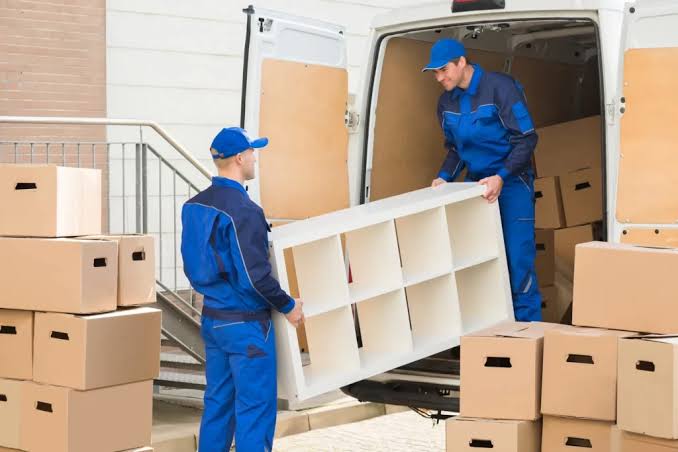
Moving to a new home is an exciting opportunity to begin a fresh chapter, create new memories, and enjoy a change of scenery. However, the process of packing belongings, organizing transportation, protecting valuable possessions, and coordinating schedules can quickly become overwhelming without proper preparation. Whether you are moving from an apartment, a small house, or a larger family home, having a clear plan can make the entire experience more manageable and efficient. With the right preparation, practical packing strategies, and professional assistance when needed, you can reduce unnecessary stress and settle into your new home with greater confidence.
A successful move involves much more than placing items in boxes and transporting them to another property. It requires thoughtful organization, careful handling of personal belongings, effective communication, and attention to important details. From creating an initial checklist to arranging furniture in your new living space, every stage contributes to a better moving experience. Understanding how to approach these responsibilities can help you avoid common mistakes, control expenses, and make the transition as smooth as possible.
Understanding the Importance of Proper Moving Preparation
Preparation is one of the most important factors in determining whether a move goes smoothly. Without a structured plan, it is easy to overlook essential tasks, underestimate the time required for packing, or discover that important supplies are missing on moving day. Starting early gives you enough time to organize your belongings, arrange transportation, notify relevant service providers, and address unexpected challenges before they become major problems.
Begin by creating a detailed moving checklist that includes everything you need to accomplish before, during, and after the move. Divide the list into manageable stages, such as sorting belongings, gathering packing materials, confirming transportation arrangements, and preparing your new home. Assigning deadlines to individual tasks helps you maintain progress without feeling pressured to complete everything at once.
It is also useful to estimate how much time each responsibility will require. Packing a single bedroom may take only a few hours, while organizing an entire house could require several days. Allow extra time for fragile belongings, large furniture, storage areas, and items that need special attention. A realistic schedule provides flexibility and reduces the likelihood of last-minute confusion.
Another important consideration is deciding which tasks you can comfortably handle yourself and which may require professional support. Some households prefer to pack independently while hiring experienced movers for heavy lifting and transportation. Others benefit from comprehensive services that include packing, loading, transportation, unloading, and furniture placement. Choosing an approach that matches your budget, available time, and physical capabilities can significantly improve the overall experience.
Creating a Practical Moving Budget
Moving expenses can increase quickly when costs are not monitored carefully. Transportation, packing supplies, labor, temporary storage, cleaning products, and utility connections may all contribute to the final amount. Establishing a budget early helps you understand what you can afford and prevents unexpected expenses from disrupting your plans.
Start by listing every anticipated cost and estimating the amount you will need for each category. Request written estimates from moving companies and ask whether their prices include loading, unloading, packing materials, fuel, and other relevant charges. Comparing detailed estimates is more useful than choosing a provider based solely on the lowest advertised price.
It is equally important to reserve money for unexpected circumstances. A delayed move, additional packing requirements, difficult access to a property, or temporary storage needs can create extra expenses. Setting aside a contingency fund gives you greater financial flexibility if your original plans change.
You can also reduce costs by decluttering before packing. Transporting items you no longer use increases the amount of space required in the moving vehicle and creates additional work. Selling, donating, recycling, or responsibly discarding unnecessary possessions can reduce both moving expenses and unpacking time.
Consider collecting clean boxes from local retailers or reusing sturdy containers you already own, provided they are suitable for transportation. However, never compromise the protection of valuable or fragile items simply to save money on supplies. Spending a little more on appropriate packing materials may prevent costly damage later.
Decluttering Before Packing Your Belongings
Packing provides an excellent opportunity to evaluate your possessions and decide what deserves a place in your next home. Over time, households accumulate unused clothing, outdated electronics, duplicate kitchen tools, old paperwork, and decorative items that no longer serve a purpose. Sorting these belongings before moving can make the entire process easier.
A practical approach is to organize items into four categories: keep, donate, sell, and discard. Work through one room at a time instead of emptying the entire house simultaneously. This method makes decisions easier and helps prevent piles of unsorted belongings from spreading throughout your living space.
When deciding whether to keep something, consider how frequently you use it, whether it remains functional, and whether it will suit your new home. Sentimental possessions deserve thoughtful consideration, but you do not necessarily need to retain every item associated with a memory. Photographs and digital records can sometimes preserve those memories without requiring additional storage space.
Clothing deserves particular attention because wardrobes can contain many items that have not been worn for years. Separate everyday essentials from seasonal clothing and garments that no longer fit your needs. Donate clean, usable clothing to appropriate organizations or pass it along to people who can benefit from it.
The same process applies to kitchen cabinets, garages, storage rooms, and home offices. Check expiration dates on pantry items, dispose of unsuitable products safely, and organize documents before packing them. By reducing unnecessary possessions in advance, you will have fewer boxes to transport and a cleaner, more organized environment when you arrive.
Choosing the Right Professional Moving Service
Selecting a reliable moving company can make a considerable difference in the safety, efficiency, and convenience of your relocation. Professional movers often have the equipment, experience, and practical knowledge needed to handle heavy furniture, bulky appliances, fragile possessions, and complicated loading arrangements. However, it is important to evaluate potential providers carefully before making a decision.
Begin by researching companies with established contact information, transparent pricing, and a clear explanation of their services. Read customer reviews across multiple platforms to identify consistent patterns in punctuality, communication, professionalism, and the handling of belongings. A single positive review should not determine your decision, and repeated complaints about hidden charges or damaged property deserve careful attention.
When requesting an estimate, explain the size of your household, the number of rooms, the quantity of furniture, and any special handling requirements. Mention stairs, narrow entrances, elevators, restricted parking, or other access concerns that could affect the work. Providing accurate information helps the company prepare a more realistic quote and reduces the likelihood of unexpected changes on moving day.
Ask whether the company offers suitable protection for belongings during transportation and what procedures apply if something is damaged or lost. Review the written agreement carefully, paying particular attention to cancellation policies, payment requirements, service inclusions, and any limitations on responsibility.
The best provider is not necessarily the cheapest option. Dependability, clear communication, appropriate equipment, and careful handling are equally important considerations. A reputable company should be willing to answer your questions and explain its process without pressuring you into making an immediate commitment.
For households seeking convenience, local moving services can be particularly useful when professional assistance is needed for a shorter-distance relocation. Depending on the provider, these services may include loading, transportation, unloading, and help with furniture placement. Confirm the precise services included in your agreement so that your expectations match what the company will deliver.
Packing Strategies That Protect Your Belongings
Effective packing requires the right materials, a logical approach, and consistent labeling. Strong boxes, packing tape, protective wrapping, cushioning materials, and suitable containers help prevent damage while making boxes easier to stack and transport. Choosing supplies according to the weight, size, and fragility of each item is essential.
Start with belongings you do not use every day, such as seasonal decorations, spare linens, books you are not currently reading, and rarely used kitchen equipment. Leave daily essentials until closer to moving day so that your household can continue functioning normally during the preparation period.
Avoid placing too many heavy objects in one box. Books, tools, and kitchen equipment can become difficult to lift when packed together in large containers. Use smaller boxes for heavier belongings and larger boxes for lightweight items such as pillows, blankets, and clothing. Secure each box properly and reinforce its bottom when necessary.
Fragile possessions require additional protection. Wrap glasses, dishes, ornaments, and delicate decorative objects individually, then cushion empty spaces inside their containers. Clearly label boxes containing breakable items and explain any special handling requirements to the people transporting them.
Electronics should be packed carefully, preferably using their original packaging when available. Remove loose accessories, protect screens, and keep relevant cables together in labeled bags. Before disconnecting complex equipment, take photographs of cable arrangements so that reconnecting everything later becomes easier.
Label every box with its destination room and a brief description of its contents. For example, a label reading “Kitchen—Cooking Utensils” is more useful than one marked simply “Kitchen.” Consider numbering boxes and maintaining a basic inventory if you have numerous belongings or valuable possessions.
Keep important documents, medications, personal identification, jewelry, keys, and essential electronics with you whenever practical. These items are often best transported separately rather than placed in the general moving load.
Preparing Furniture and Large Household Items
Furniture and large appliances require special attention because their size, weight, and shape can make them difficult to move safely. Preparing these items in advance reduces the risk of scratches, broken components, and damage to walls, floors, and doorframes.
Begin by measuring large furniture pieces and checking whether they will fit through doorways, staircases, elevators, and hallways. Measure the corresponding spaces in your new home as well. These simple checks can reveal access problems before the moving team arrives and give you time to develop an alternative arrangement.
Empty wardrobes, cabinets, drawers, and desks whenever possible. Loose contents can shift during transportation, making furniture heavier or increasing the likelihood of damage. Remove detachable shelves, table legs, and other components when the manufacturer permits it, and keep screws and fittings in labeled bags attached securely to the corresponding item.
Protect furniture surfaces with suitable moving blankets, padding, or stretch wrap. Use materials that are appropriate for the furniture’s finish, since some surfaces can be damaged by unsuitable adhesives or wrapping products. Take extra care with glass tabletops, mirrors, and polished wooden furniture.
Appliances should be prepared according to their manufacturers’ instructions. Refrigerators may need to be emptied, cleaned, and disconnected in advance, while washing machines may require appropriate preparation of their hoses and internal components. If an appliance involves complicated connections or special handling requirements, consult a qualified professional.
Do not attempt to lift exceptionally heavy items without sufficient assistance and proper equipment. Improper lifting can cause personal injuries or property damage. Experienced movers may use dollies, lifting straps, furniture sliders, and other equipment to transport bulky belongings more safely.
Organizing Moving Day for Maximum Efficiency
A well-organized moving day depends on preparation, communication, and a clear understanding of responsibilities. Before the moving team arrives, make sure boxes are packed, walkways are clear, and essential items have been separated from the general shipment.
Keep your checklist, inventory, agreement, and important contact details accessible. Confirm arrival arrangements with the moving company and provide any necessary instructions about parking, building access, entry codes, or restricted areas. If the property has shared entrances or specific loading rules, make sure these details are communicated in advance.
Prepare an essentials bag containing toiletries, a change of clothes, phone chargers, drinking water, basic cleaning supplies, snacks, medications, and important documents. Include anything you may need during the first evening without opening multiple boxes. Families with children may also want to pack familiar toys, comfort items, and convenient meals.
Before loading begins, identify fragile belongings and items that require special handling. Walk through the property with the moving team when appropriate, and communicate any concerns clearly. Keep pets and young children away from active loading areas to reduce the risk of accidents.
As belongings are loaded, use your inventory to monitor important items and identify anything that may have been left behind. Check closets, cupboards, drawers, storage spaces, bathrooms, and outdoor areas before leaving. Remember to collect keys and confirm that essential utilities and property arrangements have been addressed.
Once you reach your destination, direct boxes toward their designated rooms instead of allowing everything to accumulate in one area. This small organizational step makes unpacking considerably easier and reduces the need to move heavy boxes repeatedly.
Managing Stress and Maintaining Household Comfort
Even with careful planning, moving can be physically demanding and emotionally challenging. Leaving a familiar home, adjusting to a new environment, and managing numerous responsibilities can create stress for individuals and families alike. Recognizing these challenges allows you to prepare for them rather than becoming overwhelmed.
Break large responsibilities into smaller tasks and avoid trying to complete everything in one day. Establish realistic goals for each stage of the process, and celebrate progress as you complete important milestones. A checklist can provide a useful sense of control when several responsibilities compete for your attention.
Maintain regular meals, adequate hydration, and sufficient rest throughout the preparation period. Packing late into the night may appear productive, but exhaustion can increase the likelihood of mistakes, damaged belongings, and physical injuries. Whenever possible, distribute demanding tasks across several days.
If you share a household, divide responsibilities according to each person’s availability and abilities. One person might manage paperwork and service arrangements while another handles packing or inventory preparation. Clear communication helps prevent duplicated effort and ensures that important tasks do not go unnoticed.
Families moving with children should explain the process in age-appropriate language and involve them in simple decisions, such as organizing toys or choosing items for their new rooms. Maintaining familiar routines and setting aside comforting possessions can make the transition easier.
Pets may also need additional attention. Arrange a quiet, secure space away from the loading area and make sure food, water, identification, and necessary supplies remain accessible. Planning for these practical needs can help the entire household experience a calmer transition.
Settling Into Your New Home After Arrival
Arriving at a new property marks an important milestone, but several tasks remain before the household becomes fully functional. Rather than attempting to unpack everything immediately, prioritize the spaces and belongings that will make your home comfortable and usable during the first few days.
Start by checking that the property is safe, clean, and ready for occupancy. Test essential lighting, inspect visible plumbing fixtures, and confirm that necessary utilities are working. If you notice damage or maintenance concerns, document them and contact the appropriate property manager, landlord, or service provider.
Set up beds, arrange basic bathroom supplies, and unpack the kitchen items needed for simple meals. Having a comfortable place to sleep, prepare food, and maintain personal hygiene can make the first night considerably easier.
Next, focus on frequently used rooms and essential household equipment. Arrange furniture according to your planned layout, making sure that walkways remain clear and doors can open properly. Take time to evaluate furniture placement before moving heavy items repeatedly.
Unpack boxes systematically, completing one room before moving to another whenever practical. Break down empty boxes and remove packing materials as you go to prevent clutter from accumulating. Keep an inventory of missing or damaged belongings and address any concerns with the moving company within the applicable reporting period.
Remember to update your mailing address, review utility accounts, and notify relevant institutions of your new contact details. Depending on your circumstances, this may include banks, employers, insurance providers, subscription services, and healthcare offices. Check any local administrative requirements that apply to your household.
Give yourself time to become familiar with the new surroundings. Locate nearby grocery stores, pharmacies, public transportation options, and other services that support your daily routine. Gradually arranging your belongings and establishing familiar habits can help your new property begin to feel like home.
Avoiding Common Moving Mistakes
Many moving problems arise from preventable oversights rather than unavoidable circumstances. One frequent mistake is underestimating how long packing will take. Leaving everything until the final day creates unnecessary pressure and increases the risk of forgotten belongings, poorly secured boxes, and disorganized transportation.
Another common issue is failing to label boxes clearly. Without accurate labels, finding everyday essentials becomes difficult, and fragile possessions may not receive the attention they require. A simple labeling system saves time during unloading and unpacking.
Choosing a moving company based exclusively on price can also lead to disappointment. An unusually low estimate may exclude important services or fail to account for special handling requirements. Always compare written quotations, confirm service details, and understand the payment terms before agreeing to a booking.
It is equally important to avoid packing prohibited, hazardous, or unsuitable materials without checking the moving company’s policy. Flammable substances, certain chemicals, and other dangerous items may require special handling or may not be accepted for transportation. Follow applicable safety guidance and dispose of unsuitable materials responsibly.
Finally, do not forget to prepare for your first night. Packing every towel, charger, and basic kitchen utensil into unidentified boxes can make a simple evening unnecessarily complicated. Keep essential belongings separate and accessible so that you can settle in comfortably while unpacking progresses.
Making Your Next Move a More Positive Experience
A successful relocation is the result of thoughtful planning, realistic expectations, and consistent attention to detail. By organizing responsibilities early, reducing unnecessary possessions, choosing suitable packing materials, and confirming transportation arrangements, you can avoid many of the difficulties commonly associated with moving.
Professional assistance can be especially valuable when your schedule is demanding, your belongings are bulky, or you need help with heavy lifting. Before booking local moving assistance, compare providers carefully, confirm their services in writing, and communicate any special requirements. A dependable team can help simplify transportation and allow you to focus on other important responsibilities.
Remember that moving does not have to be completed perfectly in a single day. Prioritize safety, protect valuable belongings, maintain a manageable schedule, and give yourself time to adjust to the new environment. Small, consistent efforts often produce better results than rushing through every task at once.
With an organized checklist, a sensible budget, and a clear understanding of your needs, you can approach the process with greater confidence. From the first packed box to the final piece of furniture, every thoughtful decision contributes to a more efficient transition. Most importantly, focus on the opportunities your new home offers and enjoy the process of creating a comfortable, welcoming space for the next chapter of your life.

