


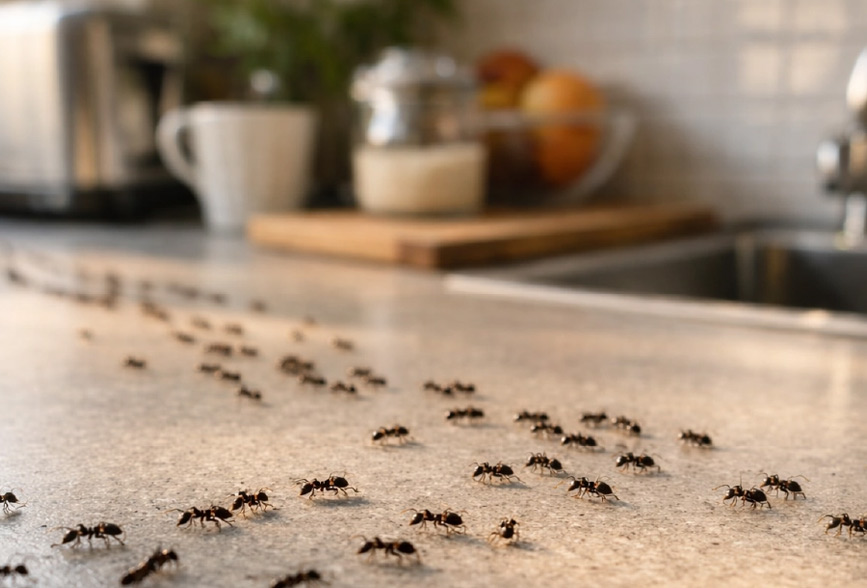
Finding ants in the kitchen can be frustrating, especially when they reappear shortly after countertops have been cleaned. These insects often follow established routes between outdoor colonies, hidden nesting areas, and dependable food sources. Understanding their behavior helps homeowners recognize why ordinary cleaning sometimes fails to stop recurring activity.
A few ants near a window or pantry do not necessarily indicate a major infestation. However, repeated trails, activity around plumbing, or insects appearing from concealed spaces may suggest an established foraging pattern. The location and timing of sightings can reveal useful information about what attracts them.
Effective Ant Control requires more than removing the insects currently visible on a countertop. Agile Pest Control can help identify the species involved and assess conditions contributing to repeated activity. A practical response combines accurate identification, food management, entry point evaluation, and appropriate treatment when necessary.
Understanding Why Ants Enter Residential Kitchens
Kitchens offer resources that many ant species actively seek. Food, moisture, and protected pathways can make these rooms attractive even when households maintain reasonable cleanliness.
How Ants Locate Food Sources
Worker ants search surrounding environments for resources that support their colonies. Once food is discovered, certain species establish chemical trails that guide other workers toward the location.
These trails help explain why isolated sightings can develop into repeated lines of activity. Removing visible insects does not necessarily eliminate the route.
Why Clean Kitchens Still Experience Activity
Ants can investigate extremely small food residues that homeowners overlook. Sugar particles, grease deposits, and crumbs beneath appliances may provide attractive resources.
Some species also enter buildings while searching for moisture or suitable nesting conditions. Cleanliness reduces available food but cannot prevent every possible entry.
Recognizing Different Patterns of Ant Activity
The way ants move through a kitchen can provide useful clues about their behavior. Homeowners should observe patterns before attempting extensive cleaning or treatment.
Repeated Trails Along Kitchen Surfaces
Ants frequently travel along edges, corners, and structural boundaries. Countertop backsplashes, cabinet seams, and baseboards may become convenient routes.
A recurring trail suggests workers are following a dependable pathway. Photographing its location can preserve information before the surface is cleaned.
Activity Around Windows and Plumbing
Windows, doors, and utility openings may provide access from surrounding areas. Ants can also appear near sinks where moisture is available.
Their presence beside plumbing does not automatically indicate a leak. However, persistent dampness deserves separate maintenance attention.
Investigating Hidden Food Sources
Food sources are not always located where ants first become visible. Workers may travel considerable distances between a colony and the resource attracting them.
Pantry Packaging and Stored Ingredients
Open containers of sugar, cereal, flour, and other ingredients can attract foraging ants. Damaged packaging may also allow insects to reach stored food.
Homeowners should inspect affected products and transfer suitable supplies into properly sealed containers. Contaminated food should be handled according to appropriate safety guidance.
Crumbs Beneath Kitchen Appliances
Food particles often accumulate beneath refrigerators, ovens, and movable cabinets. These locations may remain undisturbed during ordinary surface cleaning.
Periodic cleaning can remove residues that support recurring activity. Heavy appliances should only be moved when doing so is safe.
Understanding the Connection Between Moisture and Ants
Food is not the only resource that attracts ants indoors. Water availability can influence where certain species forage or establish activity.
Leaks Beneath Kitchen Sinks
Small plumbing leaks may create persistent dampness inside cabinets. Moisture can remain unnoticed behind stored cleaning supplies or household products.
Homeowners should examine accessible plumbing areas for staining, condensation, and water accumulation. Repairs should address the actual plumbing problem rather than treating moisture solely as a pest concern.
Condensation Around Household Equipment
Dishwashers, refrigerators, and nearby plumbing may produce condensation under certain conditions. Persistent moisture deserves investigation, particularly when surrounding materials begin deteriorating.
Agile Pest Control may consider these environmental conditions when assessing recurring ant activity. However, identifying the insect species remains necessary before determining their significance.
Why Surface Sprays May Provide Temporary Results
Homeowners sometimes respond to visible ants by applying household insecticides along their trails. Although this may affect exposed workers, it does not necessarily address the colony.
Understanding Colony Organization
Many ant colonies contain reproductive individuals and workers performing different tasks. Removing a portion of the foraging population may leave the underlying colony unaffected.
Some species can also respond unpredictably to unsuitable treatments. Effective management depends on identification and an appropriate strategy.
Avoiding Unnecessary Chemical Applications
Repeated spraying around food preparation surfaces can create avoidable exposure concerns. Products should only be used where permitted by their labels.
Homeowners should avoid combining treatments without understanding their effects. Professional guidance can help prevent ineffective or inappropriate applications.
Identifying Potential Entry Points
Ants may access kitchens through small exterior openings or concealed building transitions. Their routes depend on the property and species involved.
Door Frames and Window Seals
Damaged seals and gaps around frames can provide potential access. Homeowners should examine these areas while observing where trails appear.
Repairs may reduce entry opportunities when openings are genuinely involved. However, sealing random gaps without identifying activity patterns may accomplish little.
Wall Openings and Utility Connections
Pipes, cables, and other building penetrations sometimes create accessible pathways. Ants may also move through existing structural spaces.
Any repairs should preserve ventilation, drainage, and other intended building functions. Appropriate maintenance complements professional pest assessment.
Distinguishing Temporary Visitors From Persistent Problems
Occasional ants and recurring infestations require different levels of attention. Frequency, location, and physical evidence help determine whether further investigation is warranted.
Monitoring Activity Over Several Days
Homeowners can record where ants appear and whether sightings follow a recognizable pattern. Notes about food preparation, rainfall, and moisture may provide additional context.
Repeated activity near the same location can suggest a dependable resource or route. Isolated sightings offer less information.
Recognizing When Identification Matters
Ant species differ in nesting habits, food preferences, and treatment responses. Appearance alone may not provide reliable identification.
Ant Control decisions should therefore reflect the species and evidence present. Guessing can lead to unnecessary treatments or overlooked conditions.
Building Better Kitchen Prevention Habits
Prevention works best when it becomes part of ordinary household maintenance. Consistent habits can reduce attractive resources without requiring excessive cleaning.
Maintain Food Storage and Waste Areas
Food containers should close properly, and spills should be addressed promptly. Garbage bins also benefit from regular cleaning and appropriate disposal routines.
Pet feeding areas deserve attention because leftover food may remain accessible overnight. Practical sanitation supports broader management efforts.
Keep Important Areas Easy to Inspect
Overfilled cabinets and cluttered countertops can conceal recurring trails. Maintaining accessible edges makes unusual activity easier to recognize.
Homeowners do not need completely empty kitchens. Organized storage simply improves visibility and routine maintenance.
Creating a More Reliable Response to Recurring Ants
Persistent ant activity deserves an approach based on evidence rather than repeated reactions to individual sightings. Identifying resources, observing travel routes, and understanding colony behavior provide useful direction.
Homeowners considering Agile Pest Control can discuss recurring patterns and possible contributing conditions. Professional assessment may clarify whether targeted treatment or additional preventive measures are appropriate.
A sustainable kitchen routine combines sensible sanitation, moisture management, and attention to actual entry conditions. With accurate identification and consistent monitoring, homeowners can respond to returning ants more effectively while keeping their kitchens comfortable and functional.

