


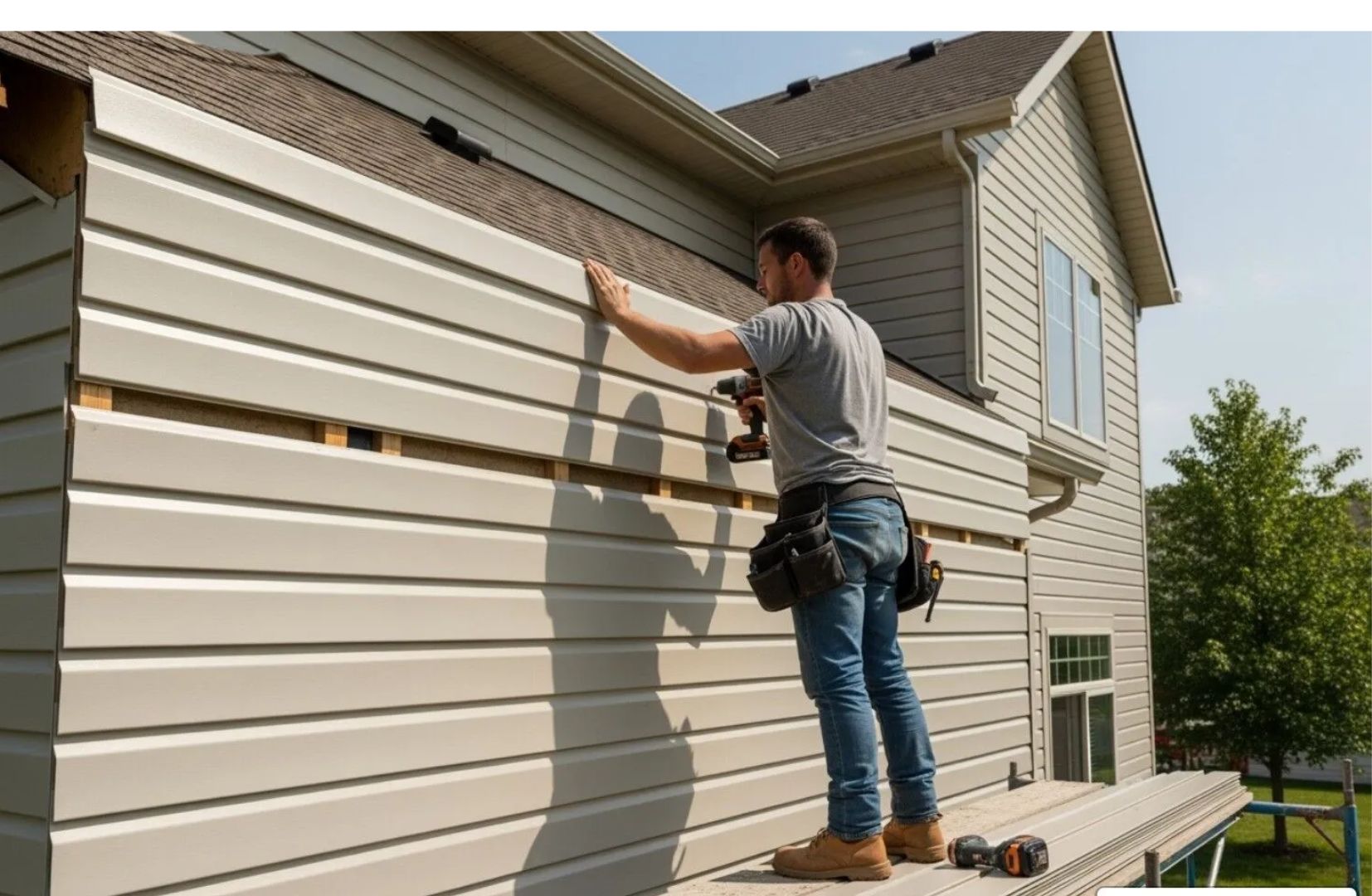
The exterior of a home serves several important purposes beyond creating an attractive first impression. It helps protect the structure from changing weather conditions, moisture, wind, sunlight, temperature fluctuations, and everyday wear. Because exterior walls are continuously exposed to the elements, choosing the right siding and ensuring that it is installed correctly can have a significant impact on a property’s appearance, durability, energy efficiency, and long-term maintenance requirements. For homeowners considering an exterior renovation, understanding the materials, preparation process, installation methods, maintenance needs, and potential challenges can make the project much easier to manage.
Siding is available in a wide variety of materials, colors, textures, profiles, and price ranges. Vinyl, fiber cement, wood, metal, engineered wood, and other manufactured options each offer different advantages and considerations. However, selecting a material is only one part of the process. The quality of the installation can be just as important as the product itself. Even high-quality siding may fail to perform as expected if the wall surface is poorly prepared, moisture barriers are missing, panels are incorrectly aligned, or flashing is improperly installed. A successful exterior project therefore requires careful planning from the initial inspection through final finishing.
Understanding the Purpose of Exterior Siding
Siding creates a protective outer layer around the walls of a building. Although it is often selected primarily for visual reasons, its role is much broader. Properly installed siding helps direct rainwater away from the wall assembly and protects underlying materials from direct exposure to weather. It can also contribute to the overall thermal performance of a home when combined with appropriate insulation and air-sealing measures.
Different siding materials provide different levels of resistance to moisture, impact, insects, heat, and ultraviolet exposure. Some materials require regular painting or sealing, while others are designed to retain their appearance with relatively little maintenance. Understanding these differences allows homeowners to choose a product that fits their property’s architectural style, maintenance preferences, budget, and long-term plans.
The siding should also work with other parts of the building envelope. Roofing, windows, doors, gutters, flashing, insulation, and drainage systems all interact with the exterior walls. If these components are not properly integrated, water can enter behind the siding and cause damage that may remain hidden for a considerable period.
Popular Siding Materials and Their Characteristics
Vinyl siding is one of the most widely used options because it is generally affordable, lightweight, and available in many styles. It does not require routine painting in the same way that traditional wood siding does, and cleaning can usually be accomplished with basic exterior maintenance methods. Vinyl can imitate the appearance of wood while offering a different maintenance profile. However, extreme temperatures and physical impacts can affect some vinyl products, making product quality and proper installation important considerations.
Fiber cement siding is another popular choice. It is manufactured from a mixture that provides a durable exterior material capable of handling a range of environmental conditions. It can be designed to resemble painted wood, shingles, or other architectural styles. Fiber cement is typically heavier than vinyl, so handling and installation require appropriate tools and techniques. It may also need periodic repainting depending on the finish and manufacturer’s recommendations.
Wood siding provides a natural appearance that many homeowners find appealing. Cedar, pine, and other wood products can create a distinctive exterior and can be stained or painted in numerous ways. However, wood requires more ongoing maintenance than many synthetic alternatives. Regular inspection, painting or staining, and attention to moisture are essential for protecting the material from deterioration.
Metal siding, including steel and aluminum options, offers another approach. It can provide good resistance to certain environmental conditions and is available in various finishes. Metal can be particularly useful for homeowners seeking a modern or industrial appearance, although dents, scratches, corrosion, and thermal expansion should be considered when selecting and maintaining the material.
Engineered wood siding is manufactured to provide some of the visual characteristics of natural wood while incorporating modern manufacturing techniques. It is available in several profiles and finishes and can provide a balance between appearance, durability, and maintenance requirements. Each product has its own installation specifications, so following the manufacturer’s guidelines is essential.
Planning Before the Project Begins
Good preparation can prevent many of the problems associated with exterior renovation projects. Before any material is ordered, the existing exterior should be inspected carefully. The inspection should look for damaged siding, deteriorated sheathing, moisture intrusion, mold, rot, insect damage, loose materials, and areas around windows and doors that may require attention.
Measurements should also be taken accurately. Estimating the required amount of siding involves calculating the total wall area and accounting for windows, doors, gables, corners, and other architectural features. Additional material is usually necessary to account for cutting and installation waste. Ordering too little material can create delays, while excessive material can unnecessarily increase project costs.
Homeowners should also consider the visual relationship between siding and other exterior features. Roof color, trim, shutters, doors, windows, stonework, and landscaping can all influence how a siding color appears. Obtaining physical samples is often more useful than relying solely on digital images because lighting and surrounding colors can change the perceived appearance of a material.
Preparing the Wall Surface
The condition of the underlying wall is one of the most important factors in a successful siding project. New siding should not simply be placed over damaged or deteriorated surfaces without addressing the underlying problem. Any structural or moisture-related issues should be corrected before the exterior covering is installed.
The existing siding may need to be removed depending on the condition of the wall, the type of new material, and the manufacturer’s requirements. Once the wall is exposed, damaged sheathing or framing can be identified and repaired. This stage provides an opportunity to address problems that might otherwise remain hidden.
A suitable weather-resistant barrier may be installed over the wall assembly to help manage moisture and protect the structure. Flashing around windows, doors, corners, roof intersections, and other vulnerable areas is also critical. These components help direct water away from areas where it could otherwise enter the wall system.
Professional siding installation begins with this type of preparation because the visible panels are only one part of the overall exterior system. A visually attractive finish cannot compensate for poor moisture management underneath.
Importance of Proper Installation Techniques
Correct installation involves more than attaching panels to the wall. Siding materials generally need to accommodate expansion and contraction caused by changes in temperature. If panels are fastened too tightly or without following the manufacturer’s specifications, they may buckle, warp, crack, or otherwise perform poorly.
Panels must also be aligned carefully. Uneven courses can become increasingly noticeable as they extend across a wall. Corners, seams, openings, and trim require particular attention because small errors in these areas can affect both appearance and weather resistance.
Fasteners should be appropriate for the siding material and installed according to specified spacing requirements. Overdriving fasteners can restrict movement or damage the material, while underdriving them may leave panels insecure. The correct installation technique varies by product, which is why installers should follow the manufacturer’s instructions rather than relying on a single method for every type of siding.
Protecting Windows, Doors, and Other Openings
Windows and doors are among the most vulnerable areas of an exterior wall because they create openings through the building envelope. Water can enter around these locations if flashing, sealants, and trim are not installed correctly.
During a siding project, existing window and door conditions should be inspected carefully. Damaged trim, deteriorated framing, failed sealants, or inadequate flashing may need to be addressed before the siding is installed. Proper integration between the siding and the openings helps prevent water from becoming trapped behind the exterior finish.
Other areas also require careful detailing. Exterior electrical fixtures, vents, hose connections, utility penetrations, roof intersections, and changes in wall materials can all create potential paths for water. Each penetration should be treated appropriately rather than simply covered with siding.
Choosing the Right Color and Style
Siding can dramatically change the appearance of a property. A color that looks attractive on a small sample may appear very different when applied across an entire exterior. Light colors can create a bright and spacious appearance, while darker shades may produce a more dramatic or contemporary effect.
The architectural design of the home should also influence the selection. Traditional properties may suit horizontal lap siding, shingles, or textured profiles, while modern designs may benefit from clean lines and contrasting materials. Mixing siding profiles can add visual interest when done thoughtfully.
Trim color is another important consideration. Contrasting trim can highlight windows, doors, rooflines, and corners, while matching trim can create a more uniform appearance. Homeowners should evaluate samples under different lighting conditions before making a final decision.
The Role of Insulation and Energy Efficiency
Exterior siding itself is not necessarily the primary source of a home’s energy efficiency. However, an exterior renovation can provide an opportunity to evaluate insulation, air sealing, and the condition of the wall assembly. Depending on the construction and project design, additional insulation may be incorporated as part of the exterior upgrade.
Reducing uncontrolled air movement and improving insulation can help stabilize indoor temperatures. When combined with properly functioning heating and cooling equipment, an improved building envelope may contribute to more consistent comfort and potentially reduce energy demand.
It is important to distinguish between siding and insulation. A new exterior finish may improve weather protection and appearance, but it does not automatically solve underlying insulation deficiencies. Homeowners interested in energy performance should consider the entire wall system rather than focusing solely on the visible siding material.
Common Mistakes to Avoid
One of the most common mistakes is selecting siding based entirely on its initial price. A cheaper product may have different durability, warranty, appearance, or maintenance requirements than a more expensive alternative. Comparing the expected lifespan and ongoing maintenance needs can provide a more useful picture of long-term value.
Another mistake is overlooking the condition of the underlying wall. Installing new siding over rot, moisture damage, or deteriorated sheathing can conceal the problem temporarily without resolving it. Eventually, the underlying issue may affect the new exterior.
Poor flashing is another significant concern. Even excellent siding can allow water problems if vulnerable areas around windows, doors, corners, and roof intersections are not detailed properly. Homeowners should ask installers how water will be managed at these locations.
Incorrect fastening and inadequate expansion allowances can also cause problems. Every siding material has specific installation requirements, so installers should be familiar with the product being used rather than treating all siding systems identically.
Maintenance After Installation
Proper maintenance helps preserve both the appearance and performance of siding. The exact maintenance routine depends on the material. Vinyl and some manufactured products may only require periodic cleaning, while wood siding may require more frequent inspection, staining, or painting.
Homeowners should look for cracks, loose panels, damaged trim, discoloration, peeling coatings, and signs of moisture intrusion. Areas around windows and doors deserve particular attention because failed sealants can allow water to reach vulnerable parts of the wall.
Cleaning should be performed according to the manufacturer’s recommendations. Aggressive cleaning methods can damage some finishes or force water behind the siding. Gutters and downspouts should also be kept clear because overflowing water can repeatedly wet exterior walls.
Trees and shrubs should be maintained so that branches do not constantly rub against siding. Vegetation should also not remain pressed against the wall because prolonged moisture exposure can encourage deterioration on certain materials.
When Professional Installation Is Worth Considering
Although some experienced homeowners may be comfortable handling portions of an exterior renovation, siding projects often involve more than attaching visible panels. Proper preparation, moisture management, flashing, trim, ventilation, cutting, alignment, and product-specific installation techniques all influence the final result.
Experienced professionals can identify hidden problems before they become expensive issues and can work with the appropriate materials and tools. They can also ensure that the installation follows manufacturer specifications, which may be important for maintaining product warranties.
When evaluating contractors, homeowners should ask about experience with the specific siding material being considered. Reviewing previous work, confirming licensing or insurance where applicable, and requesting detailed written estimates can also help establish clear expectations.
Long-Term Benefits of a Well-Maintained Exterior
A properly maintained siding system can contribute to a property’s curb appeal, weather protection, and overall exterior condition. It can also reduce the frequency of cosmetic repairs and help protect the underlying wall assembly from direct exposure to the elements.
A well-planned siding renovation may provide an opportunity to update outdated colors, replace damaged materials, improve exterior detailing, and address moisture-management concerns. When the project is approached as a complete building-envelope improvement rather than simply a cosmetic change, the result can be more durable and functional.
The most successful projects generally combine appropriate material selection, careful preparation, skilled workmanship, and ongoing maintenance. Homeowners who understand these factors can make better-informed choices and avoid many of the common problems associated with exterior renovations.
Final Thoughts on a Successful Siding Project
Siding is an important part of a home’s exterior because it combines appearance with protection from environmental exposure. Selecting the right material requires consideration of durability, maintenance, cost, architectural style, climate conditions, and long-term expectations. Just as importantly, the installation process must address the condition of the wall underneath and provide proper protection around openings, corners, seams, and other vulnerable areas.
Whether the goal is to refresh an aging exterior, improve curb appeal, replace damaged materials, or complete a broader renovation, careful planning can make a substantial difference. Professional siding installation can help ensure that materials are fitted correctly, moisture is managed appropriately, and the finished exterior performs as intended, a successful exterior renovation is not simply about choosing an attractive color or material. It is about creating a coordinated system in which the siding, weather barrier, flashing, trim, windows, doors, and underlying wall structure work together. With thoughtful planning, quality materials, proper installation, and consistent maintenance, homeowners can achieve an exterior that looks appealing while providing. Once the project is complete, regular inspections and material-specific maintenance can help preserve the siding for years to come.
Ultimately, a successful exterior renovation is not simply about choosing an attractive color or material. It is about creating a coordinated system in which the siding, weather barrier, flashing, trim, windows, doors, and underlying wall structure work together. With thoughtful planning, quality materials, proper installation, and consistent maintenance, homeowners can achieve an exterior that looks appealing while providing dependable protection for the building.

