


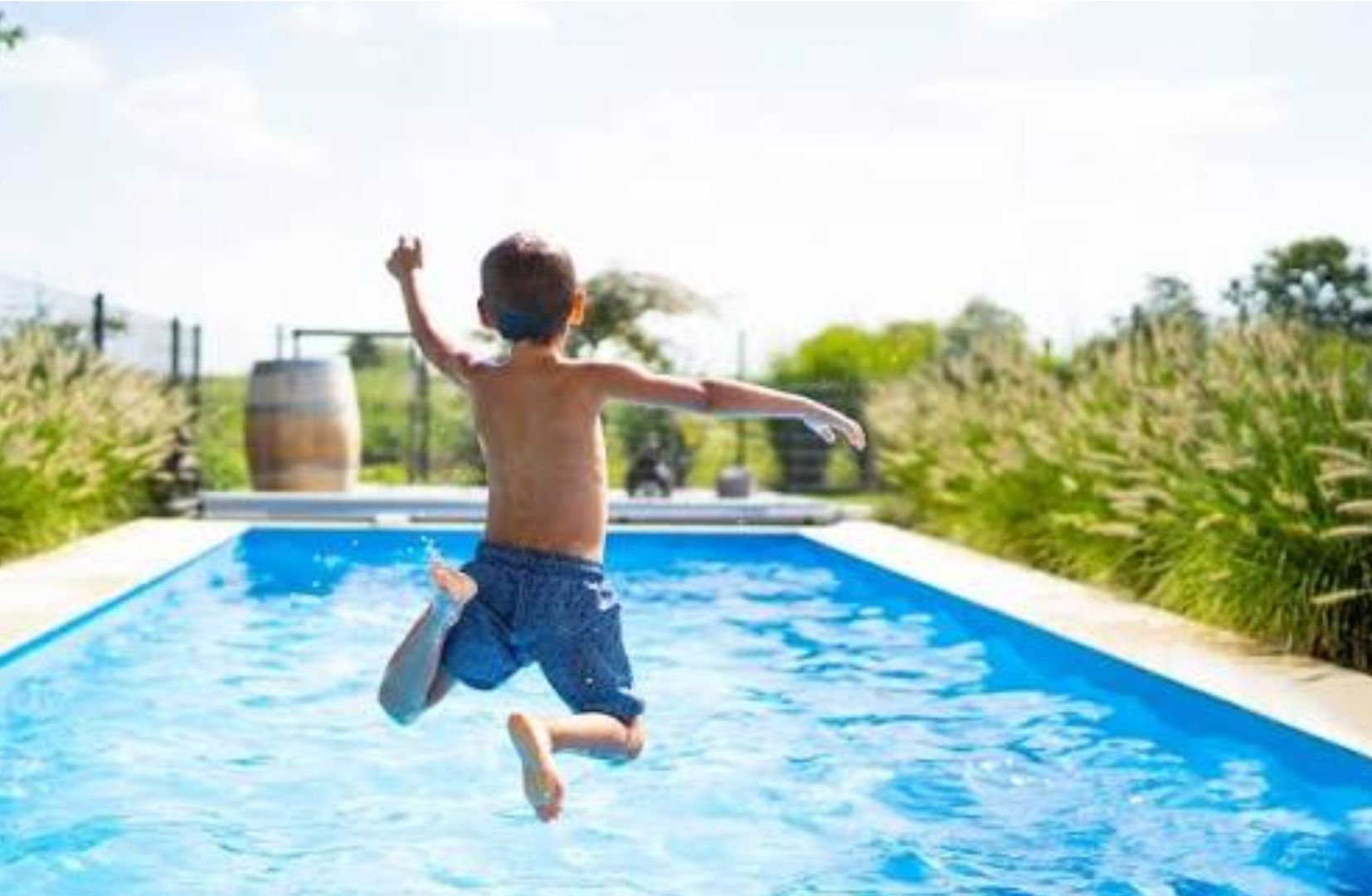
A swimming pool can transform an outdoor space into a place for relaxation, recreation, exercise, and social gatherings. However, creating a pool that looks attractive and performs well requires much more than selecting a shape and filling a structure with water. A successful project begins with careful planning and continues through design, construction, equipment selection, finishing, and long-term maintenance. Homeowners who understand each stage can make more informed decisions, avoid common mistakes, and create an outdoor feature that complements their property and lifestyle.
Before construction begins, it is important to determine how the pool will be used. Some families want a space primarily for recreation and entertaining, while others are interested in swimming for exercise or creating a relaxing environment around their home. The intended purpose can influence the pool’s size, depth, shape, features, surrounding deck, lighting, and equipment. A thoughtfully planned design can provide practical benefits while also enhancing the overall appearance of the outdoor area.
Understanding the Planning Process
Planning is one of the most important stages of any pool project because decisions made at the beginning can affect the construction process and future maintenance requirements. Homeowners should consider the available space, desired pool dimensions, access for construction equipment, surrounding landscaping, drainage, privacy, and the location of existing structures. The pool should fit naturally into the available area instead of making the outdoor space feel crowded or difficult to navigate.
Budget planning should also take place before detailed design work begins. The initial construction cost is only one part of the overall investment. Additional expenses may include excavation, structural work, filtration equipment, pumps, lighting, decking, landscaping, fencing, water treatment systems, covers, and ongoing maintenance. Establishing a realistic budget early allows homeowners to prioritize the features that matter most and avoid making decisions based solely on the initial construction price.
It is also wise to consider future maintenance while planning the design. A pool with complicated features or difficult-to-access equipment may require more time and expense to maintain. Choosing practical equipment locations, appropriate circulation systems, durable finishes, and accessible service areas can make ownership easier in the years ahead.
Choosing the Right Pool Design
The design of a pool should reflect both the available space and the intended use. Rectangular pools are popular for swimming laps and creating a clean, structured appearance, while freeform designs can provide a softer and more organic look. Smaller pools can work well when space is limited, whereas larger designs may be appropriate for households that frequently entertain guests or have multiple swimmers.
Depth is another important design consideration. A pool intended for children and casual recreation may require different depth zones from one designed for diving or serious swimming. Depth transitions should be carefully planned to support safe and comfortable use. Rather than choosing dimensions based entirely on appearance, homeowners should consider how people will actually use the pool.
Additional features can also be incorporated into the design. Steps, benches, tanning ledges, water features, spas, lighting, and automated systems can add functionality and visual appeal. However, every additional feature can affect construction complexity, equipment requirements, and maintenance. The best designs balance attractive features with practical long-term use.
Selecting Appropriate Construction Materials
Pool construction materials can influence durability, appearance, maintenance, and cost. Common options include concrete, fiberglass, and vinyl-lined systems, each offering different characteristics. Concrete pools provide extensive design flexibility and can be customized into a wide range of shapes and dimensions. They can also accommodate numerous finishing options and integrated features.
Fiberglass pools are manufactured as prefabricated shells and installed into prepared excavations. Their smooth surfaces can be relatively easy to maintain, and installation can often be completed more quickly than certain custom-built alternatives. However, available shapes and sizes are generally determined by the manufacturer’s designs.
Vinyl-lined pools offer another approach and can provide flexibility in terms of shape and design. The liner serves as the interior surface and may eventually need replacement. Homeowners should consider the expected lifespan, maintenance requirements, repair options, and appearance of each material before selecting a construction method.
The choice should not be based solely on the initial price. Long-term durability, maintenance requirements, local environmental conditions, repair considerations, and personal preferences can all influence the overall value of a particular system.
Why Professional Planning Matters
A professionally planned pool project involves more than excavation and construction. It requires coordination between structural design, plumbing, electrical systems, drainage, filtration, circulation, and finishing. An experienced professional can identify potential complications before construction begins and develop a plan that accounts for the entire project.
Professional planning can also help homeowners understand how different design choices affect costs and maintenance. For example, adding multiple water features may require additional pumps or plumbing. Extensive lighting may require more electrical planning. Complex shapes can increase construction requirements. Understanding these relationships early can prevent unexpected changes later.
When selecting a contractor, homeowners should consider experience, communication, references, licensing or applicable credentials, insurance, written contracts, and the clarity of the proposed project scope. A detailed agreement should identify major materials, equipment, construction stages, payment expectations, and responsibilities. Clear communication can reduce misunderstandings and help keep the project organized.
Preparing the Site
Site preparation is a critical stage because the quality of the finished pool depends partly on the conditions beneath and around it. Before excavation begins, the construction team must evaluate the site and identify relevant underground utilities, access limitations, drainage considerations, and soil conditions. Depending on the property, additional preparation may be necessary to create a stable foundation.
Excavation must follow the approved design and account for the pool’s dimensions, depth, surrounding structures, and required working space. Removing soil is only one part of the process. The excavated area must be prepared appropriately for the selected construction method, and the surrounding property must be managed to minimize unnecessary disruption.
Drainage deserves particular attention. Water should be directed away from structures and managed appropriately around the pool area. Poor drainage can contribute to erosion, standing water, landscape damage, or other problems. Proper planning during construction can help prevent these issues from becoming expensive maintenance concerns later.
Understanding Pool Plumbing and Circulation
A pool’s circulation system is essential for maintaining water quality. Water must move continuously through the filtration system so that debris and contaminants can be removed. Pumps, filters, drains, skimmers, return lines, and other components work together to circulate and treat the water.
The pump moves water through the system, while the filter captures particles and helps keep the water clear. Skimmers collect debris from the surface, while return jets send filtered water back into the pool. Properly designed circulation can help distribute treated water throughout the pool rather than allowing certain areas to become stagnant.
Equipment selection should be based on the size and design of the pool rather than simply choosing the largest available components. Oversized or poorly matched equipment may increase energy consumption without providing proportional benefits. A properly designed system can provide effective circulation while supporting reasonable operating costs.
The Role of Filtration and Water Treatment
Clear-looking water is not necessarily clean water. A pool requires appropriate filtration and chemical treatment to maintain healthy water conditions. Filtration removes suspended particles, while sanitizing systems help control microorganisms and other contaminants.
Common sanitation approaches include chlorine-based systems, saltwater systems, and alternative treatment technologies. Each approach has its own maintenance requirements and operating characteristics. Homeowners should learn how their selected system works and understand the importance of monitoring water chemistry.
Regular testing can help maintain appropriate levels of sanitizer, pH, alkalinity, and other relevant measurements. Water chemistry that is consistently out of balance can affect swimmers, damage surfaces, contribute to scaling, or interfere with equipment performance. Consistent maintenance is therefore much more effective than waiting until the water becomes visibly cloudy or develops an unusual appearance.
Adding Safety Features
Safety should be incorporated into the pool design from the beginning rather than treated as an afterthought. Appropriate barriers, gates, alarms, covers, lighting, and clearly defined access areas can help reduce hazards. The specific requirements may vary depending on applicable regulations and the property’s circumstances, so homeowners should verify relevant safety standards before construction.
Pool depth should be clearly understood, and diving areas should only be included when the design and dimensions are appropriate for that purpose. Slippery surfaces around the pool can also create hazards, making the selection of suitable decking materials important.
Children require particular attention around swimming pools. Even when children know how to swim, active supervision remains important. Safety equipment should be easily accessible, and household members should understand basic emergency procedures. A well-designed pool combines attractive aesthetics with practical safety measures.
Creating an Attractive Pool Surround
The area surrounding the pool can have as much influence on the overall appearance as the pool itself. Decking, landscaping, outdoor furniture, lighting, and decorative features can turn a basic swimming area into a complete outdoor living environment.
Deck materials should be selected for durability and suitability around water. The surface should provide adequate traction and withstand repeated exposure to moisture and outdoor conditions. The color and texture should also complement the architecture of the property.
Landscaping can provide shade, privacy, and visual interest, but plant selection should be carefully considered. Plants that shed excessive leaves, flowers, or other debris may increase maintenance requirements. Root systems should also be considered when placing trees or large plants near structures and plumbing.
Lighting is another valuable feature. Underwater lights can improve visibility after dark, while pathway and landscape lighting can make the surrounding area more functional and visually appealing. Modern lighting systems may also offer energy-efficient options and programmable controls.
Managing the Construction Timeline
The length of a pool project depends on numerous factors, including the selected construction method, design complexity, site conditions, weather, material availability, inspections, and additional features. Homeowners should expect the process to involve multiple stages rather than assuming construction will be completed immediately after excavation.
A typical project may involve design and approvals, site preparation, excavation, structural construction, plumbing and electrical work, interior finishing, equipment installation, decking, landscaping, and final startup. Each stage needs to be completed correctly before the next phase can proceed.
Maintaining communication with the contractor throughout the process is important. Homeowners should ask questions when they do not understand a construction decision and should address potential changes promptly. Documenting approved modifications can also help maintain clarity regarding costs and project expectations.
Long-Term Maintenance Requirements
Building the pool is only the beginning of ownership. Regular maintenance is necessary to preserve water quality, protect equipment, and keep the pool looking attractive. Basic maintenance typically includes removing debris, checking water chemistry, cleaning filters, inspecting equipment, brushing surfaces, and monitoring water levels.
The frequency of each task can vary depending on usage, weather, pool design, and equipment. Automated systems can simplify certain maintenance tasks, but they do not eliminate the need for regular inspection. Homeowners should understand how each piece of equipment operates and recognize common signs of malfunction.
Professional maintenance may be useful for tasks that require specialized knowledge or equipment. Periodic inspections can help identify leaks, equipment wear, plumbing issues, or surface damage before small problems become more complicated repairs.
Making Smart Decisions About Pool Features
Modern pools can include a wide variety of features, including waterfalls, fountains, spas, heating systems, automated covers, lighting controls, cleaning systems, and smart technology. These additions can improve convenience and enjoyment, but homeowners should evaluate each feature according to its actual value to their household.
For example, automated controls may make it easier to manage pumps, lighting, heating, and water treatment. A pool heater can extend the swimming season in suitable climates, while a cover can reduce evaporation and help keep debris out of the water.
However, additional equipment also means additional components that may eventually require service or replacement. Homeowners should consider not only the purchase price but also installation requirements, energy consumption, maintenance, and expected lifespan.
Common Mistakes to Avoid
One of the most common mistakes is focusing too heavily on the appearance of the pool while overlooking practical considerations. A beautiful design can still become frustrating if equipment is difficult to access, drainage is inadequate, or maintenance requirements are higher than expected.
Another mistake is underestimating the total project budget. Construction costs can represent only part of the investment, particularly when extensive landscaping, decking, lighting, fencing, or automation is included. Planning for ongoing maintenance and future repairs is equally important.
Choosing a contractor based exclusively on the lowest quote can also create challenges. Significant differences between estimates may reflect differences in materials, equipment, workmanship, project scope, or included services. Homeowners should compare proposals carefully and understand exactly what each quote covers.
A professional Pool Installation process should address structural requirements, equipment, drainage, circulation, safety, and finishing details rather than focusing only on excavation and the pool shell. Careful planning at this stage can make the final result more functional and easier to maintain.
Preparing for Enjoyment and Future Use
Once construction is complete, homeowners can begin creating an environment around the pool that suits their lifestyle. Comfortable seating, shaded areas, outdoor dining spaces, storage for pool equipment, and appropriate lighting can turn the pool area into a versatile part of the property.
Families should also establish practical rules for pool use. Clear expectations about supervision, diving, running, electrical devices, food and drink, and access can help reduce preventable accidents and protect the pool environment.
As the years pass, the pool may also evolve with the household. Features can sometimes be upgraded, equipment can be replaced with more efficient alternatives, and landscaping can be modified. A well-planned pool area provides a foundation that can adapt to changing needs without requiring a complete redesign.
Final Thoughts on Creating the Right Pool
A swimming pool can be a valuable addition to a property when it is designed around practical needs, aesthetic preferences, safety requirements, and long-term maintenance. The most successful projects begin with careful planning and realistic budgeting rather than rushing directly into construction. Understanding the available construction methods, equipment choices, water treatment requirements, safety considerations, and maintenance responsibilities allows homeowners to approach the process with greater confidence.
Professional Pool Installation can bring together the structural, plumbing, electrical, drainage, and finishing requirements involved in creating a complete swimming environment. Working with experienced professionals can also help identify potential challenges and ensure that important details are addressed before they become costly problems.
Ultimately, the goal should be to create more than an attractive pool. A thoughtfully designed swimming area should be comfortable, practical, safe, durable, and manageable over the long term. With appropriate planning, quality materials, reliable equipment, and consistent maintenance, a pool can become a lasting part of the home that provides opportunities for exercise, relaxation, entertainment, and time spent with family and friends. Whether the design is simple or feature-rich, the strongest results come from balancing visual appeal with functionality and planning for the entire life of the pool rather than focusing only on the construction stage.
A successful Pool Installation project is therefore best viewed as a long-term investment in an outdoor living environment. By making informed decisions from the earliest planning stages through ongoing maintenance, homeowners can create a swimming space that continues to provide enjoyment while remaining practical to operate and maintain for years to come.

