


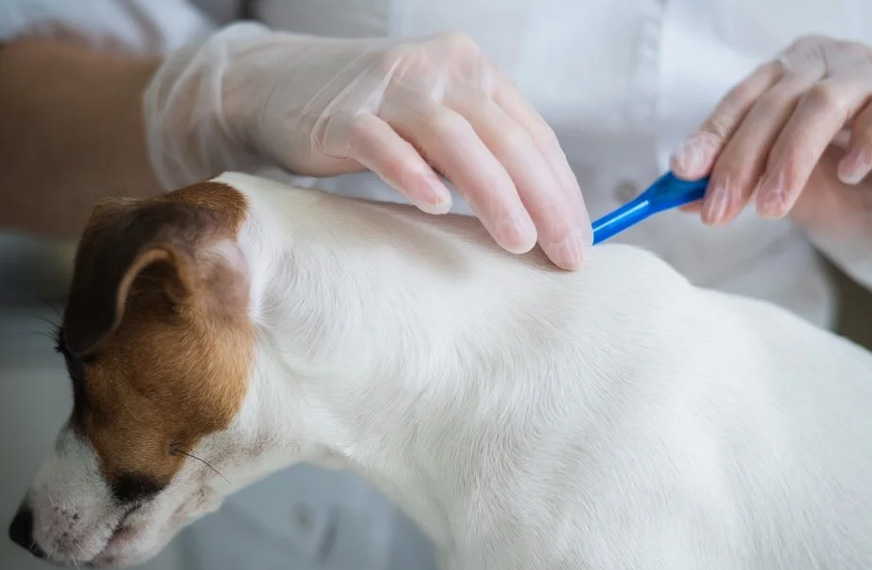
Keeping pets healthy and comfortable requires more than providing food, water, shelter, and affection. Preventive care is an important part of responsible ownership because animals can encounter parasites during everyday activities both indoors and outdoors. Fleas and ticks can cause irritation, excessive scratching, skin discomfort, and other problems, while an untreated infestation may affect the household environment as well. Understanding how these parasites behave, recognizing early warning signs, and establishing consistent preventive habits can make management much easier. A thoughtful approach to flea and tick control combines routine inspection, grooming, appropriate preventive products, environmental maintenance, and professional guidance when necessary.
Understanding Common Parasite Problems
Fleas and ticks are external parasites, but they behave differently and can create different challenges for pets. Fleas are small insects that can move rapidly through an animal’s coat and reproduce under suitable conditions. Their eggs and immature stages can exist in the surrounding environment, including carpets, bedding, furniture, and other protected areas. Ticks attach to animals and feed while remaining connected to the skin, often hiding in areas that are difficult to inspect. Because these parasites have different life cycles and habits, prevention should be approached carefully rather than assuming that one method will work for every situation. Understanding the differences can help owners make better decisions about routine care.
Recognizing Early Warning Signs
Pets may show several signs when parasites are present, although symptoms can vary between individual animals. Frequent scratching, licking, biting, rubbing against furniture, excessive grooming, or sudden restlessness may indicate irritation. Owners may also notice redness, small bumps, hair loss, scabs, or unusual skin changes. Flea dirt can appear as tiny dark particles within the coat or on bedding, while ticks may be visible as small attached objects on the skin. Some parasites can remain hidden, particularly in animals with thick or long coats. Regular inspection makes it easier to identify unusual changes before the problem becomes more difficult to manage.
Why Prevention Matters
Preventive care can reduce the likelihood of parasites becoming established on pets or throughout the household. Waiting until visible parasites appear may allow an infestation to develop before action is taken. Prevention should be based on the animal’s age, species, weight, health, lifestyle, and exposure to outdoor environments. A veterinarian can help determine which preventive products and schedules are appropriate for an individual pet. Flea and tick control is generally most effective when it becomes part of a regular care routine rather than an occasional response to a visible infestation. Consistency is particularly important because parasite exposure can occur repeatedly.
Choosing Appropriate Preventive Products
There are numerous products available for parasite prevention, including topical treatments, oral medications, collars, shampoos, and other formulations. However, products are not universally interchangeable, and some treatments designed for one species may be unsafe for another. Owners should carefully follow product labels and veterinary instructions concerning dosage, frequency, application, and age restrictions. Special care may be necessary for young animals, senior pets, pregnant animals, or pets with existing medical concerns. Products should not be combined without professional guidance simply because an infestation appears difficult to manage. Appropriate selection and correct use are essential parts of responsible parasite prevention.
Maintaining Regular Grooming
Grooming provides an excellent opportunity to examine a pet’s coat and skin. Brushing can reveal fleas, flea dirt, ticks, irritated areas, wounds, or unusual changes that may otherwise remain unnoticed. During grooming, owners can pay particular attention to areas around the neck, ears, abdomen, paws, tail base, and between the toes. The appropriate grooming frequency depends on the animal’s breed, coat type, lifestyle, and individual needs. Grooming does not replace preventive treatment, but it can make early detection easier. Regular inspection also allows owners to become familiar with what their pet’s normal skin and coat look like, making unusual changes easier to recognize.
Keeping Pet Bedding Clean
Pets spend significant amounts of time resting on beds, blankets, cushions, rugs, and furniture. These areas can accumulate hair, skin flakes, dirt, and potentially flea eggs or other debris. Bedding should be washed according to its care instructions, and frequently used resting areas should receive regular attention. If an infestation is suspected, cleaning should be coordinated with the broader management plan because washing bedding alone may not address parasites elsewhere in the environment. Regular bedding maintenance supports a cleaner resting area and can make it easier to identify unusual particles or signs of parasite activity. Clean sleeping spaces also contribute to general household hygiene.
Vacuuming the Home Regularly
Regular vacuuming can be especially useful when fleas are present because immature flea stages may develop in carpets, rugs, upholstery, cracks, and other protected areas. Floors, furniture, corners, areas beneath furniture, and pet resting locations should receive appropriate attention. The vacuum should be handled and emptied according to the manufacturer’s instructions, particularly after cleaning areas where parasite activity is suspected. Removing clutter can also make cleaning more thorough by exposing areas that might otherwise remain hidden. Vacuuming does not replace appropriate treatment, but it can support an integrated approach by helping reduce environmental debris and making it easier to monitor changes.
Protecting Pets During Outdoor Activities
Outdoor activities can increase the chance of encountering ticks and other parasites. Pets that spend time in tall grass, brush, gardens, wooded areas, or other vegetation may have greater exposure. Owners can reduce unnecessary contact with heavily overgrown areas when practical and should inspect pets after outdoor activities. Paying attention to the coat, ears, paws, neck, and other areas where ticks may hide can help identify attachments early. Preventive products remain important because avoiding every potential exposure is not always possible. Combining regular inspections with appropriate preventive care provides a more reliable strategy than depending solely on environmental avoidance.
Checking Pets After Outdoor Exposure
A quick inspection after outdoor activity can become an easy part of a daily routine. Owners should examine the coat carefully, using their fingers or an appropriate comb when necessary to identify unusual bumps or attached parasites. Ticks may be particularly difficult to notice because they can hide beneath fur or around body folds. If a tick is found, it should be removed carefully using an appropriate technique. Owners should avoid unnecessary handling or crushing of the parasite. If the pet develops unusual symptoms after exposure or the bite area becomes concerning, veterinary guidance can help determine whether additional evaluation is appropriate.
Managing Multiple Pets
Households with multiple animals require coordinated parasite prevention because pets can share the same environment and resting areas. If one animal has fleas, other pets may also have been exposed even when they show no obvious signs. Treating only the visibly affected animal may allow parasites to remain on another pet or in the household environment. Each animal should receive products appropriate for its species, age, weight, and health status. Owners should consult a veterinarian when they are uncertain about combining treatments or establishing a preventive schedule. Consistent management across the household can reduce opportunities for parasites to move between animals and their surroundings.
Understanding the Flea Life Cycle
Fleas can be difficult to eliminate because they exist in several stages. Adult fleas live primarily on animals, while eggs and immature stages can develop in the environment. These stages may remain hidden in carpets, furniture, bedding, cracks, and other areas where they are protected from disturbance. As a result, reducing the number of visible adult fleas does not necessarily mean the entire infestation has been eliminated. Continued prevention and environmental cleaning may be necessary. Understanding this life cycle helps explain why repeated, consistent management is often more effective than relying on a single treatment or cleaning session.
Understanding Tick Exposure
Ticks are often encountered in outdoor environments where animals pass through vegetation. They may attach to a pet after contact with grass, shrubs, brush, or other suitable habitats. Because ticks can remain attached for extended periods, routine inspection is an important preventive habit. Owners should check areas that are less visible, including around the ears, under collars, between toes, and beneath the legs. Appropriate preventive products can reduce the risk of prolonged attachment, but no prevention method should be considered an absolute guarantee. Regular checking remains useful even when pets receive routine preventive treatment.
Using Treatments Responsibly
All parasite-control products should be used according to their labels or veterinary instructions. Owners should understand the correct dosage, application method, treatment frequency, storage requirements, and any instructions concerning contact with people or other animals. Applying more product than recommended does not necessarily produce better results and may increase the risk of unwanted exposure. Different treatments should not be combined without professional guidance. Products should also be stored safely and kept away from children and animals that should not come into contact with them. Responsible use is just as important as selecting an appropriate product.
Considering Children and Other Animals
Homes with children, cats, dogs, rabbits, or other animals may require additional care when parasite treatments are used. A product that is appropriate for one species may not be appropriate for another. Certain treatments can be particularly dangerous when incorrectly applied to animals for which they were not designed. Children should not handle parasite-control products unless specifically instructed and supervised by a responsible adult. Treated animals should be managed according to product directions concerning contact and re-entry. When there is uncertainty about safety, veterinary advice should be obtained before applying a new treatment.
Maintaining Outdoor Areas
The condition of outdoor spaces can influence parasite exposure. Overgrown vegetation, piles of leaves, accumulated debris, and other conditions can create environments where ticks and other pests may be encountered. Keeping outdoor areas reasonably maintained can reduce some potential habitats and make inspections easier. Vegetation near commonly used pathways can be trimmed appropriately, while stored materials should be organized rather than left in dense piles. These measures cannot eliminate every source of parasite exposure, but they can support a broader prevention strategy. Outdoor maintenance works best when combined with regular pet inspections and appropriate preventive care.
Supporting a Clean Household
Household cleanliness can complement parasite prevention by reducing environmental conditions that may support infestations. Floors should be cleaned regularly, pet bedding should be maintained, food should be stored properly, and waste should be managed appropriately. Furniture and carpets may require additional attention when pets spend considerable time on them. Clutter should be minimized in areas where parasites or their immature stages could remain hidden. Cleanliness alone cannot guarantee that a pet will remain parasite-free, but it can make the environment easier to inspect and maintain. A clean household also makes it easier to recognize new signs when they appear.
When Professional Assistance May Be Necessary
Some parasite problems can be difficult to manage without professional assistance, especially when activity continues despite appropriate preventive measures and environmental cleaning. Persistent scratching, repeated parasite sightings, multiple affected animals, or evidence of an extensive household infestation may indicate that a broader plan is necessary. A veterinarian can assess the pet and recommend suitable treatment options, while professional pest-management assistance may be useful when environmental flea activity has become difficult to control. Professional guidance can help identify the likely source of the problem and prevent owners from repeatedly applying unsuitable products without addressing the underlying issue.
Monitoring After Treatment
Follow-up monitoring is an important part of parasite management because some life stages may remain after an initial treatment. Owners should continue checking pets and observing household areas for signs of activity. Any post-treatment instructions provided by a veterinarian or product manufacturer should be followed carefully. If parasites continue to appear, owners should avoid automatically increasing product doses or combining treatments without professional guidance. Instead, the situation should be reassessed to determine whether environmental stages, reinfestation, incorrect application, or another issue may be responsible. Monitoring provides useful information and helps determine whether additional action is appropriate.
Supporting Overall Pet Wellness
Parasite prevention should be considered one part of comprehensive pet care. Animals also need suitable nutrition, regular veterinary examinations, exercise, grooming, clean water, appropriate shelter, and attention to behavioral or physical changes. Scratching and skin irritation can have many causes, including allergies, infections, environmental irritation, and other conditions. Owners should not automatically assume that every skin problem is caused by fleas or ticks. When symptoms are persistent, severe, or unusual, professional veterinary evaluation can help identify the underlying cause. Maintaining general health can also support an animal’s ability to cope with everyday environmental challenges.
Creating a Consistent Prevention Routine
The most useful prevention plans are simple enough to follow consistently. Owners can establish regular dates for grooming, coat inspections, bedding maintenance, vacuuming, outdoor checks, and preventive treatments. Written records or reminders can help prevent missed doses and reduce the risk of accidental duplicate treatments. Each animal should have an appropriate schedule based on its individual circumstances rather than simply following another pet’s routine. Consistency is more valuable than occasional intensive efforts followed by long periods without attention. Making prevention part of normal pet care can help owners recognize changes earlier and respond more appropriately.
Final Thoughts
Protecting pets from fleas and ticks requires a combination of preventive care, regular inspection, appropriate treatment, environmental maintenance, and informed decision-making. Flea and tick control should be tailored to each animal’s species, age, weight, health, lifestyle, and exposure level, with veterinary guidance when necessary. Regular grooming, clean bedding, household vacuuming, outdoor awareness, and careful product use can all support a comprehensive prevention routine. When parasite activity becomes persistent or difficult to manage, professional assistance can help identify the underlying problem and determine appropriate next steps. By making parasite prevention a consistent part of responsible pet ownership, families can support the comfort, health, and well-being of their animals while maintaining a cleaner home environment.

