


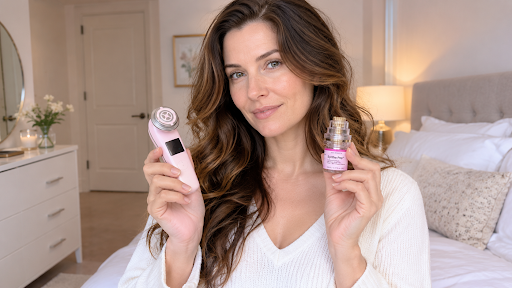
Healthy-looking skin does not necessarily require an expensive collection of beauty products or frequent trips to a skincare clinic. A consistent at-home skincare routine, combined with suitable products and healthy daily habits, can help maintain the skin barrier, improve hydration, and support a smoother, more refreshed appearance. The key is understanding what your skin needs and choosing treatments that complement rather than overwhelm its natural functions. Whether you are addressing dryness, uneven texture, fine lines, or dullness, a thoughtful approach can make everyday skincare more effective.
For people exploring modern home skincare options, Even Skyn offers products designed to complement a personal beauty routine, including the Lumo-Microinfuser. Devices and specialized treatments can be interesting additions to a skincare regimen, but they work best when used responsibly alongside the fundamentals: gentle cleansing, appropriate moisturization, sun protection, and realistic expectations about results.
Why a Consistent Home Skincare Routine Matters
Skin is constantly exposed to environmental factors such as sunlight, pollution, temperature changes, and dry indoor air. These conditions can contribute to moisture loss, irritation, and visible signs of aging. A consistent routine helps address everyday concerns while supporting the skin’s protective barrier.
Rather than changing products frequently in search of immediate results, focus on a few reliable steps. Using suitable products regularly gives you a better opportunity to understand how your skin responds and identify ingredients that may cause irritation.
Your routine should also reflect your skin type. Dry skin may benefit from richer moisturizers, while oily skin often responds well to lightweight, non-comedogenic formulations. Sensitive skin generally benefits from fragrance-free products and fewer potentially irritating ingredients. If you are unsure about your skin type or have a persistent condition, a dermatologist can provide individualized guidance.
The Essential Steps of an Effective At-Home Skincare Routine
1. Cleanse Gently Without Stripping the Skin
Cleansing removes sweat, excess oil, sunscreen, makeup, and everyday impurities. However, aggressive cleansing can disrupt the skin barrier and leave the face feeling tight or uncomfortable.
Choose a gentle cleanser suited to your skin type. Wash your face with lukewarm water rather than very hot water, and avoid scrubbing aggressively with rough cloths or exfoliating brushes. For many people, cleansing in the evening is particularly important because it removes sunscreen and accumulated debris. A gentle morning cleanse may also be useful, depending on your skin’s needs.
If your face regularly feels dry or irritated after washing, consider whether your cleanser is too harsh or whether you are cleansing more frequently than necessary.
2. Use Moisturizer to Support the Skin Barrier
Moisturizing is important even for people with oily or acne-prone skin. A suitable moisturizer helps reduce water loss and keeps the skin feeling comfortable.
Ingredients such as glycerin and hyaluronic acid attract water, while ceramides help support the skin barrier. Cream-based moisturizers may be more comfortable for dry skin, whereas lighter lotions or gels may suit people who prefer less richness.
Apply moisturizer consistently, particularly after cleansing. Slightly damp skin can help some moisturizing products spread comfortably and support hydration. If a product causes persistent burning, redness, or itching, discontinue it and seek professional advice if symptoms continue.
3. Make Sunscreen a Daily Habit
Sun protection is one of the most important steps in maintaining healthy-looking skin. Ultraviolet radiation contributes to premature skin aging and increases the risk of skin cancer, even when the weather is cloudy.
Use a broad-spectrum sunscreen with SPF 30 or higher on exposed skin. Apply it generously and reapply approximately every two hours when outdoors, as well as after swimming or sweating, following the product’s directions. Protective clothing, sunglasses, and shade can provide additional protection.
A routine that includes excellent moisturizers and advanced beauty devices still needs consistent sun protection. Without it, daily exposure can continue contributing to uneven pigmentation, fine lines, and other visible changes.
Exploring Advanced Home Skincare Treatments
Once the basics are established, some people choose to explore specialized treatments designed to complement their routine. These may include facial massage tools, LED devices, exfoliating products, or micro-infusion-style skincare systems.
The right choice depends on individual concerns, product instructions, skin sensitivity, and the quality of supporting evidence. More treatments do not automatically mean better results. Introducing several new products or devices at the same time can also make it difficult to determine what is helping and what is causing irritation.
What Is a Micro-Infusion Skincare Device?
Micro-infusion-style skincare devices are designed to create controlled contact between a treatment applicator and the skin. Depending on the product, the applicator may contain very small projections or another specialized delivery mechanism intended to support the application of skincare formulations.
The exact design and intended use vary between devices. It is important to understand whether a product is designed for superficial cosmetic use or involves procedures that penetrate the skin. Products that breach the skin barrier carry additional risks, including irritation, infection, and injury when used incorrectly.
The lumo-microinfuser is one option consumers may encounter when researching at-home beauty treatments. Before incorporating any specialized device into your routine, review its instructions, ingredients, contraindications, cleaning requirements, and recommended frequency of use.
Do not assume that a home device provides the same results as a professional procedure. If you have active acne, eczema, rosacea, a skin infection, a tendency to develop abnormal scars, or another skin condition, consult a qualified healthcare professional before using a device that may irritate or penetrate the skin.
How to Use New Skincare Products Responsibly
Introducing a new treatment gradually can help you evaluate your skin’s response. Start by reading the complete instructions and checking whether the product is appropriate for your skin type and concerns.
Keep these practical guidelines in mind:
- Follow the manufacturer’s directions rather than increasing treatment frequency to accelerate results.
- Avoid applying products to broken, irritated, or infected skin unless a qualified professional specifically advises otherwise.
- Never share applicators or other devices that contact the skin in ways that could transfer contaminants.
- Clean reusable equipment exactly as directed and replace disposable components when required.
- Stop using a product if you experience significant irritation, swelling, persistent pain, or an unexpected reaction.
Patch testing can help identify some reactions to skincare products, although it cannot guarantee that a product will be safe for every use. Seek medical attention for severe reactions or signs of infection.
Build Your Routine Around Your Skin’s Needs
An effective routine should address your main concerns without adding unnecessary complexity. Someone with dry skin may prioritize barrier repair and hydration, while someone experiencing clogged pores may benefit from carefully selected acne treatments. Uneven pigmentation may require a combination of sun protection and evidence-based topical ingredients.
Avoid combining multiple strong active ingredients immediately, particularly exfoliating acids, retinoids, and other potentially irritating treatments. Introduce products gradually and give your skin time to adjust. If you experience persistent breakouts, unusual pigmentation, or ongoing irritation, professional assessment is more useful than repeatedly experimenting with new products.
It can also help to maintain a simple skincare journal. Record the products you use, how frequently you apply them, and any changes you notice. Taking occasional photographs in similar lighting may help you track gradual changes more objectively than checking your reflection several times each day.
Professional Facials and At-Home Skincare Can Work Together
Home skincare and professional treatments do not need to be competing approaches. A well-designed daily routine can support the skin between professional appointments, while a qualified skincare professional can help identify suitable treatments for specific concerns.
For a closer look at this relationship, read Daily Magazine NY’s guide to how professional facials can support a better skincare routine. Understanding what professional treatments can and cannot accomplish may help you decide which steps are appropriate to maintain at home.
When considering a facial or device-based procedure, ask about the practitioner’s qualifications, hygiene practices, expected recovery time, possible side effects, and whether the treatment is appropriate for your skin. People with persistent or medically significant skin concerns should consult a dermatologist rather than relying solely on cosmetic treatments.
Healthy Habits That Complement Your Skincare Routine
Skincare products are only one part of maintaining a healthy appearance. Everyday habits can also influence how your skin looks and feels.
Aim for adequate sleep, a balanced diet, regular physical activity, and sufficient fluid intake. Avoid smoking, and use sun protection consistently. Manage stress where possible, since stress can aggravate certain skin conditions in some individuals.
Be cautious of products that promise instant transformations or claim to eliminate every sign of aging. Skin naturally changes with time, and results vary according to genetics, health, environment, and the products or treatments used.
Conclusion
A successful at-home skincare routine begins with consistency rather than complexity. Gentle cleansing, effective moisturization, and daily sun protection provide a practical foundation for maintaining healthy-looking skin. Specialized products and devices, including micro-infusion-style systems, may interest consumers seeking additional options, but they should be evaluated carefully and used only according to appropriate safety guidance.
By choosing products suited to your skin, introducing treatments gradually, and seeking professional advice when necessary, you can develop a routine that supports your individual needs without unnecessary irritation or expense. The most valuable skincare approach is one that is safe, sustainable, and realistic about what it can achieve.

