


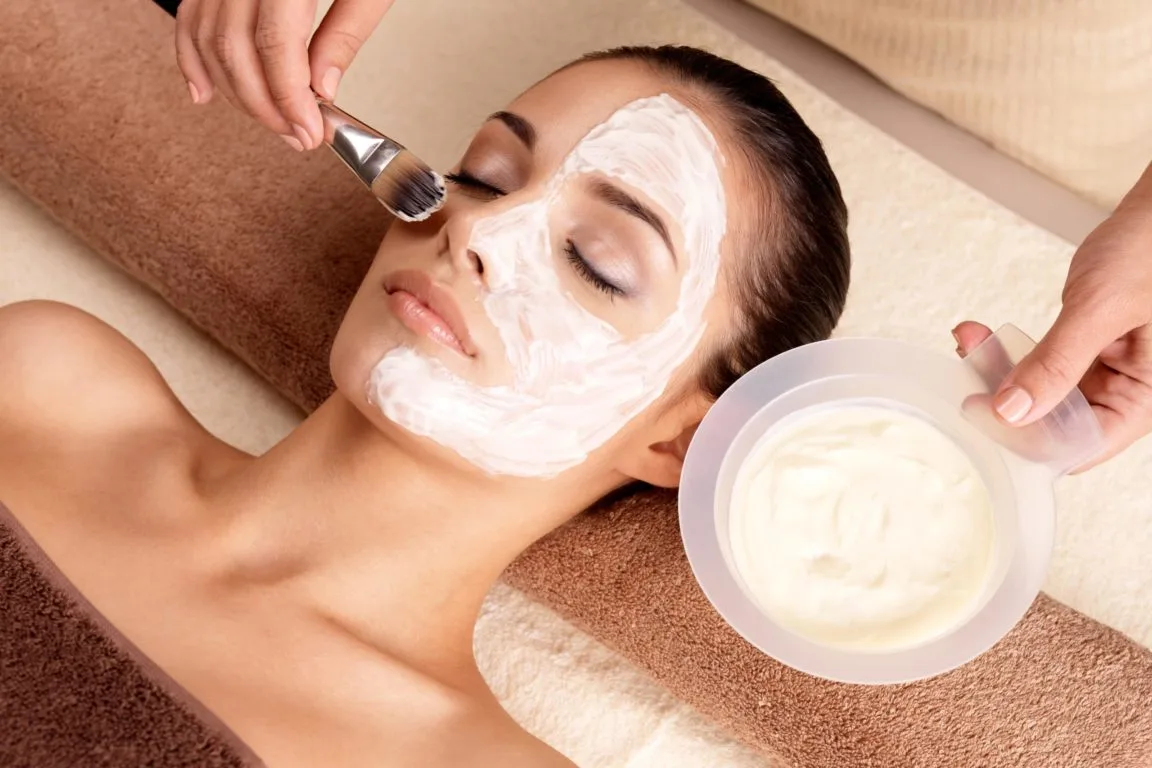
Most clients walk into a treatment room with a whole array of products. During a facial for instance, it becomes very clear very quickly which products are actually working for the client and which aren’t. This is where a practitioner adds the most value, by making changes to the client’s home routine after a treatment.
The following article explains where clinic treatment is superior to home care, where it is not and how best to communicate this to your clients to achieve the best results between treatments.
Assessment is the part clients cannot do themselves
The majority of clients have a fair idea of their skin type and usually get it wrong in quite a predictable manner. Dehydrated skin is seen as oily, perioral dermatitis is seen as acne and post-inflammatory erythema is ‘treated’ with products that continue to irritate the skin and prolong the redness.
What to capture at the first visit
- Barrier status, assessed by transepidermal water loss signs such as tightness, stinging on application, and flaking that does not respond to exfoliation
- Sebaceous activity by zone, not as a single skin type label
- Pigment depth, distinguishing epidermal from dermal involvement, since this changes the entire treatment pathway
- Current product list with concentrations and frequency, including anything the client does not consider skincare, such as cleansing wipes or body wash used on the face
- Medication and supplement history relevant to photosensitivity and healing
It is also very useful to take before and after photographs of the skin, of consistent design and illumination. Clients forget what their skin was like before treatment and this is also true of practitioners.
Cleansing as a corrective step, not a preliminary
The first cleanse of a client’s skin removes sunscreen, makeup and sebum from the surface of their skin. The second cleanse and treatment then allows for assessment of the skin’s resistance, texture and reactivity between the fingertips. This allows for a decision on which active ingredients to use on clients in home care.
Most home routine failures occur at the cleanser step. Over-foaming cleansers strip the skin of its natural barrier, and in a desperate attempt to fix this, clients are then urged to use thick, heavy moisturizers. This creates further congestion that the client believes needs to be exfoliated. To fix this one failed product, a ten-step regime is created.
Exfoliation, where professional and home care divide cleanly
Other exfoliative treatments such as chemical peels, enzyme treatments and mechanical skin resurfacings are offered within a treatment room and contain high concentrations of active ingredients that are administered by a trained practitioner. These need to be given with full post care advice and therefore home exfoliation should be used as maintenance between treatments and not as an alternative to them.
Matching modality to goal
| Approach | Best suited to | Typical interval | Main risk |
| Enzymatic | Sensitized or reactive skin, barrier repair phases | Every 3 to 4 weeks | Under-treatment, slow visible change |
| Superficial AHA peel | Dullness, fine lines, uneven tone | Every 2 to 4 weeks in a course | Post-inflammatory pigmentation in deeper phototypes |
| Salicylic or BHA peel | Congestion, oily and acne-prone skin | Every 2 to 3 weeks | Excessive dryness if home actives are not paused |
| Microdermabrasion | Textural roughness, non-inflamed skin | Every 4 to 6 weeks | Capillary damage on fragile skin |
| Home acid toner | Maintenance between treatments | 2 to 3 times weekly | Stacking with retinoids, cumulative irritation |
Don’t forget to tell your clients to STOP USING THEIR HOME ACTIVES before and after your chemical exfoliation treatment and write the dates down on a slip of paper and hand it to them at the end of the treatment instead of telling them.
Hydration and the limits of a single appointment
An occlusive mask, ultrasound skin infusion and hydrated serum applied to warm, newly-exfoliated skin can create beautiful, plump skin for a few days. However, sustained hydration of the skin comes from rebuilding the skin’s natural barrier of lipids over weeks which can only be done at home with proper skin care products.
Framing this honestly with clients
Position the facial treatment as a step that enables your clients’ skin care to work better. It removes obstacles, improves penetration, cleanses out blockages, and reduces inflammation. The home skin care routine is the step that then holds that ground until your next treatment. This is why clients are usually better served by booking a planned course of facials in Jacksonville rather than a single one-off appointment, since practices working that way tend to retain their clients for ongoing treatments.
Building the handover into the appointment
Use the last 5 minutes of your treatment to outline your client’s routine, not to promote products. Your clients will appreciate your honesty and professionalism.
- Name the single change that will matter most before the next visit, and only that one
- Specify when to resume actives, with a date
- Set the review point, usually three to four treatments, at which the plan gets reassessed against the baseline photographs
- Flag what normal looks like, including any expected purging or flaking, so clients do not abandon the plan in week two
So much can go wrong with trying to implement complicated routines. More often than not, simpler regimes using better products would produce far better results. This can be worked out at the follow-up appointment.

