


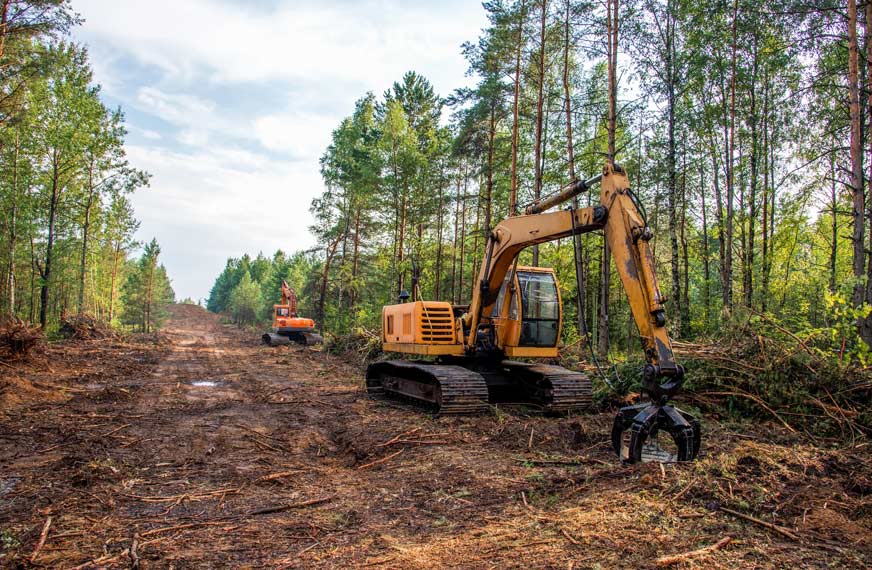
Preparing a piece of property for construction, agriculture, landscaping, recreation, or other development often begins with careful planning and preparation. One of the most important stages in this process is land clearing, which involves removing unwanted vegetation, trees, brush, debris, rocks, and other obstacles from a property. Although the work may appear straightforward, effective preparation requires knowledge of the terrain, existing vegetation, soil conditions, environmental considerations, and the intended use of the site. Properly planned clearing can create a safer and more functional space while reducing potential problems during later stages of development. Property owners who understand the process can make better decisions about equipment, scheduling, environmental protection, waste management, and site preparation before work begins.
What Is Land Clearing?
Land clearing refers to the organized removal of vegetation, trees, stumps, rocks, brush, fallen branches, and other materials that interfere with the planned use of a property. The exact scope of the work depends on the condition of the site and the goals of the property owner. Some projects may require the removal of only thick brush and small vegetation, while others may involve large trees, extensive root systems, dense undergrowth, or accumulated debris. Because every property has different characteristics, the work should begin with an assessment rather than immediately bringing heavy machinery onto the site. A detailed assessment helps identify potential hazards, drainage concerns, protected vegetation, unstable ground, and other factors that may influence the project.
Why Proper Planning Matters
Successful land clearing begins long before the first tree is removed or the first machine enters the property. Planning helps determine what should be removed, what should remain, and how the site can be prepared without creating unnecessary environmental or structural problems. Property boundaries should be clearly established so that work does not accidentally extend onto neighboring land. Underground utilities, access routes, drainage features, slopes, and existing structures should also be considered. A clear plan can reduce delays, prevent avoidable damage, and help control project costs. It can also establish a logical sequence for removing vegetation, processing materials, grading disturbed areas, and preparing the property for its next stage of development.
Assessing the Property Before Work Begins
A thorough property assessment is an important part of land clearing because it provides information about the physical conditions of the site. Professionals may examine tree sizes, vegetation density, soil composition, slope, drainage patterns, access points, and the presence of structures or utility lines. They may also identify areas that should be preserved because they provide shade, wildlife habitat, erosion control, or aesthetic value. The intended purpose of the property should influence the assessment as well. A future building site may require a different approach from agricultural land, a recreational area, or a landscaped property. Understanding these factors before work begins makes it easier to develop an efficient and responsible clearing strategy.
Choosing the Right Equipment
The equipment used for land clearing depends heavily on the size and condition of the property. Smaller projects may be handled with compact machinery, chainsaws, brush cutters, and specialized attachments, while larger sites can require excavators, bulldozers, skid steers, mulchers, stump grinders, and other heavy equipment. Using machinery that is too large for a sensitive site can cause unnecessary soil disturbance, while equipment that is too small may increase labor time and operating costs. Experienced operators understand how different machines behave on slopes, soft ground, wooded areas, and uneven terrain. Equipment selection should therefore be based on the work required, site conditions, accessibility, and the desired level of ground disturbance.
Tree and Vegetation Removal
Trees are often one of the most significant components of land clearing projects. Removing a tree safely requires consideration of its size, condition, lean, surrounding structures, nearby utility lines, and the available space for controlled removal. Smaller vegetation can sometimes be cut or mulched directly, whereas larger trees may need to be removed in sections to reduce risk. Stumps and root systems can create additional challenges because leaving them in the ground may interfere with foundations, roads, landscaping, or future planting. Depending on the intended use of the property, some healthy and strategically positioned trees may be preserved rather than removed. Selective removal can maintain useful shade and natural character while still providing enough open space for development.
Handling Brush and Organic Debris
Dense brush, vines, branches, and fallen vegetation can make a property difficult to access and may hide hazards beneath the surface. Removing this material improves visibility and creates safer working conditions for machinery and personnel. Organic debris can often be processed through chipping or mulching, allowing useful material to remain on the property rather than being transported elsewhere. In suitable situations, wood chips can contribute to erosion control, pathways, or landscaping applications. However, debris management should be planned before clearing begins because piles of vegetation can become difficult to move once the project progresses. An organized approach ensures that removed material does not interfere with access, drainage, equipment movement, or future construction.
Managing Stumps and Roots
Stump removal is another important consideration when preparing a property for future use. A stump that remains after a tree has been cut can interfere with construction, attract insects, restrict landscaping options, and create an obstacle for vehicles or machinery. Large root systems can also remain underground and affect future excavation or grading. Depending on the project, stumps may be ground down, excavated, or treated through other appropriate methods. The best option depends on the intended use of the site, soil conditions, stump size, and available equipment. Removing roots and stumps thoroughly can create a more predictable surface and reduce the possibility of unexpected obstacles during subsequent construction or landscaping work.
Soil Protection and Erosion Control
One of the most important environmental considerations during land clearing is protecting the soil. Removing too much vegetation too quickly can leave exposed ground vulnerable to wind and water erosion, especially on sloped properties. Heavy machinery can also compact soil, affecting drainage and reducing the ability of plants to establish later. A responsible approach focuses on minimizing unnecessary disturbance and stabilizing exposed areas as soon as practical. Temporary measures may include erosion-control materials, mulch, drainage channels, or strategic vegetation retention. Once the site is prepared, permanent landscaping, planting, grading, or other stabilization methods can help restore soil function and reduce long-term erosion risks.
Protecting Drainage Patterns
Natural drainage should be considered carefully during land clearing because vegetation removal and changes to the ground surface can affect how water moves across a property. Blocking an existing drainage path may cause water to collect in unwanted areas, while excessive grading can redirect runoff toward buildings, roads, or neighboring properties. Before altering the terrain, property owners should understand existing water flow and identify low areas, channels, slopes, and locations where water naturally collects. Maintaining appropriate drainage can help protect foundations, driveways, landscaping, and soil. In larger projects, professional site planning may be necessary to ensure that changes to the property do not create future water-management problems.
Environmental Considerations
Land clearing can have environmental effects when vegetation and natural features are removed without proper planning. Trees and plants provide habitat, shade, carbon storage, soil protection, and other ecological benefits. For that reason, property owners should determine whether portions of the site can remain undisturbed while still meeting development objectives. Wildlife activity, nesting areas, waterways, wetlands, and other sensitive features may require special consideration. Responsible project planning balances the need for usable space with the preservation of valuable natural features. Depending on the property and proposed work, permits, environmental reviews, or other requirements may also apply, so checking applicable regulations before beginning work is an important part of preparation.
Safety During Clearing Projects
Safety should remain a priority throughout land clearing because the work can involve heavy machinery, falling trees, uneven terrain, hidden obstacles, and potentially unstable structures. Workers should understand the equipment they operate and use appropriate protective equipment for the tasks being performed. Machinery should be inspected regularly, and work zones should be organized so that people and equipment can move safely. Special attention is necessary when working around power lines, underground utilities, steep slopes, standing dead trees, and unstable ground. Clear communication between equipment operators and ground personnel can reduce the likelihood of accidents. A well-managed worksite is easier to control and allows the project to progress efficiently.
Benefits for Future Development
A properly prepared property can provide a stronger foundation for future construction, landscaping, agriculture, or recreational use. Removing unwanted obstacles makes it easier to survey the property, establish access routes, plan structures, install utilities, and perform grading. It can also reveal conditions that were previously hidden by thick vegetation, such as drainage issues, uneven ground, buried debris, or erosion. Identifying these conditions early allows property owners to address them before investing heavily in later construction stages. Proper preparation can therefore contribute to a more organized development process and help reduce surprises that might otherwise increase project costs or cause scheduling problems.
Recycling and Reusing Cleared Materials
Not every material removed from a property needs to become waste. Depending on its condition and the project’s requirements, trees and branches can sometimes be processed into mulch, wood chips, firewood, or other useful materials. Organic matter may also have applications in landscaping or soil management when handled appropriately. Rocks and other natural materials can potentially be reused for pathways, drainage features, retaining structures, or decorative purposes. Reusing materials can reduce disposal requirements and make the overall project more resource-efficient. Before deciding what to discard, property owners should consider whether cleared materials have practical value that can support the next stage of site preparation.
Cost Factors to Consider
The cost of land clearing varies significantly because no two properties require exactly the same amount of work. Important factors can include property size, vegetation density, tree diameter, stump quantity, terrain, soil conditions, accessibility, equipment requirements, disposal needs, and the desired level of site preparation. Projects involving steep slopes, dense forests, large stumps, or limited equipment access may require more time and specialized machinery. Additional expenses may also arise when materials need to be hauled away or when extensive grading is required afterward. Obtaining a detailed project assessment can provide a clearer understanding of the expected workload and help property owners establish a realistic budget.
Preparing for the Work
Property owners can take several steps before land clearing begins to make the process more organized. Clearly identifying property boundaries is essential, particularly when vegetation grows close to neighboring land. Important structures, utility locations, access points, and areas that should remain untouched should be identified in advance. Any valuable items that could be damaged by machinery should be moved or protected. It is also helpful to establish how removed vegetation, wood, rocks, and other materials will be handled. Having these decisions made beforehand allows the work crew to focus on the physical preparation of the property instead of stopping repeatedly to resolve avoidable questions.
When Professional Assistance Is Valuable
Some small properties can be prepared with basic tools and equipment, but larger or more complicated projects may benefit from experienced professionals. Skilled crews understand equipment operation, tree removal techniques, debris management, terrain challenges, and site safety procedures. They can also identify potential issues that may not be obvious to someone unfamiliar with property preparation. Professional assistance can be particularly valuable when large trees are near structures, slopes are steep, access is limited, or the property requires substantial grading after vegetation removal. Choosing experienced help can make the process more organized and reduce the likelihood of unnecessary damage or delays.
Final Thoughts
Effective land clearing is more than simply removing trees and brush from a property. It is a planned process that combines site assessment, equipment selection, vegetation management, safety practices, debris handling, soil protection, drainage awareness, and preparation for future use. When these elements are considered together, property owners can create a cleaner, safer, and more functional site while reducing unnecessary environmental disturbance. Careful preparation also makes it easier to move into construction, agriculture, landscaping, or other future projects. The key is to approach the work strategically, understand the conditions of the property, and make decisions based on both immediate requirements and long-term goals. With thoughtful planning and responsible execution, a challenging property can be transformed into a practical foundation for its next purpose.

