


Few things disturb a peaceful evening more than the faint scratching, scurrying, or gnawing coming from your walls or attic. That unsettling sound is often the first sign that rodents have moved in, and once they do, they rarely leave on their own. Mice and rats reproduce quickly, chew through wiring and insulation, and contaminate food sources with alarming speed.
Homeowners across Palm Beach County are discovering that a small rodent problem can escalate into a costly nightmare within weeks. From structural damage to serious health risks, an unchecked infestation touches nearly every corner of a home. Understanding how rodents get in, why they stay, and what it takes to remove them safely can save you thousands in repairs and countless sleepless nights.
This guide breaks down everything you need to know about identifying, preventing, and eliminating rodent infestations, along with why professional intervention often makes all the difference.
How Do Rodents Get Into Your Home?
Rodents are remarkably resourceful. A mouse can squeeze through a gap as small as a dime, while rats can wriggle through openings the size of a quarter. Common entry points include:
- Gaps around utility lines where pipes or cables enter the house
- Damaged vents and soffits that create easy access to attics
- Cracks in the foundation that widen over time
- Poorly sealed garage doors left open even briefly during warm evenings
Florida’s warm, humid climate makes homes particularly attractive to rodents seeking shelter, food, and water. Once inside, they build nests in insulation, wall voids, and attics, often going unnoticed until the damage becomes obvious.
What Are the Warning Signs of a Rodent Infestation?
Recognizing the early signs of a rodent problem can prevent a minor nuisance from becoming a full-blown infestation. Keep an eye out for:
Physical Evidence
Droppings near food storage areas, chewed wires, and shredded insulation are strong indicators that rodents have taken up residence. You might also notice greasy rub marks along baseboards where rats repeatedly travel the same path.
Unusual Sounds
Scratching or scurrying noises, especially at night, often point to activity in attics, walls, or crawl spaces. Rodents are nocturnal, so their movement tends to peak after dark.
Unpleasant Odors
A persistent musty or ammonia-like smell can signal rodent urine buildup, particularly in enclosed spaces like attics or beneath cabinets.
Why Is Professional Rodent Removal So Important?
DIY traps and store-bought repellents might catch a mouse or two, but they rarely solve the underlying problem. Rodents reproduce fast: a single female mouse can produce up to a dozen litters per year, with each litter containing several pups. Without addressing entry points and nesting sites, new rodents will simply replace the ones removed.
Professional removal goes beyond trapping. It involves a thorough inspection to locate nests, identify entry points, and assess the extent of damage already done. Sealing these access points is just as important as removing the current infestation, since it prevents future rodents from moving in.
There’s also the matter of health risks. Rodents are known carriers of diseases such as hantavirus and Salmonella, which can spread through droppings, urine, or contaminated food. Their constant gnawing also poses fire hazards when they chew through electrical wiring, making swift removal a safety priority, not just a comfort issue.
What Damage Can Rodents Cause to Your Home?
The financial impact of a rodent infestation often surprises homeowners. Beyond the immediate mess, rodents can cause:
- Electrical damage from chewed wiring, increasing fire risk
- Insulation destruction, leading to higher energy bills
- Structural weakening from gnawed wood beams and support structures
- Contaminated food supplies, requiring costly disposal and cleanup
Left unaddressed, these issues compound over time. What starts as a minor annoyance can turn into thousands of dollars in repairs, particularly when wiring damage leads to electrical fires or insulation replacement becomes necessary.
How Palm Beach Wildlife Services Handles Rodent Infestations
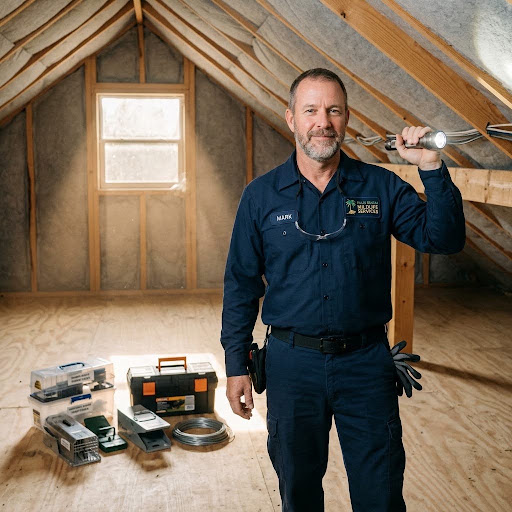
Fast, lasting relief from unwanted pests starts with tackling the problem at its source, and that’s exactly the approach Palm Beach Wildlife Services takes with every case. Their team begins with a detailed inspection of the property, identifying nesting locations, entry points, and the scope of existing damage. From there, they implement a customized removal strategy that combines humane trapping with long-term exclusion methods.
What sets their approach apart is the emphasis on prevention. Rather than simply removing the rodents present at the time of service, technicians seal entry points and reinforce vulnerable areas to stop future infestations before they start. This proactive strategy has made Rodent Removal through Palm Beach Wildlife Services a trusted solution for homeowners throughout the region who want more than a temporary fix.
Every job also includes guidance on reducing future risk, such as proper food storage, yard maintenance tips, and recommendations for sealing minor gaps homeowners can manage themselves. This combination of immediate action and long-term prevention gives families confidence that their homes stay protected well after the initial service.
Protecting Your Home Starts With Taking Action
Rodent infestations rarely resolve themselves, and the longer they go unaddressed, the greater the risk to your home’s structure, safety, and air quality. Recognizing early warning signs, understanding how rodents gain access, and knowing when to call in professional help are the first steps toward reclaiming a pest-free home.
If you’ve noticed unusual sounds, droppings, or damage that suggests unwanted guests have moved in, don’t wait for the problem to grow. Reach out to a trusted local team who understands the unique challenges Florida homes face and can provide lasting solutions tailored to your property.
Frequently Asked Questions
How quickly can rodents multiply once inside a home?
A single mouse can begin reproducing within weeks of finding shelter, with litters averaging six to eight pups. This rapid reproduction rate is why small infestations often become significant within a month or two.
Are rodent droppings dangerous to touch or breathe near?
Yes. Rodent droppings can carry harmful pathogens, including Salmonella and hantavirus. It’s best to avoid direct contact and ventilate the area before cleaning, ideally using gloves and a mask.
Can sealing entry points alone prevent future infestations?
Sealing entry points significantly reduces risk, but it works best when paired with removing existing rodents and addressing food or water sources that continue to attract them.

