


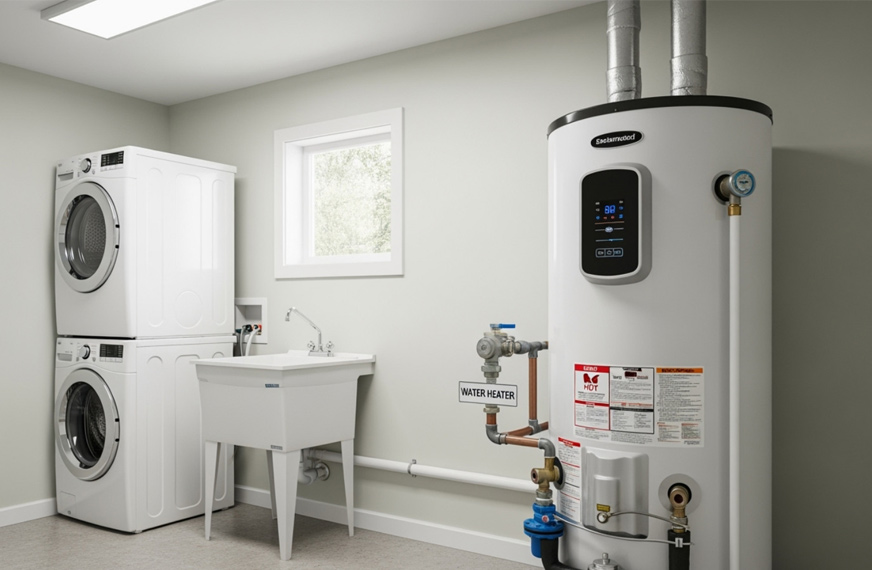
Hot water is an important part of modern daily life, supporting bathing, cleaning, washing dishes, laundry, and many other household activities. Because water heaters work regularly throughout the year, their components can eventually experience normal wear, mineral accumulation, corrosion, or mechanical and electrical problems. A small issue may initially appear as a minor inconvenience, such as slightly cooler water or unusual sounds, but ignoring these signs can allow the condition to become more serious. Regular inspection and responsible maintenance can help identify problems before they affect the entire system. When a water heater stops working properly, professional water heater repair can help determine the source of the problem and restore dependable performance. Understanding common water heater concerns allows property owners to respond appropriately instead of waiting until a complete system failure occurs.
Understanding the Importance of a Reliable Water Heater
A water heater provides more than simple convenience because many everyday household activities depend on a consistent supply of heated water. When the system works correctly, users can normally adjust fixtures and receive water at a comfortable temperature without giving much thought to the equipment. Problems become noticeable when the unit cannot heat enough water, produces inconsistent temperatures, or develops leaks and unusual sounds. These changes can indicate that one or more components are no longer operating as intended. Professional water heater repair may be necessary when routine maintenance cannot resolve the issue or when a component has become damaged. Paying attention to performance changes can help property owners address problems before they become more disruptive or expensive.
Common Warning Signs of Water Heater Problems
Water heater problems can appear in several different forms, and recognizing the warning signs early can make maintenance easier. A shortage of hot water, slow heating, fluctuating temperature, strange noises, rusty-colored water, visible moisture, or unexpected increases in energy consumption may indicate that the system needs attention. Some issues develop gradually, while others can occur suddenly because of a failed component or connection. If the same problem continues after basic checks, water heater repair may be required to determine what is happening inside the system. Property owners should avoid ignoring repeated symptoms simply because the unit continues to produce some hot water. Early professional assessment can sometimes prevent a minor component problem from developing into a more complicated failure.
Insufficient Hot Water and Reduced Performance
One of the most common complaints involving water heaters is that the available hot water does not last as long as expected. A household may notice that water becomes cold during a shower or that several fixtures cannot receive sufficient hot water at the same time. This can happen because of a malfunctioning thermostat, damaged heating element, sediment accumulation, incorrect settings, or an aging system that is no longer performing efficiently. The problem may also result from increased household demand that exceeds the unit’s original capacity. Water heater repair can help identify whether the issue is caused by a specific component or by the overall condition of the equipment. A proper diagnosis is important because replacing the entire system may not be necessary when a repair can restore normal operation.
Understanding Temperature Fluctuations
Consistent water temperature is an important part of comfortable hot water use. If the temperature suddenly changes while a fixture is operating, the issue may involve the thermostat, heating components, control system, or another part of the installation. Temperature fluctuations should not automatically be considered normal, particularly when they occur repeatedly or become more noticeable over time. Water heater repair can involve inspecting the relevant controls and components to determine why the system is failing to maintain stable temperatures. Property owners should also avoid setting temperatures unnecessarily high because excessive heat can create safety concerns and increase energy consumption. Appropriate settings and regular maintenance can support both comfort and dependable operation.
Unusual Sounds Coming From the Unit
A water heater may produce occasional sounds during normal heating, but new or increasingly loud noises deserve attention. Rumbling, popping, banging, or cracking sounds can sometimes occur when sediment accumulates at the bottom of a storage tank. Water trapped beneath sediment can heat unevenly and create movement that produces unusual sounds. Over time, significant buildup may also reduce heating efficiency and place additional stress on the system. Professional water heater repair can determine whether sediment or another component is responsible for the noise. Routine maintenance can help reduce the accumulation of deposits and support more efficient operation. If unusual sounds become persistent, arranging an inspection is preferable to assuming they will disappear on their own.
Water Leaks and Moisture Around the Unit
Water around a heater should never be dismissed without determining its source. Moisture may come from a loose connection, valve, fitting, pressure-related component, or another part of the system. In some cases, the storage tank itself may have developed corrosion or structural damage, which can require replacement rather than a simple repair. Water heater repair can address certain leaks when the affected component is serviceable and the tank remains structurally sound. Property owners should monitor the area around the unit for puddles, dampness, rust, or signs of ongoing moisture. Prompt attention can reduce the possibility of damage to floors, walls, cabinets, and other nearby materials.
The Effect of Sediment Buildup
Minerals and sediment can gradually accumulate inside traditional storage water heaters. These deposits can settle at the bottom of the tank and interfere with the transfer of heat from the heating source to the water. As the buildup increases, the system may require more energy to achieve the desired temperature and may begin producing unusual noises. Water heater repair and maintenance can address certain sediment-related performance issues, depending on the condition and design of the unit. Maintenance procedures should be performed according to manufacturer recommendations and the condition of the equipment. Keeping sediment under control can help support efficient operation and may contribute to a longer service life.
Problems With Heating Elements
Electric water heaters commonly use heating elements to transfer heat into the water. These elements can eventually wear out or become damaged, reducing the unit’s ability to heat water effectively. A partially failed system may still provide some hot water while taking much longer than normal to reach the desired temperature. A complete element failure may result in a significant loss of hot water. Water heater repair may include testing the heating elements and related electrical components to determine whether replacement is appropriate. Because electrical systems can present serious safety hazards, repairs involving wiring, terminals, or energized components should be handled by qualified professionals rather than attempted without proper knowledge.
Thermostat and Control Problems
Thermostats play an important role in maintaining the selected water temperature by controlling when heating components operate. A faulty thermostat can cause water to remain too cold, become excessively hot, or fluctuate unexpectedly. Sometimes incorrect settings can create symptoms that resemble equipment failure, while other situations involve a genuinely defective component. Professional inspection can help distinguish between a simple adjustment and a component that requires replacement. Water heater repair may involve testing the thermostat, checking related controls, and confirming that the system responds correctly to temperature changes. Proper temperature regulation is important not only for comfort but also for safe and efficient operation.
Gas-Powered Water Heater Concerns
Gas-powered water heaters use burners, ignition components, controls, ventilation systems, and other parts that require proper operation. A problem with any of these components can affect heating performance and may create safety concerns. Signs such as unusual burner behavior, repeated ignition problems, abnormal odors, or inconsistent heating should receive professional attention. Water heater repair involving gas components should be performed by appropriately qualified professionals who understand the safety requirements associated with combustion equipment. Property owners should never attempt to modify gas connections or bypass safety controls. If a strong gas odor or other immediate hazard is suspected, appropriate emergency safety procedures should take priority over troubleshooting the appliance.
Electrical Water Heater Safety
Electric water heaters contain electrical components that operate under significant power. Faulty wiring, damaged heating elements, malfunctioning controls, or repeated circuit interruptions can indicate an electrical problem. Water heater repair involving electrical components should be performed by someone with appropriate training and equipment. Property owners should not remove electrical covers or handle internal wiring simply to investigate a problem. Warning signs such as repeated breaker trips, burning odors, visible wiring damage, or sudden loss of heating should be taken seriously. Professional diagnosis can determine whether the issue is located within the heater, the electrical supply, or another connected component.
Why Regular Maintenance Matters
Routine maintenance can help property owners identify developing problems before they cause unexpected failures. Depending on the type of water heater, maintenance may involve inspecting connections, checking valves, monitoring temperature settings, addressing sediment, and examining visible components for corrosion or damage. Water heater repair may be needed when an inspection identifies a worn component or malfunctioning part. Maintenance requirements can vary according to the age, design, usage, and manufacturer recommendations for the unit. Keeping records of previous inspections and repairs can also help identify recurring problems. A proactive approach gives property owners more opportunity to plan repairs and replacements instead of dealing with sudden equipment failure.
Improving Water Heater Efficiency
Energy efficiency is an important consideration because water heating can contribute significantly to household energy use. A system that contains excessive sediment, has faulty controls, or operates with damaged components may consume more energy than necessary. Water heater repair can restore proper performance when a specific malfunction is responsible for inefficient operation. Property owners can also review temperature settings and follow the manufacturer’s recommendations for operation and maintenance. Insulation around appropriate components may provide additional efficiency benefits when installed correctly. Efficient operation is not necessarily about purchasing new equipment; in some situations, proper maintenance and targeted repairs can improve the performance of an existing unit.
Choosing Repair or Replacement
When a water heater develops a problem, property owners may wonder whether repairing the existing unit or replacing it would be more appropriate. The answer depends on several factors, including the age of the system, the nature of the failure, the history of previous repairs, and the overall condition of the equipment. Water heater repair may be practical when the problem involves an individual component that can be replaced without addressing the entire system. Replacement may become more reasonable when the tank is severely corroded, repeated failures occur, or the equipment has reached the end of its expected service life. A professional assessment can provide useful information for making an informed decision based on the condition of the specific unit.
Maintaining Tankless Water Heaters
Tankless systems operate differently from traditional storage units and therefore have different maintenance requirements. Instead of storing a large quantity of heated water, these systems heat water as it passes through the equipment. Mineral deposits can still accumulate in internal components and may affect performance if maintenance is neglected. Changes in water temperature, reduced flow, unusual noises, or system error indicators can signal that attention is needed. Water heater repair for a tankless system may involve examining sensors, heating components, controls, filters, or other specialized parts. Following the manufacturer’s maintenance recommendations can help keep the system operating reliably and may reduce the likelihood of unexpected performance problems.
Preparing for Unexpected Water Heater Failures
A sudden water heater failure can disrupt bathing, cleaning, laundry, and other everyday activities. Property owners can reduce the impact of an emergency by learning where the relevant water and energy shutoffs are located and keeping the area around the equipment accessible. If a substantial leak occurs, shutting off the appropriate water supply can help limit further water damage while professional assistance is arranged. Water heater repair can then address the cause once the equipment is safe to inspect. It is also useful to monitor older systems more closely when they begin showing repeated warning signs. Basic preparation can help reduce confusion and potential property damage when an unexpected problem occurs.
Protecting the Area Around the Water Heater
The space surrounding a water heater should remain accessible and free from unnecessary clutter. Storage items should not block important controls, valves, electrical components, or service areas. Property owners should also inspect the surrounding floor and walls periodically for signs of moisture, staining, corrosion, or other changes. Water heater repair can be more difficult when technicians cannot safely reach the relevant components. Keeping the installation area organized supports easier inspections and maintenance. It also allows property owners to notice leaks and other warning signs more quickly. Good housekeeping around the equipment is a simple but useful part of overall water heater care.
When Professional Assistance Is Necessary
Water heaters involve hot water, pressure, electricity, gas, and mechanical components, so complex problems can present safety risks. Professional assistance is appropriate when the unit develops significant leaks, stops producing hot water, repeatedly trips electrical protection, produces unusual sounds, or shows other persistent warning signs. Water heater repair can identify the source of the issue and determine whether a component can be repaired or replaced. Attempting complicated repairs without appropriate knowledge may create additional damage or personal safety risks. A qualified professional can also determine whether the problem is isolated or whether other parts of the system require attention. Prompt professional evaluation can help restore dependable operation while reducing unnecessary risks.
Extending the Service Life of the System
Proper use and timely maintenance can help a water heater remain functional for a longer period. Property owners should avoid ignoring small leaks, unusual sounds, temperature changes, or unexplained changes in energy use. Water heater repair can address certain faults before they place additional stress on other components. Regular inspections also provide an opportunity to identify corrosion, sediment, worn connections, and other developing concerns. As equipment becomes older, property owners should consider its repair history and overall condition when planning future maintenance. A proactive approach can make it easier to budget for eventual replacement while reducing the chance of an unexpected loss of hot water.
Conclusion
A dependable water heater supports many essential household activities, which makes proper maintenance and timely attention important for long-term performance. Warning signs such as insufficient hot water, temperature fluctuations, unusual sounds, leaks, sediment buildup, and electrical or gas-related issues should not be ignored. Professional water heater repair can address many component-level problems and help restore reliable operation when carried out by appropriately qualified professionals. Regular maintenance can also improve efficiency, reduce unexpected failures, and help property owners understand the condition of their equipment. Paying attention to early symptoms allows problems to be investigated before they become more disruptive. With responsible use, appropriate maintenance, and timely professional assistance, property owners can support a dependable hot water supply and protect their equipment for years to come.

