


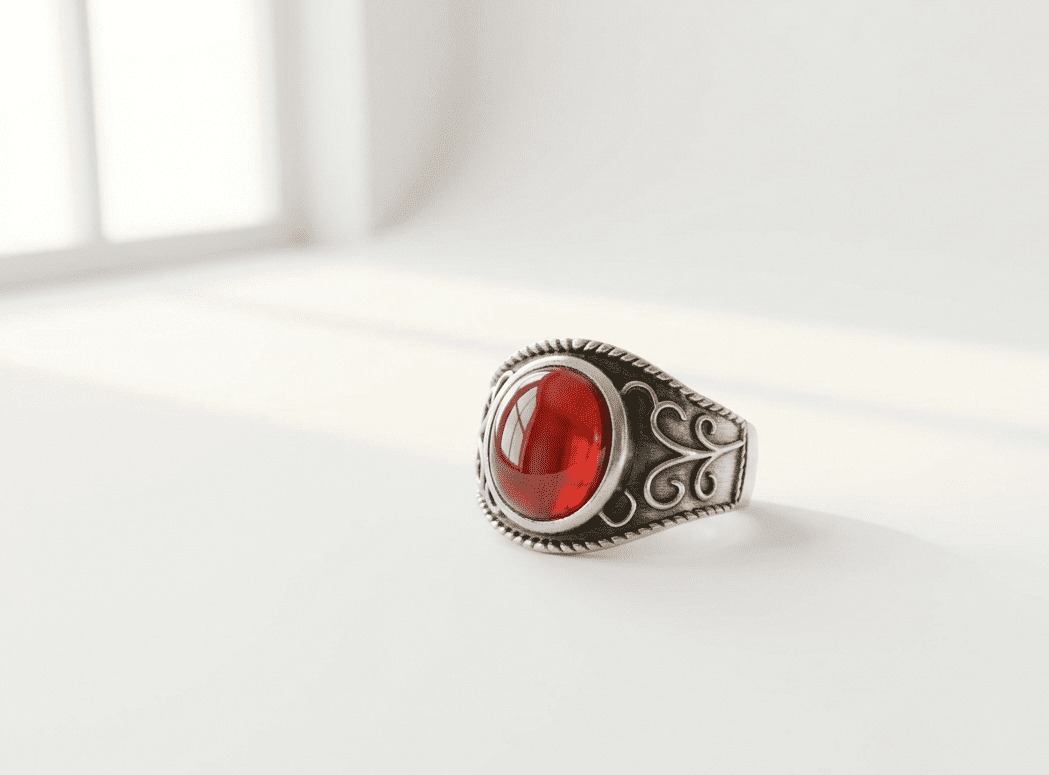
A red coral can catch the eye with its warm, ocean-born color, but appearance alone can’t confirm quality or authenticity. A polished surface may hide treatments, imitations, or unclear sourcing.
Before choosing a moonga gemstone, buyers should look beyond shine and compare its color, finish, origin details, certification, and suitability for their intended use. A careful inspection helps avoid rushed decisions, especially when descriptions and prices vary between sellers. Knowing what to ask makes the buying process clearer and supports a choice based on evidence rather than sales claims.
Essential Checks for Selecting a Quality Red Coral
Red coral is valued for its distinctive color and traditional associations, but individual pieces differ in quality, treatment, and documentation. Use these seven checks to assess a stone thoughtfully.
1. Examine the Color and Overall Appearance
Natural red coral commonly appears in shades ranging from orange-red to deeper, richer red. Color preferences are personal, so focus on an even appearance and whether the stone matches the seller’s description. Strong lighting can make colours look different; inspect the piece in neutral light where possible. Small variations do not automatically prove that a stone is genuine or defective. Ask for clear photographs from multiple angles, and compare them with the actual item before deciding. Inspect the stone in neutral light, since spotlights can exaggerate saturation and gloss.
2. Inspect the Surface and Polish
A well-finished coral should have a surface appropriate to its cut and intended design. Look closely for visible cracks, chips, pits, scratches, or uneven polishing that may affect appearance or durability. Some natural features may occur, but sellers should honestly explain any noticeable marks. If the piece is mounted in jewelry, inspect the exposed areas and check whether the setting hides important details. A neat finish adds visual appeal, but polish alone doesn’t prove authenticity, so assess it alongside documentation and other quality indicators. For loose stones, view the reverse and edges as well as the front; settings may hide details.
3. Verify Authenticity Through Reliable Documentation
Imitations made from glass, plastic, dyed materials, or other substances may resemble coral at first glance. Avoid relying on colour, weight, or a seller’s verbal assurance as the only test. Ask for a certificate from a credible gemological laboratory and confirm that the report identifies the material clearly. Check whether the document corresponds to the item being sold and whether its issuing organisation can be contacted. When doubts remain, seek an independent assessment instead of attempting home tests that might scratch or damage the stone. If report wording is unclear, ask the laboratory or an independent gem expert to explain it.
4. Ask About Treatments and Material Origin
Some gemstones and organic gem materials may be treated to alter colour or improve appearance. Buyers should ask whether the coral has been dyed, coated, filled, or otherwise enhanced, and whether any treatment affects care requirements or value. Request written disclosure rather than accepting vague phrases such as “premium quality.” Origin information may also help explain the seller’s supply chain, although origin claims should be supported rather than assumed. Transparent answers allow buyers to compare pieces fairly and understand exactly what they are purchasing. These questions matter when a moonga gemstone is marketed with specific origin or quality claims. Keep answers with the certificate and invoice.
5. Match the Shape, Size, and Setting to Your Needs
Red coral is sold in different shapes, sizes, and finishes, including beads, cabochons, and pieces designed for rings or pendants. Consider how the stone will be worn, how often it will be used, and whether the setting protects its edges. A larger piece is not automatically better; proportion, comfort, and workmanship matter. Check measurements rather than judging size from photographs alone. For jewellery, inspect the metal, prongs, clasp, and overall construction so the finished item suits your routine and keeps the stone secure. For daily wear, check comfort and setting stability before buying. Practicality may matter more than size.
6. Compare Pricing and Seller Transparency
Price can vary according to colour, size, finish, documentation, treatment, and the seller’s sourcing practices. An unusually low offer deserves careful questions, but a high price does not guarantee authenticity or superior quality. Compare similar items using consistent details and ask for an itemised invoice describing the stone and any jewellery components. Review return terms, exchange conditions, and policies for resolving authenticity concerns before paying. Clear answers and written records make it easier to evaluate value without being pressured by urgency, discounts, or unsupported promises. Be cautious of claims guaranteeing luck, health, or financial outcomes; they are not evidence of quality.
7. Review Care Guidance and Long-Term Suitability
Coral is an organic gem material and needs thoughtful handling. Ask the seller for care instructions, particularly if the piece is mounted in jewelry or intended for frequent wear. As a general precaution, avoid harsh chemicals, abrasive cleaning, and prolonged contact with cosmetics or perfumes. Store the item separately to reduce scratches, and use a soft cloth for gentle cleaning unless a qualified jeweler advises otherwise. Understanding maintenance helps preserve appearance and informs whether the piece suits your lifestyle. Keep certificates and purchase records safely for future reference. If a seller refuses questions, provides no documentation, or pressures you to pay immediately, consider walking away before making your final purchase decision.
Final Thoughts
A considered purchase combines visual appeal with reliable evidence. Buyers should prioritize transparent disclosure, independent verification, suitable workmanship, and clear after-sales terms rather than relying on appearance alone. These checks matter whether the stone is for jewelry, collecting, or personal tradition; spiritual associations should not be treated as scientifically proven outcomes.
For those planning to buy red coral gemstone in Bangalore, Rudratree helps buyers explore gemstone options and make informed choices with greater clarity. They encourage a thoughtful approach that considers verified details, reliable documentation, and individual preferences. Before making your final decision, compare available options, ask the right questions, and ensure the seller provides transparent information. A meaningful purchase is not simply about the stone’s appearance; it is about choosing with confidence, knowing your decision is supported by careful evaluation and trustworthy details.

