


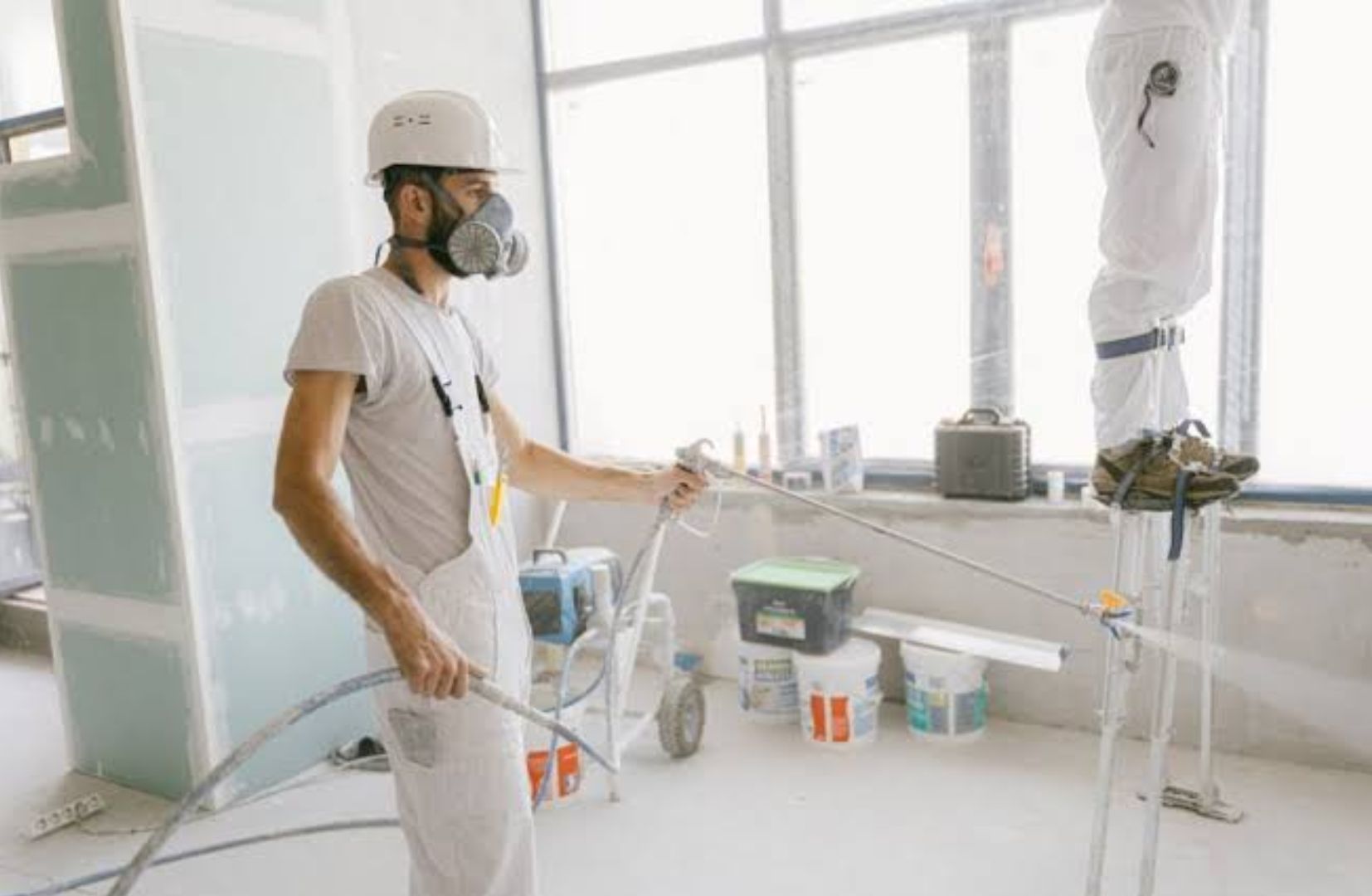
A well-maintained commercial property creates an immediate impression on customers, employees, visitors, and business partners. Fresh, professionally applied paint can make an aging building look cleaner, more organized, and more inviting while also helping protect walls, ceilings, exterior surfaces, and other parts of the property from everyday wear. Unlike residential painting, commercial painting often involves larger spaces, tighter schedules, specialized surfaces, and the need to coordinate work around normal business operations. For these reasons, selecting the right approach and working with experienced professionals can make a significant difference in the quality and efficiency of a painting project.
Commercial properties can include offices, retail stores, restaurants, warehouses, apartment buildings, schools, healthcare facilities, industrial buildings, and many other structures. Each type of property has different functional requirements and environmental conditions. A busy retail environment may need durable finishes that withstand frequent contact, while an office may prioritize a clean and professional appearance. Industrial spaces may require coatings designed for specific surfaces or demanding conditions. Understanding these differences allows property owners and managers to develop a painting plan that meets both aesthetic and practical needs.
Understanding Commercial Painting
Commercial painting refers to painting and coating services performed for business and other large-scale properties. The work may involve interior walls, ceilings, doors, trim, stairwells, floors, exterior walls, metal surfaces, concrete, and other structural components.
A commercial project typically requires more planning than a small residential painting job. The size of the property, number of rooms, surface conditions, operating schedule, and accessibility can all affect the project.
Professional painters may begin by inspecting the property and determining what preparation is required. They can identify peeling paint, cracks, stains, damaged surfaces, moisture concerns, and areas that need additional repair before painting begins.
Proper preparation is essential because even high-quality paint cannot produce a durable result when applied over an unstable or poorly prepared surface.
Why Professional Painting Matters for Businesses
The appearance of a commercial property can influence how people perceive the business operating inside it. Clean, well-maintained walls and surfaces can create a more organized environment and contribute to a professional atmosphere.
Paint can also serve a protective purpose. Exterior coatings can help surfaces withstand weather exposure, while appropriate interior finishes can provide resistance against routine cleaning, scuffing, and general wear.
Professional painters understand how to select suitable products and application methods for different surfaces. They also have the equipment and experience necessary to work efficiently across large areas.
A professionally planned project can reduce interruptions while delivering a more consistent finish.
Planning a Commercial Painting Project
Careful planning is one of the most important stages of any commercial painting project. Before work begins, property owners should establish the areas that need painting, desired colors, finish requirements, surface repairs, project deadlines, and operating constraints.
A detailed plan can also identify which areas need to remain accessible during the work. For businesses that operate every day, painting may need to be divided into sections so that employees and customers can continue using parts of the property.
Scheduling is particularly important for retail stores, offices, restaurants, and other businesses where downtime can affect normal operations.An experienced contractor can help create a work schedule that balances efficiency with the practical needs of the business.
Preparing Interior Surfaces
Surface preparation is one of the most important factors in achieving a professional finish. Walls and other surfaces may contain dust, grease, stains, peeling paint, holes, cracks, or other imperfections.Depending on the condition of the surface, preparation may include cleaning, sanding, scraping, patching, caulking, priming, or repairing damaged areas.
Skipping preparation can result in poor adhesion, uneven coverage, visible imperfections, and premature paint failure.Commercial properties often experience significant wear, so proper preparation can be especially important before applying a new coating.
Not every paint product is suitable for every commercial environment. Paint should be selected according to the surface, location, expected traffic, cleaning requirements, moisture exposure, and desired appearance.High-traffic areas may benefit from durable finishes that can tolerate repeated cleaning and contact. Bathrooms and other moisture-prone spaces may require products designed for those conditions.
Exterior surfaces need coatings capable of handling sunlight, rain, temperature changes, and other environmental exposure.Professional contractors can help property owners understand the differences between available products and select coatings appropriate for the specific application.
Selecting Colors for Commercial Spaces
Color can have a significant effect on the appearance and atmosphere of a commercial property. Businesses may select colors based on branding, interior design, customer experience, or the desired character of a particular space.
Neutral shades are commonly used in offices and professional environments because they can create a clean and adaptable appearance. Retail businesses may use stronger colors to support branding or create visual interest.Color should also be considered in relation to lighting. A shade may look different under natural daylight compared with artificial lighting.
Testing samples before committing to a complete color scheme can help property owners evaluate how the selected colors will appear in the actual environment.
Painting Office Buildings
Office buildings require finishes that support a professional and comfortable work environment. Walls may experience regular contact, furniture movement, and occasional scuffing.
Common areas, conference rooms, hallways, reception areas, and individual offices may have different design requirements.Painting can also be scheduled in phases to reduce disruption to employees. Evening, weekend, or staggered work may be appropriate depending on the business’s operating hours.
Careful protection of furniture, electronics, flooring, and office equipment is also essential during the project.
Retail spaces require careful attention to appearance because customers interact directly with the environment. Walls, doors, displays, and other surfaces can experience frequent contact and wear.A fresh coat of paint can help create a cleaner presentation while supporting a store’s overall visual identity.
Retail painting projects often need to be completed quickly because extended closures can affect sales and customer access. Professional planning can allow work to be performed in sections or during lower-traffic periods.Durable finishes may also be beneficial in areas exposed to frequent cleaning and customer interaction.
Painting Restaurants and Food Service Spaces
Restaurants have unique painting requirements because walls and ceilings may be exposed to grease, moisture, food particles, heat, and frequent cleaning.
Paint used in these environments should be selected for durability and suitability for the specific conditions. Proper surface preparation is particularly important because grease and residue can interfere with paint adhesion.
Work should also be coordinated carefully around food preparation and customer areas. Appropriate containment and cleanup procedures are important for maintaining a safe and organized workplace during the project.
Painting Warehouses and Industrial Buildings
Warehouses and industrial facilities often contain large walls, ceilings, concrete surfaces, metal structures, equipment areas, and loading zones.
These spaces may require specialized coatings depending on the environment. Floors and other surfaces exposed to heavy equipment, chemicals, abrasion, or moisture may need products designed for demanding conditions.
Large-scale painting projects may also require lifts, sprayers, scaffolding, or other specialized equipment.Safety planning is especially important in industrial environments where painting work may take place around machinery, vehicles, elevated surfaces, or active operations.
Exterior Commercial Painting
Exterior painting protects the building while improving its appearance. Exterior surfaces are exposed to sunlight, rain, wind, temperature changes, pollution, and other environmental factors.
Before painting, surfaces should be inspected for peeling coatings, cracks, damaged siding, deteriorated wood, rust, or moisture-related problems.Pressure washing or other cleaning methods may be necessary to remove dirt and loose material. Damaged areas should be repaired before new coatings are applied.The selected exterior paint should be appropriate for the building material and environmental conditions.
Protecting Commercial Buildings During Painting
Commercial painting requires careful protection of surrounding property. Floors, windows, furniture, equipment, fixtures, landscaping, and other surfaces should be covered or otherwise protected from paint and preparation debris.
Professional crews typically establish controlled work areas to reduce the chance of accidental spills or overspray.Protection is particularly important in operating businesses where customers, employees, and equipment may be present nearby.Good preparation and containment can help keep the project organized and reduce cleanup requirements after the work is completed.
Working Around Business Operations
One of the biggest challenges of commercial painting is completing the project without unnecessarily disrupting normal business activities.Depending on the property, work may be performed after business hours, during weekends, in phases, or within designated areas.
A detailed schedule can help employees and customers understand which areas are temporarily unavailable. Clear communication between the contractor and property manager can also help prevent scheduling conflicts.Flexibility is valuable because unexpected surface repairs, weather conditions, or operational changes can affect the original timeline.
Safety During Commercial Painting
Safety should be a central consideration throughout the painting process. Commercial properties can involve ladders, scaffolding, lifts, electrical equipment, ventilation concerns, and active work environments.
Professional crews should use appropriate protective equipment and follow safe work practices. Work areas should be clearly controlled so that unauthorized individuals do not enter hazardous zones.Proper ventilation is also important when working with certain coatings or products, particularly in enclosed areas.A professional approach to safety protects workers, employees, customers, and the property itself.
Painting should not be viewed as a substitute for structural or surface repairs. Cracks, holes, damaged drywall, deteriorated wood, rust, and moisture problems may need to be addressed before painting begins.If these issues are simply covered with paint, they may reappear and reduce the quality of the finished surface.
Professional contractors can identify visible defects and determine whether additional preparation or repair is necessary.Addressing problems before painting can improve both appearance and long-term durability.
Using Primer Properly
Primer can serve several purposes in a commercial painting project. It can improve adhesion, help create a consistent base, cover certain stains, and prepare specific surfaces for their final coating.Primer may be particularly useful when painting over significantly different colors, repaired surfaces, bare materials, or areas with adhesion concerns.
The correct primer depends on the surface and the type of finish coat being applied.Using the appropriate preparation system can contribute to better coverage and a more uniform final appearance.
A commercial painting project does not end when the final coat dries. Regular maintenance can help extend the appearance and performance of painted surfaces.Walls should be cleaned using methods appropriate for the type of finish. Scuffs and minor marks should be addressed promptly when possible.
Areas exposed to heavy traffic may require touch-ups more frequently than low-use spaces.Exterior surfaces should also be inspected periodically for peeling, fading, cracking, or other signs of coating failure.Early maintenance can prevent small defects from becoming more extensive problems.
Repainting Versus Touch-Ups
Not every worn area requires a complete repaint. In some cases, localized touch-ups may be enough to restore the appearance of a wall or other surface.Touch-ups can be practical when the existing paint is still in good condition and the damaged areas are relatively limited.
However, extensive fading, inconsistent color, widespread peeling, or significant surface deterioration may make a full repaint more appropriate.A professional assessment can help determine which approach is likely to provide the best long-term result.
Selecting a contractor should involve more than comparing prices. Property owners should consider experience, workmanship, communication, preparation methods, scheduling capabilities, safety practices, and the quality of materials used.A detailed proposal should clearly explain the areas included, preparation work, number of coats, paint products, expected schedule, cleanup procedures, and other important project details.
References or examples of previous commercial projects can also help property owners understand the contractor’s experience.Clear communication before work begins can reduce misunderstandings and help ensure that the finished project meets expectations.
The Importance of Quality Materials
Paint quality can affect appearance, durability, maintenance requirements, and overall project performance. While budget considerations are important, selecting products solely because they have the lowest initial cost may not provide the best long-term value.
Commercial spaces often experience more wear than lightly used residential areas, so coatings should be selected according to the demands of the environment.High-quality products combined with proper preparation and professional application can create a more durable result.
Long-Term Benefits of Professional Painting
A professionally completed painting project can improve both the appearance and functionality of a commercial property. Fresh coatings can create a cleaner atmosphere, support brand presentation, protect surfaces, and make spaces feel better maintained.
Properly applied exterior coatings can help protect building surfaces from environmental exposure, while durable interior finishes can withstand everyday activity.
Regular repainting and maintenance can also help property owners avoid the appearance of neglect that can develop when surfaces are allowed to deteriorate for too long.
Conclusion
Commercial painting is an important investment in the appearance, protection, and functionality of a business property. From offices and retail stores to restaurants, warehouses, and industrial facilities, every commercial environment has unique painting requirements. Proper planning, thorough surface preparation, suitable materials, safe application methods, and careful scheduling all contribute to a successful project.
Working with an experienced commercial painting professional can help property owners address these requirements efficiently while minimizing disruption to normal operations. A knowledgeable contractor can recommend appropriate coatings, prepare surfaces correctly, coordinate the work schedule, protect surrounding areas, and deliver a consistent finish.
With regular inspections and timely maintenance, professionally painted surfaces can continue to look attractive and perform effectively for years. Whether a property needs a complete transformation, exterior protection, interior updates, or targeted touch-ups, a well-planned commercial painting project can provide lasting value while creating a cleaner, more professional environment for employees, customers, and visitors.

