


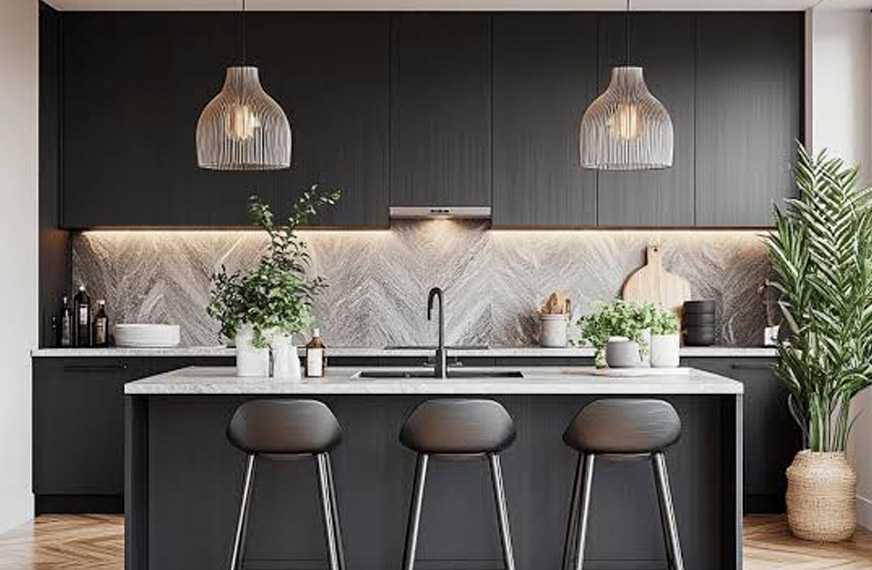
Updating a kitchen or storage area can completely change the appearance and functionality of a home, but a full renovation is not always necessary. Many homeowners have cabinets that are structurally sound but look outdated, worn, scratched, or no longer match their preferred style. Refacing offers a practical way to refresh these cabinets while keeping much of the existing structure in place. Instead of removing every cabinet box and rebuilding the entire layout, homeowners can update visible surfaces, doors, drawer fronts, and hardware to create a fresh appearance. This approach can also provide opportunities to improve organization and storage without making major changes to the existing floor plan. With thoughtful planning and quality materials, a cabinet update can create an attractive and functional space that feels significantly different without requiring a complete transformation.
Understanding the Refacing Process
The basic concept behind cabinet refacing is to preserve suitable existing cabinet boxes while changing their visible exterior surfaces. Depending on the condition and design of the cabinets, the process may include applying a new veneer or covering to exposed surfaces and installing new doors and drawer fronts. Hardware such as hinges, knobs, and pulls can also be replaced to create a coordinated appearance. Refacing is generally most suitable when the existing cabinet boxes are strong, stable, and properly installed. Before work begins, the cabinets should be inspected for moisture damage, warping, loose joints, or other structural concerns. A careful evaluation helps determine whether the existing cabinetry provides a reliable foundation for the planned improvements.
Evaluating the Existing Cabinet Structure
The condition of the existing cabinets is one of the most important factors to consider before beginning an update. Cabinets may appear worn on the outside while remaining structurally sound inside, making them suitable candidates for a surface transformation. However, moisture damage around sinks, dishwashers, plumbing connections, and countertops can sometimes weaken cabinet materials. Refacing should not be used to conceal serious structural problems because new exterior materials cannot correct a damaged cabinet box. Homeowners should inspect shelves, drawer openings, hinges, mounting points, and areas exposed to moisture before making a final decision. If the underlying structure is stable and the existing layout works well, updating the visible surfaces can be an efficient way to achieve a new appearance while preserving the functionality that already works.
Selecting the Right Materials
The materials selected for a cabinet improvement project have a major influence on its appearance, durability, maintenance requirements, and overall cost. Wood veneers can provide a natural appearance, while laminates and other manufactured surfaces can offer a wide variety of colors and patterns. Painted finishes can create a smooth and contemporary appearance, while textured materials can add visual depth and character. Refacing materials should be selected according to the environment in which the cabinets are installed because kitchens and other frequently used spaces may expose surfaces to moisture, heat, grease, and repeated handling. Homeowners should also consider cleaning requirements and expected wear before choosing a finish. Quality materials can help ensure that the finished surfaces remain attractive and functional through years of everyday use.
Choosing a New Cabinet Style
Changing the cabinet style can have a substantial effect on the overall appearance of a room. Homeowners can choose from simple modern profiles, traditional raised-panel designs, minimalist flat-panel doors, textured finishes, or other decorative options. Refacing provides an opportunity to coordinate the cabinets with countertops, flooring, backsplashes, lighting, appliances, and wall colors. Light-colored finishes may create a brighter and more open feeling, while darker tones can provide a dramatic and sophisticated appearance. Neutral finishes can offer flexibility if homeowners expect to change other decorative elements in the future. Before selecting a final design, it is useful to consider both current preferences and long-term appeal. A balanced design can remain attractive even as interior trends change.
Replacing Doors and Drawer Fronts
Cabinet doors and drawer fronts are highly visible components, so replacing them can make an immediate difference in the appearance of the entire room. New doors can introduce a completely different color, profile, texture, or finish while allowing the existing cabinet boxes to remain in place. Refacing projects often combine new surface materials with replacement doors and drawer fronts to create a consistent finished appearance. Homeowners can also choose new hinges, handles, knobs, and pulls that complement the updated design. Hardware should be selected not only for appearance but also for comfort, durability, and ease of use. Coordinating all visible components can help the finished cabinets look professionally designed rather than simply modified.
Improving Storage and Organization
A cabinet renovation is also an opportunity to improve how storage space is used. Existing cabinets may contain large unused areas, difficult-to-reach corners, or shelves that do not accommodate frequently used items efficiently. Refacing can be combined with storage accessories such as pull-out shelves, drawer organizers, rotating corner systems, spice storage, waste compartments, and specialized racks. These additions can improve accessibility without requiring a complete change to the cabinet layout. Homeowners should identify the items they use most frequently and determine where they would be easiest to access. Creating designated storage locations can reduce clutter and make everyday activities more convenient. Even relatively small organizational improvements can have a noticeable effect on how efficiently a kitchen or storage area functions.
Planning Measurements Carefully
Accurate measurements are essential for a successful cabinet improvement project. Every door, drawer front, panel, opening, exposed side, and other visible section needs to be measured correctly before replacement components are ordered. Refacing can become complicated when measurements are inaccurate because even small differences can affect alignment and spacing. Homeowners should also consider the position of appliances, countertops, sinks, electrical outlets, lighting fixtures, and plumbing connections. Cabinet doors need sufficient clearance to open properly without interfering with neighboring doors or appliances. Detailed measurements and planning can reduce installation problems and prevent unnecessary delays. Professional measurements may be especially useful when cabinets have unusual dimensions, custom features, or irregular layouts.
Preparing Surfaces for Installation
Surface preparation is an important part of achieving a durable and attractive result. Existing cabinet surfaces can accumulate grease, dust, cleaning residue, and other contaminants over time, particularly in areas close to cooking appliances. These materials must generally be removed before new coverings or finishes are applied. Refacing requires suitable preparation so that new materials can adhere properly and remain stable during everyday use. Damaged or uneven areas may also need to be repaired or smoothed before installation begins. Skipping preparation can contribute to problems such as lifting, peeling, uneven surfaces, or premature deterioration. Proper preparation may not be visible after the project is complete, but it plays a major role in determining the quality and longevity of the finished work.
Choosing Appropriate Hardware
Cabinet hardware provides both decorative and practical benefits. Knobs, pulls, hinges, and other components are available in many styles, sizes, shapes, and finishes, allowing homeowners to create a coordinated design. Refacing projects provide a convenient opportunity to replace old hardware that may be scratched, loose, outdated, or difficult to use. Hardware should feel comfortable in the hand and be appropriate for the size and weight of the cabinet doors and drawers. The finish can be coordinated with faucets, lighting fixtures, appliances, and other metal elements throughout the room. Consistent hardware can create a polished appearance and help connect different design elements. Homeowners should also choose durable components that can withstand frequent opening and closing.
Considering Professional Installation
Although some cabinet updates may appear straightforward, professional installation can make a significant difference in the final result. Applying new surface materials requires careful preparation, accurate cutting, precise alignment, and appropriate installation techniques. Refacing also requires doors and drawer fronts to be installed with consistent spacing so that the finished cabinet system looks balanced. Experienced installers can identify irregularities in existing cabinets and make appropriate adjustments during the project. They can also ensure that drawers operate smoothly, hinges are properly adjusted, and doors remain aligned. Professional installation may provide additional confidence that the materials will perform as intended. Homeowners should evaluate contractor experience, references, warranties, written estimates, and communication practices before selecting an installer.
Understanding Cost Factors
The cost of a cabinet improvement project can vary significantly depending on the size of the room, number of cabinets, selected materials, door styles, hardware, storage accessories, and labor requirements. Refacing can have different financial advantages depending on the condition of the existing cabinetry and the scope of the desired improvements. Homeowners should request detailed estimates that explain materials, labor, preparation, installation, hardware, disposal, and any additional features. A low initial price may not represent the best overall value if it excludes important components or uses lower-quality materials. Comparing complete proposals can provide a clearer understanding of the actual investment required. Homeowners should also consider expected durability and maintenance needs when evaluating the total value of different options.
When Cabinet Updates May Not Be Appropriate
Although updating existing cabinets can be an effective solution, it is not suitable for every situation. Cabinets with extensive water damage, serious structural deterioration, severe warping, or unstable construction may not provide a reliable foundation for new exterior materials. Refacing may also be less appropriate when homeowners want to completely change the layout, move appliances, increase cabinet capacity substantially, or alter plumbing and electrical locations. In those circumstances, a more extensive renovation may provide greater flexibility. Before making a decision, homeowners should evaluate both the condition of the existing cabinets and their long-term goals for the room. A professional assessment can help determine whether a surface update, partial replacement, or complete cabinet replacement makes the most practical sense.
Maintaining Updated Cabinets
Proper maintenance can help protect the appearance and performance of newly updated cabinets. Surfaces should be cleaned using products recommended by the manufacturer, and harsh chemicals or abrasive materials should generally be avoided unless specifically approved. Refacing surfaces should also be protected from prolonged exposure to standing water, excessive heat, and other conditions that may affect the finish. Spills should be wiped promptly, especially around sinks, cooking areas, and other moisture-prone locations. Hinges, handles, and drawer hardware should be checked periodically for looseness or signs of wear. Regular maintenance does not need to be complicated, but consistent care can help preserve the finish and keep the cabinets looking fresh for a longer period.
Creating a Functional and Attractive Design
A successful cabinet improvement should balance appearance with practical everyday use. Homeowners should consider how the room is used, where frequently accessed items are stored, and how people move through the space. Refacing can create a visually updated environment while allowing homeowners to preserve a layout that already works well. Combining new cabinet surfaces with improved storage accessories, modern hardware, and suitable lighting can create a more complete transformation. It is also important to avoid selecting design elements independently without considering how they work together. Cabinet finishes, countertops, backsplashes, flooring, appliances, and hardware should create a cohesive visual relationship. A well-planned design can make the room feel more organized, comfortable, and inviting.
Preparing for Future Changes
Homeowners should consider how their needs may change over time when planning a cabinet improvement project. Storage requirements can evolve as families grow, cooking habits change, or new appliances and equipment are introduced. Refacing can be combined with flexible storage solutions that make it easier to adapt the space later. Adjustable shelving, pull-out systems, and organized drawers can provide additional flexibility without requiring another major renovation. Choosing a durable and relatively timeless finish can also help the cabinets remain appealing if other decorative elements are changed in the future. Planning beyond immediate needs can make the investment more useful over the long term. A flexible cabinet system can continue to support changing household requirements while maintaining a coordinated appearance.
Long-Term Benefits of a Cabinet Update
A well-planned cabinet improvement can provide both visual and practical benefits. Refacing allows homeowners to preserve suitable cabinet structures while changing surfaces, doors, hardware, and selected storage features. This can create a noticeably refreshed appearance without necessarily requiring the complete removal and replacement of every cabinet component. The final result depends on the condition of the existing structure, quality of materials, precision of measurements, installation methods, and ongoing maintenance. Homeowners who invest in durable materials and professional workmanship may enjoy the updated appearance for many years. Combining attractive finishes with practical organization can make the space more useful rather than simply making it look newer.
Conclusion
Updating existing cabinets can be a practical way to create a fresh, organized, and attractive interior while preserving a layout that already meets many household needs. Refacing provides homeowners with opportunities to change cabinet finishes, doors, drawer fronts, hardware, and storage features without necessarily replacing the entire cabinet structure. The approach works particularly well when existing cabinets are structurally sound and the homeowner is satisfied with the current layout. Careful planning, accurate measurements, suitable materials, professional installation, and regular maintenance all contribute to a successful result. Homeowners should also evaluate the condition of their existing cabinets and consider their long-term goals before deciding on the best approach. With thoughtful design and quality workmanship, an updated cabinet system can provide lasting functionality, improved organization, and a refreshed appearance.

