


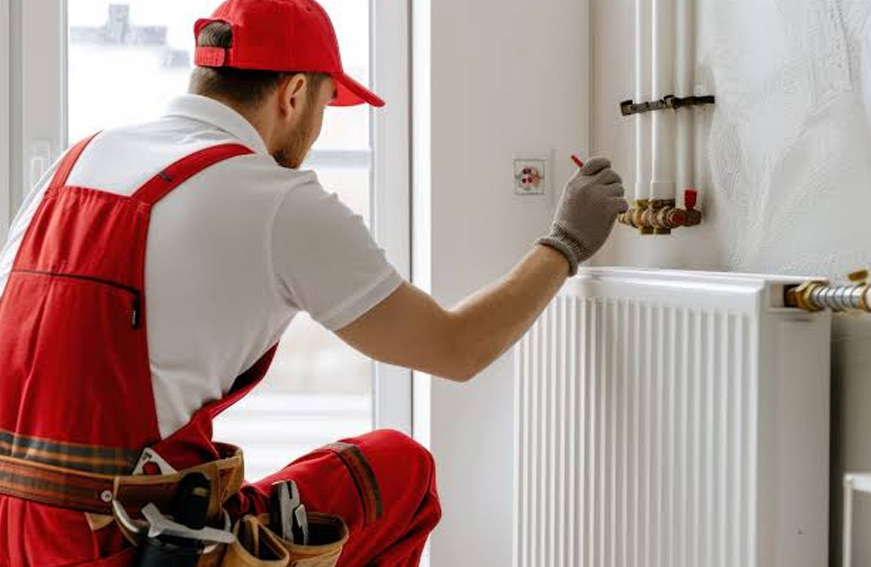
A dependable heating system is essential for maintaining a comfortable indoor environment when temperatures fall, but even well-maintained equipment can occasionally experience unexpected problems. A heater may stop producing warm air, begin making unusual sounds, cycle repeatedly, fail to respond to thermostat settings, or shut down without warning. When these situations happen suddenly, homeowners may not have enough time to wait for a routine service appointment. Heating equipment can also involve electrical components, combustion systems, motors, controls, and other parts that require professional attention when something goes wrong. Attempting to diagnose or repair a serious heating problem without appropriate knowledge can create additional equipment damage or safety concerns. Professional HVAC technicians can assess the system, identify the source of the malfunction, and determine the appropriate solution. Understanding what qualifies as an urgent heating issue, what causes sudden failures, and how professional repair services work can help homeowners respond more effectively when their heating equipment stops operating correctly.
Recognizing an Urgent Heating Problem
Not every heating problem requires immediate service, but certain symptoms should receive prompt attention because they can affect comfort, equipment operation, or household safety. A complete loss of heat during cold weather is one of the clearest reasons to seek professional assistance, particularly when the system has stopped functioning entirely and basic thermostat checks do not restore operation. Strong or unusual odors can also indicate that something inside the equipment needs to be evaluated. Likewise, repeated electrical trips, burning smells, unusual noises, visible damage, or frequent system shutdowns can indicate a problem that should not be ignored. Homeowners should avoid assuming that a heater will correct itself simply because it starts operating again after a temporary shutdown. Intermittent problems can sometimes become more serious over time, especially if an underlying component continues to malfunction. Professional emergency heating repair allows technicians to investigate the actual cause instead of relying on temporary adjustments. A proper diagnosis can help determine whether the issue involves electrical components, airflow, controls, mechanical parts, ignition, fuel delivery, or another part of the heating system.
Common Causes of Sudden Heating Failures
Heating systems can stop working for many different reasons, and the cause is not always immediately obvious. A clogged filter can restrict airflow and cause the system to overheat or shut down, while a malfunctioning thermostat can prevent the equipment from receiving the correct operating signal. Electrical problems may affect motors, control boards, switches, or other components, while worn mechanical parts can interfere with normal operation. Ignition problems can also prevent certain heating systems from producing warmth even when the thermostat appears to be functioning normally. In some cases, ductwork or airflow restrictions can cause the system to operate inefficiently and create conditions that eventually result in a shutdown. Because multiple problems can produce similar symptoms, professional diagnosis is important. A technician can inspect the equipment systematically rather than replacing parts based solely on the most obvious symptom. Identifying the actual source of the failure helps ensure that the repair addresses the underlying problem and not just one visible effect.
Why Professional Diagnosis Is Important
When a heating system stops working unexpectedly, it can be tempting to search for a quick solution or attempt to repair the equipment without professional assistance. However, modern HVAC systems can contain complex electrical, mechanical, and combustion-related components that require specialized knowledge. Incorrect repairs can damage equipment, create additional malfunctions, or introduce safety hazards. Professional technicians use established diagnostic procedures to evaluate the system and determine what is preventing normal operation. They can examine electrical connections, controls, airflow, motors, ignition components, and other relevant parts based on the equipment and reported symptoms. This systematic approach is particularly important when a heater has experienced a sudden failure because the visible symptom may not identify the actual cause. For example, a system that fails to produce heat could have a thermostat issue, an ignition problem, restricted airflow, or another component failure. Professional evaluation helps narrow down the possibilities and allows the technician to recommend an appropriate repair based on the equipment’s actual condition.
Responding to a Heater That Stops Working
When a heater stops operating, homeowners can begin with a few basic observations before requesting professional service. Checking the thermostat to confirm that it is set correctly and that the desired temperature is above the current indoor temperature can eliminate simple control-setting problems. Homeowners can also check whether an accessible filter is severely dirty and confirm that vents and registers are not blocked by furniture or household objects. If the system has a dedicated electrical breaker and it has tripped, homeowners should follow safe manufacturer or professional guidance rather than repeatedly resetting a breaker that continues to trip. A repeated electrical trip can indicate an underlying issue that requires professional evaluation. If there is a strong burning odor, gas smell, smoke, sparking, or another potentially dangerous condition, homeowners should prioritize safety and seek appropriate professional or emergency assistance rather than continuing to operate the equipment. These basic observations can provide useful information for the technician, but homeowners should avoid opening equipment cabinets or attempting complex repairs. A trained HVAC professional can determine the cause and safely complete the necessary work.
The Importance of Fast Response During Cold Weather
Heating failures become particularly disruptive when a system stops operating during periods of cold weather. Indoor temperatures can fall quickly depending on outdoor conditions, insulation, building construction, and other factors. A lack of reliable heating can be uncomfortable for occupants and may create additional concerns for vulnerable household members or properties with plumbing systems that are sensitive to freezing conditions. Prompt professional assistance can help restore heating operation and reduce the amount of time a property remains without adequate warmth. A technician can evaluate the system, identify the failed component, and determine whether the equipment can be repaired safely. In some situations, the repair may involve a relatively straightforward component replacement or adjustment. In other situations, more extensive work may be necessary. Professional emergency heating repair is designed to address these urgent situations so homeowners can receive timely assistance rather than waiting for a standard maintenance appointment. Acting quickly can also provide an opportunity to prevent secondary problems that may develop when a heating system remains out of operation for an extended period.
Heating Problems Involving Airflow
Airflow problems are among the issues that can affect heating performance without immediately appearing to be a major equipment failure. A severely restricted filter, blocked return-air pathway, obstructed register, or ductwork problem can prevent warm air from moving properly through the property. When airflow becomes inadequate, the heating system may operate longer than expected or cycle abnormally. In some circumstances, restricted airflow can contribute to overheating and automatic safety shutdowns. Homeowners should make sure accessible vents and registers are not blocked and should monitor filters according to manufacturer recommendations. However, if the airflow problem continues after basic checks, professional evaluation is appropriate. A technician can determine whether the restriction originates within the equipment, ductwork, filtration system, or another part of the HVAC setup. Addressing airflow problems can improve comfort and may also reduce unnecessary strain on the heating equipment. It is important to solve the underlying cause rather than repeatedly restarting a system that continues to shut down.
Electrical Problems and Heating Equipment
Many modern heating systems depend on electrical components for controls, motors, ignition, sensors, and other functions. An electrical problem can therefore cause a heater to stop operating or behave unpredictably. Symptoms may include repeated breaker trips, intermittent operation, unusual clicking, failure to start, or complete loss of power to certain components. Electrical troubleshooting should generally be left to qualified professionals because working inside HVAC equipment can involve electrical hazards. Homeowners should not repeatedly reset a breaker if it continues to trip, as this may indicate a problem that requires diagnosis. A professional technician can inspect relevant wiring, connections, controls, and components to determine why the system is experiencing an electrical issue. Depending on the findings, the solution may involve repairing a connection, replacing a failed component, correcting a control problem, or addressing another underlying condition. Proper diagnosis is important because electrical symptoms can have several potential causes, and replacing the wrong component may not resolve the problem.
When a Heater Makes Unusual Sounds
Heating systems normally produce some operating sounds, but sudden changes in noise can indicate that something requires attention. Rattling may suggest a loose component, while grinding or squealing can sometimes be associated with mechanical wear. Repeated clicking may involve ignition or control components, while loud banging can indicate another mechanical or airflow-related concern. The exact meaning of a sound depends on the equipment type and the circumstances in which the noise occurs, so homeowners should not attempt to diagnose a specific failure based solely on sound. Instead, unusual noises should be documented and reported to a professional technician. Providing information about when the sound occurs, how long it lasts, and whether it is accompanied by changes in heating performance can help with diagnosis. Ignoring unusual noises may allow a developing mechanical problem to become more serious. Professional inspection can determine whether the sound represents normal operation, minor wear, or a condition requiring immediate repair.
Emergency Repairs and Older Heating Systems
Older heating systems may be more susceptible to certain types of wear because components have been operating for many years. This does not mean that every older system needs immediate replacement, but repeated breakdowns can indicate that the equipment requires closer evaluation. When an older heater stops working, a technician can inspect the system and determine whether repairing the existing equipment is practical. Factors such as the nature of the failure, equipment condition, repair history, availability of parts, operating performance, and expected future service needs may all be relevant to the decision. Emergency service can restore operation when a repair is appropriate, but it can also provide useful information about the system’s broader condition. If the equipment has experienced multiple significant failures, homeowners may want to discuss longer-term replacement planning after the immediate problem has been resolved. Making that decision based on professional inspection can help avoid replacing equipment unnecessarily while also preventing repeated emergency situations when the system has reached the end of its practical service life.
Preparing for Future Heating Emergencies
Although unexpected heating failures cannot always be prevented, homeowners can reduce the disruption they cause by preparing in advance. Keeping heating equipment professionally inspected, replacing filters when necessary, maintaining clear airflow pathways, and paying attention to unusual operating behavior can help identify problems before they become emergencies. It is also useful to keep the contact information for a trusted HVAC service provider readily available. When a system has an established service history, technicians may be able to understand previous repairs and equipment conditions more quickly when an urgent problem occurs. Homeowners should also know where accessible system controls and electrical shutoffs are located, while avoiding any unsafe attempts to manipulate equipment. Maintaining appropriate carbon monoxide detection in properties with fuel-burning appliances is another important safety consideration. Preparation does not eliminate the possibility of a heating failure, but it can make the response more organized and reduce the time spent searching for assistance during an unexpected breakdown.
Combining Emergency Service With Preventive Care
Emergency repairs address immediate problems, but long-term heating reliability also depends on preventive care. Once an urgent issue has been resolved, homeowners should consider asking the technician whether the system has any other developing concerns. A repair may restore operation without addressing unrelated wear elsewhere in the equipment. A broader inspection can provide information about components that may require future attention and can help homeowners avoid another unexpected breakdown. Regular service also gives technicians an opportunity to monitor equipment condition over time. This ongoing relationship can be particularly useful for older systems or equipment that has previously experienced repeated failures. Preventive care should not be viewed as a guarantee against emergencies, but it can provide a structured way to monitor system performance and address concerns earlier. Combining routine inspections with responsive repair services creates a more complete approach to heating system management.
Choosing Reliable Emergency HVAC Support
When a heating system fails unexpectedly, homeowners need a service provider that can respond to urgent situations while also offering broader HVAC support. A provider with experience in heating repairs, maintenance, inspections, and installations can help address immediate problems while also supporting the system’s long-term needs. Clear communication is an important part of emergency service because homeowners need to understand what has happened and what options are available. A professional technician should explain the identified problem, discuss the appropriate repair, and provide relevant information about the system’s condition. If replacement is being considered, the homeowner should receive an explanation of why replacement may be appropriate rather than simply being encouraged to purchase new equipment. Professional HVAC support can therefore help property owners address the immediate problem while making informed decisions about future heating needs.
Conclusion
A sudden heating failure can quickly turn a comfortable home into an uncomfortable environment, particularly when the system stops operating during heavy seasonal use. Unusual noises, repeated shutdowns, weak airflow, electrical problems, thermostat issues, ignition failures, and complete loss of heat are all conditions that may require professional attention. Because heating systems involve complex electrical, mechanical, and potentially combustion-related components, serious problems should not be treated as do-it-yourself projects. Professional emergency heating repair provides a structured way to diagnose the issue, identify the failed component, and restore appropriate system operation safely.Homeowners can reduce the likelihood of disruptive failures by paying attention to warning signs, keeping filters properly maintained, ensuring vents remain unobstructed, scheduling professional inspections, and addressing developing problems promptly. When emergencies do occur, having access to experienced HVAC professionals can make the situation easier to manage. After an urgent repair is completed, reviewing the overall condition of the heating system can also help prevent repeated problems and support better long-term planning. A combination of professional maintenance, timely repairs, responsible system operation, and informed replacement planning can help homeowners maintain dependable heating performance while protecting comfort throughout the life of their HVAC equipment.

