


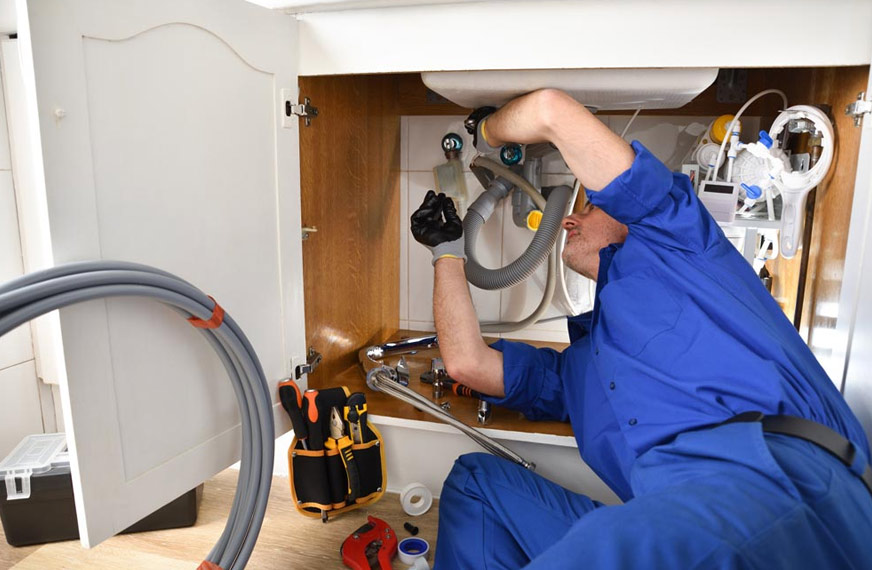
A properly functioning drainage system is essential for keeping a property clean, comfortable, and protected from water-related problems. Every day, sinks, showers, bathtubs, toilets, washing machines, and other fixtures depend on drainage pipes to carry wastewater away efficiently. When these pipes become blocked, cracked, damaged, or poorly connected, normal household activities can quickly become inconvenient. Slow drainage, standing water, unpleasant odors, and recurring blockages are common warning signs that should not be ignored. Timely drain repair can help restore proper wastewater movement and prevent minor drainage problems from becoming more serious. Understanding how drains work, why they fail, and how they can be maintained gives property owners a better opportunity to protect their plumbing systems.
Understanding the Role of Drainage Systems
Drainage systems are designed to remove used water and wastewater from a property through a network of connected pipes. These systems depend on proper pipe size, suitable slopes, secure connections, and adequate ventilation to maintain consistent flow. Drain traps help prevent sewer gases from entering indoor spaces, while vent pipes help balance pressure within the drainage network. When any part of this system becomes restricted or damaged, water may stop flowing normally. Professional drain repair can help identify problems involving damaged pipes, broken connections, severe restrictions, or other drainage components. Regular attention to the drainage system can support better performance and reduce the possibility of unexpected failures.
Early Signs of Drainage Problems
Drainage problems often provide several warning signs before they become major emergencies. Water that takes longer than usual to disappear from a sink or shower can indicate developing buildup inside a pipe. Gurgling sounds, unpleasant smells, recurring clogs, standing water, and wastewater returning through a fixture can also suggest that something is wrong. When several fixtures begin draining slowly at the same time, the issue may involve a shared section of the plumbing system. Drain repair may be needed when the problem involves damaged or deteriorated drainage components rather than a simple surface blockage. Paying attention to these symptoms early can make it easier to identify the cause and prevent more serious complications.
Common Causes of Drain Damage
Drainage pipes can experience problems for many different reasons. Grease, food particles, hair, soap residue, mineral deposits, foreign objects, and unsuitable materials can accumulate inside pipes and reduce the available space for water to flow. Structural damage may develop because of aging, corrosion, shifting ground, physical impact, poor installation, or weakened pipe joints. Tree roots can also enter damaged underground pipes and create significant restrictions. Drain repair can involve clearing a restriction, replacing a damaged pipe section, correcting a connection, or addressing another physical problem. Determining the actual cause is important because simply removing visible debris may not prevent the problem from returning.
Slow Drains and Reduced Water Flow
Slow drainage is one of the most common indications that a pipe may have an emerging problem. At first, the water may still drain, but it can take considerably longer than normal to disappear. This often happens when grease, hair, soap residue, mineral deposits, or other materials begin accumulating inside the pipe. As the buildup becomes thicker, the opening becomes smaller and water movement becomes increasingly restricted. Drain repair may be necessary when slow drainage results from a damaged or deteriorated pipe rather than ordinary buildup. Property owners should avoid waiting until a slow drain becomes completely blocked because early investigation can make the problem easier to address.
Recurring Drain Blockages
A drain that repeatedly becomes blocked may indicate a deeper issue that ordinary cleaning cannot solve. Recurring blockages can result from damaged pipes, improper pipe slope, root intrusion, heavy internal buildup, or an obstruction located farther along the drainage line. Temporary solutions may restore flow for a short period, but the same problem can return if the underlying cause remains untreated. Drain repair can address physical problems that contribute to repeated blockages and help restore more reliable drainage. If a blockage returns soon after being cleared, a professional inspection may be more useful than continuing to use temporary treatments. Understanding why the blockage keeps returning can help prevent unnecessary repair expenses.
Unpleasant Drain Odors
Persistent odors from drains can be a sign that organic material, grease, or other debris has accumulated inside the plumbing system. In some cases, unpleasant smells may also result from a dry trap, damaged venting, or a sewer-related issue. Regular cleaning may reduce surface odors, but persistent smells require closer attention to determine the actual source. Drain repair may be appropriate when damaged pipes, faulty connections, or other drainage components are contributing to the odor. Property owners should not rely solely on air fresheners or other methods that mask unpleasant smells. Identifying and correcting the underlying problem provides a more effective long-term solution.
Standing Water and Drainage Failure
Standing water around a drain can indicate that wastewater is not moving through the plumbing system as efficiently as it should. Showers, bathtubs, sinks, and floor drains may all develop standing water when a blockage or damaged pipe restricts normal flow. Persistent moisture can also create additional concerns if it reaches flooring, cabinets, walls, or other nearby materials. Drain repair can help correct drainage problems caused by damaged sections, poor connections, or other physical issues. Property owners should investigate recurring standing water rather than assuming it is simply the result of heavy fixture use. Addressing the cause early can reduce the likelihood of more extensive water-related damage.
Cracked and Damaged Pipes
Drain pipes can develop cracks because of age, corrosion, physical stress, ground movement, temperature changes, or other conditions. A cracked pipe may allow wastewater to escape into surrounding areas instead of remaining within the drainage system. Hidden leaks can be especially difficult to identify because moisture may appear some distance from the actual damaged section. Signs can include damp spots, staining, unpleasant odors, mold-like smells, or unexplained moisture near floors and walls. Drain repair may involve repairing a connection or replacing the affected pipe section depending on the severity and location of the damage. Professional assessment is important when a concealed drainage leak is suspected.
Root Intrusion in Drainage Pipes
Tree roots can create significant problems when they enter underground drainage pipes through cracks, separated joints, or other openings. Roots naturally seek sources of moisture, and once they gain access to a pipe, they can continue growing and collecting debris. This may gradually restrict wastewater flow and eventually create a severe blockage. Drain repair can address affected sections when root intrusion is associated with damaged or compromised pipes. Removing the immediate root obstruction may restore flow, but it does not necessarily correct the structural opening that allowed the roots to enter. Recurring root problems may therefore require further inspection and a more comprehensive solution.
Kitchen Drain Maintenance
Kitchen drains are exposed to grease, oils, food particles, and other materials that can contribute to pipe buildup. Cooking grease can cool inside a pipe and attach to its walls, allowing additional particles to collect and form a larger restriction. Over time, this buildup can cause slow drainage, unpleasant odors, and eventually a complete blockage. Drain repair may be required when kitchen drainage problems become persistent or when pipes have been damaged by long-term buildup. Property owners can reduce these risks by disposing of grease properly, using sink strainers, and avoiding the introduction of large food particles into drains. Good kitchen habits can significantly reduce unnecessary drainage problems.
Bathroom Drain Maintenance
Bathroom drains commonly collect hair, soap residue, personal-care products, and other materials. Showers and bathtubs are particularly vulnerable because hair can combine with soap residue and create dense blockages. Sink drains can also experience buildup around internal components and connections. Regular use of suitable drain screens can help prevent larger amounts of hair and debris from entering the plumbing system. Property owners should investigate repeated bathroom blockages because they may indicate a deeper problem. Professional drain repair can address damaged or deteriorating components when recurring restrictions are not caused by simple surface debris.
Drain Problems in Aging Plumbing Systems
Older plumbing systems can become more vulnerable to leaks, corrosion, cracked sections, weakened joints, and internal buildup. Materials that performed well for many years may gradually deteriorate because of continuous exposure to water and changing environmental conditions. Recurring blockages in an older system may be caused by rough internal surfaces or structural deterioration that allows debris to collect more easily. Drain repair can sometimes address individual damaged sections without requiring immediate replacement of the entire drainage system. However, repeated problems may indicate that a broader inspection is necessary. Understanding the condition and age of drainage pipes can help property owners plan maintenance more effectively.
Importance of Professional Drain Inspection
A professional inspection can provide valuable information when the source of a drainage problem is unclear. Specialists may use inspection cameras and other diagnostic equipment to examine sections of pipe that cannot be viewed directly. These methods can reveal cracks, root intrusion, heavy buildup, collapsed sections, separated joints, and other problems. Drain repair is generally more effective when the cause and location of the problem are understood before work begins. Accurate diagnosis also helps prevent unnecessary repairs and allows the appropriate method to be selected. When a drainage problem continues to return, inspection can provide useful information that basic cleaning methods cannot.
Repairing Damaged Drainage Pipes
The best repair method depends on the type, location, material, and severity of the damage. A small damaged connection may require a localized repair, while a severely deteriorated section may need replacement. In some situations, the problem may involve several connected sections that have reached the end of their useful service life. Drain repair should focus on restoring reliable drainage while addressing the cause of the failure. Repairing only the visible symptom may not be sufficient if additional damage exists elsewhere in the system. A thorough assessment allows property owners to understand the condition of the drainage network and choose a practical long-term solution.
Preventing Future Drain Problems
Preventive maintenance can significantly reduce the likelihood of many common drainage issues. Property owners should avoid putting grease, oils, unsuitable materials, and large amounts of solid debris into drains. Hair screens can help protect bathroom drainage, while proper disposal practices can reduce kitchen buildup. It is also important to respond quickly when drains begin operating more slowly than usual. Drain repair can correct existing problems, but prevention reduces the need for repeated repairs. Regular observation of drainage performance allows property owners to notice changes before they become severe. Good habits combined with appropriate maintenance can help extend the useful life of drainage pipes.
Emergency Drainage Problems
A serious drainage failure can quickly become an emergency when wastewater begins backing up into bathrooms, kitchens, or other areas. Overflowing fixtures and wastewater leaks can cause property damage and create sanitation concerns. When a major blockage occurs, unnecessary water use should be minimized while professional assistance is arranged. Drain repair may restore proper drainage when the cause is a blockage, damaged pipe, or other serviceable problem. However, severe structural damage may require more extensive work before the drainage system can return to normal operation. Acting quickly can help limit the amount of wastewater released and reduce potential damage to surrounding materials.
Choosing Professional Drain Services
When professional drainage assistance is required, property owners should consider experience, appropriate qualifications, equipment, communication, and the ability to explain the proposed solution. Providing detailed information about the problem can help a professional understand the situation before beginning an inspection. Important details may include how long the issue has existed, whether multiple drains are affected, and whether previous repairs have been attempted. Drain repair should be based on the actual condition of the drainage system rather than assumptions about the cause. Clear communication also helps property owners understand the scope of work and any recommendations for preventing future problems.
Avoiding Temporary Solutions
Temporary drain treatments can sometimes provide short-term relief, but repeated use may leave the underlying problem unresolved. If a drain becomes blocked again shortly after being cleared, there may be a structural issue or deeper obstruction that requires professional investigation. Continuing to treat the symptom without addressing the cause can result in repeated inconvenience and unnecessary expenses. Drain repair can provide a more lasting solution when the problem involves damaged pipes, broken connections, or other physical conditions. Property owners should consider professional assessment when a drainage problem becomes a recurring issue. A long-term solution should focus on restoring proper function and reducing the likelihood of another failure.
Maintaining Long-Term Drainage Performance
A healthy drainage system depends on responsible use, regular monitoring, and timely maintenance. Property owners should pay attention to slow drainage, unusual odors, gurgling sounds, standing water, and recurring blockages. These symptoms can provide useful information about the condition of the plumbing system. Drain repair may be necessary when warning signs are caused by damaged or deteriorating components. Keeping drainage areas accessible can also make inspections and maintenance easier. A proactive approach allows problems to be addressed before they become major emergencies and can help preserve the performance of the drainage system for many years.
Conclusion
A dependable drainage system is essential for comfortable living, proper sanitation, and protection against water-related property damage. Common issues such as slow drains, recurring blockages, unpleasant odors, standing water, cracked pipes, and root intrusion should be investigated rather than ignored. Drain repair can address many drainage problems when the underlying cause has been accurately identified and the appropriate repair method is selected. Preventive maintenance, responsible drain usage, regular inspections, and timely professional assistance can all contribute to better long-term performance. Property owners who respond to early warning signs can reduce the likelihood of serious backups and costly damage. With proper care and professional attention when needed, a drainage system can remain efficient, dependable, and capable of handling everyday wastewater demands.

