


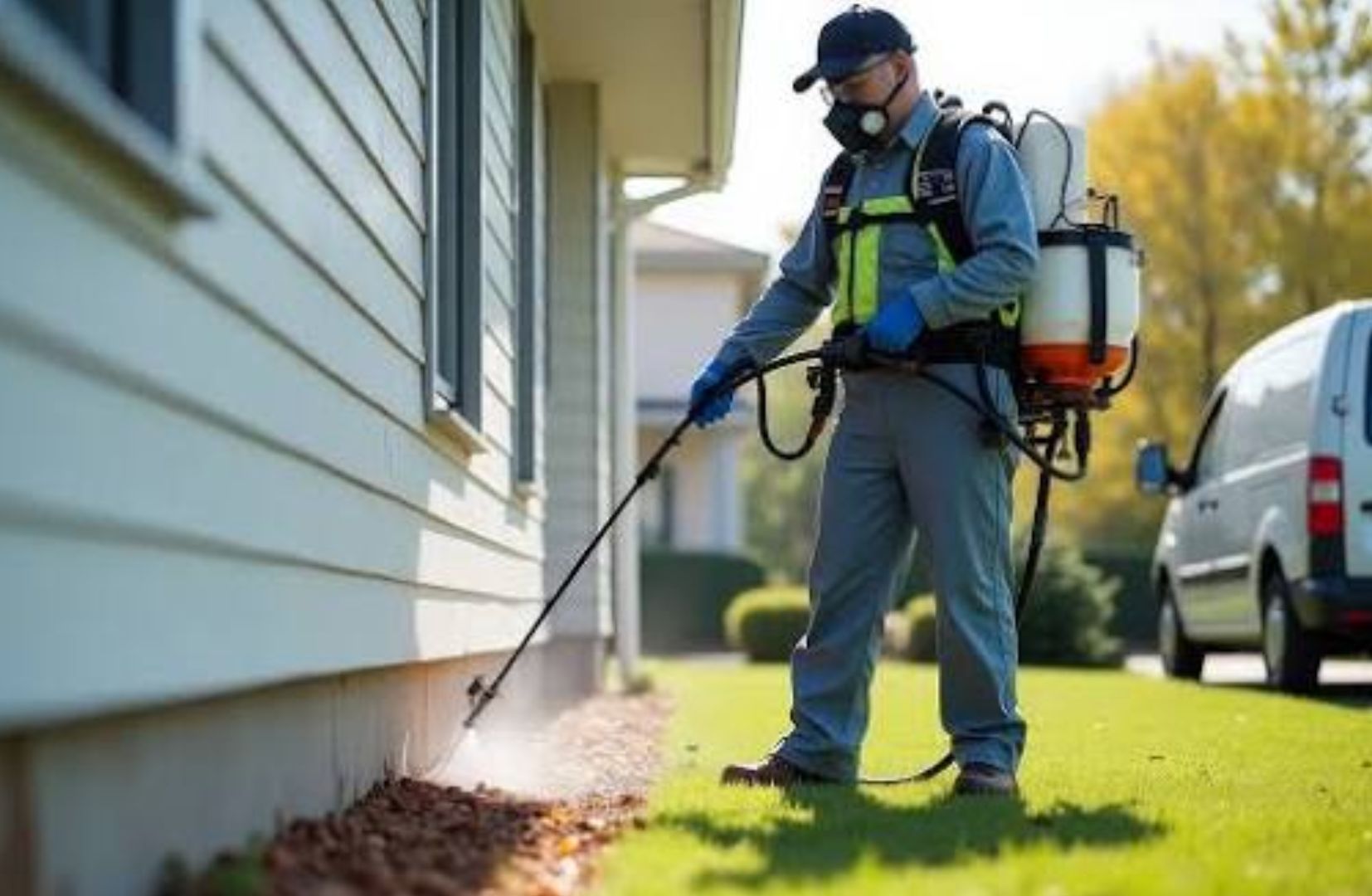
Pest problems can become serious very quickly, particularly when insects or rodents begin affecting areas where people live, work, eat, or store important belongings. While some pest issues can be handled through routine maintenance, others require immediate attention. A sudden infestation, aggressive stinging insects, rodents inside occupied areas, or a rapidly spreading pest problem can create health, safety, and property concerns that should not be ignored. Emergency pest control provides a rapid response for situations where delaying treatment could allow the problem to become more difficult, disruptive, or expensive to manage.
The first step in an urgent pest situation is identifying the nature and extent of the problem. Different pests behave differently and require different inspection and treatment methods. A solution that works for ants may be inappropriate for termites, while a treatment suitable for cockroaches may not address a rodent problem. Professional pest specialists can assess the situation, identify the likely source, and determine what immediate measures are appropriate.
Understanding when emergency assistance is necessary, how professional inspections work, what preparation may be required, and how to prevent future infestations can help property owners respond more effectively when unexpected pest activity occurs.
Recognizing an Urgent Pest Problem
Not every pest sighting requires an emergency response. Finding an occasional insect does not necessarily mean that an extensive infestation is present. However, certain situations deserve prompt professional attention.
A sudden increase in pest activity can indicate that an infestation is growing rapidly. Seeing numerous cockroaches, ants, flies, bed bugs, rodents, or other pests within a short period may suggest that the issue is more extensive than an isolated sighting.
Pests that pose a direct safety concern may also require urgent attention. Stinging insects, for example, can become hazardous when nests are located near entrances, children’s play areas, workplaces, or other frequently occupied spaces. Rodents inside kitchens, food-storage areas, or occupied rooms can create sanitation concerns and may damage electrical wiring or other materials.
A pest problem can also become urgent when it interferes with normal business or household activities. Restaurants, rental properties, offices, warehouses, and other commercial spaces may face significant disruption if pest activity is not addressed quickly.
Why Rapid Response Matters
Pests rarely disappear simply because they are ignored. Many species reproduce quickly, allowing a small problem to become a much larger infestation in a relatively short period.
Early intervention can limit the number of affected areas and reduce the amount of treatment required. It can also make it easier to identify where pests are entering or where they are finding food, water, shelter, or nesting conditions.
A rapid response is particularly important when pests are damaging property. Rodents can chew wiring and insulation, termites can affect wooden structures, and certain insects can damage stored products or furnishings.
Prompt professional assessment does not necessarily mean aggressive treatment. The appropriate response depends on the pest, the location, the severity of the problem, and the risks associated with different treatment methods.
Common Situations Requiring Emergency Assistance
Several pest situations can justify urgent attention. Rodents inside living or working areas are one example. Rats and mice can contaminate food, leave droppings, create unpleasant odors, and damage materials while searching for food and shelter.
A significant cockroach infestation can also require prompt intervention. Cockroaches can hide in kitchens, bathrooms, wall spaces, appliances, and other concealed locations. Their presence may become increasingly difficult to control if food and moisture sources remain available.
Bed bugs can create another urgent situation, particularly in hotels, rental properties, shared housing, and other environments where they may spread between rooms or units. Because bed bugs are difficult to detect and can be transported through belongings, professional inspection can be valuable.
Stinging insect nests may require immediate assessment when they are located near frequently used entrances, pathways, outdoor seating areas, or other places where people may encounter them.
Professional Inspection and Identification
Accurate identification is one of the most important parts of emergency pest control. Different pests require different approaches, and treating the wrong species can waste time and potentially make the situation more difficult.
A professional inspection may involve examining visible insects, droppings, nests, entry points, damaged materials, food sources, moisture areas, and potential hiding locations. Depending on the pest, specialists may use traps, monitoring devices, cameras, or other diagnostic methods.
The inspector should consider both the visible symptoms and the underlying cause. For example, finding rodents indoors may be only part of the problem if there are accessible entry points that allow additional rodents to enter.
Identifying the source can therefore be just as important as eliminating the pests currently visible on the property.
Handling Rodent Emergencies
Rodents can create urgent problems because they may enter occupied spaces unexpectedly and move through areas that are difficult to access. They can hide behind appliances, inside cabinets, under floors, in attics, and within wall cavities.
A professional response may involve identifying entry points, determining the extent of activity, placing appropriate traps or control measures, and addressing conditions that attract rodents.
Food should be stored securely, garbage should be contained, and potential water sources should be addressed. Clutter can also provide hiding places, so reducing unnecessary storage around affected areas may help.
Rodent control should focus on preventing re-entry as well as addressing existing activity. Sealing suitable entry points can be an important part of long-term prevention.
Responding to Stinging Insects
Wasps, hornets, bees, and other stinging insects can present a different type of urgent concern. The level of risk depends on the species, nest location, accessibility, and whether people or animals are likely to come into contact with the insects.
A nest near a frequently used entrance or occupied outdoor area can create an immediate concern. Attempting to disturb or remove an established nest without proper knowledge and equipment can increase the risk of multiple stings.
Professional pest specialists can identify the insect and determine the safest treatment approach. The nest may need to be treated or removed depending on the species and circumstances.
People who have known severe allergies to insect stings should take particular care to avoid exposure and seek appropriate professional assistance.
Addressing Cockroach Infestations
Cockroaches are highly adaptable pests that can hide in narrow cracks, cabinets, appliances, plumbing areas, and other concealed spaces. When multiple cockroaches are visible, there may be additional activity that is not immediately apparent.
Emergency treatment may focus on reducing active populations while identifying food, water, and shelter sources. Kitchens and bathrooms often require careful inspection because moisture and food residues can support pest activity.
Cleaning surfaces, storing food in sealed containers, removing waste regularly, and correcting leaks can support professional treatment. However, severe infestations may require a structured pest-management program rather than a single application.
Repeatedly spraying visible cockroaches without addressing their hiding areas or breeding conditions may provide only temporary relief.
Managing Bed Bug Emergencies
Bed bugs can be particularly stressful because they are difficult to detect and may spread through personal belongings. They commonly hide around mattresses, bed frames, furniture, cracks, and other protected locations.
A professional inspection can help determine whether bed bugs are present and identify affected areas. Treatment may involve a combination of methods selected according to the extent of the infestation and the property conditions.
Property owners should avoid moving potentially infested furniture or belongings from one room to another because this can spread the problem.
Following preparation instructions carefully is important. Depending on the treatment approach, residents may be asked to launder certain items, reduce clutter, move furniture away from walls, or take other steps before technicians arrive.
Emergency Pest Control in Commercial Properties
Pest problems can be especially disruptive for businesses. Restaurants, food-storage facilities, hotels, offices, warehouses, healthcare environments, and retail spaces may have strict requirements concerning pest management.
A pest sighting in a commercial environment can affect employees, customers, inventory, and business operations. In food-related businesses, pest activity can also create sanitation concerns.
Professional emergency response can help identify the affected areas and establish immediate control measures. The longer pests remain active, the greater the potential for contamination, damage, or disruption.Businesses should also maintain records of inspections and treatments when appropriate. Ongoing monitoring and preventive measures can reduce the likelihood of repeated emergencies.
What Property Owners Should Do Before Help Arrives
The first priority should be protecting people and avoiding unnecessary contact with the pests. Children and pets should be kept away from areas where aggressive insects, rodents, or potentially contaminated materials are present.
Food should be secured, and accessible water sources should be addressed where practical. Property owners should avoid disturbing nests or attempting risky removal methods.
It can be helpful to document what has been observed. Photos of insects, droppings, damage, nests, or entry points may assist the professional in understanding the situation.The pest-control provider should also be informed about any previous treatments. Mixing different chemicals or applying products shortly before professional treatment can complicate the process and may create unnecessary risks.
Choosing an Emergency Pest Control Provider
When selecting a professional service, response time is obviously important, but it should not be the only consideration. Experience, licensing or certification where applicable, treatment methods, safety procedures, and communication should also be evaluated.
Ask what type of pest problems the company handles and whether emergency appointments are available. It is also useful to understand whether the initial visit includes inspection, treatment, or both.
A reputable provider should explain the proposed treatment rather than simply applying products without discussion. Property owners should be informed about preparation requirements, safety precautions, expected results, and whether follow-up visits may be necessary.
Pricing should also be clarified before work begins whenever possible. Emergency services may have different rates from routine appointments, so understanding the cost structure can prevent surprises.
Safe and Responsible Treatment
Professional pest management should prioritize targeted treatment and responsible product use. The appropriate method depends on the pest and the environment.
Technicians may use traps, baits, exclusion techniques, targeted applications, monitoring systems, or other approaches. Chemical treatments should be applied according to applicable instructions and safety requirements.
Residents should follow all instructions provided by the pest professional regarding treated areas, ventilation, pets, children, food, and re-entry times.
More treatment is not necessarily better. Applying excessive products does not automatically improve results and can create unnecessary exposure. Effective pest management focuses on using the appropriate method in the appropriate location.
Preventing Future Infestations
Once an emergency has been addressed, prevention becomes important. Pests generally enter properties because they find suitable food, water, shelter, or access.
Sealing cracks and gaps around doors, windows, pipes, vents, and foundations can reduce potential entry points. Damaged screens and doors should also be repaired.Food should be stored appropriately, and waste should be removed regularly. Standing water and plumbing leaks should be addressed because moisture can attract or support many pests.
Outdoor areas should also be maintained. Overgrown vegetation, accumulated debris, firewood, and clutter near structures can create shelter for insects and rodents.Regular inspections can help identify developing problems before they become emergencies.
Common Mistakes to Avoid
One common mistake is waiting too long after noticing clear signs of infestation. Delaying professional assessment can allow pests to spread and may increase the amount of treatment required.
Another mistake is using multiple pest-control products without understanding how they interact. Combining products or applying them repeatedly can create unnecessary risks.
Attempting to remove stinging insect nests without appropriate equipment can also be dangerous. The safest approach is to obtain professional assistance when a nest is large, difficult to access, or located near occupied areas.
Moving potentially infested furniture or belongings can spread pests to unaffected rooms. Items should be handled according to professional recommendations.Finally, focusing only on visible pests can leave the underlying problem unresolved. Entry points, food sources, moisture, nesting areas, and structural conditions should also be addressed.
Long-Term Pest Management
Emergency treatment is often the first step rather than the final solution. Some infestations require monitoring and follow-up visits to confirm that pest activity has been controlled.
Long-term management focuses on reducing the conditions that allow pests to survive and reproduce. This may include regular inspections, exclusion work, sanitation improvements, moisture control, and targeted monitoring.
For commercial properties, scheduled pest-management programs can provide additional protection. Routine inspections can identify signs of activity before they become disruptive.Residential property owners can also benefit from periodic checks, particularly if the building has a history of recurring pest problems.
Final Thoughts on Urgent Pest Problems
Emergency pest control provides an important response when pest activity creates an immediate concern for health, safety, property, or normal daily operations. Whether the issue involves rodents, cockroaches, bed bugs, stinging insects, or another pest, quick identification and an appropriate treatment strategy can help prevent the situation from becoming more difficult.
The most effective response begins with accurate identification. Professional inspection allows the pest specialist to determine what is happening, where the activity is concentrated, and what conditions may be contributing to the problem. Treatment can then be selected according to the specific circumstances rather than relying on guesswork.
After the immediate issue has been addressed, prevention should become the next priority. Sealing entry points, improving sanitation, controlling moisture, reducing clutter, and maintaining regular inspections can all help reduce the chance of another infestation.
A prompt and well-planned response can make a significant difference when pests suddenly become a serious problem. By combining professional assessment, responsible treatment, and long-term preventive measures, property owners can protect their living or working environments and respond more confidently when unexpected pest activity occurs.

