


A property can experience serious disruption when it is affected by fire, smoke, flooding, plumbing failures, or water intrusion. These events can damage structural materials, personal belongings, electrical systems, flooring, walls, ceilings, insulation, and other important components of a building. In many cases, the visible damage represents only part of the problem. Water can move into concealed spaces, while smoke and soot can spread throughout areas that were not directly touched by flames. Prompt assessment and appropriate cleanup are therefore essential for reducing additional deterioration and helping restore the property to a safe and usable condition.
Fire and water damage restoration involves a series of processes designed to assess damage, remove affected materials when necessary, clean and dry the property, address odors and contamination, and restore damaged areas. The exact procedures depend on the type and severity of the incident. A small plumbing leak may require localized drying and repairs, while a major fire followed by extensive water use can involve structural evaluation, debris removal, smoke cleaning, moisture control, and rebuilding.
Understanding the restoration process can help property owners respond more effectively after an emergency. Acting quickly, documenting visible damage, avoiding unsafe areas, and contacting appropriately qualified professionals can all help prevent additional complications. Restoration is not simply about making a building look normal again; it involves addressing hidden moisture, smoke residues, damaged materials, potential contamination, and other issues that can affect safety and long-term property conditions.
Understanding the Difference Between Damage and Restoration
Damage occurs when an event physically or chemically affects a building or its contents. Fire can burn materials, weaken structures, and leave behind smoke and soot. Water can saturate drywall, flooring, insulation, furniture, and structural components. Restoration is the process of returning affected areas to a safe and functional condition through cleaning, drying, repair, replacement, and reconstruction as needed.
The distinction is important because a property may appear relatively intact while still containing hidden damage. For example, water can migrate beneath flooring or behind walls. Smoke particles can settle on surfaces far from the original fire. Insulation can retain moisture even after exposed surfaces appear dry.
A professional assessment helps determine the extent of the problem and establishes which materials can be cleaned or dried and which need to be removed and replaced. This evaluation is an important first step because unnecessary demolition can increase costs, while failing to remove severely damaged materials can create longer-term problems.
The First Steps After a Fire or Water Emergency
Safety should come before cleanup. A building affected by fire, flooding, or significant water intrusion may contain hazards that are not immediately visible. Structural instability, exposed electrical components, contaminated water, sharp debris, damaged ceilings, and weakened flooring can all create risks.
People should avoid entering areas that have been declared unsafe and should follow instructions from emergency responders, building professionals, utility providers, or other appropriate authorities. Electrical equipment that has been exposed to water should not be operated until it has been evaluated appropriately.
Once the property is considered safe to enter, documenting the condition can be useful. Photographs and written records of affected rooms, damaged belongings, visible water, soot, structural deterioration, and other conditions can help with the restoration process and insurance documentation.
It is generally better to avoid attempting extensive cleanup before the situation has been assessed. Some materials may require specialized handling, and certain cleaning methods can spread soot, drive moisture deeper into materials, or disturb potentially contaminated areas.
Assessing Fire Damage
Fire damage can vary dramatically from one room to another. Areas directly exposed to flames may require extensive demolition and rebuilding, while other spaces may primarily experience smoke, soot, or heat damage.
An assessment should consider structural components as well as surfaces and belongings. Walls, ceilings, flooring, framing, doors, windows, electrical systems, plumbing, insulation, and HVAC components may all be affected depending on the circumstances.
Smoke can travel through ventilation systems, wall cavities, and openings, leaving odors and residues throughout a building. Even materials that appear undamaged may require specialized cleaning because smoke particles can settle on surfaces and continue producing odors.
The type of material burned can also influence the nature of the residue. Different fuels and household materials can produce different smoke characteristics, which may affect cleaning methods. This is one reason professional assessment can be valuable after a significant fire.
Understanding Smoke and Soot Damage
Smoke damage is not limited to visible black residue. Fine particles can settle on walls, ceilings, furniture, fabrics, appliances, and other surfaces. Depending on the circumstances, smoke odors can also remain long after visible soot has been removed.
Cleaning smoke-damaged materials requires appropriate techniques for the specific surface. Aggressive scrubbing can sometimes damage finishes or spread residue, while inappropriate cleaning chemicals may create additional problems.
Porous materials can absorb smoke odors more readily than smooth, nonporous surfaces. Upholstery, carpets, wood, insulation, and certain fabrics may require specialized cleaning or replacement depending on the extent of contamination.
Odor control is often a separate part of restoration. Simply masking the smell with fragrances may provide temporary relief without removing the underlying source. Effective odor management generally involves identifying and treating contaminated materials and surfaces.
Assessing Water Damage
Water damage assessment focuses on identifying where water traveled, how long materials have been exposed, and which components have absorbed moisture. The source of the water is also important because it can affect the appropriate response.
Clean water from a supply line may present different concerns from water originating from sewage, flooding, or other contaminated sources. Water that has been in contact with contaminants may require specialized handling and protective measures.
Moisture can travel through porous building materials and become trapped in concealed spaces. Walls, subfloors, insulation, cabinets, and structural components may therefore require inspection even when surface moisture is no longer obvious.
Professional moisture meters and other assessment equipment can help identify areas that remain wet. Thermal imaging may also assist with locating moisture patterns in certain circumstances, although it should be interpreted by someone familiar with the technology.
Why Rapid Drying Matters
Time is an important factor in water damage situations. The longer porous materials remain wet, the greater the potential for deterioration and microbial growth. Prompt removal of standing water and appropriate drying can help reduce secondary damage.
Drying is not simply a matter of placing a household fan in the affected room. Effective drying requires consideration of temperature, humidity, airflow, material type, and the amount of moisture present. Professional equipment can include air movers, dehumidifiers, extraction machines, and moisture-monitoring tools.
Technicians may establish drying goals and monitor affected materials over time. This helps determine whether moisture levels are returning to acceptable conditions rather than relying solely on how dry a surface feels.
Removing Standing Water
Water extraction is often one of the earliest physical restoration steps after significant water intrusion. Removing standing water quickly can reduce the amount absorbed by flooring, walls, furniture, and other materials.
Different surfaces require different extraction methods. Carpet, hardwood, tile, concrete, and other flooring materials behave differently when exposed to water. The type of equipment and procedure should therefore be selected according to the affected material.
Standing water can also conceal hazards. It may contain contaminants, electrical risks, or debris. Appropriate protective equipment and safety procedures are important when workers enter areas affected by significant water intrusion.
Drying Walls, Floors, and Structural Materials
After visible water has been removed, the drying process continues. Drywall, wood framing, subfloors, insulation, cabinets, and other materials can retain moisture long after standing water disappears.
Some materials can be dried successfully if addressed promptly and if their condition remains suitable. Others may swell, delaminate, lose structural integrity, or become contaminated and require removal.
Wood can be particularly challenging because moisture can penetrate below the surface. Excessive moisture may contribute to swelling, warping, or other deterioration. Drying should therefore be monitored rather than stopped simply because the surface appears normal.
Moisture levels should be checked throughout the affected area, including locations that may not be visible. Hidden moisture can create problems after cosmetic repairs have already been completed.
Preventing Secondary Damage
Restoration is not only about repairing existing damage; it is also about preventing additional deterioration. Water that remains trapped beneath flooring can damage adhesives and subfloors. Moisture inside walls can contribute to microbial growth. Smoke residue can continue affecting surfaces and odors if it is not properly removed.
Temporary measures may sometimes be necessary to protect the property while permanent work is being planned. These can include covering damaged openings, securing compromised areas, removing saturated materials, or controlling moisture.
The appropriate response depends on the nature of the emergency. A professional restoration assessment can help prioritize actions according to safety, structural stability, moisture levels, contamination, and the condition of building materials.
Cleaning and Sanitizing Affected Areas
Cleaning after fire or water damage requires more than ordinary household housekeeping. Restoration cleaning is generally focused on removing residues, contaminants, odors, and damaged materials while preserving items that can reasonably be restored.
Hard surfaces may be cleaned using appropriate detergents or specialized products. Fabrics and upholstery may require different methods. Electronics and other sensitive belongings should be evaluated carefully because cleaning them incorrectly can cause additional damage.
When contaminated water is involved, cleaning and disinfection become particularly important. The appropriate procedures depend on the source and category of contamination. Certain materials may not be practical or safe to restore and may need to be discarded.
Handling Personal Belongings
Fire and water emergencies can damage furniture, clothing, photographs, documents, electronics, artwork, and other personal possessions. Not every damaged item needs to be discarded.
Professionals may evaluate belongings based on material, degree of damage, contamination, moisture exposure, and the likelihood of successful restoration. Some items can be cleaned, dried, deodorized, or otherwise restored.
Photographs and documents can be especially sensitive to water and should be handled carefully. Attempting aggressive drying or cleaning without understanding the material can make the damage worse.An inventory of affected possessions can help organize the restoration process and provide useful documentation for insurance purposes.
Mold and Microbial Concerns
Moisture creates conditions that can support microbial growth, particularly when materials remain damp for an extended period. Mold can develop on various organic materials and may cause property damage as well as indoor environmental concerns.
Preventing unnecessary delay is therefore an important part of water restoration. Drying affected materials promptly can reduce the opportunity for growth.
If visible mold is already present or extensive moisture has affected concealed areas, professional assessment may be appropriate. Remediation should address the source of moisture as well as the affected materials. Cleaning visible growth without correcting the underlying water problem can allow the issue to return.
Odor Removal After Fire and Water Damage
Persistent odors can be one of the most frustrating aspects of restoration. Smoke odor can become embedded in porous materials, while damp environments can produce musty smells.
Effective odor treatment starts by identifying the source. Removing heavily contaminated materials, cleaning surfaces, drying moisture-affected areas, and improving ventilation can all play a role.
Specialized odor-control equipment may be used in certain circumstances, but such equipment should be operated appropriately and safely. Simply introducing a fragrance into a damaged environment does not eliminate the substances responsible for the odor.The restoration professional should explain which materials are contributing to the odor and what steps are being taken to address them.
Structural Repairs and Reconstruction
Once cleaning and drying are complete, damaged areas may need to be repaired or rebuilt. Reconstruction can involve drywall replacement, flooring installation, painting, cabinet repairs, insulation replacement, electrical work, or other building services.
Structural concerns should be addressed before cosmetic repairs. If framing or other load-bearing components have been compromised, those issues need appropriate evaluation and repair before walls or finishes are restored.
The reconstruction phase is an opportunity to restore the property to a functional condition while also correcting deficiencies that contributed to the damage when practical. For example, a damaged plumbing connection may need to be replaced rather than simply repaired temporarily.
Working With Insurance
Insurance procedures vary according to the policy, type of loss, exclusions, deductibles, and circumstances surrounding the event. Property owners should review their policy and communicate with their insurer as soon as reasonably possible after a covered incident.
Documentation can be extremely helpful. Photographs, videos, receipts, inventories, estimates, invoices, and records of communications can provide a clear record of the damage and restoration process.
Property owners should also understand the scope of work being proposed. Restoration estimates may include emergency services, demolition, drying, cleaning, contents restoration, reconstruction, and other categories of work.
Clear documentation helps everyone involved understand what has been observed, what has been completed, and what remains to be addressed.
Choosing a Restoration Professional
Selecting a qualified restoration company is an important decision after a major property emergency. Experience, training, appropriate equipment, communication, and transparent documentation can all affect the quality of the restoration process.
Property owners should ask what services are included, how moisture will be monitored, how damaged materials will be handled, what documentation will be provided, and how the company approaches smoke, odor, and water-related problems.
It is also useful to understand whether the company performs restoration and reconstruction directly or coordinates with separate contractors. Knowing who is responsible for each stage can make the process easier to manage.A professional should be willing to explain the reasoning behind recommended actions rather than simply presenting a list of services.
Preventing Future Damage
After restoration is complete, preventive measures can help reduce the risk of another emergency. Plumbing systems should be inspected for leaks, damaged hoses should be replaced, gutters and drainage systems should remain clear, and appliances that use water should be monitored appropriately.
Smoke alarms and other fire-safety equipment should be maintained and tested according to manufacturer recommendations. Fire extinguishers should also be inspected and maintained as appropriate.Water shutoff locations should be known to household members or property managers so that water can be stopped quickly if a major plumbing leak occurs. Regular property inspections can also identify small problems before they become large ones.
Prevention cannot eliminate every risk, but basic maintenance and emergency planning can reduce the severity of some incidents.
Final Thoughts
Fire and water damage restoration is a comprehensive process that involves far more than cleaning visible damage. Fire can affect structures, surfaces, belongings, and indoor air conditions through flames, heat, smoke, and soot. Water can penetrate flooring, walls, insulation, furniture, and structural materials, creating problems that may remain hidden after the visible water has been removed.
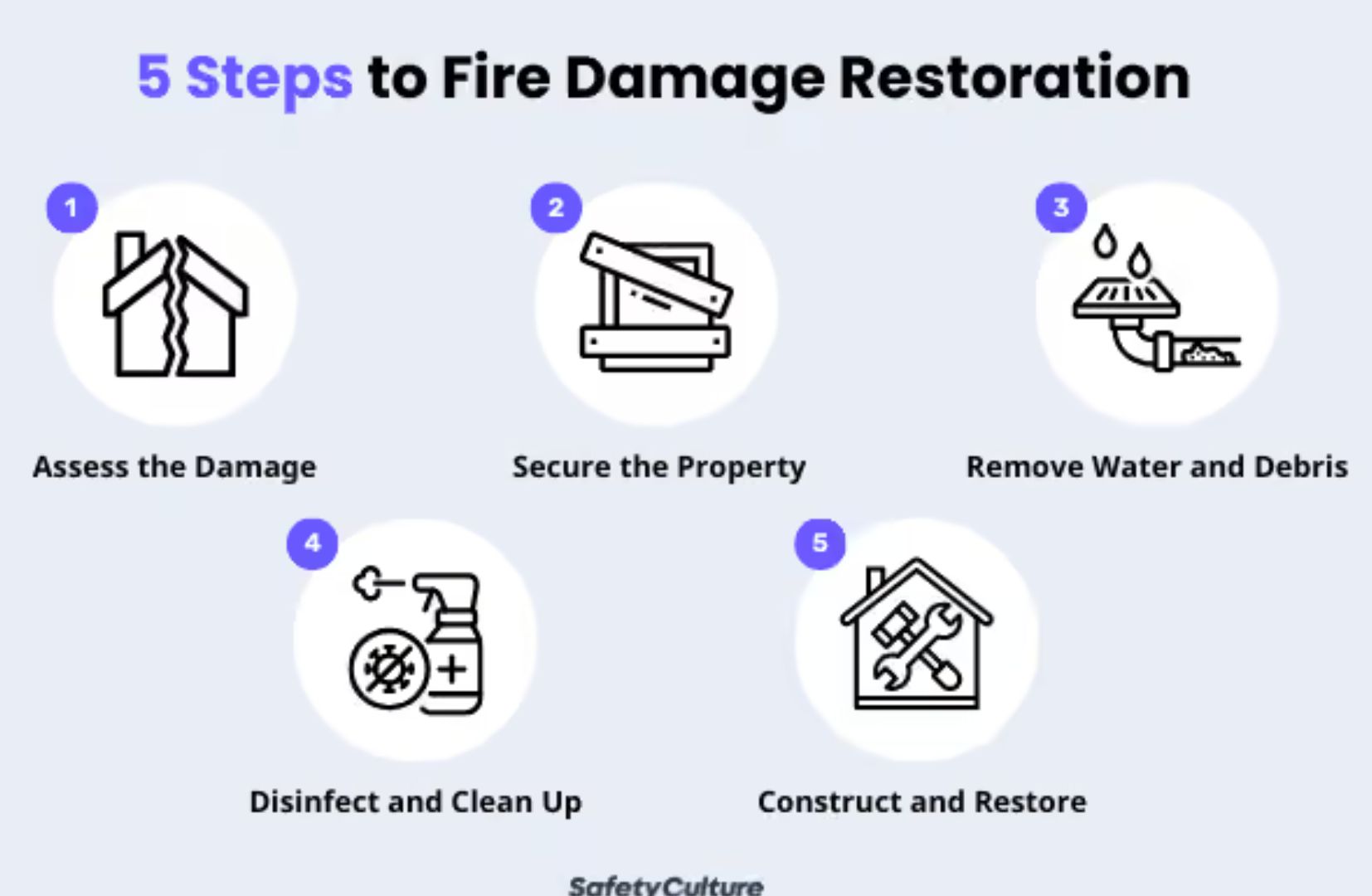
A timely and systematic response can help limit secondary damage. Safety assessment should come first, followed by documentation, inspection, water extraction or debris removal, drying, cleaning, odor control, and repairs as appropriate. Materials should be evaluated individually because some can be restored while others may need to be removed and replaced.
Professional assistance can be particularly valuable when damage is extensive, moisture has entered concealed areas, contaminated water is involved, or fire has affected structural components. Proper equipment and experience can help identify problems that are difficult to detect through visual inspection alone.
Ultimately, fire and water damage restoration is about returning a damaged property to a safe, functional, and stable condition while addressing the underlying causes and consequences of the emergency. Careful assessment, prompt action, appropriate cleaning and drying methods, professional workmanship, and thorough documentation all contribute to a more organized recovery process.
For property owners facing a serious emergency, fire and water damage restoration should be approached as a structured recovery process rather than a quick cosmetic cleanup. Addressing hidden moisture, smoke residues, contaminated materials, structural concerns, and damaged belongings can help protect the property from further deterioration. With appropriate professional guidance and a well-planned restoration strategy, many damaged areas and possessions can be repaired or restored, allowing the property to move toward normal use while reducing the risk of unresolved problems remaining behind.

