


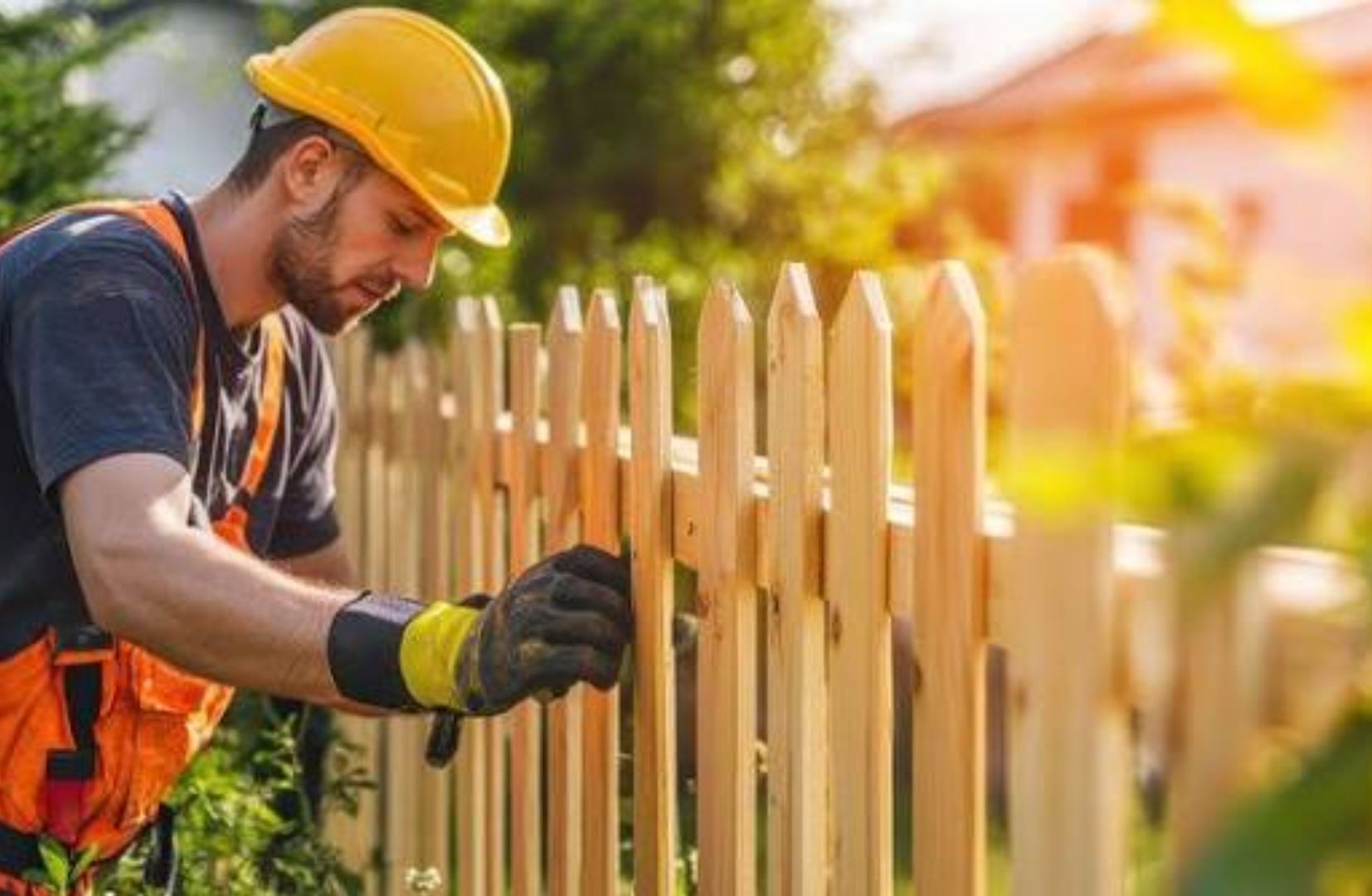
A well-designed fence can provide privacy, security, property definition, safety, and visual appeal while also improving the overall functionality of an outdoor space. Although fencing may appear to be a relatively straightforward improvement, achieving a durable and attractive result requires more than selecting a style and installing posts. The material, height, layout, soil conditions, gate placement, post spacing, drainage, maintenance requirements, and local regulations can all influence the performance of the finished fence. Careful planning before construction begins can help prevent unnecessary expenses and ensure that the fence meets the practical needs of the property.
Homeowners may install fencing for many different reasons. Some want additional privacy from neighboring properties, while others need to contain children or pets, improve security, establish clear property boundaries, or create separate areas within a yard. A fence can also serve a decorative purpose by complementing landscaping, architectural features, and outdoor living spaces. Because fencing can remain in place for many years, it is worth considering both immediate needs and long-term performance when selecting materials and planning the design.
Determining the Main Purpose of the Fence
The first step in any fencing project is identifying what the fence is expected to accomplish. A fence intended primarily for privacy may require a different height and construction style from one designed to define a garden or contain a pet. Similarly, a security-focused fence may need stronger posts, more durable materials, and carefully selected gates.
Privacy is one of the most common reasons for installing a fence. Solid panels, closely spaced boards, or other screening designs can reduce visibility between properties and create a more secluded outdoor environment. If the primary objective is privacy, the height and spacing of the fence should be considered carefully, as small gaps may significantly affect how much visibility remains.
For pets and children, safety and containment become more important. The spacing between fence components should be appropriate for the size of the animals or children using the area, while gates should close securely. A decorative fence may look attractive but fail to provide adequate containment if it has large openings or insufficient height.
Understanding the primary purpose helps narrow the available options and prevents homeowners from choosing a fence based solely on appearance.
Planning the Fence Layout
Before installation begins, the proposed fence line should be carefully planned. The layout determines the total amount of fencing material required, the number of posts and gates needed, and the complexity of the installation. A poorly planned fence line can create unnecessary complications, particularly when the property contains slopes, trees, landscaping, structures, or irregular boundaries.
Property boundaries should be confirmed before construction. Even a small positioning error can create disputes or require sections of fencing to be relocated. Existing surveys, property documentation, or professional boundary services may help establish the appropriate line.
The layout should also account for gates and access points. Gates need enough space to open properly without striking buildings, landscaping, vehicles, or other obstacles. Their location should reflect how people will actually move through the property.
A clear plan also makes it easier to estimate materials accurately. Posts, rails, panels, fasteners, concrete, hinges, latches, and finishing products should all be considered before work begins.
Choosing the Right Fencing Material
Fence materials differ significantly in appearance, durability, maintenance, cost, and installation requirements. Common options include wood, vinyl, metal, composite materials, and other specialized products. The best choice depends on the purpose of the fence and the conditions in which it will be installed.
Wood fencing remains popular because it offers a natural appearance and can be customized through staining, painting, board arrangement, and decorative details. Different types of wood have different durability and maintenance characteristics, so the material should be selected according to the expected exposure and maintenance routine.
Vinyl fencing can provide a clean appearance with relatively low routine maintenance. It is available in several styles and colors, making it suitable for homeowners who want a consistent appearance without frequent painting or staining.
Metal fencing can offer strength and an open appearance. Certain designs are well suited to security or decorative applications, while others can provide boundaries without completely blocking views.
Composite fencing combines characteristics of different materials and may provide an alternative for homeowners seeking durability and reduced maintenance. Product specifications should always be reviewed carefully because performance can vary between manufacturers and systems.
Considering Fence Height and Privacy
Fence height should be selected according to the intended function and applicable requirements. A low fence may be sufficient for decorative purposes, while privacy fencing generally requires greater height. Security fencing may also need to be tall enough to discourage unwanted access.
However, increasing height does not automatically create a better fence. A very tall structure can affect sunlight, airflow, views, and the appearance of the property. It may also require stronger structural support, particularly in areas exposed to strong winds.
Privacy can sometimes be improved through fence design rather than height alone. Closely spaced boards, overlapping panels, lattice sections, or landscaping can provide screening while creating a more visually balanced result.
Homeowners should also check any applicable rules before choosing the final height. Requirements can vary depending on property type, neighborhood regulations, boundary conditions, and the location of the fence.
Preparing the Ground
Ground preparation is an important part of successful fence construction. Soil conditions can influence how securely posts can be installed and how well they remain stable over time. Rocky ground, compacted soil, roots, drainage problems, and slopes can all affect the installation process.
The fence line should be cleared of unnecessary vegetation and debris before posts are installed. However, trees and established landscaping should not automatically be removed. In many cases, the fence layout can be adjusted to work around existing features.
Drainage deserves particular attention. Areas where water consistently collects may create problems for certain fencing materials or post foundations. Proper planning can help reduce prolonged moisture exposure and improve the long-term stability of the structure.
Sloped terrain may require stepped panels, angled construction, or another approach. A fence that follows the ground naturally may require different installation techniques from one installed on relatively level terrain.
Installing Strong Fence Posts
Fence posts provide the structural foundation of the entire system. Panels, boards, rails, and other components depend on properly installed posts for support. If posts are poorly positioned or inadequately secured, the fence may lean, shift, or become unstable over time.
Post spacing depends on the type of fence and the manufacturer’s specifications. Larger or heavier panels may require closer support than lighter systems. Corner posts, end posts, and gate posts may also require additional structural consideration because they experience different loads.
The depth and installation method should account for the fence design, soil conditions, post material, and environmental exposure. Concrete may be used for certain installations, while other systems use specialized anchors or different foundation methods.
Fence Installation should not be approached as simply digging holes and attaching panels. Accurate measurements, consistent post positioning, proper alignment, and suitable foundations all contribute to the strength and appearance of the finished structure.
Installing Panels, Boards, and Rails
Once the posts are securely established, the remaining fence components can be installed. The exact process varies depending on the material and design. Wood fencing may use individual boards attached to rails, while prefabricated systems may use complete panels fitted between posts.
Maintaining consistent spacing is important for both appearance and performance. Uneven gaps can make the fence look poorly constructed and may compromise privacy or containment.
The fence should also remain level or follow the intended slope consistently. Small alignment errors can become more noticeable as additional sections are installed. Measuring each section carefully can help prevent cumulative mistakes.
Fasteners should be appropriate for the material and environmental conditions. Using unsuitable screws, nails, brackets, or connectors can contribute to corrosion, staining, loosening, or premature failure.
Designing and Installing Gates
A fence is only as functional as its access points. Gates should be selected according to how frequently they will be used and what needs to pass through them. A narrow pedestrian gate may be suitable for everyday foot traffic, while a wider gate may be required for vehicles, lawn equipment, or large outdoor items.
Gate posts generally require strong support because gates create additional leverage. Heavy gates can place significant stress on hinges and posts, particularly when repeatedly opened and closed.
Latches should be easy for authorized users to operate while remaining secure. For pet containment or child safety, the latch height and design may require additional consideration.
Automatic gates can provide convenience and security but involve additional components and maintenance requirements. If automation is planned, electrical access and structural requirements should be considered before the fence is installed.
Adding Privacy and Decorative Features
A fence does not have to be purely functional. Decorative features can help integrate the structure with the overall landscape design. Post caps, contrasting materials, decorative gates, lattice sections, trim, and coordinated finishes can create a more customized appearance.
Landscaping can also complement a fence. Plants, shrubs, climbing greenery, and garden beds can soften the visual effect of a long fence line. However, vegetation should be positioned carefully so that roots, branches, or constant moisture do not create future maintenance problems.
Privacy can also be enhanced through landscaping without completely closing the fence. Trees and shrubs can provide additional screening while preserving some airflow and natural character.
Understanding Maintenance Requirements
Every fencing material requires some level of care. The amount and type of maintenance depend on the material, finish, climate, exposure, and installation quality.
Wood fencing may require periodic staining, painting, sealing, or inspection for rot and insect-related damage. Keeping vegetation from remaining continuously against the wood can also help reduce moisture exposure.Vinyl fencing generally requires routine cleaning to remove dirt and organic buildup. Metal fencing should be checked for corrosion, damaged coatings, loose fasteners, or other signs of deterioration.
Regardless of material, gates and hardware should be inspected periodically. Hinges can loosen, latches can wear, and posts may shift due to soil movement or other conditions. Addressing these issues early can help prevent larger repairs.
Protecting the Fence From Weather
Weather exposure can have a major effect on fence longevity. Rain, humidity, sunlight, wind, temperature changes, and freezing conditions can affect different materials in different ways.
Wood can absorb moisture and expand or contract as conditions change. Protective finishes can help reduce exposure, but maintenance requirements vary according to the specific product.
Metal fencing may be vulnerable to corrosion if protective coatings are damaged. Scratches and exposed areas should be monitored and treated appropriately to prevent deterioration from spreading.
Strong winds can place considerable pressure on privacy fences because solid panels provide greater resistance to airflow. Proper post installation and structural design are therefore particularly important for taller or less permeable fences.
Working Around Existing Landscaping
Fence installation often takes place in yards containing mature trees, gardens, irrigation systems, pathways, and outdoor structures. These features should be considered during the planning phase rather than discovered during construction.
Tree roots can make post installation difficult and may affect the future stability of the fence if the root system is significantly disturbed. Irrigation lines and underground utilities can also be damaged during excavation, so appropriate checks should be completed before digging.
A carefully planned fence can work with the existing landscape rather than requiring unnecessary removal of plants and structures. In some situations, adjusting the fence line slightly can preserve valuable landscaping while still achieving the desired boundary.
Common Fence Installation Mistakes
One common mistake is failing to verify the property boundary before construction. Another is selecting a material based solely on initial price without considering maintenance requirements and expected longevity.
Improper post installation is another frequent concern. A fence may look attractive immediately after completion but become unstable if the posts are not appropriately supported. Uneven spacing, poorly aligned panels, weak gate posts, and unsuitable fasteners can also affect long-term performance.
Homeowners sometimes underestimate the importance of drainage. Constant moisture around posts or panels can accelerate deterioration, particularly with materials that are sensitive to prolonged water exposure.
Another mistake is failing to plan gates properly. A gate that is too narrow, poorly positioned, or inadequately supported can become one of the most frustrating parts of an otherwise successful fence.
Hiring a Professional for the Project
Some fencing projects are suitable for experienced homeowners, particularly when the terrain is simple and the fence system is straightforward. More complicated projects may benefit from professional installation, especially when they involve steep slopes, difficult soil, large gates, extensive privacy fencing, or complex property boundaries.
A professional installer can help with measurements, layout, material selection, post installation, alignment, gates, and finishing. Before hiring a contractor, homeowners should review previous work, references, insurance, applicable credentials, and the details of the written estimate.
The estimate should clearly explain the materials and labor included in the project. Homeowners should also ask whether site preparation, old fence removal, debris disposal, gate hardware, and finishing treatments are included.
Professional Fence Installation can be particularly valuable when accuracy and long-term durability are priorities. Proper installation helps ensure that the fence is aligned correctly, posts are adequately supported, and gates operate as intended.
Final Thoughts on Creating a Durable Fence
A fence can provide much more than a visible boundary. It can improve privacy, enhance security, contain pets, protect children, organize outdoor spaces, and contribute to the overall appearance of a property. Achieving these benefits requires careful planning and attention to structural details.
The most successful fencing projects begin by identifying the purpose of the fence and selecting materials that match that purpose. From there, homeowners should consider the layout, property boundaries, height, gates, soil conditions, drainage alignment, suitable fasteners, and well-designed gates all contribute to a fence that performs reliably over time should also account for future maintenance. Understanding how the selected material responds to weather and what routine care it, landscaping, and maintenance requirements.
Quality installation is equally important. Strong posts, accurate measurements, proper alignment, suitable fasteners, and well-designed gates all contribute to a fence that performs reliably over time. Even the best materials can fail prematurely if installation methods are inappropriate.
A thoughtful Fence Installation project should also account for future maintenance. Understanding how the selected material responds to weather and what routine care it requires can help homeowners protect their investment.
Ultimately, the goal is to create a fence that looks appropriate, performs its intended function, and remains dependable for years. By taking time to plan the project, selecting suitable materials, addressing site conditions, and using professional assistance when necessary, property owners can create a durable and attractive boundary that adds practical value to their outdoor space.

