


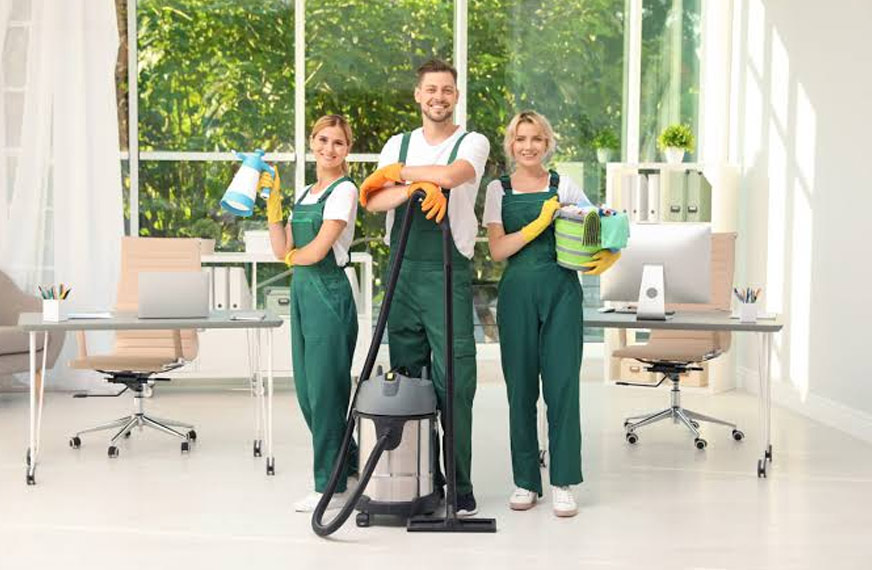
Maintaining a clean, organized, and hygienic facility is an important part of creating a comfortable and professional environment. Businesses, offices, educational facilities, commercial properties, and shared buildings all experience regular exposure to dust, dirt, spills, waste, fingerprints, and general daily wear. Without a consistent maintenance routine, these issues can quickly affect the appearance and usability of different areas. Janitorial services provide structured cleaning support designed to handle routine maintenance and more detailed cleaning requirements. From floors and restrooms to work areas, common spaces, waste containers, and high-touch surfaces, a well-planned cleaning program can help keep a facility presentable, functional, and easier to manage.
Understanding Professional Cleaning Needs
Every facility has its own cleaning requirements based on its size, layout, occupancy, operating schedule, and daily activities. A small office may need regular dusting, vacuuming, restroom cleaning, and waste removal, while a larger property may require multiple cleaning schedules for separate sections. High-traffic areas usually collect dirt and debris more quickly than rooms that receive limited use. Janitorial services can be organized according to these differences, allowing cleaning tasks to be completed according to actual needs rather than following the same routine everywhere. A customized approach can help ensure that frequently used spaces receive adequate attention while less busy areas are still maintained on an appropriate schedule.
Creating a Reliable Cleaning Schedule
A dependable cleaning schedule helps prevent important tasks from being forgotten. Daily cleaning may include emptying waste containers, wiping frequently used surfaces, maintaining restrooms, vacuuming high-traffic areas, and addressing visible spills. Weekly tasks can involve more detailed dusting, floor maintenance, glass cleaning, fixture care, and attention to spaces that do not require daily cleaning. Monthly or seasonal work may include cleaning vents, storage areas, difficult-to-reach surfaces, and other less visible locations. Schedules can also be adjusted around special events, changes in occupancy, and unexpected cleaning requirements. A consistent routine is valuable because small maintenance tasks are generally easier to handle before dirt and buildup become extensive.
Maintaining Clean Floors
Floors experience considerable daily activity, making them one of the most important areas of facility maintenance. Employees, customers, visitors, and equipment can bring in dust, dirt, moisture, food particles, and other debris. Different flooring materials require different cleaning methods, so maintenance should be selected according to the surface. Carpets may need regular vacuuming and periodic deep cleaning, while hard floors may require sweeping, mopping, polishing, or other suitable treatments. Spills should be addressed promptly to reduce the possibility of stains and slippery surfaces. Regular floor care can improve the appearance of a facility while helping flooring materials remain in good condition for longer periods.
Keeping Restrooms Hygienic
Restrooms require consistent attention because they are frequently used and contain many surfaces that experience repeated contact. Toilets, sinks, faucets, mirrors, floors, partitions, dispensers, door handles, and other fixtures should be cleaned according to their materials and frequency of use. Soap, paper products, and other necessary supplies should also be monitored so that they can be replenished when required. Appropriate cleaning products should be used according to manufacturer instructions, and different chemicals should never be mixed unless specifically approved. Janitorial services can establish scheduled restroom maintenance that helps keep these spaces clean, comfortable, and presentable throughout the day.
Managing Waste Efficiently
Waste management is another important part of maintaining a clean facility. Trash containers should be emptied according to their size, location, and frequency of use. High-traffic areas may require more frequent waste collection because containers can fill quickly during busy periods. Recycling programs may also require separate collection and appropriate sorting procedures. Areas surrounding waste containers should be checked for spills, crumbs, or residue that may accumulate during normal use. Proper waste handling can help prevent unpleasant odors, overflowing bins, and unnecessary clutter. A structured approach also allows cleaning teams to identify areas where waste levels are consistently higher and adjust collection schedules accordingly.
Cleaning High-Touch Surfaces
Many surfaces throughout a facility are touched repeatedly during normal activities. Door handles, light switches, elevator controls, railings, faucets, shared equipment, counters, cabinet handles, and other frequently contacted surfaces can accumulate dirt and residue. These areas should be incorporated into routine cleaning according to the type of facility and level of use. The appropriate cleaning product depends on the surface material and manufacturer’s recommendations. Regular attention to frequently touched areas can support a more consistently maintained environment. It also helps ensure that cleaning routines cover details that might otherwise be overlooked when staff focus mainly on floors, desks, and other larger surfaces.
Improving the Overall Appearance
The visual condition of a facility can influence how organized and well maintained it appears. Dusty furniture, fingerprints on glass, stained flooring, overflowing waste containers, cluttered common areas, and dirty entryways can create an untidy impression. Regular maintenance helps address these details and supports a cleaner overall appearance. Reception areas, hallways, meeting rooms, entrances, workstations, and shared spaces may require different cleaning frequencies depending on how they are used. Professional cleaning routines can establish consistent standards across the property. When appearance is maintained regularly, it becomes easier to identify areas that need additional attention rather than allowing problems to accumulate unnoticed.
Supporting a Comfortable Workplace
Employees spend significant amounts of time in their working environments, so cleanliness can contribute to everyday comfort. Dusty surfaces, overflowing bins, dirty break areas, and poorly maintained restrooms can make a facility less pleasant to use. Regular cleaning allows employees to focus on their primary responsibilities instead of being distracted by routine maintenance concerns. Work schedules should be considered when planning cleaning activities so that unnecessary disruption can be minimized. Common areas, meeting rooms, kitchens, restrooms, and entryways should receive appropriate attention based on usage. A clean and organized environment can also make shared spaces easier for everyone to use responsibly.
Maintaining Office Work Areas
Office environments contain desks, chairs, computers, shelves, cabinets, meeting tables, floors, and numerous other surfaces that can collect dust and debris. Cleaning methods should be appropriate for office equipment because excessive moisture or unsuitable products can damage sensitive materials. Workstations may need regular dusting, while shared meeting rooms and conference tables can require more frequent attention. Waste containers should be emptied consistently, and floors should be cleaned according to their material. Personal items should remain organized so that cleaning staff can reach surfaces effectively. A structured maintenance routine can help keep work areas orderly without interfering with normal business activities.
Caring for Break Rooms and Shared Kitchens
Break rooms and shared kitchens can become dirty quickly because food preparation, eating, and frequent traffic create additional cleaning demands. Countertops, sinks, tables, appliance handles, floors, cabinets, and other surfaces can collect crumbs, grease, spills, and residue. Food waste should be removed regularly, while spills should be addressed promptly to reduce staining and odors. Shared appliances may also need periodic cleaning according to manufacturer recommendations. Refrigerators and storage areas can require additional attention based on facility policies. Consistent maintenance helps keep these spaces comfortable and makes them easier for employees and visitors to use throughout the day.
Using Cleaning Products Responsibly
Cleaning products can be useful when they are selected and applied correctly. Product labels should always be reviewed for instructions concerning surfaces, application methods, ventilation, protective equipment, storage, and other precautions. Different chemicals should not be combined unless the manufacturer specifically confirms that doing so is safe. Excessive use of a cleaning product does not necessarily produce better results and may leave residue on surfaces. Cleaning supplies should also be stored appropriately and kept away from unauthorized users. Clear procedures help ensure that cleaning teams use products consistently and safely while reducing the risk of damage to furniture, flooring, equipment, and other facility materials.
Caring for Windows and Glass Surfaces
Windows, glass doors, mirrors, partitions, and other transparent surfaces can collect fingerprints, dust, smudges, and streaks. Clean glass can improve the appearance of entrances, reception areas, meeting rooms, and other visible spaces. Appropriate glass-cleaning products and suitable cloths should be used to reduce streaking and protect surrounding materials. Window frames, tracks, and sills should also receive periodic attention because dirt can accumulate in these less noticeable areas. Special care may be necessary when glass contains coatings or when frames are made from materials that can be damaged by certain chemicals. Regular glass maintenance contributes to a more polished and well-kept appearance.
Addressing Hard-to-Reach Areas
Some parts of a facility are easy to overlook because they are hidden or difficult to access. Areas behind furniture, beneath equipment, along baseboards, around vents, above cabinets, and inside storage spaces can gradually accumulate dust and debris. These locations may not need daily cleaning, but periodic attention can help prevent heavy buildup. Furniture and equipment should only be moved when it is safe to do so, and appropriate tools should be used for elevated or narrow areas. Including less-visible spaces in a periodic maintenance schedule creates a more comprehensive approach. It also allows facility managers to identify problems that might otherwise remain unnoticed.
Reducing Workplace Clutter
Cleaning becomes easier when a facility is organized. Papers, supplies, equipment, personal belongings, packaging, and other items can accumulate on desks, counters, floors, and shared surfaces. A clear storage system can help employees and visitors return items to appropriate places after use. Shelves, cabinets, labeled containers, and designated storage areas can reduce unnecessary clutter. Janitorial services can manage routine cleaning, but maintaining organization is a shared responsibility among facility users. When floors and surfaces remain reasonably clear, cleaning teams can work more efficiently and reach areas that might otherwise be blocked by unnecessary objects.
Managing High-Traffic Areas
Not every section of a facility experiences the same amount of activity. Entrances, corridors, elevators, restrooms, reception areas, cafeterias, and meeting rooms may require more frequent cleaning than storage rooms or low-traffic offices. A cleaning plan should reflect these differences rather than assigning identical schedules to every area. High-use spaces may need additional vacuuming, mopping, waste removal, and surface cleaning throughout the day. Less frequently used areas can generally follow a different schedule while still receiving appropriate maintenance. Adjusting cleaning frequency according to actual traffic can make the overall program more efficient and ensure that resources are directed toward areas where they are most needed.
Preparing for Special Events
Special events can temporarily increase cleaning requirements. Meetings, conferences, celebrations, inspections, and other gatherings may result in greater use of restrooms, common areas, seating spaces, entrances, and waste containers. Before an event, visible areas may need additional cleaning and supplies may need to be checked. During the event, waste collection and restroom monitoring may become more important. Afterward, floors, tables, surfaces, furniture, and waste containers may require additional attention. Planning these requirements in advance can reduce disruption and help the facility return to its normal routine quickly. A flexible cleaning schedule makes it easier to accommodate temporary increases in activity.
Maintaining Shared Equipment
Shared equipment can include printers, photocopiers, kitchen appliances, tables, chairs, carts, tools, and other items used by multiple people. These objects may collect fingerprints, dust, crumbs, and other residue through regular use. Cleaning methods should be appropriate for the equipment and should follow manufacturer recommendations when applicable. Electronic equipment should be protected from excessive moisture, while surfaces used for food preparation may require different cleaning methods. Keeping shared equipment clean can improve its appearance and make common areas feel more organized. It can also encourage users to treat shared property with greater care.
Benefits of Consistent Facility Maintenance
A consistent cleaning program can make facility maintenance more predictable and manageable. Regular attention prevents dust, dirt, waste, stains, and residue from accumulating to levels that require extensive corrective work. It can also make it easier to notice damaged flooring, leaking fixtures, broken equipment, or other maintenance concerns at an earlier stage. Janitorial services can provide structured support while allowing facility managers to establish clear standards and schedules. Consistency is especially important in busy environments where cleaning needs can change throughout the day. A dependable maintenance routine supports both the appearance and everyday functionality of the property.
Choosing an Appropriate Cleaning Approach
A cleaning plan should reflect the facility’s size, layout, operating hours, occupancy, and activities. The types of flooring, furniture, equipment, restrooms, common spaces, and work areas should all be considered when developing a schedule. Some facilities may require cleaning before opening, while others may benefit from maintenance during quieter periods or after normal operating hours. The frequency of individual tasks can also be adjusted as usage changes. Periodic reviews of the cleaning plan can help identify areas that require more attention and tasks that can be scheduled less frequently. A flexible approach allows the maintenance program to remain useful as facility needs evolve.
Encouraging Shared Responsibility
Professional cleaners can handle scheduled maintenance, but facility users also influence the condition of shared spaces. Employees, visitors, and occupants can contribute by disposing of waste properly, returning supplies to storage, cleaning up minor spills when appropriate, and avoiding unnecessary clutter. Clear facility policies can make these expectations easier to understand. Managers can also communicate cleaning schedules so that employees know when particular areas are being maintained. When everyone contributes to basic organization, cleaning teams can spend more time on detailed maintenance rather than repeatedly addressing preventable messes. Shared responsibility creates a stronger foundation for long-term cleanliness.
Final Thoughts
Maintaining a clean facility requires more than occasional attention because dust, dirt, waste, spills, and general wear develop continuously through everyday use. Janitorial services can provide structured support for floors, restrooms, offices, common areas, waste management, high-touch surfaces, glass, kitchens, and less-visible spaces. Appropriate cleaning products, safe procedures, organized schedules, and regular reviews can make facility maintenance more effective. A practical cleaning plan should reflect the specific needs of each property while remaining flexible enough to handle changes in occupancy and activity. By treating cleanliness as an ongoing part of facility management, organizations can maintain environments that are more organized, comfortable, presentable, and functional.

