


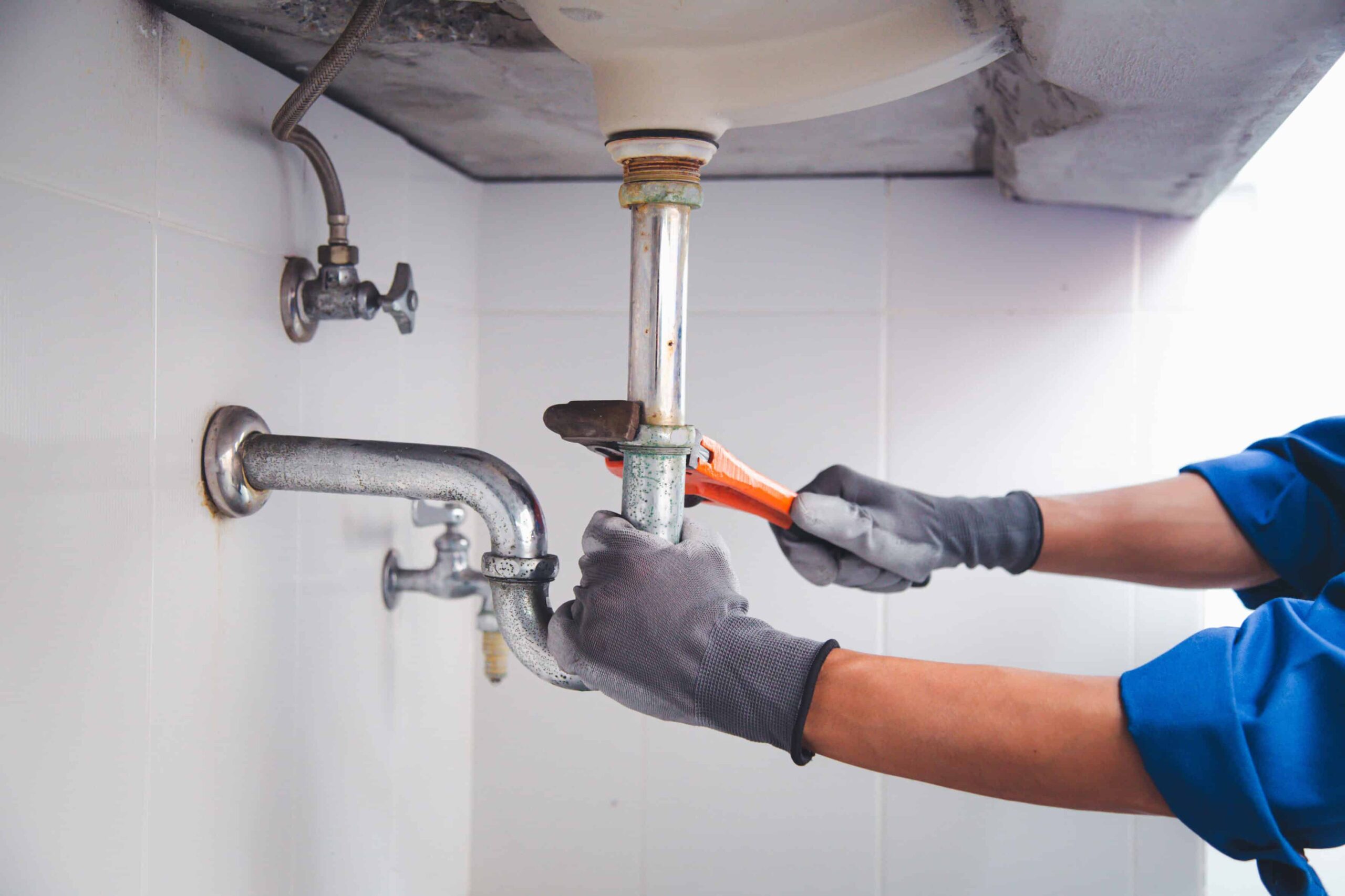
Slow drains, gurgling sounds, or a musty sewer odor can appear with little warning, and your first move depends on where the blockage is. A buildup of toothpaste and hair in one sink trap requires a different response from a grease obstruction in the main sewer line. Knowing the difference can help you avoid unnecessary disruption, protect your plumbing, and choose an appropriate cleaning method. This article explains how to read the symptoms, perform a few safe isolation checks, avoid common mistakes, and decide when methods such as hydro jetting or camera inspection may be worthwhile.
-
Signs That Point to a Fixture Clog Versus a Mainline Problem
If one sink or shower drains slowly while nearby fixtures work normally, you may have a local obstruction in the P-trap, pop-up assembly, or branch line serving that fixture. When several drains develop problems at the same time, especially a toilet along with a tub or shower, the restriction may be farther downstream. If the symptoms suggest the backup is beyond what a plunger can solve and you need drain cleaning services in Fremont, NE, recognizing this pattern can help you act quickly without making the situation worse.
Toilets can provide useful clues because they connect to larger drain lines. If flushing a toilet makes a nearby tub gurgle or pushes water into a floor drain, the problem may involve a shared branch or the main sewer line. Backups also tend to appear first at the lowest accessible drain in the building, which may be a basement floor drain. A washing machine discharge that causes water or suds to rise in a shower is another sign of a larger downstream restriction. By contrast, one bathroom sink that drains slowly while everything else works normally usually points to a more localized problem.
-
Simple, Safe Isolation Checks You Can Do in Minutes
Start by testing one fixture at a time. Run a bathroom sink briefly and watch how quickly it drains. If the water rises, turn it off and listen for gurgling from nearby fixtures. Next, flush a toilet on the same floor. If the sink level changes or the shower begins to bubble, the restriction may be located in a shared branch or farther downstream.
Repeat these observations on different floors to help identify where the symptoms begin. Avoid running high-volume appliances such as washing machines or dishwashers while investigating a suspected backup, because their discharge can overwhelm an already restricted drain.
If you have a clearly accessible cleanout and no signs of active sewage overflow, you can visually check the area for leaks or obvious problems. Opening a cleanout can release wastewater under pressure, so it is generally safer to leave that step to a plumber if you suspect the line is full.
For a simple sink clog, removing visible hair or debris from the stopper area may be enough. Only attempt more involved trap removal or auger work if you are comfortable with the plumbing layout and can do it without damaging fittings or causing a leak.
-
What Not to Do: Common Mistakes That Make Blockages Harder to Clear
Avoid pouring strong caustic drain cleaners into a line that may later need mechanical cleaning. These chemicals can remain trapped in the piping, damage some materials, and create a splash hazard for anyone who later opens the drain or uses an auger.
Never mix drain products with bleach or other household chemicals, as they can create dangerous fumes.
Do not force water down plumbing vents or use improvised pressure methods to clear a suspected blockage. Uncontrolled water can back up into walls, ceilings, or fixtures if the line is already obstructed.
Avoid running a garbage disposal when the sink is already backed up. Adding more solids to a restricted line can worsen the blockage.
If wastewater is appearing at a floor drain or another low fixture, stop using upstream plumbing until the restriction has been evaluated.
-
Choosing the Right Cleaning Method: Snaking, Hydro Jetting, and Camera Scopes
Mechanical cables and augers can work well for certain localized clogs, particularly when the blockage is accessible and caused by hair, soap buildup, or similar debris. The appropriate tool size and access point depend on the pipe diameter and location.
Larger drain and sewer lines may require professional equipment because aggressive cable work can damage fittings, become stuck, or create additional problems if used incorrectly.
Snaking can restore flow quickly, but it may not remove all residue from the pipe walls. Grease, sludge, mineral deposits, or roots can remain and contribute to recurring problems.
Hydro jetting uses controlled, high-pressure water to clean the inside of the pipe more thoroughly. Because pressure, nozzle choice, pipe condition, and access all matter, trained professionals should generally perform hydro jetting.
A camera inspection after cleaning can help confirm whether the line is open and may reveal recurring causes such as root intrusion, damaged joints, offsets, or a low section of pipe that holds wastewater.
For example, a main line may back up during a large family gathering because increased usage overwhelms an existing restriction. Cleaning can restore flow, while a camera inspection may reveal a structural issue that requires a longer-term repair plan.
-
Preventive Habits That Actually Work
Keep fats, oils, and grease out of kitchen drains. Wipe greasy pans before washing and dispose of cooled grease in the trash rather than pouring it down the sink.
Use strainers to catch hair in showers and food scraps in sinks, and empty them regularly. Put only toilet paper and human waste in toilets. Products marketed as flushable can still cause blockages, especially in older or damaged pipes.
Use the garbage disposal only for appropriate food waste and avoid fibrous materials that can tangle around internal components or contribute to drain buildup.
Rarely used fixtures can develop dry traps that allow sewer odors into the home. Running water periodically can help maintain the trap seal.
If a camera inspection has confirmed recurring root intrusion or another repeat problem, work with a plumber on an appropriate maintenance schedule rather than waiting for the next backup.
Keep cleanout locations accessible so a technician can reach the correct entry point quickly when service is needed.
Before periods of heavy household use, watch for early warning signs such as slow drains, gurgling, or changing toilet water levels. Catching these symptoms before a complete backup can give you more time to arrange service.
Use the Pattern of Symptoms to Guide the Next Step
Separating a fixture clog from a main sewer problem is less guesswork and more pattern-watching. Notice which fixtures are affected together, where water appears first, and whether using one fixture causes another to gurgle or back up.
Simple observations can help you tell whether the issue is local or farther downstream, while avoiding chemicals and aggressive tools can protect both your plumbing and anyone who services it later.
When a blockage involves multiple fixtures, recurring backups, sewage at a low drain, or an uncertain cause, professional drain cleaning and inspection are usually the safer path.
With habits that keep grease, wipes, and other problem materials out of the plumbing, along with timely cleaning and camera inspection when needed, households can reduce the risk of disruptive sewer backups and keep wastewater moving more reliably.

