


Solar generator capacity is most valuable when stored energy goes toward the tasks that matter. A large battery may serve cooking, cooling, communications, entertainment, or home backup, but those loads do not carry equal priority or run on the same schedule. Better capacity management starts with deciding when electricity creates the most value. It also means taking advantage of incoming energy when it is available. Instead of treating battery percentage as something to preserve, think of capacity as an energy budget that should move through the right jobs at the right time.
Give Every Watt-Hour a Clear Job
Separate Flexible Loads From Fixed Loads
Some electrical loads follow a schedule, while others can move to a more convenient time. Refrigeration, for example, may operate throughout the day, while device charging, cooking, and other activities can often happen within selected periods. Sorting loads this way creates a clearer energy plan. Run flexible tasks when charging conditions are favorable and reserve stored capacity for periods when incoming power is limited. This approach is particularly useful with a solar powered generator because solar production and electricity demand rarely follow identical curves. Instead of asking whether enough battery remains for every possible activity, identify which loads need continuous access and which ones can shift. That simple distinction makes the same amount of stored energy work more purposefully.
Match High-Power Tasks With Available Input
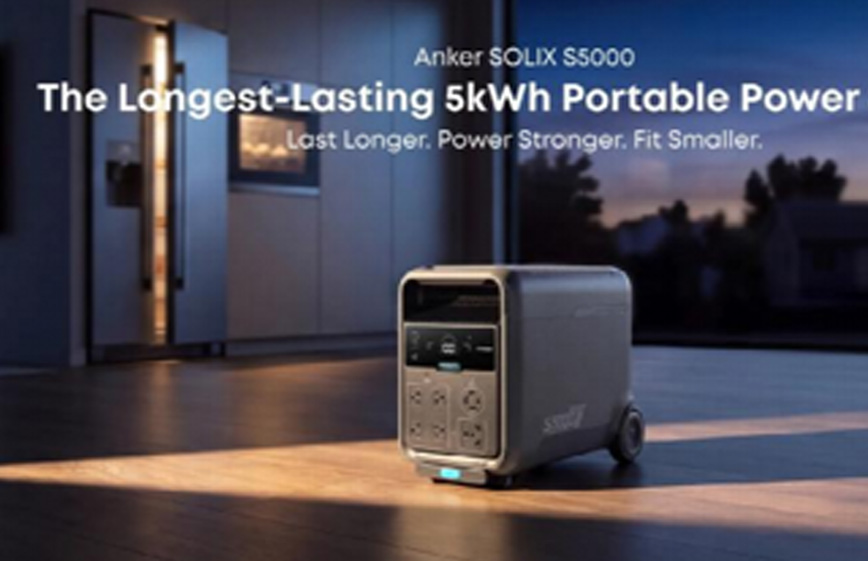
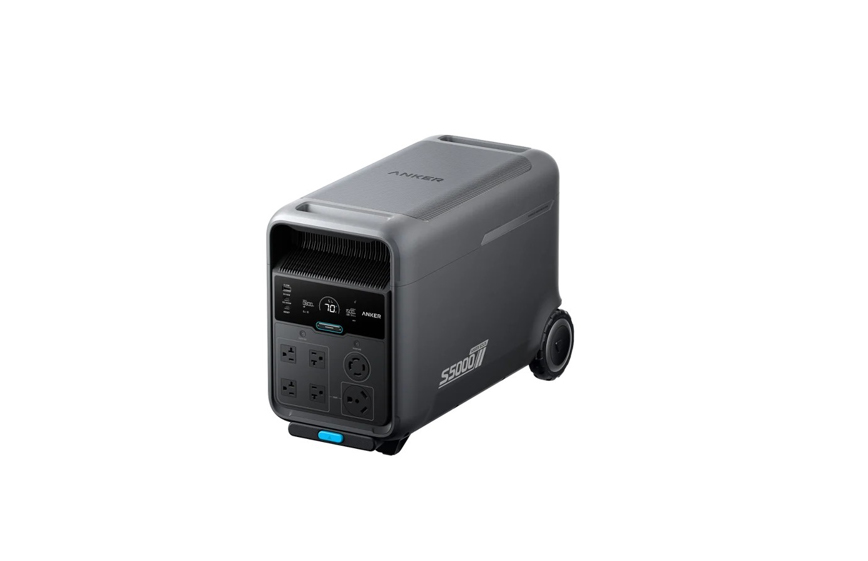
A high-wattage appliance does not automatically create inefficient energy use. Timing matters. When strong solar input or another charging source is available, that period may be a logical time for energy-intensive tasks. The Anker SOLIX S5000 supports up to 3,000W solar input and is available with a 400W bifacial solar panel. On the output side, it provides 4,500W rated power and 8,000W peak output. These figures describe two different sides of energy management: how quickly energy can enter and how much power the station can deliver. Coordinating those sides can reduce unnecessary reliance on stored energy alone. Rather than postponing every major task until evening, users can align suitable activities with periods when the system has access to incoming energy.
Think in Usable Hours, Not Battery Percentages
A percentage display tells you the battery’s state of charge, but it does not reveal what that energy will accomplish. Fifty percent remaining means something different for LED lighting than it does for a high-power appliance. Translate the remaining capacity into the loads that matter most. Anker’s internal S5000 testing illustrates these differences: it lists 86 hours for a refrigerator, 63 hours for a TV, and 124 hours for LED lights under its specified test conditions. Actual runtime varies with operating conditions, but the examples show why percentages need context. Instead of aiming to keep the battery at a visually reassuring level, connect the available energy with expected hours of operation. Capacity becomes more useful when it answers a practical question about the next task.
Coordinate Stored Energy With the Next Opportunity
Keep a Reserve With a Specific Purpose
Saving energy is useful when the reserve has a defined job. A household expecting an overnight outage may set aside enough capacity for refrigeration, lighting, communications, and other selected loads. A camper may reserve energy for evening equipment after daytime solar charging ends. This is different from simply avoiding battery use. The Anker SOLIX S5000 provides 5,024Wh of base capacity and is positioned for up to 48 hours of home backup under Anker’s stated scenario. A practical reserve strategy starts with the expected period ahead and assigns energy accordingly. Once those priority requirements are covered, the remaining capacity can serve other activities. Giving the reserve a purpose prevents battery percentage itself from becoming the goal.
Schedule the Next Recharge Before Capacity Runs Low
Energy planning becomes easier when users know where the next meaningful recharge opportunity will come from. The S5000 supports six charging methods, so replenishment can fit different situations. Solar may contribute during daylight. AC access can serve another period. Alternator charging can turn driving time into a charging opportunity, while compatible generator and mixed charging configurations provide additional options. This flexibility changes how capacity should be managed. A battery does not need to cover an entire journey from the first day if the route contains reliable replenishment points. Map energy use from one charging opportunity to the next. This creates shorter planning intervals and allows available capacity to support useful work rather than being held for a distant point that already has another charging source.
Let Smart Controls Handle Predictable Energy Windows
Capacity management can also happen through scheduling rather than constant manual attention. The S5000 supports app-based management, including remote monitoring, scheduled shut-offs, and operating controls. Its Time-of-Use mode adds another way to coordinate when stored energy enters the household. Anker states that the system can charge with solar or lower-cost grid electricity during suitable periods and supply stored energy later. This turns capacity into a timed resource. The important question becomes not simply how much electricity the battery contains, but when that electricity should move. For regular household routines, predictable schedules make this especially useful. Users can organize charging and consumption around recurring energy windows instead of making a new decision every time the battery percentage changes.
Conclusion
Avoiding wasted solar generator capacity is mainly an exercise in timing and purpose. Separate fixed and flexible loads, align demanding tasks with available input, translate battery percentage into useful runtime, and reserve energy for specific future needs. Then plan consumption around the next realistic charging opportunity. Smart scheduling can make recurring routines even easier to manage. With 5,024Wh of base capacity, multiple recharge methods, app-based controls, and substantial AC output, the Anker SOLIX S5000 provides several ways to put stored energy to purposeful use.

