


Choosing an RV power source is really a question about how a trip works. Some travelers spend several nights at one campsite. Others drive daily, stop far from hookups, or run several appliances at different times. Solar generators and gas generators approach those routines differently. Rather than declaring one technology universally better, RV owners can compare how each fits their travel pattern. Sound, power requirements, charging opportunities, campsite setup, and trip duration all influence which approach feels more natural on the road.
Compare the Experience at the Campsite
Quiet Power Changes How the Site Feels
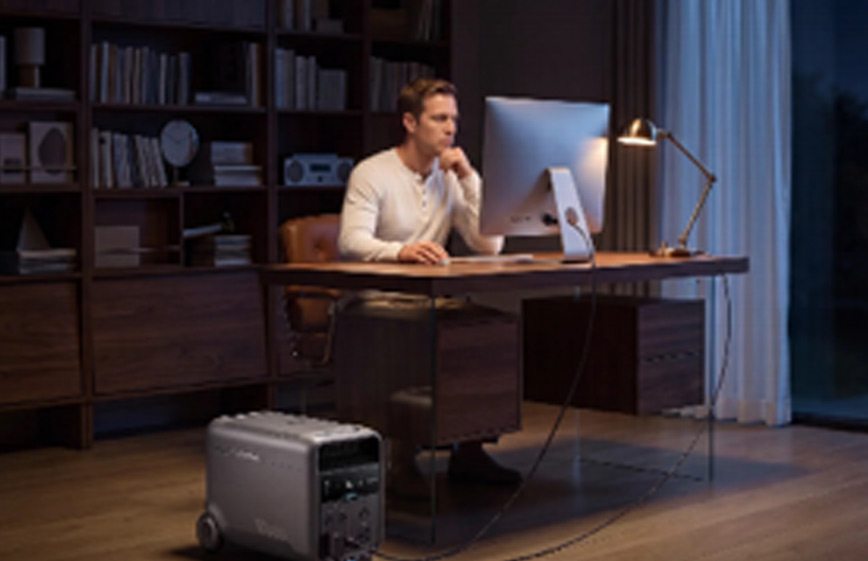
An RV campsite often doubles as a kitchen, lounge, workspace, and sleeping area. That makes operating sound an important part of the power decision. A battery-based solar generator supplies stored electricity without an engine running during normal discharge. This can suit travelers who want to power equipment while keeping the campsite calm. The Anker SOLIX S5000, for example, is rated at 30 dB for its stated whisper-quiet operating condition. This type of characteristic matters during early breakfasts, evening entertainment, or overnight stays when the power source sits close to the RV. When comparing options, RV owners can therefore consider not only how many watts they receive, but also how the equipment affects the environment around their campsite.
Start With the Appliances the RV Actually Carries
RV power requirements vary widely, so appliance compatibility should come before assumptions about generator type. List the equipment likely to operate and identify which devices may run together. The S5000 provides 4,500W rated output and 8,000W peak output, with both 120V and 240V support. Anker states that it can power 99% of home appliances under its specified compatibility conditions. The supplied examples include a 1,250W microwave and a 1,050W coffee maker, illustrating the type of higher-demand equipment that should be considered when calculating an RV setup. When evaluating portable power stations, travelers should compare the station’s output specifications with the actual electrical requirements of their RV equipment rather than choosing solely from the battery-capacity figure.
Think About Where the Power Source Will Sit
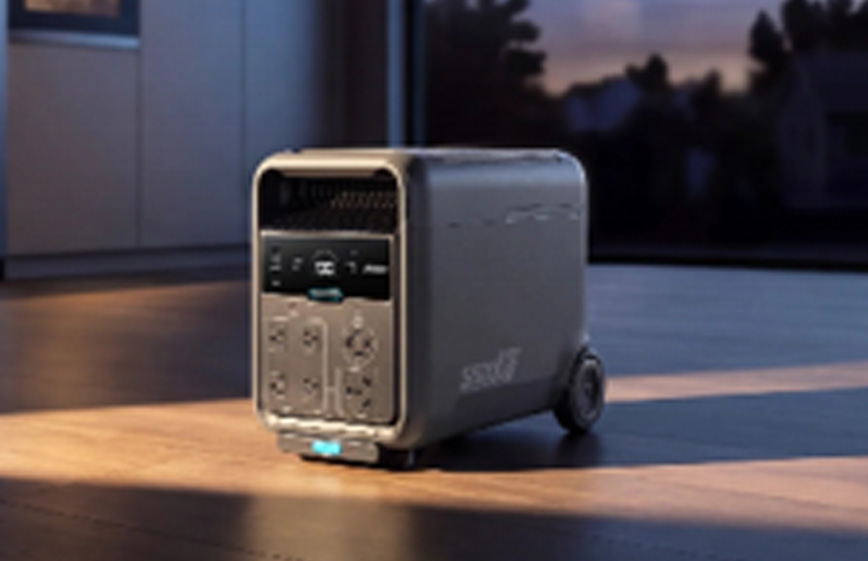
RV equipment has to fit into a limited travel environment. Storage compartments, campsite space, loading routines, and movement around the vehicle all matter. The S5000 measures 10.6 × 22.0 × 15.2 inches and weighs 97 pounds. Its design includes built-in wheels and a handle, allowing users to roll the unit when repositioning it. Anker also describes the design as 45% smaller and 28% lighter in its stated 5kWh comparison. For RV travel, physical design becomes part of the power equation because equipment may move between storage and the active campsite repeatedly. Before choosing any generator, owners can measure the intended storage location and consider how frequently they expect to move the unit during a typical trip.
Let the Travel Pattern Decide How Energy Returns
Solar Works Differently When the RV Stays Put
A multi-day campsite stay creates a useful opportunity for solar charging because the RV may remain in one location while panels collect energy during daylight. The S5000 supports up to 3,000W solar input and is offered with a 400W solar panel or 400W bifacial solar panel. Anker lists a full charging time of 2.1 hours at the maximum 3,000W solar input under its specified conditions. Actual solar charging depends on the panel configuration and available sunlight, so travelers should plan around their own setup. The key distinction is that solar turns suitable daylight at the destination into a charging resource. For RV owners who regularly spend time parked away from hookups, that changes recharging from a separate task into part of the campsite routine.
Driving Days Create Another Charging Window
Trips with frequent driving create a different energy pattern. Instead of relying on one charging method, travelers can treat time on the road as another opportunity to replenish the power station. The S5000 supports 800W alternator charging, with Anker listing a full charge in 7.3 hours under the stated conditions. It also supports AC wall charging at 1,800W, with a listed full-charge time of 3.1 hours. These options matter because an RV itinerary can change from day to day. One night may include access to AC power, another may involve hours of driving, and another may offer a long solar-charging window. A system with several supported charging paths can adapt its replenishment method to the route rather than requiring every stop to follow the same routine.
Longer Trips Favor a Multi-Source Energy Strategy
The most useful comparison may not require choosing one energy source exclusively. A long RV journey can combine several charging opportunities as conditions change. The S5000 supports six recharge methods, including solar, AC, alternator, and generator charging. It accepts up to 4,500W from a compatible generator setup, with Anker listing a 99-minute full charge under specified conditions. The product information also states that the S5000 can maintain its full 4,500W output while charging when paired with the Anker SOLIX Smart Generator or a compatible 120V/240V AC generator. This creates another approach to RV planning: stored battery power can handle everyday campsite operation, while different available sources replenish that storage throughout a longer journey.
Conclusion
A solar generator can be a strong fit for RV travel when quiet campsite operation, flexible recharging, and access to stored electricity match the way the trip unfolds. Gas generation can also form part of a broader charging strategy when the itinerary calls for it. Instead of treating the choice as a simple technology contest, consider appliances, campsite habits, driving time, sunlight, and trip length. With multiple charging paths, 4,500W rated output, and 120V/240V support, the Anker SOLIX S5000 illustrates this flexible approach to RV power.

