


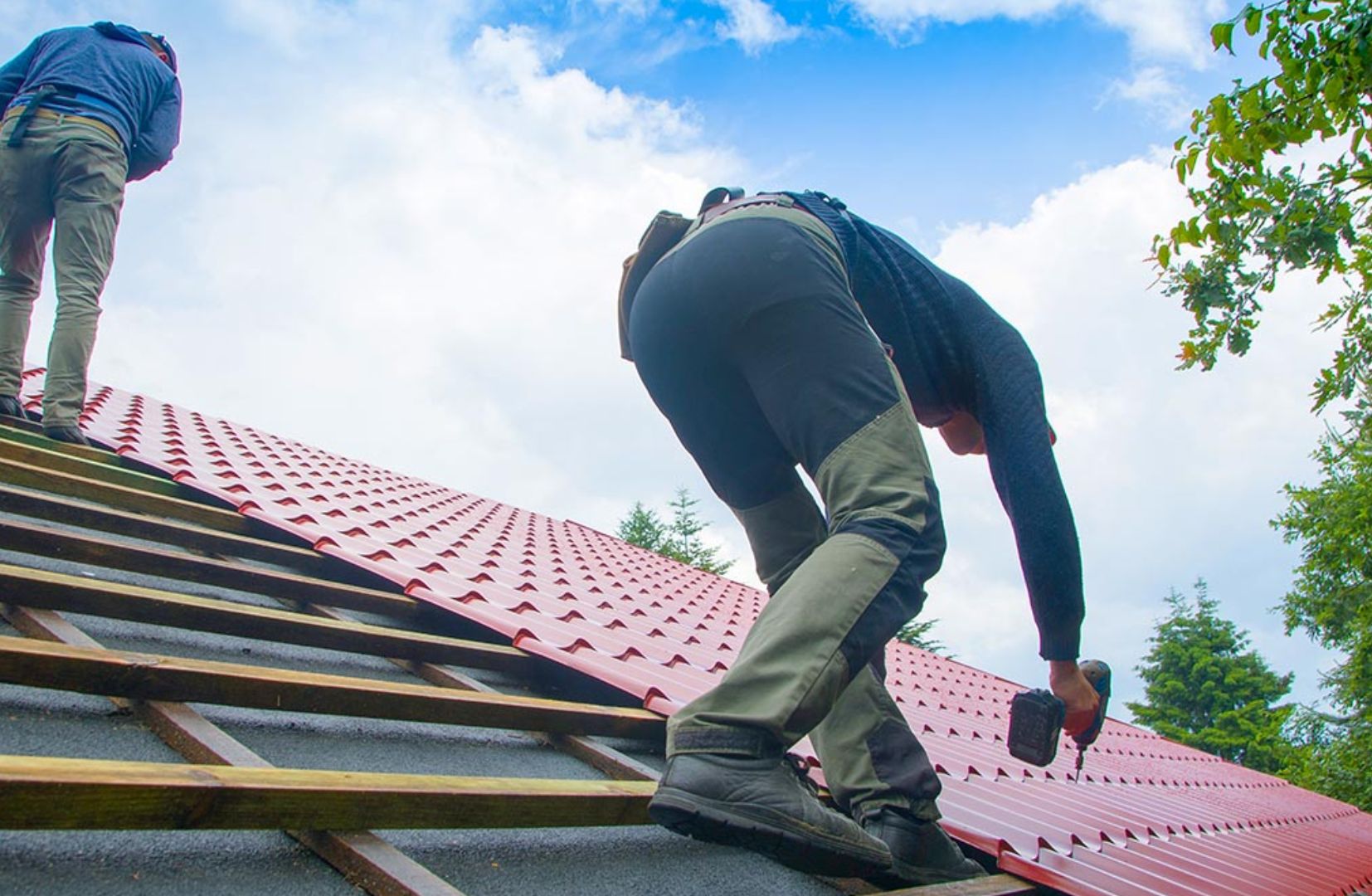
A roof is one of the most important structural components of any building because it protects the interior from rain, wind, sunlight, temperature changes, and other environmental conditions. A well-designed roof can contribute to energy efficiency, indoor comfort, structural protection, and the overall appearance of a property. However, achieving reliable performance requires more than choosing attractive roofing materials. Proper planning, accurate measurements, suitable materials, quality workmanship, ventilation, drainage, and regular maintenance all play important roles in creating a roof that can perform effectively over many years.
A roofing project can range from replacing an aging roof to installing a completely new system on a newly constructed property. Regardless of the project’s size, decisions made during the planning and installation stages can have long-term consequences. Poor material selection, inadequate preparation, incorrect fastening, insufficient flashing, or improper ventilation can lead to leaks, premature deterioration, and expensive repairs. Understanding the major stages of the process can help property owners make informed decisions and recognize the importance of professional workmanship.
Understanding the Importance of a Proper Roof
Professional Roof Installation provides the foundation for a roofing system that can protect the building and its contents from external conditions. A roof must do more than prevent rain from entering. It must also manage water drainage, withstand wind forces, accommodate temperature changes, and work properly with components such as flashing, underlayment, ventilation systems, gutters, and insulation.
A roof that is installed incorrectly may develop problems even when high-quality materials are used. Small gaps, exposed fasteners, improperly sealed penetrations, or damaged underlayment can allow moisture to reach areas that are not immediately visible. Over time, water infiltration can affect decking, insulation, ceilings, walls, and structural components.
Proper installation also helps roofing materials reach their expected service life. Manufacturers typically provide specific installation requirements for their products, including fastening patterns, underlayment procedures, ventilation requirements, and acceptable installation conditions. Following these guidelines is an important part of achieving reliable performance.
Assessing the Existing Roof Structure
Before a new roof is installed, the existing structure should be evaluated carefully. If the project involves replacing an old roof, the condition of the decking and supporting structure should be examined. Damaged or weakened areas may need to be repaired before new roofing materials are installed.
Water damage can sometimes remain hidden beneath existing roofing layers. Signs such as staining, soft decking, sagging areas, mold-like growth, or deteriorated materials may indicate that additional repairs are necessary.
The roof’s slope should also be considered because different roofing materials have different installation requirements. Drainage performance depends heavily on roof design, and areas where water tends to collect may require special attention.
A professional inspection can identify structural or moisture-related concerns before installation begins. Addressing these issues early can prevent the new roofing system from being installed over an unstable or damaged foundation.
Choosing the Right Roofing Material
Roofing materials come in many forms, and each has different characteristics, costs, maintenance requirements, and expected service life. Common options include asphalt shingles, metal roofing, tile, slate, and various synthetic materials. The best choice depends on the building’s design, roof structure, environmental conditions, budget, and aesthetic preferences.
Asphalt shingles are widely used because they are available in numerous styles and can provide a practical balance between cost and performance. Metal roofing can offer durability and a long service life when properly selected and installed. Tile can provide a distinctive appearance and strong weather resistance, although the structure must be capable of supporting its weight.
Slate can offer exceptional durability but may require specialized installation and structural consideration. Synthetic roofing materials can provide alternatives that mimic the appearance of traditional products while offering different weight and maintenance characteristics.
Homeowners should consider the complete life-cycle cost rather than focusing only on the initial purchase price. A material that costs more initially may have lower maintenance requirements or a longer expected service life.
Preparing the Roof for Installation
Preparation is a critical part of the roofing process. The roof surface should be cleaned and inspected before new materials are installed. Old roofing materials may need to be removed depending on their condition, local requirements, and the specifications of the new system.
The decking should be checked for signs of rot, moisture damage, or structural weakness. Damaged sections should be repaired or replaced before the new roofing system is installed.
Edges, valleys, roof penetrations, chimneys, skylights, vents, and other areas should also be inspected because they require specialized flashing and sealing. These locations are common points of water entry when installation is incomplete or improperly executed.
The preparation stage may seem less visible than the finished roof, but it has a major effect on long-term performance. Installing new materials over unresolved structural or moisture problems can simply conceal the issue rather than solve it.
Understanding Underlayment and Water Protection
The roofing surface is only one part of a complete roof system. Underlayment provides an additional layer of protection beneath the primary roofing material. It can help protect the decking from moisture that gets beneath the exterior surface.
Different roofing systems may use different types of underlayment. The appropriate product depends on the roofing material, roof design, climate, and manufacturer requirements.
Installation details matter significantly. Underlayment should be positioned correctly, secured according to specifications, and integrated properly with flashing and other water-management components.
Water protection is especially important around valleys and penetrations. These areas receive concentrated water flow or interrupt the continuous roofing surface. Properly installed flashing helps direct water away from vulnerable joints and into the drainage system.
Installing Flashing Correctly
Flashing is a crucial component of many roofing systems. It is used around areas where the roof meets walls, chimneys, vents, skylights, and other structures. Its purpose is to direct water away from joints and prevent moisture from entering the building envelope.
Improperly installed flashing can create leaks even when the rest of the roof is in good condition. Flashing needs to be appropriately sized, positioned, secured, and sealed according to the roofing system’s requirements.
Sealants can provide additional protection in certain applications, but they should not be treated as a substitute for properly designed flashing. A durable roofing system relies on correct water-shedding details rather than excessive dependence on caulk or sealant.
Regular inspection of flashing can also help identify potential problems before they become major leaks. Damaged, loose, or deteriorated flashing should be repaired or replaced when necessary.
Managing Roof Drainage
Water management is one of the fundamental purposes of a roof. Rainwater should move efficiently from the roof surface toward gutters, drains, or other appropriate drainage systems.
Roof valleys are particularly important because they collect water from multiple roof sections. Their design and installation should allow water to flow without accumulating beneath or around roofing materials.
Gutters and downspouts should also be properly sized and positioned. Even a well-installed roof can experience water-related problems if the drainage system is blocked, damaged, or unable to handle the amount of water reaching it.
Property owners should keep gutters clear of leaves and other debris. Clogged gutters can cause water to back up against roof edges and potentially enter areas where it can cause damage.
Considering Roof Ventilation
Ventilation is an often-overlooked part of roof design. Proper ventilation helps manage heat and moisture within attic spaces. Without adequate airflow, excessive heat or humidity can contribute to deterioration of roofing materials and building components.
A balanced ventilation system generally requires appropriate intake and exhaust pathways. The exact design depends on the roof structure, attic configuration, insulation, and applicable building requirements.
Ventilation should be planned as part of the overall roofing system rather than added as an afterthought. Blocking existing ventilation pathways with insulation or improperly placing vents can reduce their effectiveness.
Good ventilation can also support energy performance by helping manage attic temperatures and moisture levels. However, ventilation should work together with appropriate insulation and air sealing rather than being considered a replacement for them.
Insulation and Energy Efficiency
The roof assembly has an important relationship with indoor energy performance. Adequate insulation can reduce unwanted heat transfer between the building interior and the outdoor environment.
During a roofing project, property owners may have an opportunity to inspect attic insulation and identify areas where improvements are needed. The appropriate insulation strategy depends on the building design and existing construction.
Air leakage should also be considered. Gaps around ducts, pipes, electrical penetrations, and other openings can allow conditioned air to escape or outdoor air to enter. Addressing these areas can complement improvements to the roof system.
Roof color and material can also influence heat absorption, although the overall effect depends on many factors. Material selection should therefore consider the entire building rather than focusing on a single characteristic.
Avoiding Common Roofing Installation Mistakes
One common mistake is selecting roofing materials based solely on appearance or initial cost. A material needs to be appropriate for the roof design and environmental conditions. Choosing an unsuitable product can lead to premature deterioration or installation problems.
Another mistake is ignoring the condition of the decking. Installing a new roof over damaged structural material can create problems beneath an otherwise attractive surface.
Poor flashing is another frequent cause of leaks. Roof penetrations and transitions require careful detailing, and shortcuts in these areas can compromise the entire system.
Insufficient ventilation can also create long-term concerns. A roof should be designed as a complete system in which roofing materials, underlayment, flashing, ventilation, drainage, and insulation work together.
Improper fastening is another issue. Roofing materials need to be secured according to manufacturer requirements. Too few fasteners, incorrect placement, or unsuitable fasteners can affect wind resistance and overall durability.
Safety During Roofing Projects
Roofing work involves significant safety risks. Working at height, handling heavy materials, using ladders, and operating tools all require appropriate precautions.
Professional roofing crews should use suitable fall-protection equipment and follow established safety procedures. Property owners should avoid entering active work areas unless necessary, particularly when materials or tools are being moved overhead.
Weather conditions can also affect roofing safety. Strong winds, rain, extreme heat, and slippery surfaces can increase risks and may make certain tasks unsuitable.Safety should never be sacrificed to accelerate a project. Proper planning, equipment, and training are essential for protecting workers and other people near the property.
Maintaining the Roof After Installation
Once the roof is installed, regular inspection and maintenance can help preserve its condition. Property owners should periodically look for missing, cracked, damaged, or displaced roofing materials. Flashing, vents, gutters, and other components should also be checked.
After severe weather, an inspection may be particularly useful. Strong winds, hail, heavy rainfall, or falling branches can cause damage that is not immediately obvious from the ground.Keeping nearby trees properly managed can also help protect the roof. Overhanging branches may scrape roofing materials or drop debris onto the surface. Leaves and other organic material can retain moisture and contribute to deterioration if allowed to accumulate.
Gutters should be cleaned regularly so that rainwater can drain efficiently. Downspouts should direct water away from the building rather than allowing it to collect near the foundation.
Recognizing Signs of Roof Problems
Some roof problems are easier to identify from inside the building. Water stains on ceilings or walls can indicate a leak, although the visible stain may not be directly beneath the point where water entered.
Peeling paint, damp insulation, musty odors, or unexplained moisture in attic spaces can also indicate potential roofing issues. These signs should be investigated rather than simply covered with new paint.From outside, damaged roofing materials, loose flashing, sagging areas, or excessive debris may indicate problems requiring professional attention.
Early intervention can reduce the likelihood that a minor defect will develop into extensive water or structural damage. Property owners should therefore respond promptly when they notice changes in roof condition.
Understanding Roofing Costs
Roofing costs vary depending on the size and complexity of the roof, material selection, labor, structural repairs, accessibility, removal requirements, and additional components. A roof with multiple slopes, valleys, skylights, chimneys, or other features may require more labor than a simple roof design.
The cost of materials is only one part of the project. Underlayment, flashing, ventilation, gutters, disposal, repairs, and labor can all contribute to the final price.
Homeowners should request detailed estimates that clearly describe the scope of work. The estimate should identify the roofing material, underlayment, flashing, ventilation components, removal and disposal requirements, warranties, and any expected repairs.Comparing detailed proposals is more useful than selecting a contractor based solely on the lowest price. A complete scope of work can help reduce misunderstandings and make it easier to determine what is included in the project.
The Value of Professional Workmanship
A roofing system represents a substantial investment, and the quality of installation can influence how well it performs over time. Professional roofers have experience working with different materials and understand the importance of installation details.
Qualified professionals can identify structural concerns, recommend suitable materials, install flashing correctly, manage drainage details, and perform necessary safety checks. They can also help ensure that the installation follows manufacturer requirements and applicable building standards.
Professional workmanship can provide additional peace of mind because roofing problems are often difficult to identify until they have already caused interior damage. Correct installation reduces the opportunity for preventable defects to develop.
Final Thoughts
A successful roof installation project requires careful planning, suitable materials, proper preparation, accurate installation, and attention to every part of the roofing system. The visible roofing material has only one component. Underlayment, flashing, ventilation, insulation, drainage, and structural support all contribute to the roof’s overall performance.
Property owners should take time to evaluate the existing roof, understand available materials, establish a realistic budget, and choose qualified professionals for complex work. A detailed installation plan can help prevent common problems and ensure that the finished roof performs as intended.
Long-term maintenance is equally important. Regular inspections, clean gutters, prompt repairs, and attention to flashing and drainage can help extend the life of the roofing system. Severe weather should also prompt a careful inspection for the long-term condition of a property. A carefully planned and professionally completed roofing system can provide dependable protection from the elements while supporting energy efficiency and structural durability. By treating the roof as a complete system rather than simply a layer of exterior material, property owners can make more informed decisions and create a stronger foundation for years of damage.
Ultimately, roof installation is an investment in the protection, comfort, and long-term condition of a property. A carefully planned and professionally completed roofing system can provide dependable protection from the elements while supporting energy efficiency and structural durability. By treating the roof as a complete system rather than simply a layer of exterior material, property owners can make more informed decisions and create a stronger foundation for years of reliable performance.

