


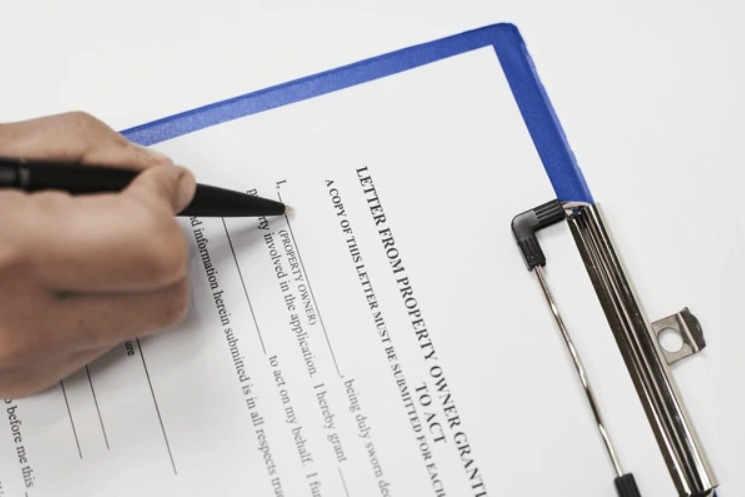
New York City has a diverse rental market, with residential properties ranging from high-rise apartments in Manhattan to brownstones in Brooklyn and Queens. With so many tenants and landlords sharing residential spaces, understanding lease terms and tenant responsibilities is important for maintaining a smooth rental relationship.
If your landlord sends you a Notice to Cure for a minor lease violation, you generally get an opportunity to correct the issue before the landlord can take further action. This notice does not mean you are being evicted immediately. However, ignoring it or failing to address the alleged violation within the specified period could put your tenancy at risk.
Understanding your rights is especially important when the alleged violation seems insignificant or resulted from a simple misunderstanding. Consulting a real estate lawyer in NYC can help you determine whether the notice is legally valid, understand your options, and respond appropriately. Before deciding how to proceed, it helps to understand what a Notice to Cure means and what happens after you receive one.
What Is a Notice to Cure?
A Notice to Cure is a written communication from a landlord informing a tenant that they have allegedly violated a term of their lease. It identifies the issue and provides a specific period within which the tenant must correct the problem.
Common examples of minor lease violations include:
- Keeping a pet in the apartment when the lease prohibits pets.
- Making excessive noise that disturbs other residents.
- Using an appliance that the lease does not permit.
- Allowing an unauthorized occupant to stay in the apartment.
- Using a shared space in a way that violates building rules.
Receiving this notice gives you an opportunity to resolve the issue without immediately facing an eviction proceeding.
How Much Time Do You Have to Fix the Violation?
The time available to correct a lease violation depends on your rental arrangement, applicable housing laws, and the terms of your lease.
For example, New York’s Good Cause Eviction Law requires covered tenants who violate their lease or accepted building rules to receive a written notice providing 10 days to cure the violation. Similarly, rent-regulated tenants generally receive a 10-day cure period under applicable state regulations.
However, these requirements do not automatically apply to every rental arrangement. Therefore, check the notice and your lease to understand the deadline that applies to your situation. Make sure you address the issue within the permitted period. If you need additional time to resolve it, communicate with your landlord in writing and request an extension.
What Happens If You Correct the Violation?
If you fix the issue within the required period, you can generally continue living in the apartment under your existing lease. For instance, if your landlord sends a Notice to Cure because you have an unauthorized pet, removing the pet within the specified period may resolve the violation.
Keep evidence showing that you addressed the problem. This may include photographs, emails, written confirmations, or receipts, depending on the circumstances. Having these records can help if your landlord later claims that you failed to comply with the notice.
What If You Ignore the Notice or Fail to Fix the Issue?
If you do not correct the violation within the required period, your landlord may take additional legal steps to end your tenancy.
In a typical holdover proceeding, the landlord must first serve a Notice of Termination after the cure period expires. This notice informs you that the tenancy is being terminated and specifies when you must leave the apartment. If you remain in the property after the termination deadline, the landlord may file an eviction case in Housing Court. You will then have an opportunity to respond to the allegations and present your side.
Importantly, receiving a Notice to Cure does not give your landlord the right to change the locks, remove your belongings, or force you out. A lawful eviction requires a court proceeding and proper legal authorization.
Frequently Asked Questions
- Can a landlord evict me for a minor lease violation in NYC?
A landlord cannot immediately evict you for a minor lease violation. Generally, they must provide a Notice to Cure and give you an opportunity to correct the issue. If you fail to do so, they may take further legal steps to terminate your tenancy. - Can I dispute a Notice to Cure if the violation is incorrect?
Yes. You can challenge a Notice to Cure if the alleged violation is inaccurate, unsupported by your lease, or legally insufficient. Review the notice, gather supporting evidence, and respond to your landlord in writing. - What happens if I fix the lease violation after receiving a Notice to Cure?
If you correct the violation within the required period, you can generally continue your tenancy without further action based on that violation. Keep written proof or other evidence showing that you addressed the issue before the deadline.

