


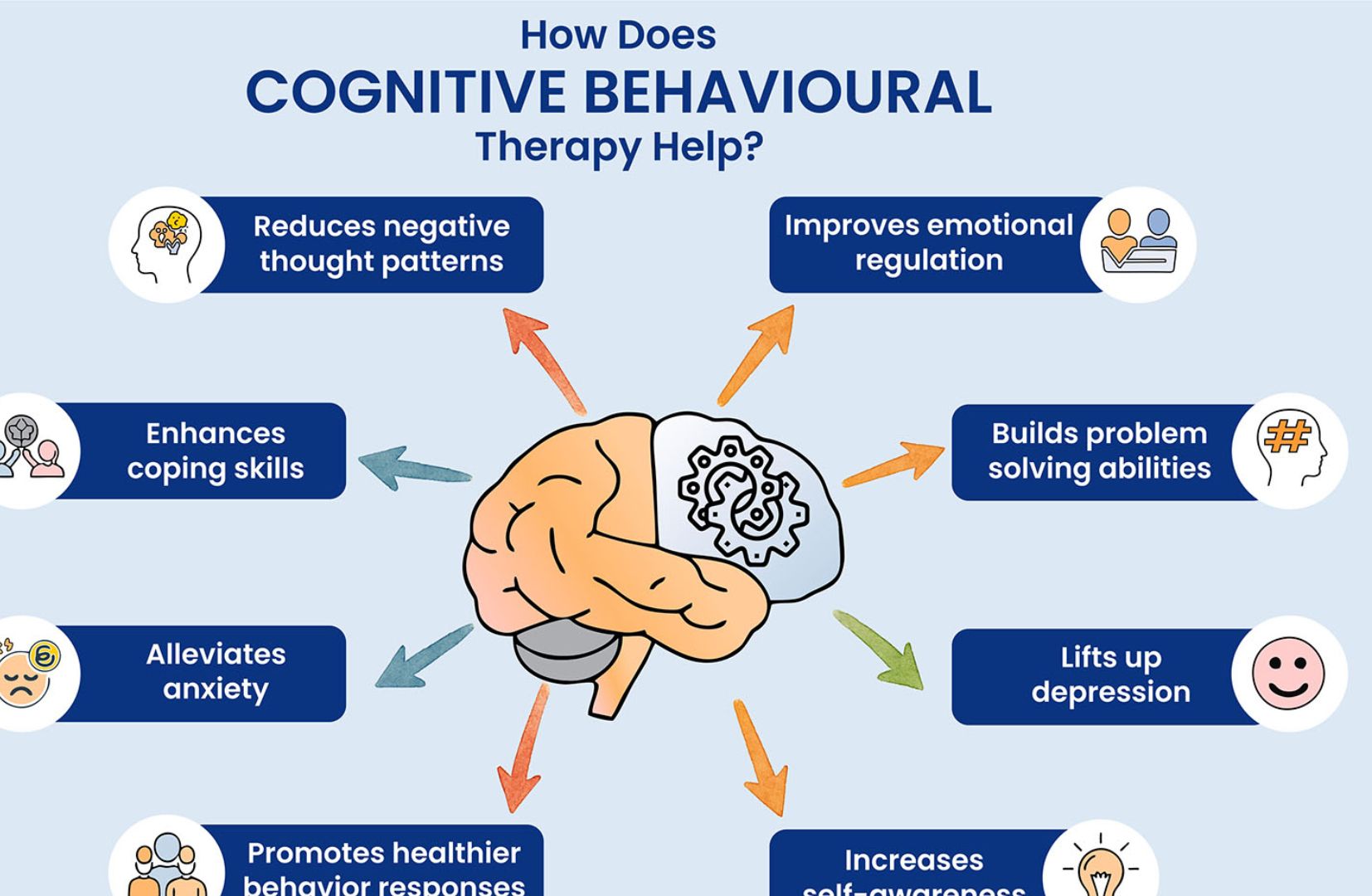
Behavioral therapy is a broad area of psychological treatment that focuses on the relationship between behaviors, thoughts, emotions, and the situations in which they occur. It is based on the idea that some patterns of behavior can be learned over time and that, with appropriate guidance and practice, people can learn healthier and more useful responses. Rather than focusing only on the past, many behavioral approaches place significant attention on current challenges and practical strategies that can help people manage difficulties in everyday life.
People seek psychological support for many different reasons, including persistent worry, low mood, phobias, stress, difficulty managing anger, unhealthy habits, sleep problems, relationship difficulties, and challenges associated with certain behavioral conditions. The appropriate form of treatment depends on the individual’s circumstances, symptoms, goals, medical history, and preferences. Behavioral Therapy can be one component of a broader treatment plan, and in some situations it may be combined with medication, other forms of psychotherapy, family support, or lifestyle changes.
Understanding how behavioral approaches work is important because the term can refer to several related therapeutic methods rather than one single technique. Some approaches focus on changing specific behaviors, while others combine behavioral strategies with methods that address patterns of thinking. Treatment is generally structured around identifying difficulties, understanding the factors that maintain them, practicing new skills, and evaluating progress over time.
What Is Behavioral Therapy?
Behavioral therapy is based on principles of learning and behavior change. Human behavior can be influenced by experiences, environmental conditions, reinforcement, avoidance, habits, and consequences. When a behavior repeatedly produces a particular result, it may become more likely to occur in similar situations. Likewise, behaviors that are not reinforced may become less frequent over time.
A therapist using a behavioral approach may help a person identify patterns that contribute to a problem. For example, someone who experiences intense anxiety in social situations may begin avoiding gatherings because avoidance provides immediate relief. Although that relief can feel helpful in the short term, repeated avoidance may prevent the person from discovering that they can manage the situation successfully. A behavioral treatment plan might gradually introduce manageable social situations while teaching skills for responding to anxiety.
The exact methods used depend on the person’s needs. Treatment may involve exposure exercises, behavioral activation, skills training, reinforcement strategies, relaxation techniques, activity scheduling, problem-solving, or other structured interventions. The focus is generally practical, with the goal of helping the individual develop more effective patterns of responding.
How Behavioral Patterns Develop
Behavior is influenced by many factors, including biology, learning, family experiences, social environments, stress, habits, and immediate consequences. A behavior that initially develops as a response to a particular situation can sometimes continue even after the original circumstances have changed.
For example, avoiding an uncomfortable task may reduce stress temporarily. Because the person experiences immediate relief, avoidance can become reinforced. Over time, the task may seem increasingly difficult because it has not been practiced. Behavioral treatment can help break this cycle by introducing gradual changes and reinforcing healthier responses.
The same principle can apply to positive behaviors. When a person receives a meaningful benefit from exercising, maintaining a consistent sleep schedule, completing a task, or practicing a coping skill, the behavior may become easier to repeat. Therapists can help individuals identify practical ways to increase helpful behaviors while reducing patterns that interfere with daily functioning.
Common Behavioral Approaches
Several therapeutic approaches fall within the broader behavioral tradition. Cognitive behavioral therapy combines behavioral methods with strategies for identifying and evaluating unhelpful patterns of thinking. Exposure-based approaches gradually and systematically introduce people to situations, objects, sensations, or thoughts they fear or avoid.
Behavioral activation is commonly used to address patterns associated with depression. It focuses on increasing engagement with meaningful, rewarding, or necessary activities rather than waiting for motivation to return before taking action. By gradually increasing activity, individuals may begin to experience more opportunities for accomplishment, connection, and positive reinforcement.
Applied behavior analysis uses principles of learning and reinforcement to understand and modify behavior. It has been used in various settings, including educational and developmental contexts. The specific goals and methods depend on the individual and should be developed with attention to their needs, dignity, communication, and quality of life.
Other behavioral techniques include systematic skills training, contingency management, habit modification, and relaxation-based strategies. A qualified professional selects methods based on the problem being addressed rather than applying every technique to every person.
What Happens During Treatment?
The first stage of treatment usually involves understanding the person’s concerns and identifying the behaviors, situations, thoughts, and emotional responses associated with those concerns. The therapist may ask about when the problem occurs, what tends to trigger it, what happens afterward, and what the individual currently does to manage it.
The therapist and client can then establish practical goals. Goals may involve reducing avoidance, increasing participation in meaningful activities, improving coping skills, changing a specific habit, or developing better ways to respond to stressful situations.
Sessions may involve discussion as well as structured exercises. Depending on the treatment approach, the therapist may assign activities to practice between sessions. These assignments are not intended to be tests but opportunities to apply therapeutic strategies in real-life situations.
Progress is generally reviewed throughout treatment. If a strategy is not producing the expected results, the therapist may adjust the approach, modify the goals, or explore additional factors contributing to the problem.
The Role of Exposure Techniques
Exposure is an important behavioral strategy for certain anxiety-related difficulties. The basic principle involves gradually approaching a feared or avoided situation rather than continually escaping from it. The process is typically structured according to the individual’s circumstances and should be conducted appropriately by a trained professional.
For someone with a specific phobia, exposure might involve progressing from less frightening situations to more challenging ones. The objective is not to overwhelm the person but to create manageable opportunities to learn that anxiety can be tolerated and that feared outcomes may not occur.
Exposure can also involve internal experiences, depending on the condition being treated. For example, certain treatments may involve learning to tolerate uncomfortable physical sensations or intrusive thoughts without responding through avoidance or compulsive behaviors.
The pace and structure of exposure should be individualized. A therapist should consider the person’s symptoms, readiness, safety, and treatment goals rather than assuming that the same exposure plan is appropriate for everyone.
Behavioral Activation and Daily Activities
Behavioral activation focuses on the relationship between activity and mood. When people experience depression or prolonged low mood, they may withdraw from activities that previously provided enjoyment, achievement, social connection, or a sense of purpose. Reduced activity can then contribute to further isolation and loss of positive experiences.
A behavioral activation approach can help individuals gradually reintroduce meaningful activities. The process may begin with small, manageable actions rather than major lifestyle changes. Examples can include establishing a regular morning routine, taking a short walk, contacting a supportive person, completing a practical task, or returning to an enjoyable hobby.
The objective is not to force positive feelings or pretend that difficult emotions do not exist. Instead, the person learns to take purposeful action even when motivation is low. Over time, increased engagement can create more opportunities for positive experiences and reinforce healthier routines.
Behavioral Therapy for Children and Adolescents
Behavioral techniques can also be adapted for children and adolescents. Because young people are influenced by family, school, peers, and developmental changes, treatment often involves caregivers or other supportive adults.
Positive reinforcement can encourage desirable behaviors, while consistent expectations and predictable consequences can help children understand boundaries. Therapists may work with parents to develop practical strategies for responding to challenging behaviors without reinforcing patterns that unintentionally maintain them.
For children with developmental or behavioral challenges, treatment goals should be individualized. Communication abilities, sensory needs, developmental stage, family circumstances, and the child’s preferences can all influence the therapeutic approach.
The goal should not simply be to make a child appear easier to manage. Effective intervention should consider the child’s well-being, independence, communication, safety, relationships, and ability to participate meaningfully in daily life.
Potential Benefits of Behavioral Approaches
One advantage of behavioral approaches is their practical focus. Instead of discussing difficulties only in abstract terms, therapy can involve concrete exercises that individuals can apply outside the treatment setting. Skills practiced during sessions can become tools for handling future challenges.
Behavioral methods can also provide measurable goals. For example, a person might track how frequently they engage in an avoided activity, how often they use a particular coping strategy, or how consistently they follow a planned routine. Tracking does not need to be complicated, but it can help both the client and therapist identify patterns.
Another potential benefit is the emphasis on skill development. Rather than relying entirely on the therapist, individuals can learn strategies that they can continue using after treatment ends. The long-term objective is often to help people become more capable of responding effectively to situations that previously caused significant difficulty.
Limitations and Considerations
Behavioral treatment is not a universal solution for every psychological concern. Different conditions and individuals may require different therapeutic approaches. Some people may benefit from combining behavioral methods with other forms of psychotherapy or medical treatment.
The effectiveness of treatment can also depend on factors such as the individual’s engagement, the therapist’s training, the accuracy of the assessment, the suitability of the treatment approach, and the complexity of the person’s circumstances. Progress may not be immediate, and some exercises can initially feel uncomfortable, particularly when treatment involves approaching situations that have previously been avoided.
It is also important to distinguish evidence-based behavioral treatment from generic advice that simply encourages someone to “change their behavior.” Professional therapy involves assessment, structured intervention, appropriate boundaries, and ongoing evaluation.
Choosing a Qualified Therapist
Choosing an appropriately qualified mental health professional is an important part of treatment. Individuals should consider the practitioner’s education, professional credentials, experience with the specific problem, and familiarity with evidence-based approaches.
During an initial consultation, it can be helpful to ask how the therapist typically approaches the concern, what treatment methods they use, how progress is evaluated, and what participation between sessions may involve. A good therapeutic relationship is also important. People should feel able to discuss concerns and ask questions without feeling dismissed.
Different therapists have different styles, so finding an appropriate match can take time. If a person does not understand the treatment plan or feels that their concerns are not being addressed, discussing those concerns directly with the therapist can be useful.
The Importance of Practice Between Sessions
Many behavioral interventions rely on practice outside the therapy session. A weekly appointment may provide guidance, but meaningful change often requires applying new skills in everyday life.
Homework may include recording situations and responses, practicing relaxation, gradually approaching avoided activities, scheduling meaningful tasks, using communication techniques, or tracking specific behaviors. The assignments should be realistic and appropriate to the person’s circumstances.
Consistency matters more than perfection. Missing an exercise does not mean treatment has failed. Instead, it provides an opportunity to identify obstacles and modify the plan. Therapists can help make assignments more achievable when a person repeatedly struggles to complete them.
Behavioral Therapy and Medication
For some mental health conditions, psychotherapy and medication may both play a role. Medication can address certain symptoms through biological mechanisms, while psychotherapy can provide strategies for changing behavior, managing emotions, and responding differently to challenging situations.
The decision to use medication should be made with an appropriately qualified medical professional. Behavioral therapy does not automatically replace medication, and medication does not automatically replace therapy. The appropriate combination depends on the individual’s condition, medical history, preferences, treatment response, and professional recommendations.People should also avoid stopping or changing prescribed medication without discussing the decision with the prescribing clinician.
Building Long-Term Behavioral Skills
One of the broader goals of behavioral therapy is to help people develop skills that remain useful beyond the treatment period. When individuals learn to recognize behavioral patterns, understand reinforcement, approach manageable challenges, and practice healthier responses, they may become better equipped to handle future difficulties.
Long-term progress does not necessarily mean that unpleasant emotions disappear. Stress, fear, sadness, frustration, and disappointment are normal parts of life. The objective is often to develop more flexible and effective ways of responding so that difficult emotions do not automatically dictate behavior.
Relapse or setbacks can also occur. A person may return to an old habit during a particularly stressful period. Rather than viewing this as complete failure, a therapist may help the individual identify what contributed to the setback and determine which strategies can be reintroduced.
When to Seek Professional Support
People may benefit from professional mental health support when emotional or behavioral difficulties begin interfering with work, education, relationships, sleep, daily responsibilities, or overall quality of life. Persistent anxiety, depression, avoidance, compulsive behaviors, anger problems, or significant changes in behavior may all warrant discussion with a qualified professional.
Urgent professional support is particularly important when someone is experiencing thoughts of self-harm, suicide, violence toward others, severe confusion, or another immediate safety concern. In such situations, contacting emergency services or an appropriate crisis resource should take priority over attempting to manage the situation through self-help strategies.
Seeking therapy does not mean that someone has failed to cope independently. Psychological treatment is a form of professional support that can provide structured tools for problems that may be difficult to manage alone.
Final Thoughts
Behavioral Therapy provides a structured approach to understanding and changing patterns that may contribute to psychological or behavioral difficulties. By examining the relationship between situations, behaviors, consequences, and emotional responses, treatment can help individuals develop more effective ways of responding to challenges.
The techniques used vary according to the person’s needs. Exposure, behavioral activation, reinforcement strategies, skills training, structured practice, and other interventions can be adapted to different concerns. Treatment is most useful when the approach is based on an appropriate assessment and delivered by a qualified professional.
It is also important to maintain realistic expectations. Change may take time, and progress can involve setbacks as well as improvements. The purpose of therapy is not to eliminate every uncomfortable emotion or create perfect behavior. Instead, it can help people develop greater flexibility, practical coping skills, and healthier patterns that support their daily lives.
For anyone considering behavioral therapy, a consultation with a qualified mental health professional can provide an opportunity to discuss symptoms, goals, treatment options, and expectations. The right approach depends on the individual’s circumstances, and behavioral techniques may be used independently or alongside other forms of psychological or medical care. With appropriate assessment, professional guidance, consistent practice, and realistic goals, behavioral approaches can become a useful part of a broader strategy for improving emotional well-being and everyday functioning.

