


Understanding Construction Cleanup
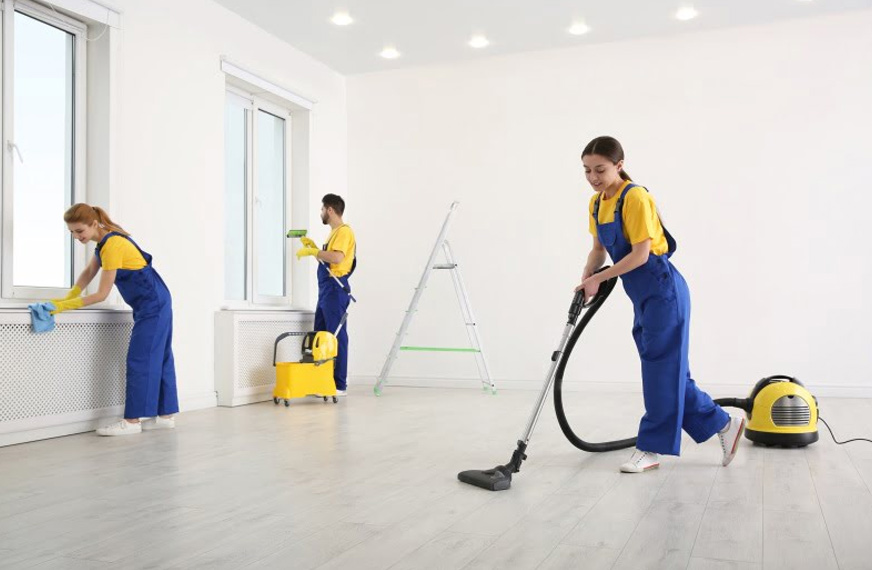
Construction and renovation projects can transform a property, but completing the physical work is only one part of preparing the space for use. Dust, fine particles, packaging, adhesive residue, paint marks, wood fragments, drywall debris, and other materials can remain throughout the building after contractors finish their work. These residues may settle on floors, walls, windows, fixtures, cabinets, and ventilation areas, making the property appear unfinished even when the construction itself is complete. Post construction cleaning focuses on removing these remaining materials and preparing the space for occupants, employees, customers, or other users. The process requires more attention than ordinary housekeeping because construction debris can be heavier, more widespread, and more difficult to remove. A systematic approach helps ensure that visible surfaces and less obvious areas receive appropriate attention before the property is occupied.
Assessing the Property Before Cleaning
A detailed inspection should take place before cleaning begins so that the work can be organized according to the property’s condition. Different rooms may contain different types of debris, and some areas may require specialized tools or cleaning methods. Floors can have dust and construction residue, windows may have stickers or adhesive marks, while cabinets and fixtures can collect fine particles that are difficult to see from a distance. Walls may also require careful cleaning if they have accumulated dust or marks during installation work. The condition of surfaces should be considered before selecting cleaning products because delicate materials can be damaged by inappropriate chemicals or abrasive tools. A proper assessment also helps identify areas where construction work remains incomplete or where cleaning should wait until final installation tasks are finished. Careful planning makes the overall cleaning process more efficient and reduces the likelihood of overlooking important areas.
Removing Large Construction Debris
The first practical stage often involves removing larger pieces of construction debris before detailed surface cleaning begins. Packaging materials, cardboard, wood scraps, plastic coverings, unused materials, and other waste should be collected and handled appropriately. Large debris can prevent access to floors, corners, cabinets, and other surfaces that need more detailed attention. Removing these materials also makes it easier to identify smaller particles and construction residue that may have accumulated underneath them. Heavy materials should be handled using suitable equipment and safe lifting practices rather than being moved carelessly. Waste should be separated and disposed of according to applicable requirements, especially when certain materials require specialized handling. Once larger debris has been cleared, cleaners can move toward detailed post construction cleaning and concentrate on dust, residue, marks, and fine particles throughout the property.
Controlling Fine Dust
Fine construction dust can be one of the most challenging aspects of cleaning after a building project. Dust particles can settle on horizontal surfaces, collect inside cabinets, accumulate around fixtures, and remain in corners even after ordinary sweeping. Dry dusting alone may sometimes move particles from one surface to another instead of completely removing them. Vacuum equipment designed for fine particles can help collect dust before surfaces are wiped. Cleaning should generally proceed in an organized direction so that areas already completed are not repeatedly contaminated by nearby work. High surfaces may need attention before lower surfaces because dust can fall during cleaning. Doors, frames, shelves, light fixtures, and other elevated areas should therefore be considered as part of the overall process. Careful dust removal improves the appearance of the property and helps create a more comfortable environment for future occupants.
Cleaning Floors Thoroughly
Floors often receive substantial amounts of construction dust and debris because workers, tools, materials, and equipment move across them throughout the project. Different flooring materials require different cleaning approaches, so the surface should be identified before products or equipment are used. Hard surfaces may require vacuuming followed by appropriate damp cleaning, while delicate materials may need gentler methods. Adhesive, paint, grout, or other construction residue should be addressed carefully without scratching or damaging the flooring. Corners, edges, spaces beneath cabinets, and areas around fixtures can require additional attention because debris often collects there. Cleaning should continue until visible dust and residue have been removed rather than stopping after a quick pass. Thorough post construction cleaning can help restore the appearance of finished floors and make the property more suitable for regular use.
Cleaning Windows and Glass
Windows can accumulate considerable dust, fingerprints, adhesive residue, labels, paint splashes, and other marks during construction. Glass surfaces should be inspected carefully before cleaning so that any stubborn residue can be identified. Appropriate glass-cleaning products and non-damaging tools should be selected according to the surface condition. Frames, tracks, sills, handles, and surrounding areas should also be cleaned because dust can collect outside the visible glass area. Adhesive or paint residue should not be scraped aggressively because inappropriate tools may scratch the surface. Windows should be checked from different angles and under suitable lighting to identify streaks or remaining marks. Clean glass can make a significant difference to the overall appearance of a newly completed property because it allows natural light to enter more clearly and gives rooms a more finished appearance.
Cleaning Walls and Ceilings
Walls and ceilings can collect fine dust even when they appear clean from a distance. Construction activity around electrical installations, painting, drywall work, shelving, and fixtures can leave particles or marks on finished surfaces. Cleaning methods should be chosen according to the type of paint, wall covering, or finish because excessive moisture or aggressive scrubbing can cause damage. Corners, trim, baseboards, vents, and areas around switches should receive particular attention. Ceilings and higher surfaces may require extension tools or suitable equipment to reach them safely. Dust should be removed carefully so that it does not simply fall onto surfaces that have already been cleaned. A systematic top-to-bottom approach can help improve efficiency. Detailed attention to walls and ceilings contributes to the polished appearance expected after a construction or renovation project.
Cleaning Cabinets and Storage Areas
Newly installed cabinets, closets, shelves, and storage areas can collect substantial amounts of construction dust during installation. Even when their exterior surfaces look clean, interiors may contain fine particles, wood fragments, packaging residue, or sawdust. Each cabinet or storage compartment should be opened and inspected before cleaning. Shelves, corners, hinges, handles, and lower sections should receive appropriate attention. Vacuuming can help remove loose particles before surfaces are wiped with a suitable cleaning solution. Care should be taken around unfinished or sensitive materials because excessive moisture may cause swelling, staining, or other damage. Cabinet interiors should be allowed to dry properly before items are stored inside. Thoroughly cleaning storage spaces helps prevent dust from transferring onto belongings after occupants move into the property.
Cleaning Fixtures and Installed Features
Fixtures such as sinks, faucets, toilets, lighting components, handles, switches, and built-in equipment can collect construction dust and residue. These items should be cleaned using methods appropriate for their specific materials and finishes. Metal surfaces may require products that avoid corrosion or scratching, while delicate finishes may need softer cloths and less aggressive solutions. Electrical components should be treated carefully, with appropriate precautions taken to avoid moisture entering sensitive areas. New fixtures can be particularly vulnerable to scratches and surface damage, so cleaning tools should be selected accordingly. Attention should also be given to the areas surrounding fixtures because dust often accumulates along edges and connection points. Detailed cleaning of installed features helps create a finished appearance and removes the construction residue that can make a newly completed space look unfinished.
Addressing Paint and Adhesive Residue
Construction and renovation work can leave paint splashes, adhesive, grout residue, caulk marks, labels, and other materials on surfaces. These substances should be identified before cleaning so that the appropriate removal technique can be selected. Aggressive scraping or strong chemicals can permanently damage floors, glass, fixtures, or painted surfaces. Manufacturers’ instructions should be considered whenever a specialized cleaning product is required. Small amounts of residue may need careful manual removal rather than broad chemical application. Cleaners should also test suitable products in an inconspicuous area when there is uncertainty about surface compatibility. Removing construction residue carefully can significantly improve the appearance of the finished property. It is an important part of post construction cleaning because ordinary dust removal alone may not address all visible traces of the building work.
Paying Attention to Hard-to-Reach Areas
Some of the most overlooked areas after construction are locations that are hidden or difficult to access. Spaces behind appliances, beneath cabinets, inside corners, around vents, along baseboards, and near door frames can retain dust and debris. These areas should be included in the cleaning plan rather than being ignored because they are less visible. Specialized vacuum attachments, extension tools, and suitable microfiber materials can make some difficult areas easier to reach. Cleaning teams should work carefully around plumbing, electrical installations, and delicate fixtures to avoid causing damage. Furniture or equipment should only be moved when it can be done safely and appropriately. A thorough inspection after cleaning can help identify areas that require another pass. Attention to overlooked spaces helps ensure that the property is genuinely ready for occupancy rather than simply appearing clean at first glance.
Cleaning Ventilation and Air-Related Areas
Construction dust can travel through a building and settle around vents, grilles, fans, and other air-related components. These areas should be inspected carefully because accumulated dust may become noticeable after the property is occupied. Surface cleaning around vents can remove visible residue, while specialized duct or system cleaning should be considered separately when required. Cleaners should avoid disturbing internal mechanical components unless they are trained and authorized to do so. Vent covers and grilles can often be cleaned according to their material and installation requirements. Removing accessible dust from these areas contributes to a cleaner overall environment. If construction activities have generated significant dust, building managers may also want to review relevant maintenance recommendations for heating, cooling, or ventilation equipment before regular occupancy begins.
Using Cleaning Products Responsibly
Cleaning products should always be selected according to the surfaces being treated and the type of residue being removed. Stronger chemicals are not automatically better, particularly when a surface is new or has a delicate finish. Product labels should be followed carefully, including instructions regarding dilution, ventilation, protective equipment, storage, and surface compatibility. Cleaning products should never be mixed unless the manufacturer specifically indicates that doing so is safe. Appropriate protective equipment may be necessary when handling certain products or when working in dusty environments. Good ventilation can also support safer cleaning conditions. Responsible product selection helps prevent accidental damage while allowing cleaners to achieve better results. A professional post construction cleaning process should balance effectiveness with careful handling of newly installed materials and finished surfaces.
Final Inspection and Quality Checks
A final inspection is important because even a detailed cleaning process can leave small areas that require additional attention. Once the main work has been completed, rooms should be examined under good lighting to identify remaining dust, streaks, marks, debris, or residue. Floors should be checked from different angles, windows should be inspected for streaks, and cabinets should be opened to confirm that their interiors are clean. Fixtures, doors, handles, baseboards, and corners should also be reviewed. Any remaining issues should be corrected before the property is handed over or occupied. A checklist can help ensure that each room receives comparable attention and that no major area is forgotten. Final quality checks are an important part of post construction cleaning because they turn a general cleanup into a more complete preparation process.
Preparing the Property for Occupancy
Once construction debris and residue have been removed, the property can be prepared for its next stage of use. Clean floors, windows, cabinets, fixtures, walls, and storage areas create a more welcoming environment and allow occupants to begin using the space without immediately dealing with construction dust. Furniture and belongings can be introduced more easily when surfaces are clean and accessible. Property managers, homeowners, contractors, or business operators may also find it easier to identify remaining construction defects after debris and dust have been cleared away. Cleaning should ideally take place after major construction tasks are complete but before final occupancy whenever possible. Coordinating timing carefully can reduce the chance of newly cleaned areas becoming contaminated by additional construction work. Proper scheduling therefore contributes to both efficiency and final results.
Why Professional Cleaning Can Be Valuable
Construction cleanup can be physically demanding and may require specialized equipment, careful surface assessment, and substantial attention to detail. Professional cleaners may have experience handling fine dust, construction residue, large spaces, high surfaces, and different types of finished materials. They can also organize the work into stages that prioritize debris removal, dust control, surface cleaning, detailed finishing, and final inspection. This can be particularly useful for larger properties or projects with extensive renovation work. Professional services may also help reduce the workload placed on homeowners, contractors, or property managers who need to focus on other responsibilities. When selecting a cleaning provider, it is useful to understand the scope of services, equipment used, surface-handling methods, and expected completion standards. The right preparation can help ensure that cleaning supports the property’s final presentation.
Maintaining Clean Conditions After Construction
Keeping a newly cleaned property in good condition requires attention even after the main construction cleanup is finished. Dust can continue to appear when remaining materials are moved, furniture is installed, or final adjustments are completed. A short maintenance period may therefore be useful before the property transitions into ordinary housekeeping. Surfaces should be checked after installers or contractors return to complete minor tasks, while new debris should be removed promptly. Floors and high-touch surfaces may require additional cleaning before full occupancy. Once construction activity has completely ended, normal cleaning routines can be established to maintain the property’s condition. The transition from post construction cleaning to regular housekeeping should be planned so that newly cleaned areas are not unnecessarily exposed to additional dust or debris.
Final Thoughts
Preparing a property after construction requires more than simply sweeping floors and removing visible debris. Fine dust, adhesive residue, paint marks, packaging materials, fingerprints, and hidden particles can remain on many surfaces and make a newly completed space appear unfinished. A thorough approach should include an initial inspection, large-debris removal, detailed dust control, floor care, window cleaning, cabinet cleaning, fixture maintenance, residue removal, and a final quality inspection. Different surfaces should always be treated according to their material and condition to avoid unnecessary damage. Professional assistance can be valuable when a project involves extensive debris, difficult-to-reach areas, delicate finishes, or a large number of rooms. Effective post construction cleaning helps create a cleaner and more welcoming environment while giving occupants a property that is properly prepared for everyday use. With careful planning and attention to detail, the transition from completed construction to a finished, comfortable space can be smoother and more efficient.

