


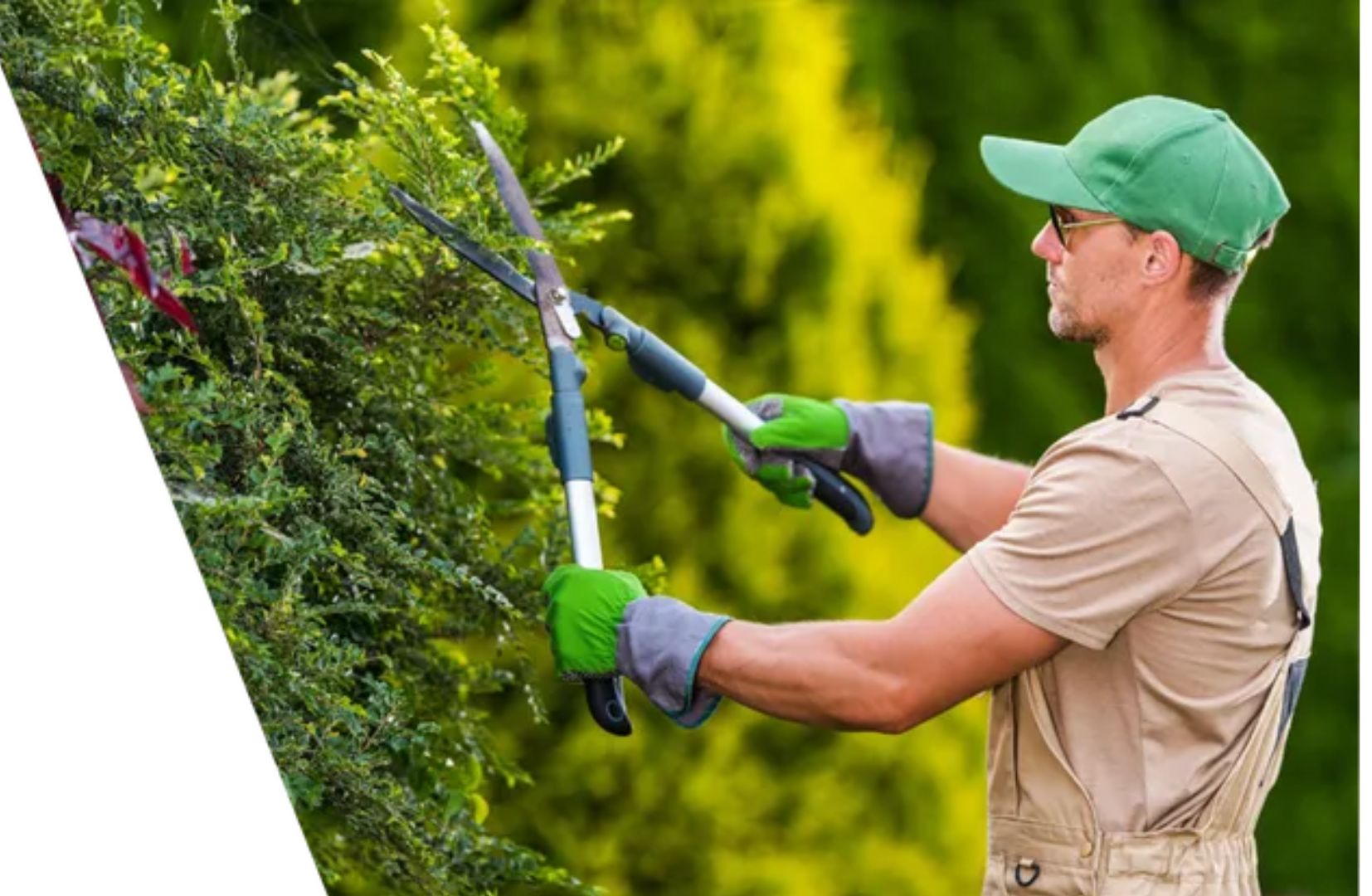
Trees are among the most valuable features of any landscape, offering shade, privacy, beauty, cleaner surroundings, and habitat for wildlife. Although trees can grow naturally without human intervention, those growing around homes, businesses, roads, gardens, and other developed areas often require careful maintenance. Branches can become damaged, overcrowded, weak, diseased, or poorly positioned as a tree matures. Without appropriate attention, these conditions can affect the tree’s structure and create unnecessary risks for people and property. Tree pruning is an important part of responsible tree care because it can help manage growth, remove problematic branches, improve structure, and maintain a healthy appearance.
Pruning is more than simply cutting away branches that look unwanted. Every cut can affect the tree’s future growth, so the work needs to be performed with an understanding of branch structure, tree biology, seasonal growth patterns, and the specific reason for making each cut. Poor pruning techniques can create weak growth, unnecessary wounds, decay, and long-term structural problems. In contrast, thoughtful pruning can support the natural development of a tree while addressing practical concerns around buildings, pathways, gardens, and outdoor spaces.
Understanding the Purpose of Pruning
The primary purpose of pruning should be clearly established before any branches are removed. Trees may need pruning for safety, health, structure, clearance, or appearance, and each objective requires a somewhat different approach.
Safety pruning focuses on removing dead, broken, hanging, or structurally compromised branches that could fall unexpectedly. Clearance pruning can keep branches away from roofs, buildings, walkways, signs, or other structures. Structural pruning can guide the development of young trees and reduce problems caused by competing or poorly attached branches.
Aesthetic pruning may improve the overall shape of a tree, but appearance should not take priority over the tree’s health. Removing too much foliage simply to create a particular shape can weaken the tree and interfere with its natural growth.
Understanding the objective makes it easier to determine which branches actually need to be removed and which should remain part of the tree’s structure.
Removing Dead and Damaged Branches
Dead branches are among the most common reasons for pruning. As branches die, they can become dry and brittle, increasing the possibility of falling during wind, storms, or other disturbances. Large dead limbs can pose a significant hazard when they are located above areas where people or vehicles regularly pass.
Broken branches may present similar concerns. A branch damaged by strong winds, heavy snow, disease, or accidental impact may remain attached but become structurally unstable.
Removing these branches can reduce hazards while also improving the appearance of the tree. However, determining whether a branch is truly dead or simply dormant can sometimes require knowledge of the tree species and its seasonal growth cycle.
Large or elevated branches should not be removed casually. Cutting them from the ground without proper equipment can create risks for both the person performing the work and nearby property.
Improving Tree Structure
A tree’s structure influences its long-term stability. Branches with weak attachments, competing leaders, excessive weight, or uneven distribution can create problems as the tree becomes larger.
Structural pruning is particularly valuable when trees are young because small corrections can have a significant effect on future development. A young tree may have multiple competing stems or branches growing at undesirable angles. Selectively removing or shortening some growth can encourage a stronger framework.
Mature trees require greater restraint. Their existing structure has already developed over many years, so major changes should be approached carefully.
The objective is generally to maintain strong branch attachments and balanced growth rather than forcing the tree into an unnatural shape.
Encouraging Healthy Growth
Proper pruning can help manage overcrowded growth and improve the distribution of branches throughout the canopy. When too many branches compete for the same space, removing selected growth can improve the overall structure.
However, pruning does not automatically make a tree healthier. Excessive cutting can remove too much foliage, reducing the tree’s ability to produce energy through photosynthesis. Large wounds can also create opportunities for decay or other problems.
For this reason, healthy trees should generally be pruned selectively. Each cut should have a clear purpose, and unnecessary removal should be avoided.
Trees have natural systems for responding to wounds and producing new growth. Appropriate pruning works with those processes instead of creating excessive injury.
Managing Branches Near Buildings
Trees growing close to buildings often require pruning to maintain appropriate clearance. Branches may extend toward roofs, gutters, windows, siding, chimneys, or other exterior features.
Branches rubbing against structures can cause physical damage over time. Leaves, twigs, and other organic material can also accumulate in gutters or on roofs.
Careful clearance pruning can reduce these problems without unnecessarily removing large portions of the canopy. The goal should be to create sufficient separation while preserving as much healthy structure as practical.
It is also important to consider future growth. Cutting a branch back only to the current clearance point may not provide a long-term solution if the remaining branch is likely to grow rapidly toward the structure again.
Pruning Around Walkways and Driveways
Branches that extend over sidewalks, driveways, parking areas, or frequently used outdoor spaces can interfere with movement and visibility. Low branches may obstruct pedestrians, vehicles, signs, or lighting.
Clearance pruning can help create safer and more convenient passage. It may also reduce the chance of branches being struck by vehicles or people.
The required clearance depends on the location and purpose of the area. A professional assessment can help determine which branches should be removed while avoiding excessive pruning.
Trees near roads or public pathways may also be subject to specific requirements, so property owners should understand any applicable rules before beginning substantial work.
Understanding Different Pruning Techniques
Several pruning techniques can be used depending on the tree and the objective. Crown cleaning generally involves removing dead, damaged, diseased, or poorly attached branches. Crown thinning involves selectively reducing some branches to improve spacing and light distribution.
Crown raising removes lower branches to provide clearance above structures, walkways, roads, or other areas. Crown reduction involves reducing the overall size of a tree while maintaining an appropriate natural form, although it should be performed carefully because improper reduction can cause long-term problems.
Another approach, topping, involves cutting major branches back severely to reduce tree height or size. This practice is generally considered harmful because it can produce weakly attached regrowth, large wounds, and significant structural stress.
Understanding the difference between appropriate pruning and damaging cutting practices is essential for long-term tree health.
Avoiding Excessive Pruning
One of the most common mistakes in tree maintenance is removing too much growth at once. Trees rely on their leaves to produce energy, so severe canopy reduction can place significant stress on the tree.
Excessive pruning may also encourage rapid, weakly attached shoots that grow from cut areas. These shoots can create a crowded canopy and may eventually become structural problems.
A tree should not be pruned simply because a large amount of cutting seems productive. Good pruning is selective and purposeful.
When substantial structural work is required, it may be better to spread the work over multiple seasons rather than removing a large percentage of the canopy at once, depending on the tree’s condition and the objectives of the project.
Choosing the Right Time to Prune
The best time for pruning depends on the tree species, climate, purpose of the work, and condition of the tree. Some pruning tasks can be performed when necessary for safety, regardless of season, while other work may be better timed around the tree’s natural growth cycle.
Removing hazardous or broken branches should generally not be delayed simply because the timing is not ideal. Safety concerns take priority.
For routine structural or aesthetic pruning, understanding the tree’s seasonal behavior can help reduce stress and encourage appropriate recovery.
Certain trees may also have specific sensitivities related to sap flow, flowering, disease transmission, or seasonal growth. Professional advice can be helpful when the ideal timing is uncertain.
Understanding Proper Cutting Locations
Where a cut is made can be just as important as which branch is removed. Pruning cuts should generally be made in a way that respects the natural branch structure and avoids unnecessary injury to the trunk or remaining branch.
Cutting too close to the trunk can damage important tissues, while leaving an excessive stub can interfere with the tree’s natural wound response.
Large branches should also be removed using appropriate techniques to prevent the branch from tearing bark or falling uncontrollably.
Understanding these details is one reason professional pruning can be preferable to improvised cutting, especially when working with mature or large trees.
Caring for Young Trees
Young trees can benefit greatly from properly planned structural pruning. Early attention can help establish a strong central structure and reduce the likelihood of major problems later.
The goal is not to remove large amounts of growth but to guide development gradually. Competing stems, crossing branches, damaged limbs, and poorly positioned growth may be addressed when appropriate.
Young trees should also be given enough time to establish healthy roots before extensive pruning is considered. Their overall health depends on appropriate planting, watering, soil conditions, and protection from mechanical damage.
Regular observation during the early years can make it easier to identify structural problems while they are still relatively small.
Caring for Mature Trees
Mature trees often require a different approach. Their structure is established, and large branches can be extremely heavy. Removing a mature limb can also create a significant wound.
Pruning should therefore focus on maintaining existing health and addressing specific problems rather than reshaping the entire tree.
Deadwood removal, clearance pruning, and selective structural corrections may be appropriate depending on the tree’s condition. Mature trees can also benefit from periodic inspections that identify developing weaknesses before they become severe.
Because mature tree work can involve significant height and weight, professional equipment and controlled lowering techniques may be necessary.
Recognizing Diseased or Infested Branches
Disease and insect activity can affect branches, leaves, bark, and overall tree health. Symptoms may include unusual leaf discoloration, premature leaf loss, fungal growth, holes, bark changes, or dieback.
Pruning may be part of a broader management strategy when diseased or infested material needs to be removed. However, cutting branches without identifying the underlying problem may not resolve the issue.
Some diseases can spread through pruning equipment if tools are not handled properly. This makes sanitation and appropriate pruning procedures particularly important when dealing with suspected infections.
If the cause of a tree’s decline is unclear, an experienced arborist or qualified plant-health professional can help determine the appropriate response.
Protecting Trees During Construction
Construction activities can cause significant damage to trees, especially through soil compaction, root cutting, trenching, and changes to drainage.
Pruning should not be used as a substitute for protecting roots and soil during construction. Removing branches to compensate for root damage does not necessarily restore the tree’s health.
Before construction begins, important trees should be identified and protected where possible. Keeping heavy equipment and materials away from root zones can reduce stress.
If roots must be disturbed, professional advice can help determine how the tree may be affected and what protective measures are appropriate.
Tools Used for Pruning
Different pruning tasks require different tools. Hand pruners can be useful for small branches, while loppers provide additional leverage for somewhat larger growth. Pruning saws are designed for branches that are too large for hand tools.
Pole-mounted tools may allow professionals to reach higher branches from the ground, while climbing equipment and aerial lifts may be required for larger trees.
Tools should be sharp and maintained properly. Dull equipment can produce rough cuts and make the work more difficult.
Safety equipment is equally important. Gloves, eye protection, helmets, appropriate footwear, and other protective gear can reduce the risk of injury.
Why Professional Pruning Can Be Valuable
Pruning may look straightforward, but working with large trees involves considerable knowledge and safety considerations. A professional can assess the tree’s structure before determining which branches should be removed.
Experienced tree-care professionals also understand how different cutting techniques can affect future growth. They can identify weak branch attachments, decay, hidden damage, and other issues that may not be obvious to an untrained observer.
For large trees, professional equipment can also make the process safer and more controlled. Branches can be lowered carefully rather than allowed to fall unpredictably.
Professional work can therefore protect both the tree and the surrounding property when pruning is complex.
Maintaining Trees After Pruning
Pruning is only one part of tree care. Trees also need appropriate soil conditions, water, nutrients, protection from damage, and regular observation.
After pruning, property owners should monitor the tree for unusual changes. New growth, leaf development, and general appearance can provide information about how the tree is responding.
Avoiding unnecessary additional cutting is also important. Trees need time to recover and continue their natural growth cycle.
Maintaining a clear area around the base of the tree can also help reduce mechanical damage from lawn equipment. Mulch may help conserve moisture, although it should not be piled directly against the trunk.
Creating a Long-Term Pruning Plan
A long-term maintenance plan can help property owners avoid reactive pruning. Instead of waiting until branches become hazardous or severely overgrown, trees can be inspected periodically and maintained according to their developmental needs.
Young trees may require occasional structural corrections, while mature trees may benefit from periodic safety assessments and selective maintenance.
Keeping records of major pruning work can also be useful. Notes about when work was completed, which branches were removed, and what future concerns were identified can help guide later maintenance.A planned approach can reduce the likelihood of emergency situations and support healthier tree development.
Conclusion
Tree pruning is an essential component of responsible landscape maintenance, but it should never be approached as simply cutting away unwanted branches. Each tree has its own structure, growth pattern, environmental conditions, and maintenance needs. Careful pruning can remove hazards, improve clearance, support healthy development, and maintain an attractive natural form.
The most effective approach focuses on removing only what is necessary and making cuts that support the tree’s long-term structure. Young trees can benefit from early structural guidance, while mature trees generally require more conservative maintenance. Dead, broken, diseased, or hazardous branches should be addressed when necessary, while excessive cutting and damaging practices should be avoided.
For large, mature, damaged, or difficult-to-access trees, professional assistance can provide valuable expertise and improve safety. With regular inspections, appropriate pruning techniques, proper equipment, and a long-term maintenance strategy, tree pruning can help trees remain healthier, safer, and more attractive while protecting the property and people around them.

