


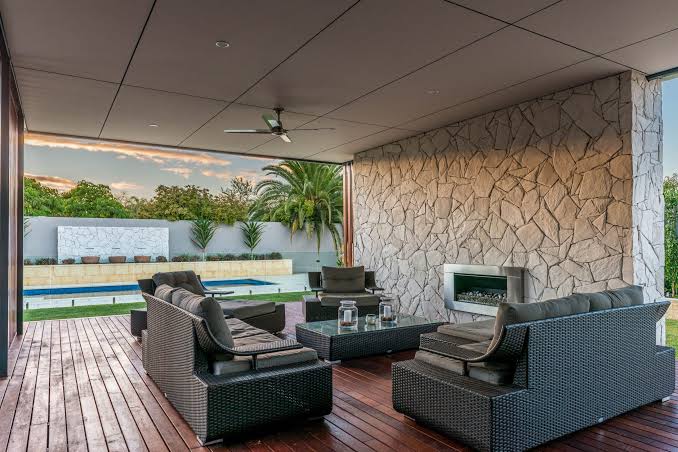
Stone has been used in architecture for centuries because of its natural beauty, strength, and ability to create a distinctive sense of character. Modern construction, however, does not always make it practical to use full natural stone throughout a building. This is where stone veneer offers an appealing alternative. Designed to provide the visual character of natural stone while requiring less material than traditional masonry, veneer can be used to enhance exterior walls, fireplaces, entryways, accent walls, columns, and many other architectural features. Its combination of appearance, versatility, and relatively straightforward installation has made it a popular option for homeowners, designers, builders, and renovation professionals.
Choosing a suitable wall finish is an important decision because it can influence the appearance of a property for many years. The right material needs to complement the architectural style while also meeting practical requirements related to durability, maintenance, installation, and budget. Stone veneer is available in a broad selection of textures, colors, shapes, and patterns, making it possible to create anything from a traditional rustic appearance to a clean and contemporary design. Understanding its characteristics can help property owners determine whether it is appropriate for a particular project and how it can be incorporated successfully.
Understanding the Basics of Stone Veneer
Stone veneer is a thin layer of stone or stone-like material designed to create the appearance of a traditional stone wall without requiring the thickness and weight associated with full-depth masonry. Depending on the product, it may be manufactured from natural stone or created using cement-based materials and aggregates designed to replicate the appearance of natural rock. Both options can provide attractive results when properly selected and installed.
Natural products are cut or shaped from actual stone, giving every piece a distinctive appearance. Variations in color, texture, and pattern are part of their natural character. Manufactured alternatives are engineered to reproduce specific stone styles and can offer greater consistency in size, color, and shape. The choice between natural and manufactured materials depends on the desired appearance, project requirements, installation conditions, and personal preferences.
One of the major attractions of veneer is its ability to create a substantial visual impact without covering a wall with full-sized masonry units. Because the material is comparatively thin, it can be incorporated into remodeling projects where adding significant weight or depth may not be practical. Nevertheless, the existing wall structure must be evaluated before installation to ensure that it can properly support the selected system.
Why This Material Is Popular
One of the primary reasons homeowners choose veneer is its aesthetic flexibility. Stone has a naturally textured appearance that can make a building feel more substantial and visually interesting. A carefully selected finish can highlight architectural features that might otherwise appear plain, such as a front entrance, chimney, porch column, or fireplace available in numerous colors, profiles, textures, and installation patterns. Some imitate irregular natural fieldstone, while others have a more uniform appearance resembling cut stone or brick. This makes it possible to coordinate walls.
Another advantage is the variety of design choices. Products are available in numerous colors, profiles, textures, and installation patterns. Some imitate irregular natural fieldstone, while others have a more uniform appearance resembling cut stone or brick. This makes it possible to coordinate the material with existing architectural elements, roofing, windows, doors, landscaping, and other exterior finishes.
Veneer can also be used selectively rather than covering an entire structure. For example, a property owner may use it around an entrance or on a single accent wall while leaving other surfaces finished with siding, stucco, paint, or another material. This approach can create visual contrast while controlling material and installation costs.
Interior Applications
Although stone is often associated with exterior construction, veneer can be equally effective indoors. Fireplaces are one of the most common applications because textured masonry can create a strong focal point in a living room or family space. A stone-inspired fireplace surround can provide a warm, natural appearance that works with both traditional and contemporary interiors.
Accent walls are another popular application. Rather than using paint or wallpaper across an entire room, a textured wall can become the central visual feature. Veneer can also be incorporated around entertainment centers, kitchen islands, staircases, entryways, and other architectural elements. When used indoors, the material should be selected according to the specific environmental conditions and manufacturer’s installation recommendations.
The key to successful interior use is balance. Because masonry textures can be visually prominent, covering every wall may create an overwhelming appearance. A carefully selected accent area can often provide greater design impact than excessive use. Lighting also plays an important role because directional light can emphasize the natural-looking shadows and textures across the surface.
Exterior Design Possibilities
Exterior walls provide numerous opportunities for incorporating stone-inspired finishes. A facade can be partially covered to emphasize architectural sections, or the material can be used around windows, doors, garages, and other structural features. Columns and low walls can also benefit from textured finishes because the material can give these elements greater visual definition.
A combination of materials can create an especially attractive exterior. For example, veneer can be paired with painted siding, wood elements, metal accents, or smooth stucco. The contrast between rough stone texture and smoother surfaces can add depth to the overall design. The color of the stone should also work harmoniously with the roof, trim, doors, and other permanent features.
Pattern selection is equally important. Random arrangements can produce a relaxed and organic appearance, while more consistent patterns can create a formal and structured look. Mortar color can influence the final result as well. A contrasting mortar may emphasize individual pieces, whereas a similar tone can create a more seamless visual effect.
Selecting the Right Style
Choosing the right style begins with considering the overall character of the property. A traditional building may benefit from irregular stone shapes, earthy tones, and pronounced textures. A contemporary structure may look better with clean lines, uniform pieces, and subtle color variations. The goal is not simply to choose an attractive product but to select one that works with the surrounding architecture.
Color should be considered carefully because photographs and showroom samples may not represent exactly how the product will appear under natural or artificial lighting. Whenever possible, reviewing physical samples can provide a more accurate understanding of texture and color. It is also helpful to view samples alongside existing exterior finishes rather than evaluating them in isolation.
Scale matters as well. Large stones may overwhelm a small architectural feature, while very small pieces may appear visually busy on a large wall. The dimensions of the surface should therefore influence the size and pattern of the selected material. A professional designer or experienced installer can help determine which proportions will produce a balanced result.
Installation Considerations
Proper installation is essential to achieving a durable and attractive finish. The installation process varies depending on the specific product, substrate, location, and manufacturer’s requirements. Exterior applications may require appropriate weather-resistant layers, support systems, flashing, drainage considerations, and other components designed to manage moisture.
The wall surface should be properly prepared before the material is installed. Dirt, loose material, moisture problems, and structural issues should be addressed rather than concealed beneath the new finish. A qualified installer can assess the existing surface and determine what preparation is necessary.
Mortar or adhesive should be selected according to the product and application. Using an unsuitable bonding material can compromise the installation and may eventually lead to loose or damaged pieces. Installation instructions should always be followed carefully, especially when working on exterior walls exposed to changing weather conditions.
Corners and transitions require particular attention. Poorly handled corners can make an otherwise attractive installation appear artificial. Manufacturers often provide specialized corner pieces or recommended techniques for creating a more convincing appearance. Openings around windows and doors should also be detailed carefully to prevent moisture-related problems and achieve clean visual transitions.
Durability and Maintenance
When properly selected and installed, stone-based finishes can provide long-lasting visual appeal. However, durability depends on the product, environmental conditions, installation quality, and maintenance practices. Exterior surfaces are exposed to sunlight, rain, wind, temperature changes, and other conditions that can affect both the finish and the underlying wall system.
Routine inspection is useful for identifying potential problems early. Property owners can look for loose pieces, cracking, damaged joints, staining, or signs of water intrusion. Small issues may be easier and less expensive to address before they develop into larger problems.
Cleaning requirements vary depending on the material. Harsh chemicals and aggressive pressure washing may damage certain surfaces or alter their appearance. Manufacturers should be consulted for appropriate cleaning methods. In many cases, gentle cleaning with suitable products is preferable to aggressive treatment.
Moisture management is particularly important for exterior installations. Water should be directed away from the wall rather than allowed to collect behind or around the material. Proper flashing, drainage, and installation details can help protect the structure from moisture-related damage.
Cost and Long-Term Value
The overall cost of a veneer project depends on several factors, including material selection, surface area, design complexity, preparation requirements, labor, and installation conditions. Natural stone products may have different costs from manufactured alternatives, while complicated patterns or difficult installation areas can increase labor expenses.
It is useful to evaluate the entire project rather than comparing material prices alone. A less expensive product may require more preparation or specialized installation, while a higher-priced material may provide a particular appearance or durability characteristic that better suits the project. Installation quality should also be considered because even an excellent product can perform poorly if it is installed incorrectly.
A well-designed masonry accent can contribute to the overall visual appeal of a property. However, homeowners should approach it as a long-term design decision rather than choosing a product solely because of current trends. Classic colors, appropriate proportions, and architectural compatibility can help the finish remain attractive as design preferences change.
Avoiding Common Design Mistakes
One common mistake is selecting a product without considering the existing architecture. A beautiful stone pattern may look inappropriate if its color, scale, or texture conflicts with the rest of the building. Taking photographs of the property and comparing them with physical samples can make the decision easier.
Another mistake is using too many different materials. Combining several textures and colors can make an exterior appear visually cluttered. A restrained palette often creates a more sophisticated appearance. Stone should ideally complement other materials rather than compete with them.
Incorrect installation patterns can also reduce realism. Repetitive layouts, obvious seams, inconsistent mortar joints, or poorly finished corners can make the material look artificial. Professional installation can help address these issues and produce a more cohesive appearance.
Ignoring moisture management is another serious concern. Exterior masonry systems need appropriate detailing to prevent water from becoming trapped behind the finish. Homeowners should not assume that a visually attractive installation is automatically a properly functioning wall system.
Creating a Timeless Look
Design trends change, but natural textures tend to remain relevant because they connect modern buildings with traditional architectural materials. To create a timeless appearance, it is generally useful to focus on proportions, complementary colors, and the character of the building rather than chasing temporary trends.
Neutral earth tones can work with many architectural styles, while subtle variations can provide visual interest without becoming overwhelming. A carefully selected texture can also create depth without making the property look excessively decorated.
Lighting should not be overlooked. Exterior lighting can highlight textured surfaces after dark, while interior lighting can emphasize the depth of an accent wall or fireplace. Fixtures should be positioned thoughtfully so that shadows enhance rather than diminish the appearance of the material.
Making an Informed Project Decision
Before beginning a veneer project, property owners should consider where the material will be installed, what appearance they want to achieve, how much maintenance they are prepared to perform, and whether the existing structure is suitable. Samples should be reviewed in the actual environment whenever possible because lighting and surrounding colors can significantly influence perception.
It is also worth discussing the project with an experienced installer. Professional advice can help identify substrate requirements, moisture-management needs, structural considerations, and installation challenges before work begins. A detailed plan can reduce unexpected expenses and improve the final appearance.
For larger projects, creating a complete material plan is particularly useful. This should account for corners, openings, transitions, cuts, waste, and other installation details. Ordering sufficient material from the same product batch when possible can also help maintain consistent color and texture.
Final Thoughts
Stone-inspired finishes offer an effective way to add texture, character, and architectural interest to both indoor and outdoor spaces. With numerous styles, colors, textures, and patterns available, homeowners can create designs that range from rustic and traditional to sleek and contemporary. The material can be used as a subtle accent or as a major architectural feature, depending on the goals of the project.
The success of a veneer installation ultimately depends on more than the appearance of the product. Careful planning, suitable material selection, proper surface preparation, professional installation, moisture management, and regular maintenance all contribute to a durable result. By considering these factors before beginning the project, property owners can avoid common mistakes and create a finish that complements the building for many years.
Whether used around a fireplace, across an exterior accent wall, along an entryway, or on selected architectural details, Stone Veneer can provide the visual character associated with masonry while offering flexibility for modern construction and renovation projects. With thoughtful design and appropriate installation practices, it can transform an ordinary surface into a distinctive feature while supporting the broader architectural style of the property.

