


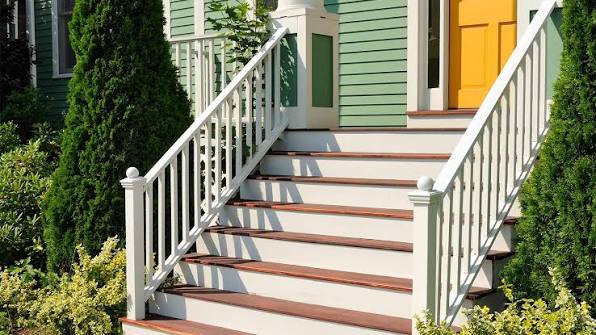
Exterior stairs take more punishment than almost any other part of a home. They are exposed to rain, frost, direct sunlight, foot traffic, and seasonal temperature swings — sometimes all within the same week. Despite this, many homeowners treat stair tread selection as an afterthought, choosing based on appearance alone and discovering problems only after a slip, a crack, or premature deterioration forces a replacement. The decision matters more than it may seem at first.
Choosing the wrong tread material or profile for your specific environment does not just mean an aesthetic problem. It can mean reduced friction underfoot during wet conditions, structural degradation that compromises the entire stair assembly, or ongoing maintenance costs that outweigh the savings made at purchase. Getting the selection right from the beginning is a practical decision with long-term consequences for safety, property condition, and household budget.
Understanding What Outdoor Stair Treads Actually Do
The functional role of outdoor stair treads is broader than most people realize. A tread is the horizontal surface you step on, but in an outdoor context it also serves as a weathering layer that protects the underlying stair structure from moisture intrusion, a friction surface that compensates for changing underfoot conditions, and a visible finishing element that affects the curb appeal of the entire entrance or deck. When homeowners browse options for outdoor stair treads, they are often comparing materials without fully accounting for how each of these functions performs across different seasons and use conditions.
The relationship between tread material and long-term performance is not simply about durability in isolation. A tread that holds up well in a dry southern climate may fail quickly in a northern environment where freeze-thaw cycles occur repeatedly across winter. A composite tread that performs reliably on a shaded rear deck may warp or fade on a west-facing porch that receives afternoon sun for several hours each day. Context shapes outcome in ways that product descriptions rarely communicate clearly.
The Friction Factor and Why It Changes With the Environment
Surface grip is one of the most important functional properties of a stair tread, but it is not a fixed quality. The friction a tread provides varies depending on whether it is dry, wet, covered in morning dew, dusted with pollen, or lightly frosted. Many treads that feel secure underfoot in dry conditions become noticeably slippery when wet, which is precisely when a fall is most likely. This is particularly relevant for front steps and porch stairs, where guests unfamiliar with the surface may encounter it in unpredictable weather.
Textured surfaces, grooved profiles, and embedded grit finishes each approach the friction problem differently. Grooves channel water away from the contact surface, reducing the thin film of moisture that causes slipping. Textured composites create micro-level surface irregularities that maintain grip even when wet. Grit strips and coatings are applied solutions that can be added to otherwise smooth materials, though they require periodic reapplication and are vulnerable to wear in high-traffic areas. None of these approaches is universally superior — the right choice depends on how the stairs are used, who uses them, and how much maintenance the homeowner is willing to perform.
Material Categories and Where Each One Makes Sense
There are four material types that appear most commonly in residential outdoor stair construction: natural wood, pressure-treated lumber, composite materials, and stone or masonry. Each has a different performance profile across the variables that matter most outdoors — moisture resistance, thermal behavior, maintenance requirements, and load-bearing consistency over time.
Natural Wood: Appearance Versus Ongoing Commitment
Hardwoods like ipe, teak, and cedar have genuine appeal for outdoor stair applications. They are dimensionally stable relative to softer woods, resistant to rot under proper conditions, and visually warm in a way that composite materials still struggle to replicate convincingly. However, natural wood outdoors requires a consistent maintenance commitment. Without regular sealing or oiling, even naturally durable hardwoods will check, gray, and eventually crack as moisture cycles in and out of the wood fibers.
Pressure-treated pine is a more affordable and widely available option. It handles ground contact and moisture exposure better than untreated lumber and is appropriate for many deck and porch stair applications. Its trade-off is appearance — the greenish tint from the treating process fades over time, but the wood itself can be rough, prone to surface checking, and less visually refined than hardwood alternatives. For front entry steps where appearance is a priority, many homeowners find pressure-treated lumber insufficient on its own and opt to install a finishing tread over the structural substrate.
Composite Treads: Consistency at the Cost of Flexibility
Composite materials have matured significantly over the past decade. Modern composite treads made from wood fiber and recycled polymers offer reasonable dimensional stability, low maintenance requirements, and resistance to the moisture-related problems that affect natural wood. They do not require sealing or staining, and their color is integrated throughout the material rather than applied as a surface coating.
The limitations of composite treads are thermal expansion and surface heat. In climates with wide temperature ranges, composite materials expand and contract measurably. This needs to be accounted for during installation to prevent buckling or gap formation. On south-facing or west-facing stairs without overhead cover, composite surfaces can also become uncomfortably warm in direct summer sun. These are manageable conditions for many installations, but they are real variables that affect satisfaction and longevity.
Stone and Masonry: Permanence With Structural Demands
Bluestone, granite, and concrete are common choices for front entry steps on homes with masonry construction. They are permanent, require minimal surface maintenance, and do not deteriorate from moisture exposure in the way organic materials do. Their disadvantage is weight and structural requirement. Stone treads need a stable, well-drained foundation to prevent shifting, heaving from frost, or cracking at stress points. They are also cold underfoot and, when polished or honed, can become slippery in wet or icy conditions unless a textured finish or anti-slip treatment is applied.
Concrete treads are sometimes poured in place and sometimes installed as precast units. Precast concrete treads offer more consistency in finish and can be produced with integrated texture profiles that improve grip. They are heavier to handle during installation but provide a uniform, predictable surface once set. For high-use front steps in climates with significant winter ice risk, concrete with a broom finish or exposed aggregate surface offers reliable traction without the ongoing maintenance of wood.
Matching the Tread to the Specific Location on Your Property
A deck stair, a porch stair, and a front entry stair are not the same application. They face different levels of exposure, different foot traffic patterns, and different aesthetic expectations. Selecting a tread based on material alone without accounting for location leads to compromises that become apparent after the first full seasonal cycle.
Deck Stairs and the Exposure Problem
Deck stairs are typically exposed on all sides. Unlike a covered porch entry, deck stairs rarely have overhead protection from rain or direct sun. They are also frequently adjacent to plantings or lawn areas where soil contact, moisture from irrigation, and organic debris are ongoing factors. In this context, materials that resist moisture intrusion and do not harbor mold or mildew are meaningfully more practical. Composite treads and naturally rot-resistant hardwoods perform better in this environment than standard pressure-treated lumber, which requires more active maintenance to remain both functional and safe.
Porch and Front Entry Steps: Appearance and First Impressions
Front entry steps are the most visible stair location on most homes. They receive attention from guests, neighbors, and prospective buyers in ways that deck stairs do not. Tread selection here involves balancing safety and durability with the visual expectations of the home’s architectural style. A Victorian-era home with painted wood trim may call for wood or composite treads with clean, traditional profiles. A contemporary masonry home may suit stone or concrete far better.
According to the U.S. Consumer Product Safety Commission, falls on stairs are among the most common causes of home injury, which underscores the importance of tread condition and surface friction regardless of the aesthetic direction a homeowner chooses. The appearance of a tread matters, but it should not be the factor that overrides surface safety or structural appropriateness.
Installation Considerations That Affect Long-Term Performance
Even the correct tread material will underperform if installation details are handled poorly. Drainage is one of the most overlooked factors. Treads installed with no slope to shed water will retain moisture along their surface and at their fastener points, accelerating deterioration regardless of material type. A slight forward pitch — enough to direct water away from the riser and off the leading edge — extends tread life noticeably over time.
Fastener selection also carries real consequences outdoors. Standard steel fasteners corrode and stain surrounding material. Stainless steel or coated deck screws are the appropriate choice for all exterior tread installations. Hidden fastener systems, where available, eliminate surface penetrations that can become water entry points and improve the finished appearance of the installation.
Spacing between treads or between tread boards, where a two-board configuration is used, allows water and debris to pass through rather than collect. This is particularly relevant for deck stair applications where standing water on tread surfaces is a recurring condition. The gap also accommodates the expansion and contraction of the tread material across seasonal temperature changes without creating structural pressure on the fasteners or the stringer below.
A Practical Framework for Making the Decision
Before selecting any tread product or material, it is useful to answer a small set of practical questions about your specific situation. These questions do not require professional expertise — they require honest assessment of the conditions your stairs face and the maintenance you are realistically willing to perform.
- How much direct weather exposure do the stairs receive, and is there any overhead cover that reduces rain and sun impact on the tread surface?
- Who uses these stairs regularly, and does the household include young children, elderly residents, or individuals with mobility considerations that make traction especially important?
- What is your realistic maintenance capacity? Annual sealing and staining is a legitimate commitment that some homeowners maintain without difficulty; others find it consistently delayed or skipped, which changes which material is appropriate.
- Does the architectural character of your home create expectations about material and finish that would make a mismatch visually disruptive?
- What is the condition of the underlying stair structure — stringers, risers, and foundation — and does it need to be addressed before new treads are installed on top of it?
Answering these questions honestly produces a clearer picture of which material category fits your situation, which narrows the selection process considerably before price or availability even enters the conversation.
Conclusion: Treat Tread Selection as a Long-Term Decision
Outdoor stair treads are not a product category where the least expensive option reliably serves homeowners well over time. A tread that deteriorates quickly, loses friction when wet, or requires frequent replacement costs more across a five-year period than a higher-quality selection made at the outset. More importantly, degraded treads represent a genuine safety risk — one that tends to develop gradually and can be easy to overlook until an incident occurs.
The right approach is to match material to environment, account for the realistic level of maintenance the household will perform, and prioritize surface friction as a non-negotiable baseline rather than an optional feature. Appearance matters, but it should inform the final selection from within a field of appropriate candidates — not drive the selection regardless of functional fit.
Homeowners who approach this decision with that order of priorities in mind consistently end up with stair installations that remain safe, structurally sound, and visually appropriate far longer than those who reverse the sequence.

