


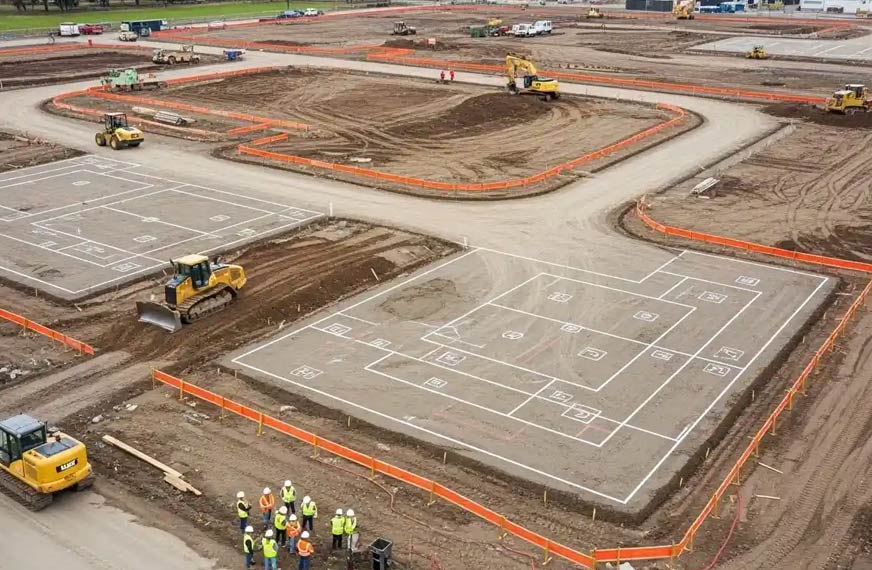
Successful construction begins with proper preparation of the land beneath and around a planned structure. Uneven terrain, poor drainage, unstable soil, buried debris, vegetation, and unsuitable elevations can create challenges if they are not addressed before construction begins. Grading and excavating are important parts of site preparation because they help shape the land, remove unwanted materials, establish planned elevations, and create suitable areas for foundations and other improvements. These processes can also support drainage planning, driveway construction, utility installation, landscaping, and other development needs. When earthwork is carefully planned and performed, it can provide a more stable and functional foundation for the stages of construction that follow.
Understanding the Difference Between Grading and Excavation
Although these two activities are often discussed together, they serve different purposes during a construction project. Excavation generally involves removing soil, rock, debris, or other materials to create space for foundations, trenches, drainage systems, basements, and other structures. Grading focuses more on shaping and leveling the existing ground to establish specific elevations, slopes, and contours. Grading and excavating may be performed at different stages depending on the requirements of the project and the existing condition of the property. Understanding the role of each process helps contractors develop a more organized approach to preparing the site. Both activities can influence drainage, stability, accessibility, and the overall success of the completed project.
Why Proper Site Preparation Is Important
The condition of the land can have a direct effect on how well a building, driveway, drainage system, or landscape feature performs over time. Soil that is poorly compacted or unevenly distributed may settle after construction, while incorrect slopes can cause water to move toward areas where it can create problems. Grading and excavating can help establish appropriate elevations and remove unsuitable material before construction begins. Proper site preparation can also create safer and more accessible working conditions for construction crews and heavy equipment. Before earthwork begins, the site should be evaluated for soil conditions, existing structures, utilities, drainage patterns, vegetation, and other potential obstacles.
Evaluating Existing Soil Conditions
Soil characteristics can vary significantly from one property to another, and these differences can influence how earthwork should be performed. Clay-heavy soil may hold water differently from sandy or gravelly soil, while loose fill may require additional compaction before it can support construction. Moisture levels can also change how easily soil can be moved, shaped, or compacted. Grading and excavating plans should account for these characteristics so that unsuitable material can be identified and appropriate fill can be selected where necessary. In larger projects, professional soil testing may provide valuable information about bearing capacity, composition, moisture, and other characteristics. Understanding the ground conditions before construction can reduce surprises during later stages.
The Role of Accurate Measurements
Proper measurements are essential when preparing a site because even relatively small elevation differences can affect drainage and construction results. Surveying can establish existing ground levels, property boundaries, reference points, proposed elevations, and required slopes. Grading and excavating should follow these measurements rather than relying on visual estimates. A carefully measured site allows operators to remove or place soil in the correct locations and achieve the elevations shown in project plans. Measurements may also be required throughout the project to confirm that the work remains within the intended specifications. Accurate information helps coordinate the activities of contractors, engineers, equipment operators, and other professionals working on the project.
Preparing a Construction Site
Before major earthwork begins, the property may need to be cleared of brush, vegetation, old materials, debris, small structures, or other obstacles. Clearing creates a more accessible work area and allows operators to see the existing ground more clearly. Grading and excavating can then be performed more efficiently because equipment has better access to the areas that need to be modified. However, clearing should be performed carefully because important features may be hidden beneath vegetation or debris. Existing drainage systems, underground utilities, property markers, and structures should be identified before extensive soil movement begins. Proper preparation helps reduce delays and makes the overall earthwork process more organized.
Improving Drainage Through Proper Grading
Water management is one of the most important considerations when shaping land for construction. If the ground slopes toward a building, water may collect near the foundation and potentially contribute to moisture-related problems. Grading and excavating can establish slopes that direct water toward appropriate drainage areas, channels, swales, or other planned systems. The objective is not necessarily to make the entire property perfectly level, because controlled slopes are often necessary for effective drainage. Drainage requirements should be considered before final elevations are established. Correcting poor drainage after a structure or driveway has been completed can be more difficult and expensive than addressing it during the initial site preparation stage.
Preparing Areas for Foundations
Foundations require stable and properly prepared ground to support the weight of a structure. Depending on the design, soil may need to be removed to create space for footings, foundation walls, slabs, crawl spaces, or basements. Grading and excavating can establish the required dimensions and elevations while removing material that may not be suitable for construction. Excavated areas should be checked carefully before foundation work begins to ensure that they meet the project’s requirements. If unsuitable soil is encountered, additional removal and replacement may be necessary. Proper foundation preparation can help create a more reliable base for the structure and reduce the likelihood of problems associated with poor ground conditions.
Creating Utility Trenches
Many properties require underground systems for water, electricity, drainage, sewer services, communications, and other utilities. These systems often require carefully positioned trenches with specific depths, widths, and slopes. Grading and excavating can create these spaces while allowing contractors to follow the planned utility layout. Before digging begins, existing underground services should be identified through appropriate utility-location procedures. Operators should remain alert to unexpected lines or structures that may not be obvious from surface conditions. Proper trench preparation also includes consideration of bedding, pipe placement, backfilling, and compaction so that installed utilities remain properly supported.
Selecting Appropriate Equipment
Earthwork equipment should be selected according to the size and complexity of the project. Excavators can be used for digging foundation areas, trenches, drainage systems, and other deep or confined spaces, while loaders and skid steers can help move soil and prepare surfaces. Larger machines such as bulldozers and motor graders may be appropriate for extensive areas where substantial quantities of material need to be moved or shaped. Grading and excavating equipment should also be selected based on site access, soil conditions, required depth, and available working space. Using the right machinery can improve productivity while reducing unnecessary disturbance to the property. Experienced operators can determine how equipment should be positioned and used for specific tasks.
Managing Excavated Soil
Removing soil from a site creates a material-management challenge that should be considered before work begins. Some excavated soil may be suitable for reuse as fill, landscaping material, berms, or other site improvements. Other material may contain rocks, organic matter, debris, or unsuitable soil characteristics that make it inappropriate for certain applications. Grading and excavating plans should identify where usable material will be placed and how excess material will be transported away. Efficient material management can reduce unnecessary hauling and help keep the work area organized. Proper planning can also prevent large piles of soil from interfering with equipment movement, drainage, or construction activities.
Backfilling and Soil Compaction
After underground utilities, foundations, drainage systems, or other features are installed, excavated areas often need to be filled. Backfill should be selected and placed according to the requirements of the particular application. Simply returning large amounts of loose soil to an excavation may result in future settlement, which can affect driveways, sidewalks, landscaping, or structures built above it. Proper compaction is therefore an important part of the process. Soil may need to be placed in controlled layers and compacted using suitable equipment. A well-prepared backfill can provide better support and reduce the likelihood of uneven settlement after the project is completed.
Preparing Driveways and Parking Areas
Driveways and parking areas require more than simply placing a surface material over existing ground. The underlying soil must be prepared to provide appropriate support and drainage. Grading and excavating can remove unsuitable material, establish the correct elevation, and prepare the subgrade for gravel, asphalt, concrete, or other surfacing systems. The finished area should have appropriate slopes so that rainwater does not collect in unwanted locations. Weak areas may require additional material or compaction before the final surface is installed. Proper preparation can help reduce future problems such as rutting, cracking, pooling water, and uneven settlement.
Supporting Landscaping Projects
Earthwork can also play a major role in landscaping and outdoor improvements. Patios, retaining areas, lawns, garden beds, drainage features, walkways, and other landscape elements may require changes to existing elevations. Grading and excavating can shape the property to accommodate these features while improving drainage and accessibility. Landscape slopes should be designed carefully so that water is directed where it can be managed without damaging structures or neighboring areas. Large changes in elevation may require retaining structures or professional engineering considerations. Thoughtful preparation can help landscaping features integrate naturally with the existing property.
Managing Erosion During Construction
Once vegetation has been removed and soil has been disturbed, a construction site may become more vulnerable to erosion from rain and flowing water. Loose soil can move across the property and potentially enter drainage systems or nearby areas. Grading and excavating projects should therefore incorporate appropriate erosion and sediment-control practices based on site conditions and project requirements. Temporary drainage paths, stabilized entrances, sediment barriers, and other measures may be used where appropriate. Monitoring the site after rainfall can help identify areas where water is creating unexpected channels or carrying soil away. Managing erosion throughout construction can protect both the project and the surrounding environment.
Safety Considerations for Earthwork
Earthmoving projects involve heavy machinery, open excavations, unstable soil, underground utilities, and other hazards that require careful management. Workers should be trained to operate equipment safely and should follow applicable safety requirements for excavation and construction activities. Grading and excavating should include proper planning for trench access, soil stability, equipment movement, and separation between workers and machinery. Excavated material should be placed safely so that it does not create additional hazards around open trenches. Work areas should also be clearly controlled so that unauthorized people do not enter active construction zones. Safety should remain a priority throughout every stage of earthwork.
Protecting Underground Infrastructure
One of the most important steps before excavation is identifying existing underground infrastructure. Water pipes, electrical cables, gas lines, communication services, drainage systems, and other utilities may be located below the surface. Grading and excavating should not begin until appropriate utility-location procedures have been completed. When working near known utilities, contractors may need to use specialized techniques and additional caution. Accidentally damaging underground services can cause service interruptions, property damage, injuries, and significant project delays. Careful planning and communication can help reduce these risks and support safer excavation activities.
Weather and Ground Conditions
Weather can influence how efficiently and safely earthwork can be completed. Heavy rainfall may saturate soil, create muddy conditions, increase erosion, and make certain areas difficult for equipment to access. Extremely dry conditions can create dust and affect how soil behaves during excavation and compaction. Grading and excavating schedules may need to be adjusted when weather creates unsuitable working conditions. Operators should evaluate the actual ground conditions rather than relying solely on the original project schedule. Flexible planning can reduce unnecessary damage to the site and help prevent delays caused by difficult soil or weather conditions.
Final Grading and Site Finishing
After major construction activities are completed, the property may require final grading to establish the finished elevations and drainage patterns. This stage can include filling low areas, smoothing uneven surfaces, shaping slopes, and preparing areas for landscaping or paving. Grading and excavating work should be checked against project plans to confirm that the final site meets the intended requirements. Water should be observed during suitable conditions to identify areas where drainage may not perform as expected. Correcting low spots and improper slopes before final landscaping or paving can help avoid more complicated repairs later.
Professional Planning and Project Coordination
Large earthwork projects often involve multiple professionals, including property owners, surveyors, engineers, equipment operators, utility contractors, foundation crews, and landscapers. Clear communication between these parties can help ensure that the work is performed in the correct sequence. Grading and excavating should be coordinated with foundation requirements, utility layouts, drainage plans, access needs, and future landscaping. Changes to the site should be documented so that everyone understands the current conditions. Proper coordination can reduce duplicated work and prevent one stage of construction from interfering with another. A well-organized plan can also improve efficiency and help control unexpected costs.
Long-Term Benefits of Proper Site Preparation
The benefits of careful earthwork continue long after construction equipment leaves the property. Proper elevations can support better drainage, while stable subgrades can provide stronger support for buildings, driveways, walkways, and outdoor features. Grading and excavating can also reduce the need for expensive corrections associated with poor preparation. A properly shaped site can make future landscaping and maintenance easier because water flows predictably and surfaces are more accessible. While much of the work eventually becomes hidden beneath finished construction, its influence remains important. Good site preparation provides the physical foundation on which many other property improvements depend.
Maintaining the Prepared Site
Even a well-prepared site can change over time due to weather, vegetation growth, erosion, construction activity, and settlement. Property owners should monitor drainage patterns, slopes, driveways, landscaped areas, and other surfaces for changes after major work has been completed. Grading and excavating may establish the original site conditions, but ongoing maintenance can help preserve them. New low spots, standing water, eroded areas, or settling near foundations should be investigated promptly. Gutters and drainage systems should also be maintained so that they continue directing water as intended. Regular observation can help identify small changes before they become larger maintenance concerns.
Conclusion
Proper site preparation is one of the most important foundations of a successful construction or property improvement project. Soil conditions, drainage, elevations, utility locations, foundation requirements, access, and future landscaping all need to be considered before major earthwork begins. Grading and excavating can shape the land, remove unsuitable material, establish drainage patterns, prepare foundations, create utility trenches, and develop stable areas for driveways and other improvements. Safe equipment operation, accurate measurements, appropriate compaction, erosion control, and careful material management are equally important throughout the process. When earthwork is properly planned and executed, it can provide a stable and functional base for construction while reducing the likelihood of costly problems later. Investing time and attention in site preparation can ultimately support stronger construction results, improved drainage, better accessibility, and more dependable long-term property performance.

