


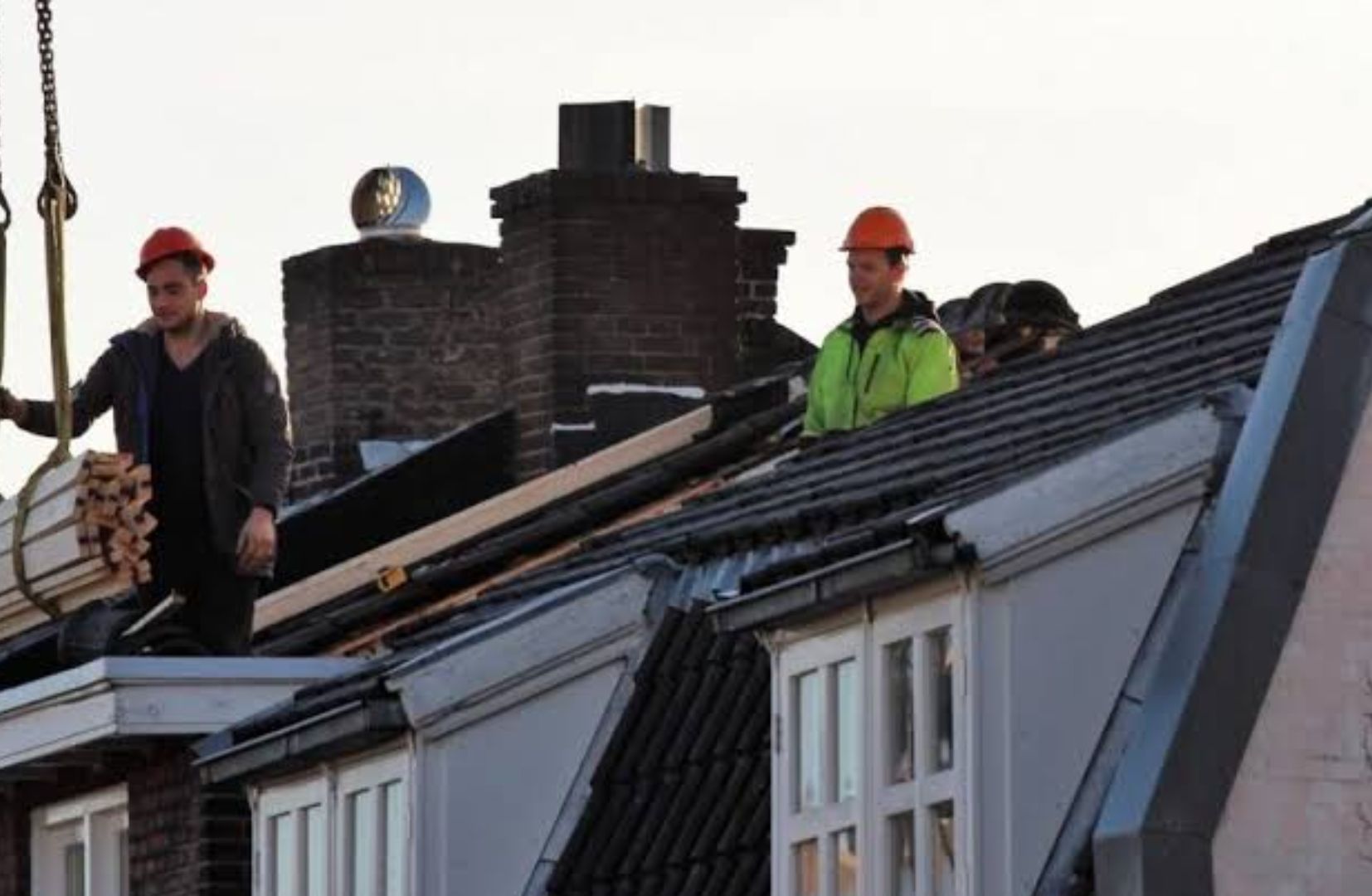
A roof is one of the most important protective components of any building. It shields the interior from rain, wind, sunlight, temperature changes, debris, and other environmental conditions while also contributing to energy efficiency, structural protection, and overall appearance. Although roofs are designed to withstand years of exposure, every roofing system eventually reaches a point where repairs are no longer enough. When widespread deterioration, repeated leaks, aging materials, or structural concerns begin affecting performance, replacing the roof may become a practical long-term solution.
Planning a new roof requires more than selecting a color and choosing a contractor. Property owners need to consider the condition of the existing roof, the type of roofing material, ventilation, insulation, drainage, structural requirements, installation methods, warranties, maintenance, and expected service life. A carefully planned roof replacement can improve the building’s protection and appearance while addressing underlying problems that may have developed over many years.
Understanding When a Roof Needs Replacement
Not every damaged roof needs to be completely replaced. Minor leaks, isolated damaged shingles, loose flashing, or small areas of deterioration can often be addressed through targeted repairs. However, repairs become less practical when problems are widespread or continue returning despite previous service.
Age is one factor to consider, but it should not be the only consideration. Different roofing materials have different expected service lives, and actual longevity depends on installation quality, weather exposure, maintenance, ventilation, and other conditions. An older roof that remains in good condition may continue functioning effectively, while a newer roof that was poorly installed or exposed to severe weather may develop problems much sooner.
Visible deterioration can provide useful clues. Curling, cracked, missing, or heavily worn roofing materials may indicate that the roof is approaching the end of its useful life. Persistent leaks, damaged flashing, sagging areas, and widespread moisture problems should also receive professional attention. An inspection can help determine whether the existing roof can reasonably be repaired or whether replacement would provide a more reliable solution.
Common Signs of Roofing Deterioration
Leaks are among the most obvious signs of roofing problems, but the location of an interior water stain does not necessarily correspond directly to the point where water entered the roof. Water can travel along decking, insulation, framing, or other surfaces before becoming visible inside the building. This is why repeatedly patching the visible stain may fail to address the actual source.
Roofing materials can also reveal signs of aging. Shingles may become brittle, lose their protective surface, crack, or begin separating from the roof. Metal roofing may develop corrosion or damaged seams, while other roofing materials can experience different forms of wear. Flashing around chimneys, vents, skylights, valleys, and roof edges is particularly important because these areas require careful waterproofing.
A sagging roofline is a more serious warning sign. It may indicate problems involving the roof structure, decking, moisture damage, or supporting components. Structural concerns should be evaluated promptly because they may affect more than the roofing material itself.
Granules or pieces of roofing material accumulating in gutters can also provide evidence of deterioration. While some granule loss is normal for certain roofing products, excessive accumulation may indicate aging or damaged materials. A professional inspection can help determine whether the amount of wear is significant.
Evaluating the Existing Roof
Before planning a new roof, a thorough evaluation of the existing system is important. The inspection should consider both the visible roofing material and the components beneath it. Roof decking, underlayment, flashing, ventilation, drainage, and structural elements can all affect the performance of the finished roof.
Moisture damage is particularly important to identify before new materials are installed. If damaged decking is covered without being addressed, the underlying problem can remain hidden and potentially affect the new roofing system. Removing compromised materials during the project allows the installer to correct problems rather than simply covering them.
The condition of flashing should also be assessed. Flashing directs water away from vulnerable joints and penetrations, including chimneys, walls, vents, and valleys. Reusing damaged or improperly installed flashing can undermine the performance of an otherwise new roof.
Ventilation is another critical component. A roof system needs appropriate airflow to help manage heat and moisture within the roof assembly. Poor ventilation can contribute to condensation, moisture accumulation, material deterioration, and reduced roof performance.
Choosing the Right Roofing Material
There are many roofing materials available, and the right option depends on the building, design preferences, budget, climate, expected service life, and maintenance requirements. Asphalt shingles are widely used because they offer a combination of affordability, availability, appearance, and relatively straightforward installation.
Metal roofing is another option and can provide durability and a distinctive appearance. Metal systems are available in different profiles, finishes, and materials, allowing them to suit a wide range of architectural styles. Their performance depends heavily on appropriate installation, fastening, flashing, and seam treatment.
Tile roofing can provide long-lasting performance and a distinctive appearance, although it can be heavier and may require structural considerations. Slate is another durable roofing material known for its appearance and longevity, but it can have higher material and installation costs and requires specialized expertise.
Other options include synthetic roofing products and specialized systems designed for particular building types. Instead of choosing a material based solely on its appearance or advertised lifespan, property owners should evaluate how the material fits the building’s structure, maintenance expectations, and overall project requirements.
The Importance of Proper Roof Design
A successful roofing project starts with appropriate design. The roof’s slope, drainage pattern, penetrations, valleys, edges, and transitions all affect how water moves across the surface. A roofing material that works well on one roof configuration may not be suitable for another without modifications.
Water should be directed toward appropriate drainage points rather than allowed to collect in vulnerable areas. Valleys require careful attention because they can receive concentrated water flow from multiple roof sections. Flashing around penetrations must also be designed to prevent water from entering the structure.
Roof edges and transitions deserve equal consideration. These areas may experience significant exposure to wind and water, and poor detailing can create vulnerabilities even when the main roof surface is installed correctly.
During planning, it is useful to consider the entire roofing assembly rather than thinking only about the outer material. Underlayment, flashing, ventilation, insulation, decking, drainage, and fasteners all contribute to the final performance of the system.
Preparing for the Replacement Project
Preparation can have a major influence on how smoothly the project proceeds. Before work begins, the property owner and contractor should discuss the scope of work, expected schedule, material selection, cleanup procedures, warranties, payment arrangements, and potential additional work that may be discovered after the old roofing material is removed.
The property should also be prepared for construction activity. Outdoor furniture, fragile items, vehicles, and other belongings may need to be moved away from work areas. Roofing projects can generate noise, dust, debris, and falling material, so appropriate precautions can help protect people and property.
It is also important to plan for weather conditions. Roofing installation generally requires suitable conditions for handling materials and completing waterproofing details. A contractor may need to adjust the schedule when severe weather creates unsafe or unsuitable working conditions.
Clear communication before the project starts can reduce misunderstandings and make it easier to address unexpected conditions once the existing roof is removed.
Removing the Existing Roofing
The removal stage provides an opportunity to inspect the roof deck and underlying components. Old roofing materials are typically removed carefully so that damaged areas can be identified rather than simply covered by the new system.
Once the existing material has been removed, the condition of the decking becomes much easier to evaluate. Soft, deteriorated, or moisture-damaged sections may need to be replaced. The supporting structure should also be examined if there are signs of sagging, prolonged water exposure, or other structural concerns.
Proper debris management is another important part of the removal process. Roofing materials can create substantial waste, and a professional crew should have a plan for collecting and disposing of removed materials safely.
The removal stage may reveal conditions that were not visible during the initial inspection. Property owners should understand in advance how additional work will be handled if damaged decking, flashing, ventilation problems, or structural concerns are discovered.
Installing Underlayment and Flashing
Underlayment provides an additional layer of protection beneath the primary roofing material. Its role and installation requirements vary depending on the roofing system, but
it is an important part of creating a weather-resistant assembly.
Flashing is equally important because roof penetrations and transitions create potential paths for water intrusion. Flashing around vents, chimneys, walls, skylights, valleys, and other vulnerable areas needs to be properly installed and integrated with surrounding materials.
Poorly detailed flashing can cause leaks even when the main roof surface appears flawless. For this reason, installation quality matters as much as material selection. A contractor should follow the roofing manufacturer’s installation requirements and appropriate construction practices for the specific system.
Roof Ventilation and Moisture Management
Ventilation is sometimes overlooked during roofing projects, but it can influence long-term performance. Heat and moisture can accumulate within roof assemblies when airflow is inadequate or improperly configured. Depending on the building design, ventilation may involve intake openings, exhaust vents, ridge vents, soffit vents, or other components.
The objective is not simply to install as many vents as possible. Ventilation needs to be appropriately designed so that air can move through the intended pathways. Blocking intake openings or installing exhaust components without adequate intake airflow can reduce effectiveness.
Moisture management also involves insulation, air sealing, and building-envelope considerations. A roofing project can provide an opportunity to identify conditions that may be contributing to condensation or moisture problems.
Selecting a Qualified Roofing Contractor
The contractor has a significant influence on the quality and longevity of the finished roof. Property owners should look for a company or professional with relevant experience, appropriate licensing or credentials where required, suitable insurance coverage, and a clear record of completed roofing projects.
A detailed written estimate should explain the materials, labor, removal, disposal, flashing, ventilation, cleanup, and other relevant parts of the project. Extremely low estimates should be evaluated carefully because a lower initial price may reflect differences in material quality, labor scope, warranty coverage, or installation practices.
References and previous project examples can also provide useful information. Asking questions about installation methods, warranties, expected project duration, and how unexpected decking damage will be handled can help clarify what the contractor is actually offering.
The goal should be to select a contractor based on the complete value and scope of the project rather than choosing solely according to the lowest price.
Understanding Roofing Warranties
Roofing warranties can cover different aspects of a project, so homeowners should understand the distinction between material warranties and workmanship coverage. A manufacturer may provide coverage for certain defects in its roofing products, while the contractor may provide a separate warranty covering installation work.
Warranty terms can include specific conditions regarding installation, maintenance, ventilation, approved components, and registration. It is therefore important to retain project documentation and understand any requirements that must be followed.
A warranty should not replace careful contractor selection. Even a strong material warranty cannot compensate for poor installation. The performance of a roofing system depends on the interaction between materials and workmanship.
Maintaining a New Roof
A new roof still requires maintenance. Although replacement removes many problems associated with an aging roof, debris, weather exposure, animals, vegetation, and other factors can affect the system over time.
Regular visual inspections can help identify damaged materials, blocked drainage, deteriorated flashing, and other issues. Gutters and downspouts should also be maintained because uncontrolled roof runoff can contribute to moisture problems around the building.
Tree branches that rub against the roof can damage materials, while heavy vegetation near roofing surfaces may contribute to moisture retention. Keeping surrounding vegetation appropriately managed can reduce unnecessary wear.
Professional inspections may also be beneficial after severe storms or when warning signs appear. Addressing a small problem promptly is often easier than repairing extensive water damage after a leak has continued unnoticed.
Energy Efficiency and Roof Replacement
A roofing project can also provide an opportunity to consider energy performance. The roof assembly influences how heat moves between the building interior and the outside environment. Appropriate insulation, ventilation, air sealing, and reflective or energy-conscious roofing materials may contribute to improved building performance.
The specific benefits depend on the building’s construction, existing insulation, climate, roof design, and chosen materials. A new roof alone does not automatically make a building highly energy efficient, but coordinating roofing work with other building-envelope improvements can provide broader benefits.
Property owners should consider the roof as part of the overall structure rather than treating it as an isolated surface. When appropriate, roofing work can be coordinated with improvements to insulation, ventilation, drainage, and other protective systems.
Cost Factors to Consider
The cost of a roofing project depends on numerous factors. Roof size, complexity, pitch, material selection, labor requirements, removal of existing materials, decking condition, flashing, ventilation, access, disposal, and additional repairs can all influence the final price.
A simple roof with easily accessible surfaces may require less labor than a complex roof with multiple levels, valleys, penetrations, and difficult access points. Material prices can also vary considerably depending on product quality and availability.
The lowest initial price is not necessarily the most economical long-term option. A roofing system should be evaluated based on expected service life, maintenance needs, installation quality, warranty coverage, and overall performance.
Obtaining detailed every part of a building, making its condition an important part of long-term property maintenance. When an existing building is carefully evaluated, damaged decking should be addressed, flashing should be properly installed, ventilation should be considered, and the roofing material should be appropriate for the building.. Regular maintenance remains important. Keeping drainage systems clear, monitoring the roof after severe weather, managing estimates from qualified contractors can make comparisons easier. Each estimate should be reviewed carefully to determine whether the contractors are proposing comparable materials and scopes of work.
Final Thoughts
A roof protects nearly every part of a building, making its condition an important part of long-term property maintenance. When an existing system develops widespread deterioration, repeated leaks, structural concerns, or other significant problems, roof replacement can provide an opportunity to restore reliable protection and address underlying issues.
Successful replacement depends on much more than installing new roofing material. The existing roof should be carefully evaluated, damaged decking should be addressed, flashing should be properly installed, ventilation should be considered, and the roofing material should be appropriate for the building. Selecting an experienced contractor and establishing a clear project scope can also reduce unexpected complications.
After installation, regular maintenance remains important. Keeping drainage systems clear, monitoring the roof after severe weather, managing nearby vegetation, and addressing minor damage promptly can help preserve the new roofing system.
Ultimately, roof replacement should be viewed as a long-term investment in the building rather than simply a response to visible damage. Careful planning, quality materials, skilled installation, and ongoing maintenance can work together to create a roofing system that provides dependable protection for many years. By understanding the warning signs, evaluating available options, and approaching the project with attention to both the visible roof and the underlying components, property owners can make informed decisions and achieve a durable result. When the time comes for roof replacement, investing in proper preparation and workmanship can make a substantial difference in the roof’s performance, reliability, and expected service life.

