


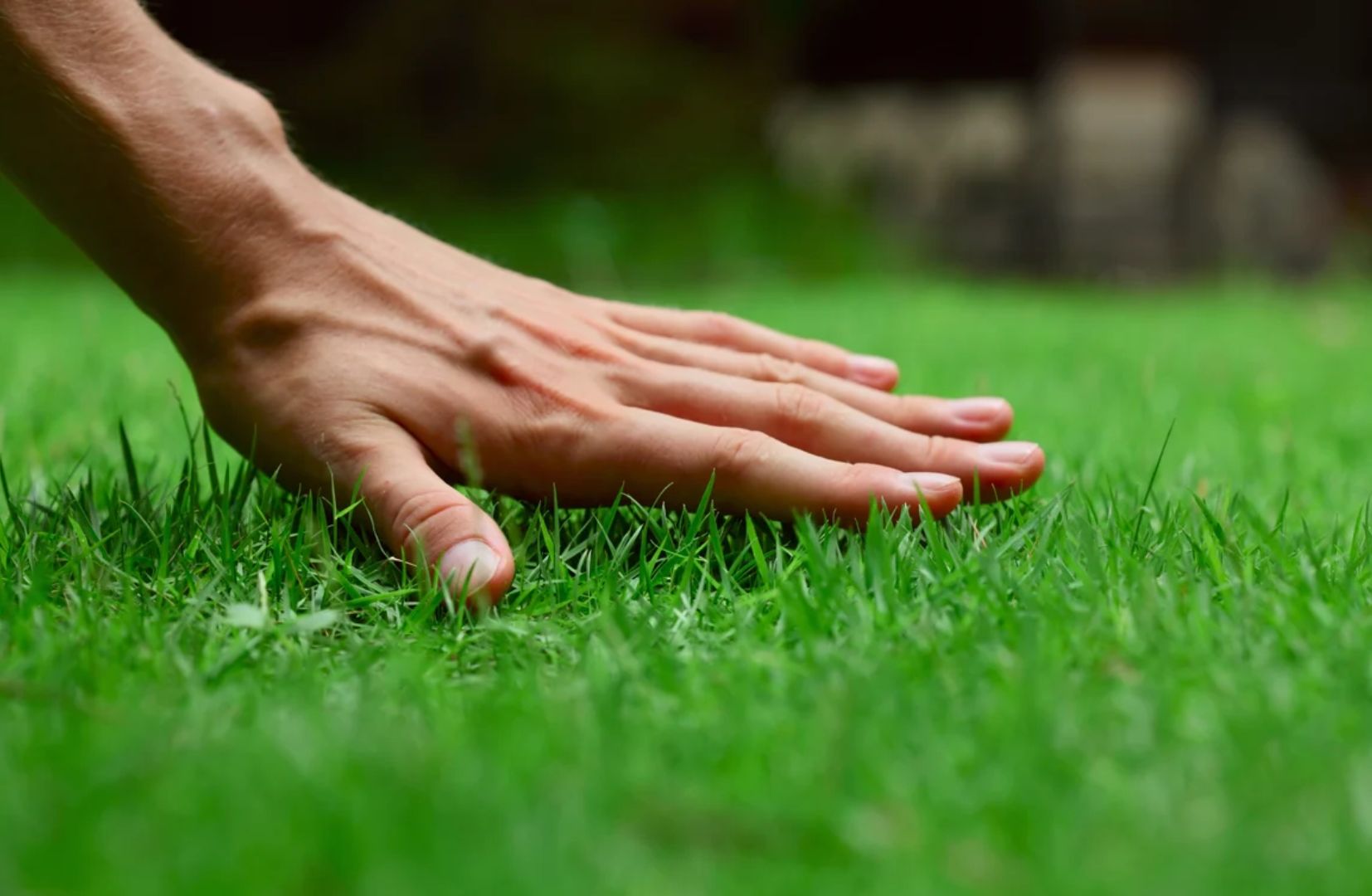
A healthy, attractive lawn can dramatically improve the appearance and usability of an outdoor space. While growing grass from seed can produce excellent results, it often requires considerable patience before the lawn becomes dense enough for regular use. Fresh sod provides another option by allowing property owners to establish an established grass surface much sooner. However, achieving lasting results requires more than simply placing rolls of grass across bare soil. Proper preparation, careful installation, adequate watering, and ongoing maintenance all play important roles in helping new sod develop strong roots and remain healthy.
Sod consists of mature grass and a layer of soil held together by roots and other organic material. Because the grass has already been grown before it reaches the property, it can provide an immediate green appearance when installed correctly. The transition from a harvested sod farm to a new lawn is still a significant period for the grass, however. The roots must establish themselves in the underlying soil, and the new lawn needs sufficient moisture while this process takes place. Understanding how sod should be handled and maintained can help property owners avoid common problems and encourage healthy establishment.
Understanding the Benefits of Fresh Sod
One of the main advantages of sod is the speed with which it can transform an outdoor area. Seeded lawns may take weeks or months to develop into a dense surface, depending on the grass variety and growing conditions. Sod, on the other hand, arrives as established grass that can immediately create a finished appearance once installed. This makes it particularly useful for homeowners who want to improve the appearance of their property without waiting through a lengthy germination and establishment period.
Sod can also help reduce certain issues associated with starting a lawn from seed. Seeded areas may be vulnerable to erosion, uneven germination, weeds, birds, and inconsistent moisture. Fresh sod creates a continuous surface that can provide better initial coverage. Once the roots establish, the lawn can develop into a durable grass area suitable for recreation, landscaping, and everyday outdoor activities.
Another benefit is the ability to create a more consistent appearance. Properly grown sod is typically produced under controlled conditions, which can result in relatively uniform grass density and color. However, the final appearance still depends heavily on the quality of the soil, installation technique, watering practices, and ongoing lawn care.
Preparing the Soil Before Installation
The quality of the soil beneath the sod is one of the most important factors affecting long-term lawn health. Even high-quality grass can struggle if its roots cannot access sufficient nutrients, oxygen, and moisture. Before installation begins, the area should be cleared of existing vegetation, weeds, rocks, debris, and other materials that could interfere with the new lawn.
The soil should then be evaluated and prepared to create a suitable growing environment. Compacted soil can restrict root development and prevent water from moving properly through the ground. In such cases, loosening the soil may be necessary. Grading is also important because the surface should encourage appropriate drainage rather than creating low areas where water can collect.
Adding suitable soil amendments may be beneficial depending on the existing soil conditions. However, amendments should not be added without considering the actual characteristics of the soil. A soil test can provide useful information about pH, nutrient levels, and other factors that may influence plant growth. Addressing soil deficiencies before installing sod can make it easier for the grass to establish itself successfully.
Selecting the Right Type of Grass
Not every grass variety performs equally well under the same conditions. The appropriate sod should be selected based on factors such as sunlight exposure, temperature, rainfall, soil conditions, expected foot traffic, and maintenance preferences. Some grasses perform well in areas receiving significant sunlight, while others are more tolerant of partial shade.
Homeowners should also consider how much maintenance they are willing to provide. Certain grass varieties may require frequent mowing, watering, fertilization, or other care to maintain their appearance. Choosing a variety that naturally suits the growing environment can reduce unnecessary maintenance challenges.
The quality of the sod is equally important. Healthy sod should generally have a strong root system and consistent color without obvious signs of disease, severe drying, or excessive damage. Freshness also matters because harvested sod can deteriorate when it remains rolled or stacked for too long without appropriate moisture and ventilation. Coordinating delivery with the installation schedule can help ensure the grass is placed on the prepared soil promptly.
Measuring and Planning the Lawn Area
Accurate measurements are important before ordering sod. Property owners should calculate the total lawn area and account for irregular shapes, pathways, planting beds, structures, and other areas where grass will not be installed. Purchasing too little sod can cause delays, while ordering excessive quantities may create unnecessary expense.
It is usually sensible to allow for a modest amount of additional material because cuts and irregular edges can create waste. However, excessive overordering should be avoided. Planning the layout before installation can help determine where seams and cuts will occur and can make the process more efficient.
Large areas may require careful coordination because sod must be installed relatively quickly after delivery. Having the soil fully prepared before the grass arrives can reduce delays and ensure that the rolls are not left sitting unnecessarily.
Handling Sod Correctly
Fresh sod is living material and should be handled carefully. Heavy equipment, excessive stretching, or rough handling can damage the grass and root layer. Rolls should be moved carefully and placed onto prepared soil without dragging them excessively across the surface.
The timing of installation is also important. Sod should not be allowed to dry out while waiting to be installed. During warm or dry conditions, moisture can be lost rapidly. This is one reason preparation should be completed before delivery whenever possible.
If installation cannot begin immediately, the sod should be stored according to appropriate handling recommendations and protected from excessive heat. However, delaying installation for an extended period is generally undesirable. The sooner the grass is placed on prepared soil and watered appropriately, the sooner the rooting process can begin.
The Installation Process
Sod Installation requires careful placement to create a continuous, stable lawn surface. The first rows should generally be laid along a straight edge, such as a driveway, walkway, or property boundary. Each piece should be positioned closely against the next without overlapping.
The seams should be staggered between rows rather than creating continuous lines across the lawn. This pattern can improve the appearance and help reduce the risk of large gaps forming as the grass settles. Pieces should be cut carefully around trees, planting beds, structures, and other obstacles.
It is important to avoid stretching the sod to make it cover a larger area. Stretching can create gaps when the material contracts. Instead, pieces should be placed naturally and cut to fit where necessary. After installation, gently rolling the lawn can help improve contact between the sod and underlying soil, provided the soil conditions are appropriate.
Good soil-to-root contact is essential because the new grass depends on the underlying soil for moisture and nutrients. Air pockets beneath the sod can interfere with rooting and create dry areas. Proper preparation and installation help reduce these problems.
Watering New Sod
Water is one of the most important requirements during the establishment period. Newly installed sod has roots that have not yet fully connected with the underlying soil, so it can dry out quickly. Watering should begin promptly after installation unless weather or site conditions require a different approach.
The goal is to keep the sod and underlying soil sufficiently moist without creating prolonged waterlogging. Too little water can cause the grass to wilt, turn brown, or develop weak roots. Excessive watering can create drainage problems and may contribute to disease or root stress.
Watering requirements change as the roots become established. During the initial stage, the lawn may need more frequent watering. As roots grow deeper into the soil, watering can generally become less frequent while the amount applied during each session increases appropriately. The exact schedule depends on grass variety, weather, soil type, drainage, and environmental conditions.
Rather than relying entirely on a fixed schedule, homeowners should observe the lawn and soil. Signs of drying, standing water, or uneven moisture can indicate that watering practices need adjustment.
Encouraging Strong Root Development
The primary objective during the early weeks is to encourage the grass roots to establish themselves in the soil beneath the sod. Strong root development improves the lawn’s ability to access water and nutrients and helps it tolerate normal environmental stresses.
Foot traffic should be limited during the early establishment period. Walking repeatedly across newly installed sod can disturb the soil, create uneven areas, and interfere with root contact. Pets should also be kept away from the lawn when possible until the grass has developed a stronger root system.
Mowing should begin only when the grass has established sufficiently and reached an appropriate height. Cutting too early can stress the plants, while allowing the grass to become excessively tall can create other problems. The mower should have sharp blades to produce clean cuts rather than tearing the grass.
Fertilizing a New Lawn
New sod contains some nutrients from its production environment, but the underlying soil will eventually become the primary source of nutrients. Fertilization should therefore be based on the needs of the grass and the condition of the soil rather than applying large amounts automatically.
Applying too much fertilizer can damage grass and contribute to nutrient runoff. A soil test can help determine whether particular nutrients are deficient. Once the lawn is established, an appropriate fertilization program can support healthy growth and color.
Homeowners should follow product instructions carefully and avoid applying fertilizer during conditions that increase the risk of runoff or plant stress. The right approach is generally one that provides the necessary nutrients without excessive application.
Managing Weeds and Lawn Pests
Although sod can provide excellent initial coverage, weeds may still appear. Weeds can originate from the soil beneath the sod, surrounding landscape areas, or seeds carried by wind and animals. Maintaining healthy grass is one of the best long-term strategies for limiting weed invasion because dense turf leaves less space for unwanted plants to establish.
Pests can also affect lawns. Insects and other organisms may damage grass roots or blades, resulting in thinning, discoloration, or irregular patches. Treatment should be based on accurate identification rather than applying pesticides without knowing the cause of the problem.
If unusual damage appears, homeowners should investigate environmental factors such as watering, mowing, soil conditions, and drainage before assuming that insects or disease are responsible. Many lawn problems have multiple possible causes, and addressing the underlying condition is often more effective than treating symptoms alone.
Common Mistakes to Avoid
One of the biggest mistakes is failing to prepare the soil adequately. Installing sod over compacted, uneven, or poorly drained soil may produce an attractive lawn initially but can create problems as the roots attempt to establish.
Another common mistake is allowing the sod to dry out after installation. New grass is particularly vulnerable during this stage, and prolonged dryness can cause significant stress. Watering should be carefully managed from the moment the sod is installed.
Overwatering can be equally problematic. Constantly saturated soil can reduce oxygen availability around the roots and create conditions favorable to disease. The objective is balanced moisture rather than simply applying as much water as possible.
Heavy foot traffic is another concern. A newly installed lawn needs time to develop a strong connection with the soil beneath it. Allowing children, pets, or frequent activity on the surface too early can create uneven areas and damage the developing root system.
Finally, mowing too aggressively can weaken new grass. The mower should be adjusted appropriately, and only a reasonable portion of the grass blade should be removed at one time.
Maintaining a Healthy Lawn Over Time
Once the sod has become established, regular lawn care becomes the foundation for maintaining its appearance and resilience. Mowing should be performed according to the grass variety’s recommended height rather than cutting the lawn extremely short. Taller grass can often develop deeper roots and provide better coverage, although the ideal height varies among species.
Watering should focus on supporting healthy root development rather than encouraging shallow roots through constant light irrigation. Deep and appropriately timed watering can be more beneficial when environmental conditions allow it. However, irrigation practices should always account for soil type, rainfall, drainage, and local water restrictions where applicable.
Aeration may also be useful when soil becomes compacted, particularly in lawns that receive significant foot traffic. By creating small openings in the soil, aeration can improve air and water movement into the root zone. Other maintenance practices, such as dethatching, overseeding, or soil improvement, may be appropriate depending on the grass variety and lawn condition.
The Long-Term Value of Professional Installation
Professional installation can be valuable for property owners who want to establish a lawn efficiently while avoiding common preparation and placement mistakes. Experienced professionals can evaluate the site, calculate material requirements, prepare the soil, install the sod correctly, and provide guidance about watering and maintenance.
Professional Sod Installation can also be particularly useful for large or irregularly shaped properties where accurate measurements, efficient material handling, and consistent installation require substantial time and labor. A properly prepared and installed lawn has a stronger foundation for successful establishment.
Professional assistance does not eliminate the need for homeowner care, however. Even the highest-quality installation can struggle if the new lawn is neglected afterward. Watering, mowing, fertilization, and general maintenance remain essential to the long-term health of the grass.
Final Thoughts on Establishing a Beautiful Lawn
Fresh sod provides an efficient way to create an attractive lawn without waiting for grass seed to germinate and mature. However, the quality of the final result depends on much more than the appearance of the grass when it arrives. Proper soil preparation, suitable grass selection, careful handling, accurate placement, appropriate watering, and consistent maintenance all contribute to successful establishment.
Sod should be treated as living material from the moment it is harvested through the installation and rooting process. Preparing the site before delivery, installing the grass promptly, and maintaining appropriate moisture can give the roots the conditions they need to establish themselves. As the lawn matures, responsible mowing, irrigation, fertilization, and pest management can help preserve its appearance and resilience.
For homeowners who do not have the time, equipment, or experience to complete the work themselves, professional Sod Installation can provide a structured approach from site preparation through final placement. Experienced installers can help ensure that the ground is properly prepared and that the grass is positioned correctly for strong root contact.
Ultimately, a successful lawn is the result of both good installation and consistent care. Fresh sod can provide an immediate transformation, but its long-term health depends on what happens after installation. By investing in proper preparation and following a thoughtful maintenance routine, property owners can create a dense, healthy lawn that enhances the outdoor environment and remains attractive for years to come.

