


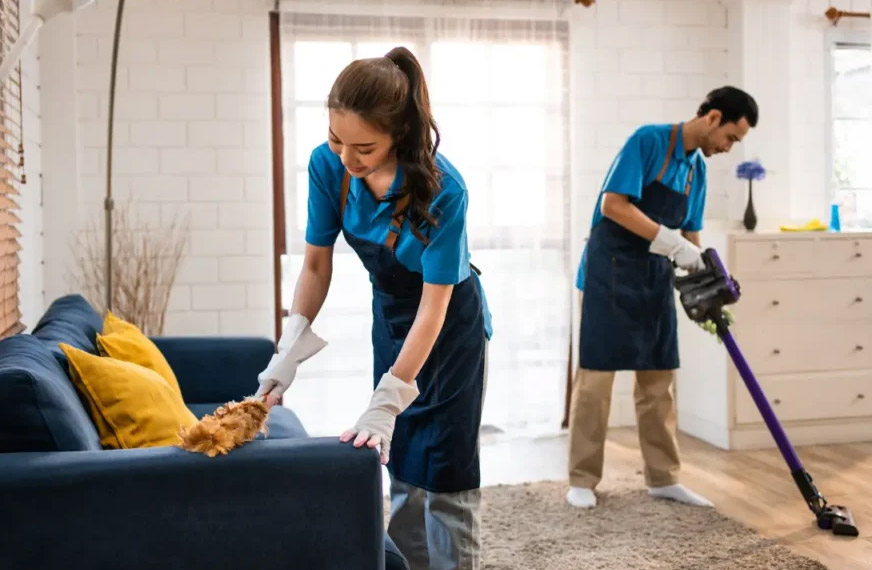
Keeping a property clean is an important part of maintaining a comfortable and organized environment. Dust, dirt, crumbs, stains, and everyday debris can gradually accumulate on surfaces when regular household tasks are neglected. A consistent standard cleaning routine helps keep commonly used areas looking fresh while making it easier to manage everyday messes. Unlike occasional deep cleaning, regular cleaning focuses on maintaining general cleanliness through practical and repeatable tasks. These tasks can include dusting, vacuuming, mopping, wiping surfaces, cleaning bathrooms, and maintaining kitchen areas. With a suitable routine, cleaning becomes a manageable part of everyday life rather than a large task that is postponed until the property becomes difficult to maintain.
Understanding Regular Cleaning
Regular cleaning is primarily concerned with maintaining cleanliness through routine tasks performed on a consistent schedule. It usually focuses on the areas and surfaces that receive the most frequent use during everyday activities. A standard cleaning routine can include removing dust, wiping countertops, vacuuming floors, cleaning bathrooms, emptying waste bins, and keeping common areas organized. The exact tasks can vary depending on the size of the property, the number of occupants, and the level of daily activity. Establishing a consistent schedule makes it easier to prevent dirt and clutter from building up. Instead of waiting for visible problems to appear, regular cleaning provides an ongoing approach to maintaining the condition of a property.
Why a Consistent Cleaning Routine Matters
A clean environment can contribute to a more comfortable and pleasant daily experience. When dust and clutter are allowed to accumulate, rooms can quickly appear untidy even when the underlying property is well maintained. Standard cleaning helps address everyday dirt before it becomes more difficult to remove. Regular attention to floors, surfaces, kitchens, and bathrooms can also reduce the amount of work required during occasional deeper cleaning sessions. A consistent routine makes cleaning more predictable because tasks are completed gradually rather than being left for one long session. This approach can be particularly useful for busy households and workplaces where maintaining an organized environment is an ongoing responsibility.
Creating a Practical Cleaning Schedule
A cleaning schedule provides structure and helps ensure that important tasks are completed regularly. Some tasks may need to be performed every day, while others can be handled weekly or according to the specific needs of the property. A standard cleaning schedule may include daily surface wiping, regular vacuuming, bathroom maintenance, kitchen cleaning, dusting, and waste removal. It is useful to identify high-traffic areas and prioritize them because they generally collect dirt more quickly than less frequently used spaces. A written checklist can also help divide responsibilities when multiple people are involved in maintaining the property. By establishing realistic cleaning intervals, it becomes easier to keep the environment consistently presentable without creating an overwhelming workload.
Cleaning Living Areas
Living rooms and common areas often receive considerable daily activity, making them important parts of any cleaning routine. Dust can accumulate on tables, shelves, electronics, window sills, and decorative items, while floors can collect dirt brought in from outside. Standard cleaning in these areas usually involves dusting accessible surfaces, vacuuming or sweeping floors, wiping frequently touched items, and organizing visible clutter. Upholstered furniture should also be inspected for crumbs, dust, and other debris that may accumulate through regular use. Doors, handles, light switches, and other frequently touched surfaces can be included in the routine when necessary. Keeping living areas clean and organized can create a more comfortable environment for everyday activities and visitors.
Maintaining Clean Bedrooms
Bedrooms should be included in regular cleaning routines because dust, hair, fabric fibers, and other particles can accumulate over time. Bedding should be changed regularly, while floors and accessible surfaces should be cleaned according to the needs of the room. Standard cleaning may include dusting bedside tables, shelves, window sills, furniture surfaces, and other accessible areas. Clutter should also be organized so that cleaning can be performed more effectively and efficiently. Floors should receive appropriate attention based on whether they are carpeted, hardwood, tile, laminate, or another material. Maintaining a clean bedroom can make the space feel more organized and comfortable while reducing the amount of accumulated dust.
Keeping the Kitchen Clean
The kitchen requires regular attention because food preparation can produce crumbs, grease, spills, and other forms of residue. Countertops should be wiped after use, while sinks and cooking surfaces should be cleaned regularly to prevent buildup. Standard cleaning in the kitchen may also include wiping cabinet handles, cleaning appliance exteriors, sweeping or mopping floors, and removing waste. Food storage areas should be checked periodically for expired items or spills that could create unpleasant odors. Small messes should ideally be addressed soon after they occur because dried spills and accumulated grease can require considerably more effort to remove. Consistent kitchen maintenance helps keep one of the busiest areas of a property clean, organized, and ready for daily use.
Maintaining Bathroom Hygiene
Bathrooms require regular cleaning because they are exposed to moisture, soap residue, and frequent use. Sinks, toilets, mirrors, showers, bathtubs, countertops, and floors should receive appropriate attention as part of the routine. Standard cleaning can help prevent everyday residue from accumulating on frequently used surfaces. Fixtures and handles should also be wiped regularly, while mirrors can be cleaned to remove water spots and fingerprints. Floors should be cleaned using methods suitable for the material, with particular attention given to areas that remain damp for extended periods. Consistent bathroom maintenance can help keep the room looking fresh and reduce the amount of buildup that may otherwise require intensive cleaning.
Dusting and Surface Maintenance
Dust can settle on almost any accessible surface, including furniture, shelves, electronics, window sills, decorative items, and fixtures. Regular dusting helps prevent visible buildup and can make rooms appear cleaner and more organized. Standard cleaning routines should include commonly accessible surfaces while taking care not to damage delicate materials or electronic equipment. Microfiber cloths and suitable cleaning tools can be useful for removing dust without simply moving it from one surface to another. Higher surfaces should generally be cleaned before lower surfaces so that falling dust can be removed afterward. Regular attention to dust can make a noticeable difference in the appearance and overall feel of a property.
Caring for Floors
Floors are among the most frequently used surfaces in any property and therefore require consistent attention. Dirt, dust, crumbs, hair, and other debris can quickly accumulate in high-traffic areas. Standard cleaning for floors depends on the material, with carpets, hardwood, tile, laminate, and vinyl requiring different approaches. Vacuuming can remove loose dirt from carpets and hard surfaces, while sweeping and appropriate mopping can address additional residue. Corners, edges, and areas around furniture should not be ignored because debris often collects in these less visible locations. Consistent floor care can help maintain the appearance of the property and reduce the need for more intensive cleaning later.
Cleaning Frequently Touched Surfaces
Frequently touched surfaces can accumulate fingerprints, dust, oils, and other residue through everyday use. These surfaces can include door handles, light switches, cabinet handles, railings, remote controls, and other commonly handled objects. Including them in a regular cleaning routine helps maintain a consistent level of cleanliness throughout the property. Standard cleaning should focus on surfaces appropriate for routine wiping while taking care with materials that may be sensitive to moisture or cleaning products. It is important to use suitable products and follow manufacturer guidance for specialized surfaces and equipment. Paying attention to these small details can make the overall environment feel cleaner and better maintained.
Decluttering as Part of Cleaning
Cleaning and organization often work together because clutter can make it difficult to access surfaces and floors properly. Items that are no longer needed can be removed, while frequently used belongings can be stored in appropriate locations. A standard cleaning routine becomes more efficient when surfaces are reasonably clear and furniture is organized. Decluttering does not necessarily mean removing large amounts of belongings at once; small, regular efforts can make a significant difference over time. Organizing rooms before cleaning also makes it easier to identify areas that need dusting, vacuuming, wiping, or other attention. Maintaining a more organized environment can reduce cleaning time and make everyday tasks easier.
Choosing Suitable Cleaning Products
Using appropriate cleaning products is important because different surfaces may require different methods of care. A product that works well on one material may damage another, particularly when used too frequently or at a high concentration. Standard cleaning should involve products that are appropriate for the surfaces being treated and used according to their instructions. It is also useful to avoid mixing cleaning chemicals because some combinations can create dangerous reactions. Keeping essential supplies organized can make routine cleaning more convenient and reduce interruptions. Selecting suitable tools and products can improve cleaning results while helping protect surfaces from unnecessary damage.
Making Cleaning More Efficient
Efficiency is an important part of maintaining a consistent cleaning routine. Working in a logical order can prevent unnecessary repetition and reduce the amount of time required to complete tasks. For example, dusting surfaces before vacuuming or mopping floors can help ensure that fallen particles are removed afterward. Standard cleaning can also be divided into sections, allowing one room or area to be completed before moving to another. Keeping frequently used supplies together can make the process smoother and eliminate time spent searching for equipment. Establishing a routine that fits the property’s specific needs can make cleaning feel more manageable and easier to maintain over the long term.
Common Cleaning Mistakes to Avoid
Several common mistakes can reduce the effectiveness of routine cleaning. One mistake is cleaning only visible surfaces while ignoring corners, edges, handles, and other frequently overlooked areas. Another is using too much cleaning product, which can leave residue or potentially damage certain materials. Rushing through tasks can also result in missed spots and inconsistent results. Standard cleaning works best when tasks are performed regularly and carefully rather than being completed in a rushed manner after dirt has accumulated. It is also important to use the correct tools for each surface and to follow care instructions when cleaning specialized materials or equipment.
Knowing When Deeper Cleaning Is Needed
Regular cleaning is important, but some situations require more intensive attention. Heavy stains, accumulated grease, neglected areas, carpet buildup, difficult bathroom residue, and other persistent problems may require specialized cleaning methods. Standard cleaning helps maintain everyday cleanliness, but it should not always be expected to address every type of deep buildup. Recognizing the difference between routine maintenance and deeper cleaning can help property owners determine when additional work is necessary. Occasional intensive cleaning can complement regular maintenance by addressing areas that are not fully managed through everyday routines. Combining consistent maintenance with periodic deeper attention can provide a more complete approach to property care.
Building Long-Term Cleaning Habits
The most effective cleaning routines are usually those that can be maintained consistently over time. Rather than attempting to clean the entire property in one session, smaller tasks can be distributed throughout the week. Standard cleaning habits can include wiping surfaces after use, putting belongings away, removing waste regularly, cleaning spills promptly, and maintaining frequently used rooms. These small actions can prevent messes from becoming more difficult problems later. A realistic schedule is more sustainable than a routine that requires excessive time or effort every day. Once cleaning becomes part of the normal household or workplace routine, maintaining the environment can become considerably easier.
Conclusion
Maintaining a clean property requires consistency, organization, and attention to everyday details. Regular dusting, vacuuming, mopping, surface wiping, bathroom maintenance, kitchen care, and clutter management can all contribute to a more comfortable environment. A practical standard cleaning routine provides a foundation for keeping frequently used areas clean without requiring an intensive cleaning session every day. It also makes it easier to identify when particular areas need additional attention or specialized treatment. By creating a realistic schedule, using suitable products, cleaning systematically, and developing long-term habits, property owners and occupants can make routine maintenance much more manageable. A consistent approach ultimately helps preserve the appearance, organization, and everyday usability of the space.

