


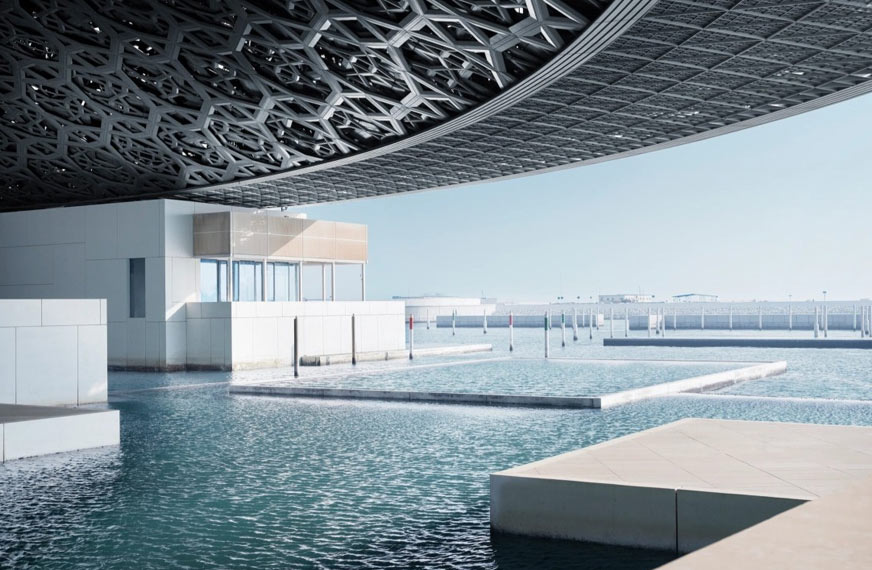
Architecture is more than the process of creating buildings; it is a combination of creativity, functionality, engineering, culture, and human experience. Every structure tells a story through its shape, materials, proportions, lighting, and relationship with its surroundings. In the modern world, people increasingly expect buildings to be attractive while also being practical, sustainable, comfortable, and adaptable. This changing expectation has encouraged architects and designers to explore new ideas and rethink traditional approaches to construction. From private residences and commercial spaces to public buildings and educational facilities, thoughtful planning can transform an ordinary structure into a meaningful environment. Good architectural designs balance visual appeal with everyday usability, ensuring that the finished space supports the needs of the people who use it. As technology continues to develop, architecture is also becoming more responsive, efficient, and environmentally conscious.
Understanding the Foundations of Good Architecture
Successful architecture begins with a clear understanding of purpose. Before a design is developed, architects need to consider how a building will be used, who will occupy it, what activities will take place inside it, and how the structure should interact with its surroundings. These considerations influence everything from the arrangement of rooms to the selection of materials and the placement of windows and entrances. A thoughtful design process avoids unnecessary complexity and focuses on creating spaces that work naturally for their intended users. Proportion, scale, circulation, ventilation, natural lighting, and structural stability all contribute to the success of a project. The most effective architectural designs are therefore not based solely on appearance but also on careful planning and practical decision-making. When beauty and function are considered together, a building can remain useful and visually relevant for many years.
The Role of Functionality
Functionality is one of the most important principles in architectural planning. A beautiful building may lose much of its value if its spaces are difficult to navigate, poorly organized, or unsuitable for the activities taking place within them. Architects carefully examine how people move through a building and how different spaces connect with one another. For example, residential projects may require comfortable transitions between private and shared areas, while offices may need flexible workspaces, meeting rooms, storage, and collaborative environments. Functionality also includes accessibility, safety, maintenance, and future adaptability. A well-planned building can accommodate changing needs without requiring major structural alterations. This approach makes architectural designs more practical because it considers not only how a building looks on completion day but also how it will perform throughout its life. Effective functionality ultimately creates spaces that feel intuitive, comfortable, and purposeful.
Aesthetic Principles and Visual Identity
While functionality is essential, aesthetics remain a central part of architectural expression. The appearance of a building can influence emotions, create a memorable identity, and establish a strong connection between people and their environment. Architects use geometry, texture, color, rhythm, contrast, symmetry, asymmetry, and material combinations to develop a particular visual character. Some projects may emphasize clean lines and simplicity, while others may explore dramatic forms or traditional influences. The choice of finishes can also have a significant impact on the atmosphere of an interior or exterior space. Modern architectural designs often combine simple forms with carefully selected details to create an appearance that feels refined without becoming excessive. A strong visual identity should support the building’s purpose rather than overpower it, allowing aesthetics and practical considerations to work together in a balanced manner.
The Importance of Natural Light
Natural light has a powerful influence on architectural spaces. It can make rooms feel larger, improve visual comfort, highlight materials, and create changing patterns throughout the day. Architects consider the position and size of windows, skylights, openings, courtyards, and other elements to introduce daylight into appropriate areas. Good lighting strategies can also reduce dependence on artificial lighting during daylight hours, which may contribute to lower energy consumption. However, excessive sunlight can create glare, overheating, or damage to sensitive materials, so careful planning is necessary. Shading devices, overhangs, screens, glazing systems, and vegetation can help control solar exposure while maintaining access to daylight. In this way, architectural designs can use natural light as both a functional resource and an aesthetic feature. The interaction between sunlight and surfaces can give a building a different appearance throughout the day, adding depth and character to the overall experience.
Materials and Their Influence on Design
Materials are fundamental to both the appearance and performance of a building. Concrete, steel, timber, brick, stone, glass, and composite products each have different structural, visual, thermal, and maintenance characteristics. Selecting the right materials requires consideration of durability, cost, availability, environmental impact, installation requirements, and long-term performance. Materials can also communicate a particular architectural language. Natural materials may create warmth and connection, while glass and metal can produce a more contemporary appearance. The combination of contrasting textures can make a space visually interesting without relying on excessive decoration. Contemporary architectural designs frequently explore material combinations to create buildings that are distinctive while remaining practical. Careful material selection can also improve a project’s sustainability by reducing replacement requirements, supporting energy performance, and encouraging responsible resource use.
Sustainability in Modern Architecture
Environmental responsibility has become an increasingly important consideration in architectural development. Buildings consume resources during construction and throughout their operational life, making energy efficiency, water conservation, material selection, and waste reduction important design concerns. Architects can incorporate passive strategies such as natural ventilation, daylighting, thermal insulation, shading, and appropriate building orientation to improve environmental performance. Renewable energy systems, efficient equipment, water-saving fixtures, recycled materials, and durable construction methods can further reduce resource consumption. Sustainable design does not necessarily mean sacrificing beauty or comfort. Instead, it encourages architects to find solutions that combine environmental performance with practical and aesthetic goals. Many contemporary architectural designs are developed around the principle that buildings should respond intelligently to environmental conditions rather than relying entirely on mechanical systems. This approach can contribute to healthier interiors, lower operating costs, and more responsible use of natural resources.
Technology and the Changing Design Process
Technology has transformed the way architects develop, communicate, and evaluate ideas. Digital modeling allows professionals to visualize complex structures before construction begins, while computer-aided design tools make it easier to refine dimensions, materials, and spatial relationships. Three-dimensional visualization can help clients understand a proposed project more clearly than traditional drawings alone. Advanced software can also assist with structural analysis, energy simulations, daylight studies, and performance evaluations. Building information modeling allows different project participants to coordinate information and identify potential conflicts earlier in the development process. These technological capabilities make the design process more accurate and collaborative. As digital tools continue to evolve, architectural designs can become increasingly detailed and responsive, enabling architects to investigate possibilities that would have been difficult to visualize or construct using older methods.
Creating Comfortable Interior Environments
Architecture does not end at the exterior walls of a building. Interior spaces play a major role in determining how people experience a structure. Furniture layouts, ceiling heights, circulation routes, acoustics, ventilation, lighting, colors, textures, and finishes all influence comfort and usability. A successful interior should support the activities for which the space is intended while creating an atmosphere that feels welcoming and coherent. Residential interiors may prioritize privacy, relaxation, and flexibility, whereas commercial interiors may focus on productivity, collaboration, customer experience, or brand identity. Architects and interior professionals often work together to ensure that the exterior and interior communicate a consistent design language. Well-considered architectural designs allow interior spaces to feel connected to the overall concept rather than appearing as separate elements. This relationship between structure and interior environment is essential for creating spaces that are both visually appealing and enjoyable to use.
Adaptability and Future Needs
Buildings often remain in use for decades, which means their designs should account for changing requirements. Families grow, businesses expand, technologies change, and patterns of work and living evolve over time. A rigid building may become difficult or expensive to adapt when these changes occur. Flexible layouts, movable partitions, multifunctional rooms, accessible infrastructure, and thoughtful structural planning can make buildings easier to modify. Adaptability also contributes to sustainability because extending the useful life of an existing structure can reduce the need for demolition and reconstruction. Architects increasingly consider how spaces might serve different purposes in the future rather than designing exclusively for immediate needs. Flexible architectural designs can therefore provide long-term value by allowing buildings to respond to changing circumstances. This forward-looking approach can make a project more resilient and useful throughout different stages of its life.
The Human Experience of Architecture
At its heart, architecture is about people. Buildings influence how individuals work, relax, communicate, learn, shop, and interact with one another. A thoughtfully designed environment can support social connection, privacy, concentration, movement, and emotional comfort. Elements such as scale, daylight, views, acoustics, vegetation, materials, and spatial organization can subtly affect the way people experience a place. Architects therefore need to think beyond drawings and measurements and consider the human experience created by their decisions. A successful project should feel appropriate to its users and encourage natural interaction with the environment. The best architectural designs often achieve this without relying on unnecessary visual complexity. Instead, they use proportion, light, material, space, and movement to create environments that feel balanced and meaningful.
Balancing Tradition and Innovation
Architecture constantly evolves, but innovation does not require abandoning established principles. Traditional architectural ideas can provide valuable lessons about proportion, climate responsiveness, craftsmanship, materials, and community needs. Modern techniques can then be used to reinterpret those principles in ways that respond to contemporary lifestyles and technologies. This combination can produce buildings that feel familiar while still offering new solutions. Innovation may involve structural systems, energy strategies, digital fabrication, smart technologies, or entirely new approaches to spatial organization. At the same time, designers need to understand why certain traditional techniques have remained valuable over generations. Strong architectural designs can emerge when historical knowledge and contemporary experimentation are treated as complementary rather than opposing forces. This balance allows architecture to evolve while maintaining a sense of continuity and purpose.
The Future of Architectural Development
The future of architecture will likely be shaped by changing environmental conditions, technological progress, demographic trends, and evolving expectations about how buildings should function. Designers are increasingly exploring efficient construction methods, smart building systems, renewable energy, low-impact materials, adaptable spaces, and data-driven planning. Artificial intelligence and advanced computational tools may further assist architects with analysis, optimization, visualization, and repetitive design tasks. However, technology alone cannot determine what makes a building meaningful. Human judgment, creativity, cultural understanding, and empathy will continue to influence the quality of architectural work. Future architectural designs will need to respond to both measurable performance requirements and the less tangible qualities that make spaces comfortable, memorable, and inspiring. The strongest projects are likely to combine innovation with practical wisdom, creating buildings that serve people while responding responsibly to their broader environment.
Conclusion
Architecture is a multidisciplinary practice that brings together art, science, engineering, technology, environmental awareness, and human-centered thinking. A successful building is not defined simply by an attractive exterior; it must also perform effectively, provide comfort, respond to its surroundings, and remain useful as needs change. From natural lighting and material selection to sustainability and technological innovation, every design decision can influence the final experience of a space. Thoughtful planning helps create structures that are efficient without becoming impersonal and visually distinctive without sacrificing practicality. As society continues to change, architects will have new opportunities to explore innovative solutions while maintaining the fundamental principles of good design. Ultimately, architectural designs are most successful when they connect form and function, respond thoughtfully to human needs, and create spaces capable of providing lasting value.

