


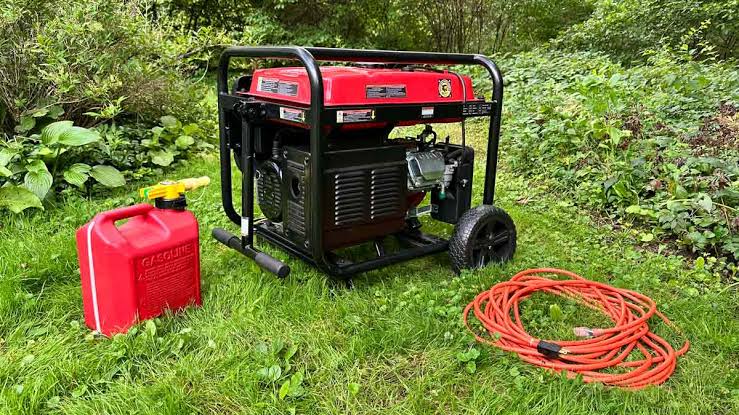
Introduction to Generator Fueling and Power Reliability
Generators are essential machines that provide electricity when the regular power supply is interrupted or unavailable. They are used in homes, commercial buildings, manufacturing facilities, construction sites, outdoor events, and many other settings where dependable electricity is necessary. However, keeping a generator ready for use requires more than simply purchasing equipment and starting the engine. Proper fuel selection, safe handling, regular inspections, and preventive maintenance all contribute to reliable performance. Understanding these responsibilities allows generator owners to prepare for unexpected outages while managing operating costs and reducing avoidable equipment problems.A generator’s performance depends heavily on the quality of its fuel supply and the condition of its fuel system. Using unsuitable fuel, storing it incorrectly, or ignoring maintenance requirements can lead to difficult starting, unstable operation, and expensive repairs. A well-organized generator fueling routine helps prevent these problems by establishing clear procedures for checking fuel levels, maintaining clean supplies, and refueling equipment safely. Whether someone operates a portable generator for occasional emergencies or manages a larger standby power system, consistent fuel management is an important part of maintaining dependable electricity.
Understanding the Importance of Proper Fuel Management
Fuel management involves planning, storing, inspecting, and supplying the fuel needed to operate a generator. Without a suitable plan, equipment may run out of fuel during an outage, leaving essential appliances or business operations without electricity. Monitoring fuel levels and estimating expected consumption can help operators determine how much fuel they need for a particular situation. These preparations are especially valuable when generators support refrigeration, communication equipment, security systems, or other important electrical loads.Proper management also helps protect the engine from contamination and fuel-related problems. Water, dust, and unsuitable storage conditions may affect fuel quality and interfere with reliable operation. Some fuels can deteriorate over time, making it important to follow storage recommendations and inspect supplies before use. Maintaining accurate records of fuel purchases, consumption, and equipment maintenance can make planning easier. By organizing these activities in advance, generator owners can reduce unnecessary delays, improve operational readiness, and manage their resources more effectively.
Exploring Different Types of Generator Fuel
Generators are available with several fuel options, and each type offers specific advantages depending on the intended application. Gasoline generators are popular for portable use because they are available in many sizes and can be convenient for temporary power needs. Diesel generators are commonly used in commercial and industrial environments where the equipment is designed to support substantial electrical loads. Propane generators can provide another practical option for users who have access to suitable storage cylinders or tanks. Natural gas generators may be useful for permanent installations with an appropriate fuel connection.Choosing between these options requires consideration of fuel availability, operating costs, maintenance requirements, and expected running time. Gasoline requires careful storage because of its flammability and potential deterioration, while diesel must be protected against contamination and unsuitable conditions. Propane and natural gas systems require compatible equipment and properly maintained connections. Owners should never substitute one fuel for another unless the generator is specifically designed to accept it. Reviewing the manufacturer’s specifications helps ensure that the selected fuel supports reliable operation without creating unnecessary safety risks.
Preparing a Generator Before Refueling
Preparation is an essential step in maintaining safe generator operation. Before adding fuel, operators should switch off the generator and allow the engine to cool completely according to the manufacturer’s instructions. Refueling a hot engine can create a serious fire hazard if spilled fuel or vapors come into contact with hot surfaces. The area should be free from smoking, open flames, sparks, and other potential ignition sources. Taking these precautions reduces the likelihood of accidents and helps create a safer environment for everyone nearby.The generator should also be inspected for visible leaks, damaged hoses, loose connections, and other signs of deterioration. Fuel containers must be approved for the intended product and should be handled carefully to avoid spills. Operators should never refuel equipment inside enclosed spaces or in areas where fuel vapors can accumulate. Before starting the machine again, secure the fuel cap, check for leaks, and ensure that any spilled fuel has been addressed appropriately. Following a consistent preparation routine helps prevent common mistakes and protects both the equipment and its operator.
Developing a Safe and Consistent Fueling Routine
A reliable refueling routine begins with checking the generator’s fuel requirements and current fuel level. Operators should consult the owner’s manual to confirm the correct fuel type, recommended capacity, and any specific refueling instructions. Using clean transfer equipment can help prevent dirt or water from entering the tank. Fuel should be added carefully without exceeding the recommended fill level, allowing any required space for expansion. Once refueling is complete, the cap should be secured properly and the surrounding area inspected for spills or unusual odors.Establishing a regular generator fueling schedule can be especially helpful when equipment is used frequently or supports essential operations. Operators can record fuel levels before and after use, monitor consumption, and identify when additional supplies may be required. These records also help reveal unexpected changes in fuel usage that could indicate a maintenance issue or altered electrical demand. A written checklist is useful for workplaces where multiple employees share responsibility for operating the generator. Consistency makes the process easier to manage and reduces the chance that important safety steps will be overlooked during an emergency.
Improving Fuel Efficiency and Reducing Expenses
Fuel consumption is a major consideration for anyone who depends on a generator for regular or emergency electricity. A generator that uses more fuel than expected can increase operating expenses and require frequent refueling. One way to improve efficiency is to select equipment with a capacity appropriate for the expected electrical demand. An undersized generator may struggle to handle connected appliances, while an oversized model may operate inefficiently under certain low-load conditions. Reviewing rated output, starting wattage, and manufacturer performance information helps users choose suitable equipment.Maintenance also plays an important role in fuel efficiency. Dirty air filters, worn spark plugs, neglected oil changes, and fuel system problems can affect engine performance. Operators should follow the recommended service schedule and address mechanical issues before they become more serious. Turning off unnecessary appliances can reduce electrical demand and may lower fuel consumption, depending on the generator’s design and operating conditions. Monitoring fuel usage over several operating sessions provides useful information for planning future requirements. These measures can help owners control costs while maintaining reliable power production.
Proper Fuel Storage for Long-Term Reliability
Safe fuel storage is important for maintaining fuel quality and reducing the risk of fire or environmental contamination. Gasoline and diesel should be stored in approved containers or tanks designed for the specific fuel. Containers must be clearly identified, properly closed, and protected from physical damage. Storage arrangements should comply with applicable regulations and manufacturer recommendations, including requirements concerning ventilation, separation from ignition sources, and permitted quantities. Fuel should never be stored in unsuitable household containers or in locations where leaks could contaminate living spaces or drainage systems.Long-term storage also requires attention to fuel condition. Gasoline may deteriorate over time, while diesel can develop contamination problems when exposed to moisture or unsuitable conditions. Owners should follow the supplier’s guidance regarding storage duration, fuel rotation, and approved stabilizing products. Before using stored fuel, inspect the container for damage and consider whether the fuel remains suitable for the intended equipment. A sensible storage plan helps ensure that fuel is available when needed without creating unnecessary hazards. Proper storage procedures also reduce waste and support dependable generator operation.
Common Generator Fueling Mistakes to Avoid
Many generator problems occur because operators overlook basic safety and maintenance requirements. One common mistake is using the wrong fuel type or ignoring the specifications provided by the manufacturer. Another is refueling while the engine is running or still hot, which increases the risk of fire. Overfilling the tank, leaving the cap loose, or allowing dirt to enter the fuel system can also affect safe and reliable operation. These mistakes are avoidable when operators follow a clear procedure and take sufficient time to inspect the equipment.Poor storage practices can create additional problems. Fuel kept in unsuitable containers may become contaminated, while excessive heat and exposure to ignition sources increase safety risks. Operators should never ignore visible leaks, unusual fuel odors, or repeated engine stalling. If a problem is suspected, shut down the equipment when safe and consult the manufacturer’s troubleshooting instructions. Repairs involving damaged fuel lines, injectors, pressurized components, or gas connections may require a qualified technician. Preventing mistakes is generally more effective and less expensive than dealing with equipment damage after an incident.
Maintaining the Generator Fuel System
A generator’s fuel system should be inspected regularly to ensure that all components remain in suitable condition. Depending on the model, this may include the tank, fuel lines, filters, caps, pumps, injectors, carburetor, and associated connections. Damaged hoses, loose fittings, corrosion, or visible leakage should be addressed before the equipment is returned to service. Fuel filters may require periodic replacement because accumulated dirt can restrict fuel delivery and affect engine performance. Following the manufacturer’s maintenance schedule helps ensure that inspections and replacements occur at appropriate intervals.Preventive maintenance is particularly important for generators that remain unused for long periods. Equipment may require periodic testing, battery checks, lubrication, or specific fuel system preparation before storage. The correct procedure varies by generator design, so owners should not assume that every model requires the same treatment. Keeping records of operating hours, servicing, repairs, and fuel purchases helps identify recurring issues and plan future maintenance. Regular attention to these details supports reliable performance and may extend the useful life of properly maintained equipment.
Generator Fuel Planning for Emergency Situations
Emergency preparedness requires a realistic understanding of how much electricity a generator must provide and how long it may need to operate. Households may need backup power for refrigeration, lighting, communication devices, and selected essential appliances. Businesses may depend on computers, security systems, production equipment, or other critical electrical loads. Identifying these requirements helps owners select suitable generator capacity and estimate the fuel needed for expected operating periods. Consumption figures should come from the manufacturer’s specifications and should reflect the anticipated load whenever possible.A practical emergency plan should include fuel availability, approved storage arrangements, inspection schedules, and clear operating responsibilities. Owners should check the generator before severe weather or other foreseeable disruptions rather than waiting until the power supply fails. It is also important to prepare for situations where fuel deliveries or local supplies become limited. A consistent generator fueling plan can help prevent unnecessary interruptions and improve readiness during extended outages. However, fuel planning must always be combined with safe equipment placement, proper ventilation, and appropriate electrical precautions.
Environmental Responsibility and Efficient Fuel Use
Responsible generator operation can reduce fuel waste and help prevent environmental damage. Spilled gasoline or diesel can contaminate soil and water, while improper disposal of unwanted fuel can create additional hazards. Fuel should never be poured into drains, onto the ground, or into ordinary household waste. Instead, operators should follow local disposal requirements and use an appropriate hazardous-waste collection service when necessary. Containers should be checked regularly for leaks, and any spill should be handled according to the relevant safety guidance.Fuel-powered generators also produce exhaust emissions, including carbon monoxide. This gas is colorless, odorless, and potentially fatal, making correct generator placement essential. Portable generators must be operated outdoors, away from doors, windows, and ventilation openings, following the manufacturer’s instructions and applicable safety recommendations. They should never be operated inside homes, garages, basements, or other enclosed spaces. Maintaining the engine, reducing unnecessary operating time, and choosing appropriately sized equipment can help limit waste. These practices support responsible resource use while preserving the generator’s practical benefits.
Choosing the Right Generator Maintenance Schedule
A suitable maintenance schedule depends on the generator’s design, operating hours, environment, and intended use. Equipment that runs regularly may require more frequent servicing than a standby unit used only occasionally. Owners should follow the manufacturer’s recommendations for oil changes, air filter cleaning, fuel system inspections, spark plug replacement where applicable, and other service tasks. Ignoring these requirements may reduce performance and increase the likelihood of unexpected failure during an outage.A written maintenance calendar can make these responsibilities easier to manage. Operators can record service dates, note unusual sounds or operating behavior, and schedule professional inspections when necessary. Before storing a generator for an extended period, review the manual for instructions concerning fuel preparation, battery care, and protection against moisture or deterioration. Before returning it to regular service, complete the required checks and confirm that the machine is safe to operate. Combining maintenance planning with responsible fuel management provides a practical foundation for dependable backup electricity.
Conclusion
Generators are valuable sources of backup electricity, but their performance depends on correct operation, appropriate fuel selection, and consistent maintenance. Safe refueling procedures, suitable storage arrangements, regular inspections, and realistic consumption estimates can help prevent common problems and control operating costs. Owners should also understand their generator’s electrical capacity, follow the manufacturer’s recommendations, and maintain a practical plan for unexpected power interruptions. These measures improve readiness and reduce the risk of avoidable equipment damage.A well-organized generator fueling routine makes it easier to monitor supplies, maintain fuel quality, and prepare equipment for reliable operation. Fuel handling should always prioritize fire prevention, environmental protection, and the safety of everyone nearby. Portable generators must be operated outdoors with appropriate protection against carbon monoxide exposure, while repairs to complex fuel systems should be handled by qualified professionals. By applying these principles consistently, generator owners can improve efficiency, extend equipment life, and maintain dependable backup power when it is needed most.

