


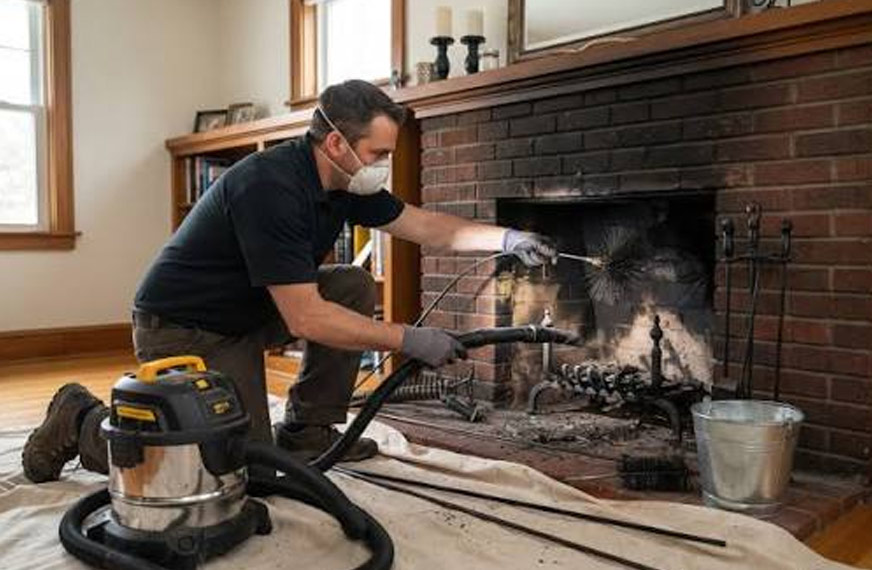
A chimney is an essential part of many fireplaces and heating appliances because it provides a pathway for smoke, gases, and combustion byproducts to leave the building. Although chimneys are built for repeated use, they still require proper maintenance to remain effective and safe. Soot, creosote, ash, leaves, nests, and other debris can gradually accumulate inside the flue and affect airflow. When buildup becomes significant, it may contribute to poor draft, unpleasant odors, reduced fireplace performance, or other concerns. Regular maintenance helps identify these issues before they become more difficult to manage. For this reason, chimney cleaning should be considered an important part of responsible fireplace and heating-system maintenance.
Understanding the Purpose of a Chimney
A chimney is designed to move combustion gases away from occupied areas while helping a fireplace or compatible heating appliance receive the airflow needed for proper operation. Warm gases naturally rise through the flue, creating a draft that assists the movement of smoke and other byproducts toward the outside. The condition of the flu can influence how effectively this process works. If deposits or debris reduce the available passage, airflow may become less predictable. Chimney cleaning can remove accumulated materials and help maintain a clearer flue when buildup is responsible for restricting airflow. However, chimney performance also depends on appliance design, ventilation, chimney height, and structural condition.
Common Causes of Chimney Buildup
Different types of material can accumulate inside a chimney depending on how the system is used and what type of fuel is burned. Wood-burning fireplaces can produce soot, ash, and creosote, while outdoor conditions may introduce leaves, twigs, dirt, and other debris. Birds and small animals may also enter an inadequately protected chimney and build nests inside the flue. Moisture can contribute to deterioration of certain materials and may cause additional debris to develop over time. Chimney cleaning helps remove many types of accumulated material, but the exact cleaning approach should depend on the condition and construction of the chimney. A proper inspection can determine what type of buildup is present.
Understanding Creosote Accumulation
Creosote is a residue associated with the combustion of wood and can gradually form on the interior surfaces of a chimney. Its appearance and consistency can vary depending on combustion conditions and the temperature of the flue. Some deposits may be relatively loose and flaky, while others can become hard, sticky, or glazed. Heavy accumulation deserves particular attention because creosote can be combustible. Chimney cleaning can help remove deposits from accessible portions of the flue, but cleaning frequency depends on usage, fuel, appliance operation, and other factors. Regular inspection is useful because significant buildup may exist even when the fireplace appears to operate normally.
Signs That Maintenance May Be Needed
A change in fireplace behavior can sometimes indicate that the chimney requires attention. Persistent smoky odors, unusual smoke entering the room, poor draft, difficulty maintaining a fire, or visible soot around the fireplace can all justify further inspection. Debris falling into the firebox or evidence of birds and animals can also indicate an obstruction. Chimney cleaning may address these symptoms when deposits or debris are the underlying cause, but similar signs can result from structural damage, ventilation issues, appliance problems, or a damaged liner. For that reason, unusual fireplace behavior should be investigated instead of automatically assuming that cleaning is the only solution.
The Importance of Good Airflow
Adequate airflow is important for the operation of a chimney and connected combustion appliance. A flue that contains excessive deposits or an obstruction may not provide the same open passage required for effective draft. Chimney cleaning can remove accumulated materials that are interfering with the flue’s internal space. Better airflow may support more consistent fireplace performance, although cleaning cannot correct every possible draft issue. If a fireplace continues to smoke excessively or has poor draft after maintenance, other factors should be examined. Chimney design, appliance condition, room ventilation, damper position, and flue configuration can all affect how effectively combustion gases move through the system.
Protecting Indoor Air Conditions
One of the main purposes of a chimney is to keep combustion products moving away from indoor living areas. If a flue becomes obstructed or a connected appliance does not draft correctly, smoke and combustion gases may not leave the building as intended. Chimney cleaning can remove certain obstructions caused by soot, creosote, nests, or outdoor debris. However, cleaning is only one part of maintaining safe indoor conditions. Proper ventilation, appliance maintenance, suitable carbon monoxide detectors, and regular inspections are also important. If smoke repeatedly enters the living space or there are concerns about combustion gases, the system should be professionally evaluated before continued use.
Why Professional Inspection Is Valuable
Many chimney problems are not visible from the fireplace opening. Cracked liners, damaged masonry, corrosion, loose components, water intrusion, and hidden obstructions may require a more detailed inspection. Chimney cleaning removes deposits but does not automatically repair structural problems. A professional inspection can help identify conditions that require additional work. Depending on the chimney, the inspection may include the firebox, damper, flue, liner, cap, flashing, exterior masonry, and surrounding components. Identifying these conditions early can help property owners address problems before they become more extensive and expensive.
Cleaning Different Chimney Systems
Chimneys can be made from masonry, metal, factory-built components, or combinations of materials. Each type may have different cleaning requirements and limitations. The tools and techniques used should be suitable for the particular construction and the type of deposits present. Chimney cleaning performed with inappropriate equipment may damage certain liners or surfaces. A qualified technician can determine which tools are appropriate and how much cleaning is necessary. Understanding the construction of the chimney before work begins helps ensure that deposits are removed without unnecessarily damaging components that are still in good condition.
The Role of the Chimney Cap
A chimney cap can help protect the flue from rain, leaves, branches, birds, and other outdoor debris. A properly designed cap allows combustion gases to escape while reducing the opportunity for unwanted materials to enter the chimney. Over time, caps can become damaged, displaced, corroded, or blocked by debris. Chimney cleaning may reveal that a buildup problem is related to an inadequate or damaged cap. Inspecting the cap during routine chimney maintenance can therefore provide valuable information. Repairing or replacing a damaged cap can help reduce outdoor debris and animal entry between maintenance appointments.
Preventing Animal Nests and Obstructions
An unused or poorly protected chimney can become an attractive location for birds and other animals. Nests may contain twigs, leaves, feathers, and other materials that can partially or completely restrict the flue. Chimney cleaning may be required when such an obstruction is discovered, but wildlife should always be handled responsibly. Active nests should not be disturbed without considering applicable wildlife protection requirements. Installing a suitable chimney cap can help prevent future animal entry while maintaining an appropriate outlet for combustion gases. Periodic inspections can also identify signs of nesting activity before a significant obstruction develops.
Addressing Moisture and Water Damage
Water is another factor that can affect chimney condition. Moisture may enter through damaged caps, deteriorated flashing, cracked masonry, open mortar joints, or other exterior defects. Continued water exposure can contribute to masonry deterioration, corrosion, damaged liners, and other structural problems. Chimney cleaning can remove deposits and debris, but it cannot correct the source of water intrusion. If a chimney shows signs of dampness, staining, crumbling materials, or water-related deterioration, the exterior should be evaluated. Resolving moisture problems can help protect the chimney and reduce the need for more extensive repairs in the future.
Preparing a Fireplace Before Seasonal Use
A fireplace that has been unused for several months should be checked before it is operated again. During periods of inactivity, dust, leaves, animal nests, and other debris may enter the chimney. Chimney cleaning can help remove unwanted materials and prepare the flue for continued use when buildup has occurred. A professional inspection can also identify structural concerns that may have developed since the previous season. This is especially useful when a fireplace has an unknown maintenance history or when a property has recently changed ownership. Taking time to inspect the system before use can help identify problems before they affect fireplace operation.
Improving Fireplace Performance
The condition of the chimney can influence how a fireplace operates. A heavily restricted flue may make it harder for smoke and gases to move upward, potentially causing poor draft or excessive smoke. Chimney cleaning can improve the available passage when accumulated deposits are contributing to the restriction. Better airflow may help a fireplace operate more consistently, but other factors also influence performance. Firewood quality, damper position, appliance design, room ventilation, chimney height, and system configuration can all affect combustion and draft. If problems continue after cleaning, a broader evaluation can help identify the actual cause.
Choosing an Appropriate Maintenance Schedule
Chimney maintenance should be based on the condition and use of the individual system rather than assuming that every chimney requires the same schedule. Factors such as how frequently the fireplace is used, what fuel is burned, how the appliance operates, and how quickly deposits form can all influence maintenance needs. Chimney cleaning may be needed more frequently for heavily used wood-burning systems than for fireplaces that are used only occasionally. Regular inspection can help determine when service is appropriate. Keeping records of previous inspections, cleaning, and repairs can also make it easier to establish a practical long-term maintenance routine.
Preparing the Fireplace Area
Before professional maintenance begins, the area around the fireplace should be prepared to protect nearby surfaces and belongings. Furniture, rugs, decorative items, and other objects may need to be moved or covered. Technicians generally use appropriate containment and cleaning equipment to manage soot and debris during the process. Chimney cleaning can produce loose particles if deposits are removed from the flue, so proper preparation helps prevent unnecessary mess. Property owners should also mention delicate flooring, furnishings, or other interior features before work begins. Good preparation allows the technician to work efficiently while helping protect the surrounding space.
Safety Considerations During Maintenance
Chimney maintenance can involve working at heights, accessing rooftops, handling soot, and using specialized tools. Exterior chimney access can be particularly hazardous when roofs are steep, wet, damaged, or difficult to navigate. Chimney cleaning should therefore be approached with suitable safety equipment and procedures. Property owners who do not have the appropriate equipment or experience may be better served by hiring a qualified professional. Attempting to work from an unsafe roof or use unfamiliar tools can create unnecessary hazards. Proper safety practices should always be considered before beginning any chimney maintenance task.
Cleaning Versus Repairing Structural Problems
It is important to distinguish between deposits that can be removed and defects that require repair. Soot and creosote can often be addressed through appropriate cleaning, but cracked liners, deteriorated masonry, damaged flashing, or severely corroded components require different solutions. Chimney cleaning cannot restore a structurally damaged chimney to proper condition by itself. A professional inspection can help determine whether cleaning is sufficient or whether additional repairs are needed. Addressing structural problems before continued fireplace use can be important for maintaining the integrity of the entire system. A complete assessment provides a better understanding of what work is actually necessary.
Common Chimney Maintenance Mistakes
One frequent mistake is waiting until there is an obvious problem before inspecting the chimney. Deposits can build up gradually without producing dramatic symptoms. Another mistake is assuming that a chimney cap eliminates the need for maintenance. Although a cap can reduce outdoor debris and animal entry, it does not prevent soot or creosote from forming during normal combustion. Using unsuitable tools or cleaning products can also damage certain chimney components. Chimney cleaning should be treated as a specialized maintenance activity, particularly when the chimney has heavy buildup, difficult access, or a history of structural concerns.
Benefits of Consistent Chimney Care
Regular chimney maintenance can help property owners stay aware of the system’s condition and address developing problems earlier. Chimney cleaning can remove accumulated soot, creosote, ash, and debris that may otherwise restrict airflow or create maintenance concerns. Routine inspections can also identify damaged caps, deteriorating masonry, moisture problems, and other defects. Maintaining the chimney consistently may be easier and less disruptive than responding to a major problem after it develops. Keeping service records can provide a useful history of repairs and inspections. This information can help technicians understand previous conditions and make better recommendations for future maintenance.
When Professional Service Makes Sense
Professional assistance is particularly useful when there is heavy creosote accumulation, an unknown maintenance history, suspected animal nesting, visible structural damage, persistent smoke problems, or difficult access. Experienced technicians have specialized equipment designed to inspect and maintain chimney systems. They can determine whether deposits can be removed through standard maintenance or whether repairs are required. When choosing a service provider, property owners should ask about the inspection process, cleaning methods, safety procedures, and documentation provided after service. Clear communication helps ensure that the work addresses the actual condition of the chimney rather than focusing only on visible deposits.
Building a Long-Term Maintenance Routine
A good chimney maintenance routine should include more than occasional cleaning. Property owners can monitor fireplace usage, schedule inspections, check the chimney cap, watch for exterior damage, and keep records of previous service. Chimney cleaning can then be performed according to the actual condition of the system and the amount of buildup discovered. Unusual odors, visible debris, changes in draft, excessive smoke, or other performance changes should be treated as reasons for further evaluation. A proactive maintenance approach can help property owners identify concerns earlier. Consistent care also makes it easier to plan repairs and avoid unexpected maintenance problems.
Conclusion
A well-maintained chimney provides an important pathway for smoke and combustion gases to leave a fireplace or compatible heating appliance. Over time, soot, creosote, ash, animal nests, leaves, and other debris can accumulate inside the flue and affect airflow or fireplace performance. Chimney cleaning can help remove these materials and maintain a clearer passage when buildup is contributing to the problem. However, cleaning should be combined with regular inspections, chimney cap maintenance, moisture control, appliance care, and attention to structural conditions. Property owners should seek professional assistance when buildup is extensive, access is difficult, or damage is suspected. With consistent maintenance and careful monitoring, a chimney can remain functional, cleaner, and better prepared for dependable fireplace operation.

