


Flooring is an important part of any interior or working environment because it contributes to appearance, safety, cleanliness, and everyday functionality. Surfaces that experience regular foot traffic, equipment movement, spills, moisture, or general wear need a flooring solution that can provide reliable performance while maintaining an attractive appearance. Decorative resin systems have become a practical option for many applications because they can combine a seamless surface with customizable colors and patterns. A flake floor uses a resin coating combined with decorative flakes and a protective topcoat to create a finished surface that can be both visually appealing and durable. With appropriate preparation, installation, and maintenance, this type of flooring can provide a long-lasting solution for spaces that require a balance of style and performance.
Understanding Flake Floor Coatings
A decorative flake flooring system is generally constructed using multiple layers rather than a single coating. The process usually begins with preparing the existing concrete or suitable substrate so contaminants, weak materials, and imperfections can be addressed. A base resin is then applied across the surface, followed by decorative flakes that are broadcast into the wet coating. Once the appropriate curing stage is reached, excess flakes are removed and the surface is prepared for a protective topcoat. The topcoat seals the system and helps protect the decorative layer from everyday wear. A professionally installed flake floor can therefore provide a continuous finished surface with a distinctive decorative appearance and practical protective qualities.
Importance of Proper Surface Preparation
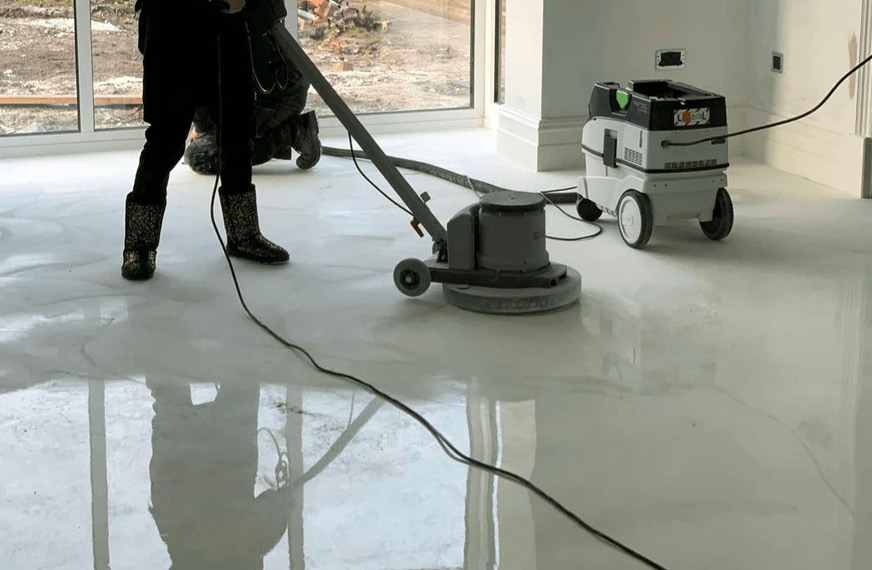
The condition of the underlying surface has a major influence on the success of a flooring installation. Concrete can contain dust, oil, grease, moisture, old coatings, cracks, and other contaminants that may interfere with adhesion. If these problems are ignored, the new coating can eventually peel, blister, crack, or separate from the substrate. Surface preparation may include mechanical grinding, cleaning, repairing cracks, removing contaminants, and addressing existing coatings. Moisture conditions should also be evaluated because excessive moisture beneath a resin system can create serious problems after installation. A properly prepared surface gives the coating a stronger foundation and helps the finished flake floor achieve better adhesion and durability.
Choosing the Right Coating System
Not every resin coating is suitable for every environment. Different products can provide different levels of hardness, flexibility, chemical resistance, abrasion resistance, curing speed, and UV stability. The appropriate system should be selected according to how the floor will be used. A surface exposed to heavy equipment, frequent vehicle traffic, or aggressive chemicals may require a more specialized coating than an area used mainly for light foot traffic. Temperature and moisture conditions should also be considered. Choosing products based on actual performance requirements rather than appearance alone can help improve long-term results. A well-designed flake floor begins with a coating system that is appropriate for the substrate and expected conditions.
Selecting Decorative Flakes
One of the most appealing features of this flooring system is the ability to customize the decorative appearance. Flakes are available in many color combinations, sizes, and patterns, allowing the finished floor to complement the surrounding environment. Neutral combinations can create a subtle appearance, while contrasting colors can produce a stronger visual effect. Flake size can also influence the character of the floor, with smaller particles creating a more uniform appearance and larger particles producing more noticeable variation. The selected combination should be considered alongside walls, fixtures, furniture, cabinets, and other design elements. A carefully planned flake floor can provide visual interest without overwhelming the surrounding space.
Creating Consistent Flake Coverage
The way decorative flakes are distributed can significantly affect the finished appearance. Uneven application can result in areas with excessive flakes and other areas with insufficient coverage, creating an inconsistent pattern. Professional installers use controlled broadcasting techniques to achieve the desired distribution. The quantity of flakes used can also affect texture and visual density. Some systems are designed for a lighter decorative application, while others use a heavier broadcast to create a more textured appearance. Consistency becomes particularly important across large surfaces because variations in density can be easily noticed. Careful application helps ensure that the finished floor has the intended appearance throughout the entire area.
Durability and Everyday Performance
A properly installed resin flooring system can provide strong resistance to many forms of everyday wear. Depending on the selected products, the surface may be designed to withstand foot traffic, vehicle movement, equipment use, minor impacts, and certain types of chemical exposure. The protective topcoat plays an important role because it shields the decorative layer and helps resist abrasion and staining. However, durability is influenced by more than the coating material itself. Surface preparation, application quality, curing conditions, and maintenance all contribute to long-term performance. A flake floor that is correctly installed and maintained can remain functional and attractive for an extended period.
Creating a Seamless Surface
One of the practical characteristics of resin-based flooring is its ability to create a continuous surface without traditional tile grout lines. Fewer joints can make the floor easier to clean and can reduce areas where dirt and moisture might collect. A seamless appearance can also make a room feel more organized and visually consistent. However, the underlying substrate still matters because cracks or movement in the concrete can affect the coating system. Existing structural problems should be addressed before installation whenever possible. Proper preparation and suitable materials help create a more reliable flake floor that can maintain its appearance and function under normal conditions.
Improving Surface Safety
Safety should be considered when selecting any flooring system. A smooth resin surface can become slippery under certain wet conditions, so the appropriate texture or slip-resistant additive may be required for some environments. Decorative flakes can contribute some surface texture, but the final level of traction is also influenced by the topcoat and any aggregate added to the system. The appropriate finish depends on how the space is used and the conditions the floor is likely to encounter. A professional flooring provider can help determine the appropriate balance between traction, appearance, durability, and cleanability. Properly designed flooring should support everyday use without creating unnecessary maintenance challenges.
Applying the Protective Topcoat
The topcoat is an essential component of a complete decorative flooring system. It protects the flakes from direct wear and seals the surface against many everyday contaminants. Different topcoats may provide different levels of gloss, chemical resistance, abrasion resistance, and UV stability. The appropriate choice depends on the expected use and environmental conditions. Application should follow the manufacturer’s specifications for mixing, coverage, thickness, and curing. An improperly applied topcoat can affect both appearance and performance. For this reason, professional installation can be valuable when creating a flake floor that is expected to withstand regular use for many years.
Allowing Proper Curing Time
Curing is an important stage that should never be rushed. A newly installed floor may appear dry on the surface while the material underneath continues to cure. Walking on the floor, moving heavy equipment, or placing objects on it too soon can cause marks or damage. Curing time depends on the products used, temperature, humidity, ventilation, application thickness, and other environmental conditions. The manufacturer’s recommendations should always be followed before normal traffic is allowed. Allowing adequate curing time gives the resin system an opportunity to develop its intended properties. This can contribute significantly to the long-term performance of the finished flooring.
Maintaining the Finished Floor
Regular maintenance can help preserve both the appearance and performance of a decorative resin surface. Loose dirt and abrasive particles should be removed regularly because they can gradually wear the topcoat when repeatedly walked or driven over. Spills should be cleaned promptly, especially when they involve chemicals, oils, or other substances that may affect the coating. Routine cleaning can generally be performed using suitable non-abrasive methods and products recommended for the flooring system. Harsh chemicals and aggressive cleaning tools should be avoided unless they have been approved for the specific coating. Consistent care can help keep a flake floor looking clean while protecting the surface from unnecessary wear.
Handling Repairs and Damage
Even a durable flooring system can experience damage under extreme conditions. Heavy impacts, sharp objects, excessive abrasion, structural movement, or unsuitable chemicals may cause chips, scratches, or other defects. Small problems should be evaluated promptly rather than ignored. Depending on the extent of the damage, repairs may involve cleaning the affected area, preparing the substrate, applying compatible resin materials, and restoring the protective finish. Matching decorative flakes can require additional care because repaired areas should blend with the surrounding pattern. Prompt attention can help prevent minor defects from developing into larger maintenance problems and can extend the useful life of the flooring system.
Managing Moisture Before Installation
Moisture is one of the most important factors to evaluate before applying resin flooring over concrete. Excess moisture can interfere with adhesion and may lead to bubbling, blistering, delamination, or other failures. A professional installer may conduct appropriate moisture testing before beginning the project. If excessive moisture is discovered, additional preparation or a suitable moisture mitigation system may be required. Environmental conditions during installation should also be considered because temperature and humidity can influence curing. Addressing moisture concerns before installing a flake floor can help prevent expensive problems and improve the reliability of the completed system.
Applications for Decorative Flake Flooring
Decorative resin flooring can be suitable for many areas where a seamless, attractive, and durable surface is desired. Potential applications include garages, workshops, utility rooms, storage spaces, recreational areas, commercial interiors, and other environments where the selected coating system is appropriate. The exact design and material specifications should be based on the conditions expected in each space. Heavy-use areas may require specialized products with enhanced abrasion or chemical resistance, while lighter-use areas may allow greater flexibility in design choices. The versatility of a flake floor comes from its ability to combine decorative customization with the protective characteristics of resin-based coatings.
Benefits of Professional Installation
Professional installation can help improve consistency throughout the entire flooring process. Experienced installers understand how to prepare the substrate, identify moisture concerns, select compatible materials, mix coatings correctly, broadcast flakes evenly, apply protective topcoats, and manage curing conditions. Small mistakes during any of these stages can affect the final appearance or durability of the floor. Professional installers can also identify problems before they become expensive failures. For property owners who want predictable results, experienced workmanship can be an important part of the overall flooring investment. A properly installed flake floor can provide a more reliable combination of appearance, performance, and maintenance benefits.
Considering Long-Term Value
The value of a flooring system should be considered beyond its initial visual impact. A durable and easy-to-maintain surface can reduce ongoing cleaning challenges and minimize the need for frequent refinishing. The total value depends on material quality, preparation, installation, expected traffic, environmental conditions, and maintenance practices. Choosing a system solely because it has a low initial price may not provide the desired long-term performance if the materials are unsuitable for the application. A carefully planned flake floor can provide a combination of decorative appeal, practical durability, and relatively straightforward maintenance. Considering the complete lifecycle of the flooring can help property owners make a more informed investment.
Final Thoughts
Decorative resin flooring can provide a practical way to improve the appearance and functionality of a suitable concrete surface. From careful preparation and coating selection to decorative flake application, protective topcoating, curing, and regular maintenance, every stage contributes to the final result. Moisture, traffic, chemical exposure, surface condition, and cleaning requirements should all be considered before installation begins. With suitable products and professional workmanship, a flake floor can offer a seamless, attractive, and durable surface that supports everyday use. Proper maintenance and timely repairs can further protect the investment and help preserve the flooring’s appearance and performance over the long term.

