


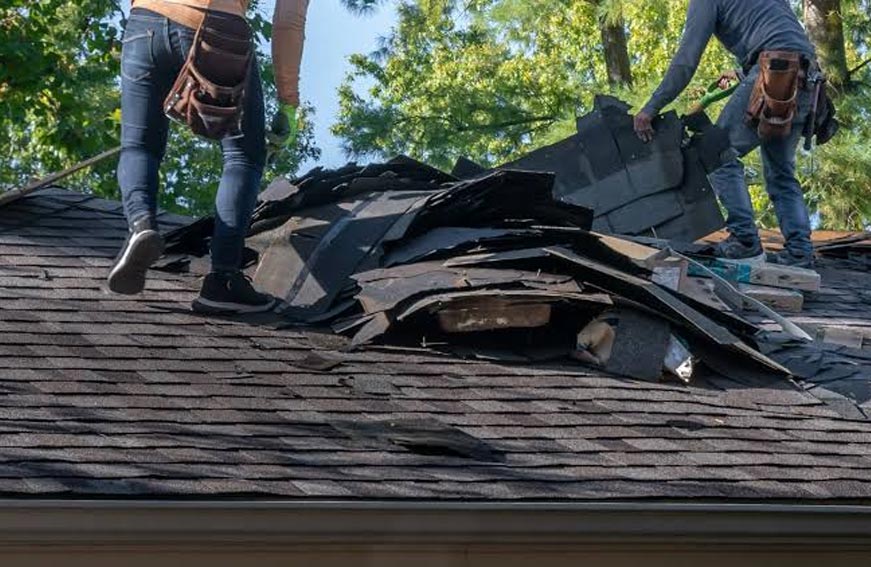
Severe weather can place considerable stress on a home’s exterior, particularly the roofing system that remains exposed to wind, rain, hail, falling debris, and sudden changes in weather conditions. Even when damage is not immediately visible from the ground, a storm can compromise shingles, flashing, gutters, soffits, fascia, underlayment, decking, and other components that work together to protect the structure. Small openings created by wind or impact can allow water to enter gradually, potentially leading to damaged insulation, stained ceilings, deteriorated wood, and other problems if they are not addressed promptly. For homeowners, responding to storm damage is therefore about more than repairing a few visible materials. A thorough evaluation should determine the extent of the damage, identify vulnerable areas, and establish whether individual repairs or a larger restoration project is appropriate. Professional storm-related roofing services can help property owners move through this process in an organized way while restoring the protective performance and appearance of the roofing system.
Understanding How Storms Affect Roofing Systems
Different types of severe weather can affect roofing systems in different ways. Strong winds can loosen shingles, damage flashing, expose vulnerable edges, or cause debris to strike the roof. Hail can create impact marks, fractures, dents, and surface damage that may not be obvious immediately after the storm. Heavy rainfall can enter through openings created by wind or impact, while falling branches can puncture roofing materials and damage underlying structures. Repeated storms can also accelerate existing deterioration, especially when a roof already contains aging or weakened components. Damage can extend beyond the primary roof surface as well. Gutters may become bent or detached, downspouts can shift, fascia may be damaged, and soffits can develop openings or other deterioration. Because these components are interconnected, a complete post-storm inspection should consider the entire exterior system rather than focusing only on shingles. Understanding the different ways weather can affect roofing materials allows homeowners to recognize why professional evaluation is important after significant storms.
Why a Post-Storm Inspection Matters
A professional inspection is one of the most important steps after a severe weather event because not all roofing damage can be identified from ground level. Some damaged shingles may remain in place while their protective performance has been compromised. Flashing may become slightly displaced, small punctures may be hidden beneath debris, and impact damage can sometimes be difficult to identify without a closer examination. An experienced roofing professional can inspect visible roofing materials, roof edges, flashing, valleys, penetrations, gutters, soffits, fascia, and other relevant components. The inspection can also help determine whether the observed damage appears localized or widespread. Gikas Roofing provides roof inspections as part of its roofing services and describes its inspection process as an evaluation of the roof’s condition, including components such as decking, underlayment, ventilation, and shingles.Storm restoration A detailed inspection can give homeowners a clearer understanding of what happened during the storm and what work may be needed to restore the system.
Identifying Hidden Water Damage
One of the most concerning consequences of storm damage is water intrusion. A roof may appear reasonably intact while a small opening allows moisture to enter the roofing assembly or attic. Once inside, water can travel along decking, insulation, rafters, or other building components before becoming visible inside the home. This means the location of an interior water stain does not necessarily identify the exact point where water entered the roof. Persistent moisture can contribute to damaged insulation, deteriorated wood, unpleasant odors, and other problems if it remains unresolved. After a storm, homeowners should pay attention to ceiling stains, damp walls, dripping fixtures, musty odors, or unusual moisture in attic spaces. These signs should not automatically be assumed to be minor because hidden water can continue causing damage even after the weather clears. Professional inspection and timely repairs can help identify the entry point and reduce the chance of additional deterioration.
Repairing Damaged Roofing Materials
The appropriate repair method depends on the type and extent of damage. A limited number of damaged shingles may be replaceable, while more widespread deterioration could require a larger section of roofing to be restored. Damaged flashing around chimneys, vents, skylights, and roof transitions may also need replacement or resealing. If storm damage has reached the decking or underlying components, simply replacing the exterior covering may not address the complete problem. Professional roofers can evaluate the condition of the materials beneath the visible surface and determine what needs to be repaired. The objective should be to restore the roof’s ability to shed water and withstand normal environmental exposure. Repairs should also be completed using compatible materials and appropriate installation methods. Addressing damage correctly can help prevent small storm-related issues from becoming recurring leaks or larger structural concerns.
When Roof Replacement May Be Necessary
Not every storm-damaged roof requires complete replacement, but severe weather can reveal conditions that make replacement a more practical option. If a roof is already near the end of its expected service life, widespread storm damage may make repeated repairs less effective as a long-term strategy. Extensive shingle loss, significant impact damage, deteriorated decking, repeated leaks, or widespread material failure can all influence the decision. The condition of the existing roof should be evaluated before deciding between repair and replacement. Homeowners should also consider whether previous repairs have already addressed multiple areas of the system. When damage is extensive, installing a new roofing system may provide more consistent protection than attempting to patch numerous compromised areas. A professional assessment can explain the condition of the roof and outline the work required, allowing homeowners to understand the difference between localized repairs and a complete replacement project.
Addressing Gutters After Storm Damage
Storms can affect gutters just as they affect the roof itself. High winds, falling branches, heavy debris, and impact can bend gutter sections, loosen fasteners, damage joints, or disconnect downspouts. When gutters are damaged, water may not move away from the roof correctly, increasing the possibility of overflow along roof edges and around the property. Damaged gutters can also affect fascia because improperly supported or detached sections may pull against the roof edge. After severe weather, gutters should be checked for sagging, separation, dents, blockages, and changes in alignment. Downspouts should also be inspected to ensure they remain securely connected and capable of directing water away from the structure. Gikas Roofing offers gutter systems as part of its exterior services, including seamless aluminum and copper options. Maintaining functional gutters after storm repairs can help complete the property’s overall water-management system rather than leaving a repaired roof connected to damaged drainage components.
Inspecting Soffit and Fascia
Soffit and fascia can experience storm-related damage that is easy to overlook because these components are positioned around the roof perimeter. Wind can loosen sections, while flying debris or falling branches can cause direct impact. Water can also enter through openings created when these materials become displaced. Damaged fascia may affect gutter support, while damaged soffits can create openings around the attic perimeter and interfere with the intended ventilation and protection of the roof structure. During a post-storm inspection, these components should therefore be considered alongside the primary roof covering. Gikas Roofing provides soffit and fascia installation services, including aluminum and vinyl systems designed to protect roof edges and support proper attic airflow. Storm restoration Restoring these components when necessary can help provide a more complete repair rather than focusing exclusively on visible shingle damage.
Understanding the Restoration Process
A well-organized restoration process generally begins with an inspection and documentation of the property’s condition. The roofing professional can identify visible damage, evaluate related components, and determine whether temporary protection is necessary to reduce further water exposure. Depending on the findings, the next steps may include repairs, replacement of damaged sections, gutter work, soffit and fascia repairs, or full roof replacement. When multiple components are affected, coordinating the work can help restore the exterior more efficiently. Property owners should receive a clear explanation of the recommended work, materials, and expected scope before major repairs begin. A thorough process also considers the condition of underlying components rather than simply replacing the most visible materials. By approaching the project systematically, homeowners can better understand what is being repaired and why each part of the restoration may be necessary.
Storm Damage and Insurance Documentation
Storm-related roofing projects may involve insurance considerations, particularly when a significant weather event has caused substantial property damage. Homeowners should document visible damage with photographs when it is safe to do so and retain relevant inspection reports, repair estimates, and other records. A roofing professional may also assist with documentation by identifying damaged areas and providing information about the required restoration work. Gikas Roofing describes its storm restoration services as including inspection, documentation, insurance-related assistance, and restoration.Storm restoration Homeowners should still communicate directly with their insurance provider regarding coverage, deductibles, claim requirements, and policy-specific procedures. Keeping accurate records can make the restoration process more organized and provide useful documentation when discussing the condition of the property with insurers and contractors.
Temporary Protection After a Severe Storm
When a storm creates an opening in the roof, temporary protection may be necessary before permanent repairs can be completed. Exposed areas can allow additional rainfall to enter the structure, potentially increasing the amount of interior damage. Temporary measures can help reduce further exposure while a complete inspection and repair plan is developed. Homeowners should avoid attempting dangerous roof access themselves, especially immediately after severe weather when surfaces may be wet, unstable, or covered with debris. Professional roofing contractors can determine whether temporary protection is necessary and identify the safest approach. Once conditions allow, permanent repairs should address the underlying damage rather than relying on temporary coverings for an extended period. Prompt attention can help limit additional moisture exposure and protect interior components while the restoration project is being arranged.
Choosing Roofing Materials During Restoration
Storm restoration can also provide an opportunity to evaluate whether the existing roofing material remains appropriate for the property. Homeowners may choose from several roofing systems depending on their structural requirements, aesthetic preferences, maintenance expectations, and long-term plans. Asphalt shingles are a common option, while metal roofing can offer a different combination of durability and appearance. Synthetic slate, synthetic cedar shake, and synthetic Spanish tile can provide distinctive architectural appearances with modern material characteristics. Gikas Roofing lists these options among its roofing services, allowing homeowners to consider different materials when repairing or replacing a damaged roof. Storm restoration Material selection should be based on the property’s needs rather than choosing a product solely because it looks attractive. A roofing professional can explain the differences between available systems and how each option may perform under the property’s environmental conditions.
Preventing Future Roofing Problems
Restoration should not end with replacing damaged materials. Once the immediate storm damage has been addressed, homeowners can take steps to support the roof’s future performance. Regular inspections can identify developing issues before they become significant. Gutters should be kept clear, downspouts should remain properly connected, and roof drainage should be monitored. Trees should be managed when branches create a risk of scraping against the roof or falling during storms. Attic ventilation should also be maintained because excessive heat and moisture can contribute to roofing deterioration over time. Homeowners should pay attention to missing or damaged shingles, deteriorating flashing, sagging gutters, and other visible changes. Preventive maintenance cannot eliminate the possibility of future storm damage, but it can help ensure that the roofing system is in better condition before the next severe weather event.
Why Comprehensive Restoration Matters
A roof should not be considered fully restored if major supporting components remain damaged. Roofing materials, flashing, ventilation, gutters, soffits, fascia, and drainage systems work together to protect the structure. Addressing only one damaged component may leave other vulnerabilities unresolved. Storm restoration should therefore involve a comprehensive evaluation of the roofing system and surrounding exterior components. This approach allows homeowners to understand whether the storm affected only the roof surface or also caused problems around roof edges, drainage systems, attic ventilation, or other areas. Comprehensive restoration can also help maintain a consistent appearance while restoring the protective function of the exterior. By evaluating the complete system, roofing professionals can develop a repair or replacement plan that addresses the property’s actual needs instead of focusing narrowly on one visible symptom.
Long-Term Roof Protection After Restoration
After repairs or replacement are completed, homeowners should continue monitoring the condition of the roofing system. A restored roof should still receive periodic professional inspections, particularly after significant storms or when visible changes occur. Gutters should be cleaned and checked, roof edges should remain secure, and any signs of moisture inside the property should be investigated promptly. Maintaining attic ventilation and keeping surrounding trees properly managed can also support long-term performance. Homeowners should retain records of completed roofing work, materials used, inspections, and repairs because this information can be useful for future maintenance. A proactive approach can help identify minor issues before they become major concerns and may extend the useful life of the roofing system. Proper maintenance is especially important following restoration because it protects the investment made to return the property to a dependable condition.
Conclusion
Severe weather can affect far more than the visible surface of a roof, which is why storm damage should be evaluated carefully and repaired as part of a complete roofing system. Wind, hail, rain, and falling debris can damage shingles, flashing, decking, gutters, soffits, fascia, and other components that contribute to the property’s protection. Professional inspections can identify visible and hidden problems, while appropriate repairs or replacement can restore the roof’s ability to withstand normal weather exposure. Documentation and organized planning can also help homeowners navigate insurance-related processes when applicable. Storm restoration provides an opportunity not only to repair immediate weather damage but also to evaluate the overall condition of the roofing system and address related weaknesses. With professional inspection, quality materials, careful installation, and consistent maintenance, homeowners can restore their roof’s protective function and support its long-term performance.

